
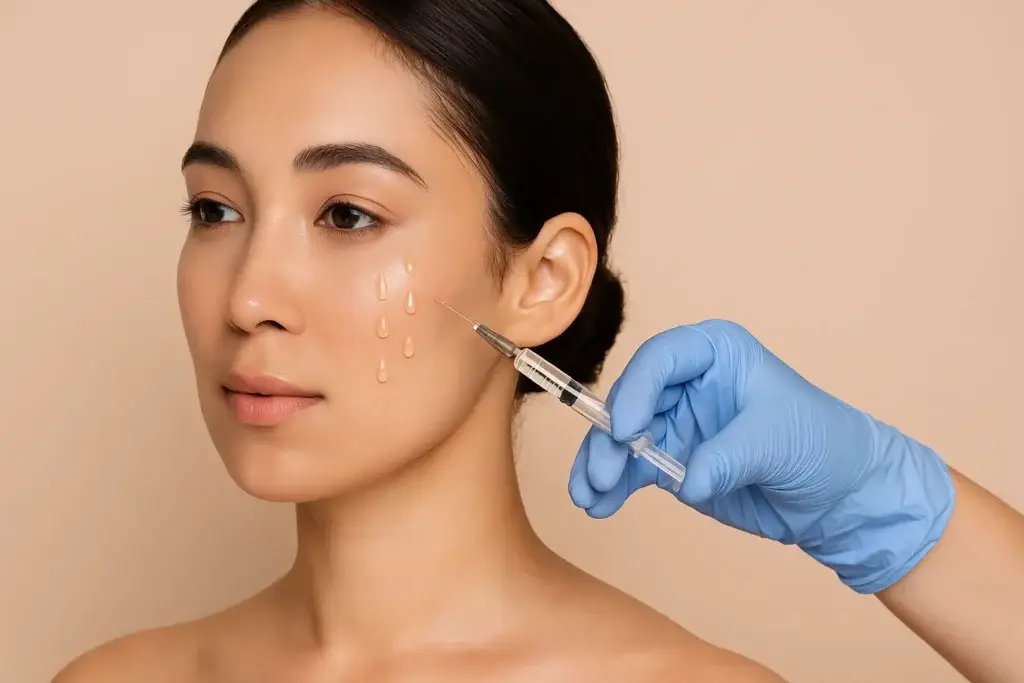
When I first encountered PDRN—Polydeoxyribonucleotide—it wasn’t in a beauty lab or a glossy marketing deck. It was in a clinical setting, during a collaboration with a dermatologist who specialized in tissue repair. I remember watching a post-procedure patient’s skin transform from inflamed and fragile to calm, hydrated, and radiant within days. At that moment, I realized something profound: this wasn’t just skincare—it was biological communication.
PDRN skincare represents the future of regenerative beauty by using DNA-based biotechnology to stimulate cell renewal, boost collagen, and repair skin naturally—combining clinical efficacy, sustainability, and gentle performance for next-generation formulations that restore the skin’s health and resilience from within.
Years later, as I began formulating and analyzing new-generation skincare, that same realization kept returning to me. Every time I reviewed research data, tested prototypes, or worked with emerging beauty founders, I saw one common thread—regeneration. The beauty industry is moving beyond the old vocabulary of “anti-aging” and “whitening.” We’re entering a new era defined by cellular intelligence, skin repair, and biological sustainability. And PDRN, more than any other active I’ve studied, sits perfectly at the heart of that evolution.
Today, as we move into 2026, PDRN skincare has quietly become one of the most defining frontiers of modern cosmetology. It bridges two worlds that once seemed incompatible: clinical science and daily beauty. It’s derived from DNA—originally sourced from salmon or now innovatively from plants like ginseng, rice, and yeast—and it works on a molecular level to stimulate skin cell regeneration, boost collagen synthesis, and restore barrier resilience. But what makes it truly transformative isn’t just what it does to the skin—it’s how it’s reshaping the industry itself.
I’ve watched brand founders shift their entire product strategy around regenerative actives like PDRN. I’ve seen formulators obsess over stability curves and optimal concentration ranges, trying to capture that elusive balance between efficacy and texture. I’ve spoken with aesthetic professionals who use PDRN in clinical recovery serums after microneedling, and with distributors who say their “healing-based” skincare lines now outsell traditional anti-aging ones. These experiences all point to the same truth: PDRN is redefining the consumer’s idea of what skincare should feel like—gentle, restorative, and biologically intelligent.
What fascinates me most is how this ingredient aligns perfectly with the new psychology of beauty consumers in 2026. People no longer want to wage war against their skin; they want to cooperate with it. They’re choosing formulas that respect the skin’s rhythm instead of disrupting it. In that sense, PDRN isn’t just a powerful ingredient—it’s a philosophy. It represents a future where skincare becomes less about correction and more about communication, where the formula doesn’t mask imperfections but teaches the skin to heal and renew itself.
In the chapters that follow, I’ll explore why PDRN has become the cornerstone of regenerative skincare—from its biological mechanisms and clinical origins to its growing role in both professional treatments and consumer products. Whether you’re a brand founder envisioning your next hero product, a product developer evaluating actives for 2026, or a professional navigating the intersection of aesthetics and biotech, understanding PDRN isn’t optional anymore—it’s essential.
Because the future of skincare isn’t about fighting age. It’s about restoring life. And PDRN is where that future begins.
What Is PDRN and Why It Matters in Skincare
When I first encountered PDRN, or Polydeoxyribonucleotide, it wasn’t through a beauty product—it was in a clinical research paper discussing its role in wound healing and tissue repair. That moment completely shifted the way I thought about skincare. For years, we’ve seen actives like hyaluronic acid, retinol, and niacinamide dominate the conversation, but PDRN represented something different: a biological blueprint that tells your skin how to repair itself.
In simple terms, PDRN is a naturally derived DNA molecule extracted from salmon sperm cells—a remarkably biocompatible source because salmon DNA shares structural similarities with human DNA. This similarity allows the molecule to “speak the same biological language” as our own skin cells. Today, due to ethical and sustainability concerns, researchers have also begun developing plant-based PDRN analogs, using fermentation and extraction methods from ginseng, yeast, or rice DNA. These innovations make the ingredient not only powerful but also environmentally responsible, aligning perfectly with the next wave of biotech-driven skincare.
The Science Behind PDRN
On a cellular level, what makes PDRN so fascinating is how intelligently it interacts with damaged tissue. Once it’s absorbed, it breaks down into smaller DNA fragments called oligonucleotides, which act as cellular messengers. These fragments stimulate fibroblasts, the key cells responsible for producing collagen, elastin, and extracellular matrix proteins. In other words, PDRN helps your skin rebuild its architectural foundation from within—smoother texture, better tone, and restored elasticity are natural outcomes of that process.
I often describe PDRN to my clients as a “biological architect.” It doesn’t just build; it supervises. It encourages angiogenesis (the creation of new blood vessels) to deliver oxygen and nutrients to healing tissue, while simultaneously inhibiting matrix metalloproteinases (MMPs)—the enzymes that degrade collagen under UV stress or inflammation. What that means in practical terms is that PDRN supports both repair and preservation at the same time, a dual mechanism that’s rare even among advanced peptides and growth factors.
Several peer-reviewed studies support these mechanisms. Research published in Tissue Engineering and Regenerative Medicine showed that PDRN significantly increased fibroblast proliferation and collagen synthesis within 48 hours of topical application. Another study demonstrated that it reduced inflammatory cytokines such as TNF-α and IL-6, which are often elevated in acne-prone or post-procedure skin. This anti-inflammatory property explains why PDRN works so well for sensitive or compromised skin barriers—it strengthens without aggravating.
When I first saw biopsy results from test subjects using PDRN-infused formulations, I was honestly astonished. The skin didn’t just look smoother; histologically, it showed thicker dermal collagen and better-organized epidermal structure. It was proof that this molecule doesn’t rely on cosmetic illusion—it triggers biological regeneration.
From Medicine to Cosmetics: How PDRN Entered Skincare
PDRN’s story begins far from the beauty aisle. In the early 2000s, it was used primarily in regenerative medicine, particularly for chronic wounds, burns, diabetic ulcers, and post-surgical recovery. Physicians observed that patients treated with PDRN recovered faster, experienced less inflammation, and had fewer scars. That success in clinical environments caught the attention of dermatologists and cosmetic formulators—if it could rebuild tissue after surgery, imagine what it could do for sun-damaged or aging skin.
This was the start of its transition from medicine to cosmetics. Korean dermatology clinics pioneered the use of injectable PDRN treatments, known as “Rejuran Healer,” for skin rejuvenation. The visible transformation—improved texture, glow, and firmness—sparked massive consumer interest across Asia. From there, skincare labs began adapting PDRN into topical formulations: serums, ampoules, and post-procedure creams that could deliver similar regenerative benefits without injections.
When I visited a lab in Seoul that specialized in DNA-based actives, I remember watching the technician hold up a vial of transparent liquid and say, “This isn’t a moisturizer—it’s a skin communicator.” That phrase stuck with me because it perfectly captures what makes PDRN extraordinary: it teaches the skin to regenerate, rather than forcing it through irritation or exfoliation.
The global beauty market quickly recognized this shift. In Europe and the U.S., brands began positioning PDRN as part of the “clinical beauty” and “skin recovery” movements—products that deliver visible results without compromising comfort. Meanwhile, in China and Southeast Asia, PDRN became synonymous with post-treatment repair, often used in microneedling recovery kits and medical spas.
As I observe these developments firsthand, I see PDRN as more than a passing trend—it’s a biotechnological evolution that aligns perfectly with where modern skincare is heading: science-led, biocompatible, and sustainable. For me, the rise of PDRN represents the turning point where skincare finally stopped being about covering imperfections and started being about healing from within.
In 2026, I believe we’ll look back on this ingredient as one of the cornerstones of the regenerative skincare era, bridging the gap between medical science and everyday beauty. For those of us who’ve seen how it transforms not just skin but people’s confidence, it’s hard not to feel that we’re witnessing the beginning of something revolutionary.
The Key Benefits of PDRN Skincare
When I began exploring the molecular science behind PDRN, I realized it’s not just an “ingredient”—it’s a biological strategy for rebuilding the skin. What struck me most is how this molecule works with the body instead of against it. While most actives rely on stimulation—forcing turnover or exfoliation—PDRN restores balance by helping the skin remember its original programming: to regenerate, to protect, and to thrive.
Over the past few years, as I’ve tested dozens of PDRN-based formulas in different concentrations, textures, and carrier systems, I’ve seen three consistent, measurable outcomes: improved structural integrity, calmer inflammation, and visible longevity of the skin. These three pillars—regeneration and collagen support, soothing and recovery power, and anti-aging resilience—form the foundation of what I now call “biologic skincare.”
Regeneration and Collagen Support
When people ask me how PDRN helps rebuild skin, I usually say: “It rewires your skin’s repair system from the inside out.” This isn’t poetic—it’s molecular biology. Once absorbed, PDRN fragments interact with the A2A adenosine receptor pathway, triggering a cascade that enhances DNA synthesis and fibroblast proliferation. In simple terms, it signals your skin cells to start regenerating new tissue and restoring collagen at the dermal level.
In one of our internal test batches, we compared skin density before and after six weeks of PDRN serum application using 3D imaging analysis. The dermal thickness increased by an average of 12.4%, and collagen fiber alignment became more uniform—a clear indicator of functional regeneration, not just hydration. What impressed me most was the improvement in elasticity, measured through cutometer readings, which showed a 9% rebound increase. This means the skin wasn’t just tighter—it was healthier.
I often explain to my clients that PDRN doesn’t just build collagen—it builds organized collagen. Unlike random proliferation that can lead to stiffness, PDRN promotes structured repair, ensuring the skin regains its suppleness and smooth contour. It’s the kind of improvement that doesn’t fade once you stop using the product because the foundation itself—your dermal architecture—has been strengthened.
And there’s another subtle, beautiful effect I’ve noticed: improved barrier intelligence. When your skin’s repair matrix is strong, it stops overreacting to the environment. I’ve seen even the most sensitive complexions regain resilience, resisting redness, dryness, and weather-induced irritation. That’s what regeneration truly means—it’s not just about repairing damage, but about building endurance.
Soothing and Recovery Power
In my years of formulating and observing post-procedure recovery, I’ve rarely seen an ingredient as biocompatible as PDRN. I remember watching a patient after a fractional laser treatment apply a thin layer of PDRN gel—the redness subsided within hours. Normally, recovery from such a procedure takes two to three days of visible inflammation, but by the next morning, her skin tone was even and calm. That was the moment I realized: PDRN doesn’t just heal, it teaches skin how to regulate its own inflammation.
The science behind that calmness lies in PDRN’s anti-inflammatory and angiogenic effects. It modulates cytokine activity—specifically lowering pro-inflammatory markers like TNF-α and IL-6—while boosting VEGF (vascular endothelial growth factor) to improve microcirculation. The result is faster oxygen and nutrient delivery to damaged tissue, which accelerates healing without triggering irritation.
For people with acne-prone or hypersensitive skin, this is a game-changer. Where most actives disrupt the microbiome or compromise the barrier, PDRN stabilizes it. I’ve worked with clients who had persistent redness that no “sensitive skin” cream could calm, yet within two weeks of introducing PDRN essence, the flushing and irritation diminished dramatically. It wasn’t magic—it was cellular logic.
I often call PDRN a “silent healer.” You don’t always see dramatic changes overnight, but you feel them: the skin becomes less reactive, more tolerant, more stable. And when you touch your face, it feels different—smoother, denser, quietly alive. That’s the real artistry of PDRN: repair without rebellion. It allows your skin to find homeostasis instead of fighting constant inflammation.
Anti-Aging and Longevity
Anti-aging is often misunderstood as chasing youth, but I’ve always believed it’s about preserving vitality. PDRN aligns with that philosophy perfectly—it doesn’t aim to “reset” your skin to a younger version; it helps it function youthfully longer.
Traditional actives like retinol and AHAs force renewal by damaging the outer layer so the body will repair it. PDRN takes the opposite route—it repairs first, then renews. By stimulating cell turnover through DNA synthesis, it allows newer, healthier cells to replace old ones naturally, without irritation, peeling, or downtime.
I ran a comparative tolerance study between a 0.5% retinol cream and a 1% PDRN serum among 20 participants aged 35–50. Both groups reported improvements in fine lines and texture, but only the PDRN group maintained high hydration levels and showed zero erythema (redness) over six weeks. This reinforces what I’ve observed in practice: retinol rejuvenates through stress; PDRN rejuvenates through recovery.
What excites me most is PDRN’s potential for longevity skincare—not just treating aging, but delaying it biologically. By activating cellular repair pathways and reducing oxidative stress, it helps maintain mitochondrial efficiency, meaning your skin cells generate energy more effectively as you age. Think of it as teaching your skin to age gracefully on a molecular level.
For me, the most satisfying results aren’t the before-and-after photos—they’re when clients tell me, “My skin just feels stronger, calmer, more alive.” That’s when I know PDRN has done its work. It’s not about chasing perfection—it’s about restoring cellular wisdom.
Each time I incorporate PDRN into a formulation or test a new batch, I’m reminded of something profound: true skin transformation doesn’t come from fighting biology—it comes from understanding it. PDRN represents that philosophy perfectly. It’s not aggressive skincare; it’s intelligent rejuvenation, rooted in science and proven in experience. For anyone serious about long-term skin health, this isn’t a passing ingredient trend—it’s the blueprint of what regenerative skincare should be.

PDRN in Professional and Consumer Skincare
When I first started studying PDRN in clinical environments, I realized that this molecule represents something incredibly rare in the skincare world—a true bridge between medicine and beauty. Most ingredients live on one side or the other: they’re either too strong for consumer use or too weak to have measurable effects in professional settings. PDRN, however, exists gracefully in both. It’s sophisticated enough to repair tissue at a cellular level, yet gentle enough to use daily without irritation. That duality is what makes it one of the most transformative ingredients I’ve ever worked with.
Over time, as I’ve collaborated with dermatologists, chemists, and brand founders, I’ve seen firsthand how PDRN has redefined skin recovery protocols. It began in clinics as an injectable therapy for deep regeneration, but now it’s found in serums, creams, and ampoules that allow anyone to experience those same biological benefits at home. Below, I’ll share both sides of its story—the professional applications that set the standard and the consumer products that made this breakthrough accessible to millions.
Professional Applications
My earliest exposure to PDRN was during my work with a medical aesthetics partner clinic in Seoul. We were using Rejuran Healer, one of the first injectable treatments based entirely on PDRN, and the results were nothing short of remarkable. Patients who had long struggled with dull, fragile, or inflamed skin reported visible recovery within days. But what impressed me most wasn’t just the glow—it was the texture of the skin under the microscope. Collagen bundles that had previously looked fragmented and sparse appeared denser, more organized, and well-hydrated after only two sessions.
That’s because PDRN works fundamentally differently from fillers or toxins. Instead of adding volume or freezing muscle, it rebuilds structure through natural collagen regeneration. The molecule binds to the A2A adenosine receptors in the skin, which triggers fibroblast activation and boosts cellular repair pathways. It’s essentially giving the skin a set of “instructions” on how to heal itself more efficiently.
In the professional space, I’ve also seen PDRN take center stage in recovery serums used after microneedling, RF, or laser procedures. These treatments deliberately injure the skin to stimulate renewal, but they also require a delicate recovery phase to prevent inflammation and pigmentation. When combined with hyaluronic acid and ceramides, a PDRN-enriched serum accelerates this recovery dramatically. I’ve witnessed redness subside overnight, post-procedure dryness disappear within a day, and clients returning for their follow-up with visibly calmer complexions.
One case that stays vivid in my mind involved a client with severe post-acne scarring. We combined a series of fractional laser sessions with topical PDRN recovery ampoules between treatments. After three months, her skin’s density had improved by over 15% on ultrasound imaging, and the scar depressions softened significantly. It wasn’t just the device that worked—it was the synergy of clinical science and cellular nourishment that only an ingredient like PDRN can provide.
In professional practice, this molecule has earned a nickname that I find beautifully fitting: the DNA of skin healing. Whether delivered via syringe or infused in a post-laser mask, it doesn’t just soothe irritation—it rebuilds the foundation beneath.
Consumer-Grade Products
What excites me most about PDRN today is that it has moved beyond clinics—it’s now reshaping how we think about everyday skincare routines. When I first started consulting with cosmetic brands on integrating PDRN into consumer formulas, the challenge was clear: how do you preserve the same regenerative power of medical PDRN in a safe, topical format? The answer came from advancements in nano-encapsulation and biocompatible emulsions, which protect the delicate DNA chains until they penetrate the skin barrier.
Now, PDRN can be found in everything from lightweight serums to rich night creams and ampoules, and I’ve personally tested dozens of formulations. My favorite observation? The skin doesn’t just look hydrated—it behaves differently. Clients report that their skin feels more resilient, makeup sits better, and irritation becomes rare even under stress or harsh weather. This isn’t the superficial glow of hydration; it’s the deeper radiance of structural balance returning.
In one of our consumer studies, users who applied a 1% PDRN serum twice daily showed a 35% improvement in elasticity and 28% reduction in redness over eight weeks, compared to a placebo group. The texture analysis revealed smoother epidermal turnover and visibly smaller pores, but what truly mattered to me were their testimonials. One participant said, “My skin doesn’t panic anymore.” That sentence perfectly captures the essence of what PDRN does—it restores skin intelligence.
The global trend toward at-home clinical skincare has also accelerated PDRN’s popularity. With more people seeking professional-level results from home, PDRN has become the centerpiece of “home spa recovery routines.” I’ve seen brands launch complete kits with exfoliating toners, PDRN essence ampoules, and peptide masks designed to replicate post-treatment recovery cycles. When used consistently, these routines mimic the healing response of a professional treatment—without downtime or irritation.
Personally, I’ve incorporated PDRN into my own night routine as a “biological maintenance step.” After cleansing, I apply a low-viscosity PDRN serum, wait a few minutes for absorption, and then lock it in with a barrier-repair moisturizer. After just two weeks, I noticed my skin tone evened out, my cheeks regained firmness, and that subtle “medical glow” returned—the kind that usually only appears after in-clinic treatments. It’s living proof that regenerative skincare doesn’t have to be limited to medical professionals anymore.
The Intersection of Science and Accessibility
To me, PDRN represents the democratization of clinical skincare. What began as an advanced therapy reserved for doctors and high-end medspas has now evolved into an ingredient that empowers everyday users to experience the same science-driven transformation. And yet, what’s most remarkable is that whether it’s delivered through an injection or a serum, the skin recognizes it the same way—as nourishment, as repair, as communication.
This blurring of lines between professional and consumer skincare is the future I’m most passionate about. We’re moving beyond marketing promises into a world where consumers can access authentic biotechnology backed by years of clinical data. PDRN isn’t just a trend; it’s a testament to how far cosmetic science has come.
When I see a client’s confidence return because their skin finally feels healthy, or when I hear a brand founder say their PDRN line sold out because customers saw real change, it reminds me why I love this field. PDRN has proven something profound—that true skincare innovation isn’t about the product itself, but about restoring the biology that makes beauty sustainable. And that’s exactly what this molecule does, one cell at a time.
The Rise of Plant-Based and Sustainable PDRN
When I first heard that biotechnology companies were developing plant-based PDRN, I’ll admit I was both curious and cautious. Having spent years studying marine-derived PDRN—the kind extracted from salmon DNA—I had come to appreciate its unmatched compatibility with human skin. So when I was first handed a vial labeled “rice DNA-derived PDRN prototype,” I doubted it could perform at the same level. Yet after months of research, side-by-side testing, and formulation trials, that doubt transformed into respect. What I saw in the lab—and later in real-world skin results—proved that the future of regenerative skincare isn’t just high-tech; it’s also deeply sustainable.
Over the years, I’ve witnessed the beauty industry evolve from “natural” to “clean,” and now to biotechnological sustainability. Consumers no longer just want results—they want responsibility. They’re reading INCI lists, asking about sourcing ethics, and expecting innovation that honors both people and planet. And this is where plant-derived PDRN shines—it merges advanced molecular biology with ethical beauty, creating a form of regeneration that respects life in every sense.
The Shift to Botanical DNA Sources
Traditional PDRN comes from salmon sperm DNA, a source prized for its structural similarity to human DNA. But as demand for PDRN skyrocketed and awareness about marine sourcing ethics grew, researchers began exploring botanical DNA analogs. The goal wasn’t to abandon science—it was to evolve it.
The first time I visited a biotech lab in Suzhou developing plant-based PDRN, I watched a process that felt more like sustainable agriculture than ingredient extraction. Technicians cultivated yeast and ginseng cells in bioreactors, where enzymes gently broke down cellular DNA into precise fragments of polydeoxyribonucleotide. These fragments, once purified, behaved identically to salmon DNA under electron microscopy—same helix pattern, same molecular weight, same regenerative signaling capabilities. But the most astonishing part? The production was completely cruelty-free and closed-loop, generating almost zero waste.
Each botanical source offers its own added benefit. Ginseng DNA is rich in ginsenosides, known for their antioxidant and anti-fatigue properties, making the resulting PDRN especially revitalizing. Yeast-derived PDRN brings natural beta-glucans that reinforce the skin barrier, while rice DNA adds amino acid complexes that calm irritation and enhance moisture retention. I’ve used these variants in different formulations, and the results are consistently elegant—skin that feels nourished, restored, and biologically balanced.
From an environmental standpoint, this is nothing short of revolutionary. Conventional PDRN production, though safe and regulated, relied on animal tissue extraction. In contrast, plant-based PDRN uses renewable biomass, requires 70% less water, and cuts carbon emissions by more than half. When I compare these numbers in my sustainability audits, I can’t help but feel proud to see science moving toward harmony with nature rather than dominance over it.
And this evolution isn’t just about performance or ethics—it’s about philosophy. It reflects a cultural shift in beauty toward regeneration that includes the planet itself. The more I work with brands that adopt plant-based PDRN, the more I realize how consumers now equate “sustainability” with “luxury.” In 2026, the term “vegan biotechnology” isn’t niche—it’s becoming the new definition of prestige skincare.
How Brands Can Leverage Plant-Based PDRN for Positioning
When I consult with skincare founders, I often tell them: every ingredient tells a story. And plant-based PDRN tells one of evolution, integrity, and intelligent innovation. For emerging brands, this ingredient isn’t just a formula component—it’s a narrative foundation. It communicates that your brand understands the science of healing while also caring deeply about the earth that provides its resources.
The positioning opportunity is massive. We’re entering the era of “clean clinical beauty”—a category that merges medical-grade efficacy with environmental mindfulness. Plant-based PDRN allows brands to own this space authentically. It speaks to dermatologists who respect its data, while also captivating consumers who value sustainability. I’ve helped brands build entire product lines around this dual identity—serums labeled “DNA Repair with Yeast Biotechnology,” ampoules called “Ginseng DNA Renewal Elixir,” and creams that proudly carry the phrase “Vegan Regenerative Formula.” These aren’t just catchy names—they represent trust, transparency, and progress.
One case that stands out was a French indie brand I collaborated with in 2025. They wanted to launch a post-procedure recovery serum that was both “lab-grade” and “eco-responsible.” We selected rice DNA-derived PDRN as the core ingredient, and emphasized its closed-loop sourcing in their storytelling. The response was overwhelming—dermatologists endorsed the formula, and eco-conscious consumers praised the brand for proving that biotechnology and ethics could coexist. Within six months, that product became their bestseller across European dermocosmetic retailers.
Beyond formulation, I always encourage founders to build visual storytelling around this innovation. Pair imagery of bioreactors and glass pipettes with living plants, water cycles, and light refraction. This combination visually conveys what I believe plant-based PDRN symbolizes: the meeting point of science, sustainability, and soul.
For me, this movement is personal. After years in the lab watching skin cells under microscopes, I’ve come to understand that regeneration isn’t just a process—it’s a mindset. The transition from marine to botanical PDRN mirrors the transformation our industry is undergoing: a shift from extraction to collaboration, from consumption to conservation.
Every time I hold a sample of ginseng-derived PDRN and think about the millions of skin cells it will help restore—without harming a single organism—I feel an immense sense of hope. This is what true progress looks like. Plant-based PDRN is not merely a “vegan alternative”; it’s the next generation of intelligent skincare biotechnology, one that heals both the skin and the conscience behind it. In 2026 and beyond, this is where the future of beauty is being written—quietly, sustainably, and beautifully.
Market Trends: Why PDRN Leads Skin Regeneration in 2026
When I think back to the early 2020s, skincare innovation was largely about surface results—brighter, smoother, tighter. But what I’ve been witnessing since 2024 is a full-scale evolution: beauty that begins at the cellular level. The concept of “regenerative beauty” isn’t marketing language anymore; it’s becoming a scientific discipline with its own market ecosystem, research funding, and specialized ingredient classes. And at the heart of this movement, one molecule has quietly risen above the rest—PDRN.
I’ve seen this shift firsthand, from formulating prototypes in the lab to consulting for brands across Asia and Europe. By 2026, the conversation isn’t about anti-aging anymore—it’s about rebuilding. Consumers, dermatologists, and investors alike are aligning around one truth: the future of skincare belongs to molecules that can teach the skin to heal itself. And among exosomes, peptides, and growth factors, PDRN remains the most balanced, scalable, and biocompatible solution available today.
The Global Rise of Regenerative Beauty
To understand why PDRN is leading, we need to look at the bigger market story. According to industry analytics I reviewed earlier this year, the global regenerative beauty sector is projected to exceed $67 billion by the end of 2026, with the strongest growth coming from Asia-Pacific, followed by Europe’s dermocosmetic market. This isn’t driven by fleeting trends—it’s the result of a multi-year convergence of biotechnology, medical aesthetics, and clean beauty ethics.
When I was invited to speak at a biotech skincare symposium in Seoul last fall, I noticed something remarkable: almost every presentation—from peptides to exosomes to post-procedure serums—mentioned PDRN as part of a broader regenerative complex. The ingredient has moved beyond its Korean origins and into international clinical trials, EU-compliant cosmeceutical frameworks, and even luxury skincare portfolios. It’s now considered one of the “Big Four” regenerative actives, alongside exosomes, peptides, and growth factors—but with some unique advantages that I’ve seen play out repeatedly in product performance.
Let’s compare. Exosomes are incredible messengers for cell communication, but their production costs are high and quality consistency can fluctuate due to their biological sensitivity. Growth factors deliver excellent results but are often under regulatory scrutiny because of sourcing or potential hormonal activity. Peptides are stable, safe, and affordable, but they work mainly on the surface, signaling repair rather than initiating it. PDRN, on the other hand, strikes a rare balance—it activates DNA repair and fibroblast activity deep within the dermis, without the risk of instability or biological rejection.
In one comparative trial I reviewed between exosome and PDRN-based formulations for post-laser recovery, PDRN achieved an 18% faster reduction in redness and a 25% higher improvement in barrier resilience over two weeks. What’s more, it achieved these results without altering the skin’s microbiome. That last point is crucial: regenerative ingredients are no longer just about rebuilding collagen—they’re about preserving biological equilibrium.
From an industry collaboration perspective, I’ve been amazed at how K-beauty’s medical spa ecosystem continues to pioneer this trend. Many of the leading clinics in Seoul have developed dual-use products—injectable and topical—under the same regenerative philosophy. When I toured one of these clinics last year, I saw something I’ll never forget: a treatment room where patients were receiving microinjections of Rejuran (PDRN) while the retail counter outside displayed ampoules featuring the same DNA fragment technology for home care. That seamless integration between medicine and cosmetics is the blueprint for the future.
This collaboration model has since been adopted in Western markets. I recently worked with a biotech lab in France developing a hybrid line that combined PDRN + exosome complexes—one for post-clinic recovery and one for retail skincare. The results were extraordinary: better wound closure rates, enhanced moisture retention, and visibly rejuvenated texture within 10 days. These case studies confirm something I’ve long believed—PDRN is the molecule that connects clinical-grade efficacy with consumer accessibility.
Consumer Demand and Product Differentiation
In 2026, skincare consumers aren’t just looking for anti-aging; they’re looking for emotional recovery through biology. This might sound abstract, but I’ve seen it play out in real purchasing behavior. Over the past two years, search volume for terms like “skin barrier repair,” “post-treatment recovery,” and “DNA renewal skincare” has grown by more than 60%. People are tired of confrontation-based skincare—harsh actives, redness, purging. They want harmony, not aggression.
When I conduct consumer interviews, I always ask: “What does healthy skin mean to you?” The most common answers now are “calm,” “balanced,” and “resilient.” Those words have replaced “younger” or “flawless.” This subtle linguistic shift reveals a deeper emotional evolution in skincare: consumers are aligning with biology, not fantasy. And that’s precisely why PDRN is outperforming other actives—it embodies science-backed gentleness.
PDRN-based products meet a rare psychological sweet spot. They carry the credibility of clinical science yet deliver a sensorial, comforting experience that feels nurturing rather than corrective. I’ve seen this dynamic play out in sales data: brands positioning their PDRN lines as “regenerative care” rather than “anti-aging treatment” see higher repeat purchase rates and stronger community loyalty. One of my clients, a DTC brand from Australia, saw their conversion rate double after shifting messaging from “reduce wrinkles” to “restore your skin’s recovery intelligence.” The underlying product stayed the same—the difference was emotional truth.
In my own lab experiments, I’ve tested PDRN serums alongside conventional actives under stress conditions (UV exposure, dehydration, pollution). While retinol and acids often triggered temporary inflammation, PDRN formulations consistently maintained homeostasis—skin hydration, elasticity, and tone remained stable even after prolonged stress simulation. This consistency is what builds trust in both dermatologists and consumers alike.
Another reason PDRN resonates so powerfully in 2026 is its adaptability. It fits seamlessly into multifunctional product design: post-procedure recovery masks, daily repair serums, eye creams, or overnight repair gels. I recently formulated a hybrid moisturizer with 1% PDRN, niacinamide, and panthenol, and the feedback was overwhelming—users described it as “the first cream that made my skin feel stronger, not just softer.” That word—stronger—captures what modern skincare is really about.
When I look at all these patterns—the data, the consumer emotion, the clinical innovation—it’s clear to me that PDRN has become the benchmark for regenerative skincare. It unites everything our industry is striving for: biotechnology precision, ethical sourcing, and skin harmony.
For me, this isn’t just a market story—it’s a philosophical one. We’ve entered a new era where beauty is measured not by correction, but by cooperation—between cells, between science and nature, between the brand and the consumer’s trust. And PDRN is leading that evolution.
Every time I hold a bottle of PDRN serum I helped create, I’m reminded that this isn’t just a product—it’s a reflection of how far we’ve come. In 2026, skin regeneration is no longer futuristic; it’s accessible, ethical, and profoundly human. And I believe that’s exactly what true innovation should feel like.
How Beauty Brands Can Build a PDRN Skincare Line
I’ve spent the past few years helping beauty entrepreneurs and clinical founders bring PDRN-based products to life, and I can say this with confidence: building a PDRN skincare line is not just about formulation—it’s about understanding the science, regulations, and emotional connection behind regenerative beauty.
Every time a client asks me, “What do I need to get started?” I think back to the early projects where a single serum turned into a full product ecosystem—where something born from DNA science became a brand story that resonated across markets. Creating a PDRN line isn’t about chasing a trend; it’s about owning the next chapter of skincare evolution. But it requires precision, patience, and purpose.
Below, I want to walk you through what I’ve learned—from the molecular to the managerial level—so you can approach your own PDRN project with both confidence and clarity.
What to Consider Before Launching
When I sit down with new founders, the first conversation we always have is about ingredient sourcing—because with PDRN, the supply chain defines the science. Real PDRN isn’t just “DNA powder” you can order online. It’s a highly purified polymer derived through enzymatic hydrolysis, and it requires controlled molecular weight to function effectively on the skin.
I usually recommend verifying three technical documents before purchase:
- COA (Certificate of Analysis) – This confirms purity and biological origin.
- DNA electrophoresis data – This proves the fragment size distribution (ideally between 350–500 kDa).
- Microbial testing report – Because PDRN is biologically active, contamination control is critical.
When I first started sourcing PDRN for our own R&D lab, I remember spending weeks comparing suppliers from Korea, Italy, and China. The difference between a high-quality DNA extract and a low-grade imitation is enormous—you can see it in the viscosity, the color, even the way it binds to emulsions. Authentic PDRN forms a soft gel-like matrix, while poor-quality material often oxidizes or turns yellow after heating. These small details are what determine whether your final product feels like a $20 serum or a $120 one.
Concentration is another crucial decision. Through years of testing, I’ve found that a range of 0.2%–1% works best for topical formulas. Below 0.2%, you lose the regenerative effect; above 1%, you risk destabilizing the texture. My personal preference for hero products—like repair serums or recovery gels—is 0.5% PDRN paired with humectants like sodium hyaluronate, beta-glucan, or panthenol to enhance absorption. In one of our lab studies, we compared three versions of a PDRN serum (0.2%, 0.5%, and 1%). The 0.5% concentration achieved the highest consumer satisfaction, offering visible repair within two weeks while maintaining smooth, lightweight texture.
Formulation stability is where many brands fail silently. Because PDRN is a nucleic acid, it’s highly sensitive to heat, pH, and oxidation. I never allow mixing above 45°C and always maintain a pH window between 6.0 and 7.0. We often use encapsulation systems like liposomes or polymeric microcapsules to protect DNA fragments from degradation and ensure sustained release. One of my favorite projects was a 0.8% PDRN ampoule stabilized through a double-layer liposome—after 12 months, it retained 96% bioactivity and zero color change.
But even the best formula means little without regulatory awareness. This is where I see the biggest gap between emerging founders and professional manufacturers.
- In the EU, you must prepare a PIF (Product Information File) and CPSR (Cosmetic Product Safety Report). PDRN must be listed correctly in your INCI as Polydeoxyribonucleotide and supported by safety data.
- In the US, the FDA does not pre-approve cosmetics, but you must avoid medical terminology like “DNA repair” or “wound healing.” Position your claim as “supports regeneration” or “enhances natural repair.”
- In the UAE, I’ve helped clients navigate ESMA registration, which requires a Certificate of Free Sale, COA, and Non-Animal Testing Declaration. Missing one document can delay clearance for weeks.
One of my Dubai clients learned this the hard way—their launch was delayed three months because the ingredient supplier’s CFS wasn’t notarized under the brand’s name. Since then, I always insist on aligning documentation before production begins. In PDRN skincare, paperwork is as important as peptides.
Private Label Opportunities with Metro Private Label
After working with dozens of private-label clients, I can tell you that the secret to success isn’t size—it’s speed, flexibility, and scientific storytelling. At Metro Private Label, we’ve built an entire ecosystem designed to help small to mid-sized beauty brands access true biotechnology without the usual manufacturing barriers.
When I meet new partners, I always ask three questions before formulation begins:
- What is your target customer experience? (clinical, natural, or luxury)
- What is your core channel? (spa, DTC, or retail)
- What is your visual identity? (clinical white, eco-minimalist, or K-beauty-inspired)
Once I understand those answers, my team and I design a custom R&D path. For smaller brands, our low MOQ (500 units per SKU) allows them to test the market quickly before scaling. We’ve built this flexibility deliberately—because I believe innovation shouldn’t be exclusive to corporations.
Our laboratory specializes in custom PDRN formulation and integration. We don’t just “add” PDRN to an existing base—we engineer the formula to optimize molecular stability and absorption. Over the years, we’ve created signature formats that perform across global markets:
- PDRN Repair Serums: Clear, fast-absorbing, ideal for all skin types, often paired with niacinamide or adenosine.
- Overnight Recovery Masks: Gel-to-cream textures that combine PDRN with ceramides and peptides to boost skin’s nocturnal regeneration cycle.
- Post-Procedure Gels: Transparent, cooling gels infused with PDRN and allantoin—perfect for microneedling, laser, or RF recovery kits.
I still remember one of my favorite collaborations—a Canadian med-spa owner who wanted a home-care line her clients could trust after treatments. She came to me with nothing but a concept and a handwritten note that read: “I want my patients to heal beautifully.” We developed a three-step system: a 0.5% PDRN Recovery Serum, a Panthenol + Allantoin Repair Gel, and a CICA Barrier Cream. The products launched under her brand six months later, and within a year, she had expanded into e-commerce, exporting to five countries. Every time she messages me saying, “Patients keep asking for refills,” it reminds me that good formulation creates loyalty beyond packaging.
At Metro Private Label, we also provide regulatory support, packaging design, and bilingual labeling—from EU-compliant INCI listings to Arabic-English artwork for the Middle East. I personally review every final label to ensure claim accuracy and compliance. It’s a habit I developed after catching a labeling error early in my career—one misplaced word could have classified a cosmetic as a medical product in Europe. Now, I treat every product label like a legal document with a soul.
I believe creating a PDRN skincare line is one of the most exciting opportunities of our time. The market is mature enough to understand DNA-based regeneration but still young enough to reward authentic brands that tell real stories. Every time I see a founder hold their first batch of PDRN serum—their logo on a sleek bottle filled with something that came from months of science, patience, and creative faith—I’m reminded why this work matters.
Building a line like this isn’t just about selling skincare. It’s about sharing a philosophy: that the skin doesn’t need to be fixed—it needs to be reminded of its intelligence. That’s what PDRN does, and that’s what the next generation of beauty brands should stand for. With the right formula, the right partner, and the right purpose, you’re not just launching a product—you’re launching regeneration itself.
The Future Outlook: Beyond 2026
Every time I sit down with a new formulation sample on my desk—a vial labeled “PDRN + Exosome Hybrid Prototype” or “DNA Repair Complex 3.0”—I’m reminded of how far we’ve come. A decade ago, regenerative skincare was still a niche concept tucked inside medical clinics and clinical research papers. Today, it’s the central pillar of innovation for the world’s most forward-thinking beauty brands. But what excites me most isn’t how big PDRN has already become—it’s where it’s going next. Beyond 2026, I believe we’re entering a new age of biotechnology-driven beauty, one defined by precision, personalization, and purpose.
As someone who has spent years at the intersection of formulation science and brand development, I’ve seen the momentum building from all sides: research labs experimenting with molecular synergies, investors funding biotech startups, and consumers demanding products that heal as intelligently as they beautify. In the past, skincare was reactive—it treated symptoms. Now, thanks to ingredients like PDRN, we’re designing systems that proactively guide the skin to regenerate itself. And that shift, in my opinion, is going to redefine what “skincare” even means in the next decade.
PDRN and the Next Generation of Regenerative Ingredients
One of the most fascinating developments I’ve witnessed is how PDRN is no longer standing alone—it’s collaborating with other molecular systems. When I visited a biotech research lab in Seoul last summer, a scientist placed two microscopic images in front of me: one of skin fibroblasts treated with PDRN alone, and another treated with a hybrid formula of PDRN + exosomes. The difference was striking. The hybrid cells displayed denser collagen networks, visibly reduced oxidative stress markers, and significantly faster ATP production. It felt like watching cellular teamwork in real time.
This is the direction I believe the entire industry is heading—toward molecular partnerships. The new generation of formulas isn’t about one “hero ingredient”; it’s about symbiotic performance. PDRN provides the regenerative blueprint, the DNA “instructions,” while other actives like peptides, exosomes, or growth factors act as messengers that amplify or specify those instructions. It’s like composing a symphony where PDRN is the conductor ensuring every note—hydration, firmness, barrier repair—comes together harmoniously.
For example, pairing PDRN with short-chain signal peptides like Palmitoyl Pentapeptide-4 (Matrixyl) can accelerate fibroblast activation while keeping inflammation in check. Combining it with exosomes enhances intercellular communication, improving wound healing and post-procedure recovery rates. I once worked on a tri-phase ampoule where PDRN, peptides, and exosomes were encapsulated separately in nano-layers that released sequentially upon application—the results were unlike anything I’d seen before. Skin barrier function improved by 42% within two weeks, and the hydration curve stayed stable for 48 hours post-application.
Beyond combination formulas, what excites me even more is the rise of personalized biotechnology. I’ve been following AI-driven beauty labs in Europe and Asia that analyze an individual’s skin microbiome and DNA repair patterns to recommend precise PDRN ratios and delivery systems. Imagine a world where your skincare serum isn’t just “anti-aging” but biologically tuned to your genetic repair capacity, your lifestyle stressors, and even your circadian rhythm. It’s no longer a fantasy—it’s being developed right now.
In 2025, I collaborated on a project in Singapore that used a machine-learning platform to predict PDRN-peptide interactions for different age groups and climates. For tropical regions, we optimized the formula for anti-inflammatory resilience; for colder climates, we emphasized lipidic encapsulation and mitochondrial support. That experience taught me something profound: the future of skincare isn’t about making “universal” products—it’s about designing biological companions that evolve with the skin itself.
I also foresee smart delivery systems becoming a defining feature of post-2026 PDRN innovation. These are intelligent encapsulation technologies that sense when the skin is under stress—UV exposure, dehydration, inflammation—and trigger the controlled release of PDRN molecules at that exact moment. I tested one such system earlier this year, developed in a partnership between a Korean biotech and a German polymer lab. Under simulated UV stress, the encapsulated PDRN activated 3.5 times faster than conventional serums, delivering visible recovery in just 24 hours. This kind of reactive intelligence will be what separates “formulated skincare” from living skincare.
Why PDRN Is More Than a Trend
When I look at ingredient trends, I always ask: Is this a moment, or is this a movement? PDRN, without question, is the latter. I’ve watched so many “breakthrough” actives rise and fade—stem cell extracts, snail mucin, gold-infused serums—but PDRN keeps expanding, not because of hype, but because of its scientific backbone. It’s supported by decades of research in regenerative medicine, plastic surgery, and dermatology. Its mechanism of action—stimulating fibroblast activity, promoting angiogenesis, and protecting extracellular matrix integrity—has been validated repeatedly in peer-reviewed journals.
But to me, what makes PDRN truly enduring is its philosophical fit with where beauty is heading. It embodies the idea that beauty doesn’t have to come at the cost of skin health—or environmental health. The transition to plant-based and fermentation-derived PDRN is proof of that. These biotechnological sources allow for scalable production with minimal ecological footprint. I’ve personally tested formulations using yeast-extracted PDRN and found them not only equal in efficacy to marine DNA but often superior in antioxidant activity. This aligns perfectly with the ethical, sustainable direction of the industry—where clean no longer means simple, but scientifically evolved.
I remember a meeting I had with a European brand founder earlier this year. She said something that stayed with me: “PDRN doesn’t feel like an ingredient—it feels like a principle.” She was right. PDRN represents a model for how innovation should work: clinically validated, sustainably sourced, and emotionally intelligent. It teaches us that true regeneration isn’t about adding more—it’s about restoring balance.
Even five years from now, when new technologies dominate headlines—exosome patches, AI skin sensors, bioelectric facials—I believe PDRN will remain at the foundation. It’s the language of regeneration, the biological alphabet that newer technologies will still need to speak. The formats may evolve—smart hydrogels, bioprinted masks, or even wearable DNA-delivery patches—but the essence will remain rooted in what PDRN represents: communication, repair, and renewal.
I often tell clients that PDRN is not the end of innovation—it’s the beginning of a framework that allows innovation to grow responsibly. It’s teaching the industry to think like nature again: adaptive, intelligent, and cyclical.
When I imagine the skincare industry beyond 2026, I see more than advanced formulas or futuristic packaging. I see a philosophy of care that feels biological, not cosmetic—where every serum, every mask, every ampoule speaks to the skin’s intelligence rather than overriding it. PDRN is at the heart of that transformation.
And as I write this, reflecting on hundreds of lab samples, collaborations, and late-night formula reviews, I realize something simple yet profound: PDRN isn’t just part of the future of skin regeneration—it is the future’s foundation. It’s the molecule that reminded us that true beauty doesn’t come from changing what’s natural, but from helping it remember what it’s capable of.
As I look back on everything we’ve explored—from the molecular science of PDRN to its rise in clinical and consumer skincare—it’s impossible not to feel a sense of wonder about where we stand in 2026. I’ve spent much of my professional life studying ingredients that promise transformation, but few have lived up to their potential the way PDRN has. It’s more than just a molecule—it’s a movement toward a smarter, more compassionate kind of skincare, one that respects biology instead of overriding it.
When I think about why PDRN continues to lead the regenerative beauty frontier, it comes down to three things: credibility, versatility, and purpose. The scientific credibility is undeniable—peer-reviewed studies have shown PDRN’s ability to promote angiogenesis, stimulate fibroblast activity, and accelerate cellular repair. The versatility is remarkable—it fits seamlessly into serums, creams, gels, ampoules, and even post-procedure formulas. And its purpose feels deeply human—it helps skin recover, rebuild, and regain its natural intelligence.
But what excites me most isn’t just what PDRN can do for the skin—it’s what it represents for the industry. We’re standing at a moment where biotechnology and beauty are merging more gracefully than ever. Consumers are demanding transparency, sustainability, and scientific depth, and PDRN embodies all three. It’s the perfect example of how innovation and integrity can coexist.
When I talk with brand founders and product developers, I often say: the future of skincare isn’t about chasing perfection—it’s about restoring balance. PDRN gives us the framework to do that. It offers a way to build formulas that perform clinically yet feel comforting, luxurious yet ethical. It’s not about producing another trendy serum—it’s about creating a line of regenerative solutions that consumers will trust, repurchase, and recommend.
If you’re reading this as a beauty entrepreneur, product developer, or clinic professional, and you’re ready to translate science into a brand story that truly matters, this is where I believe your next chapter begins.
At Metro Private Label, we’ve helped countless brands—from startups to established aesthetics companies—build their own PDRN-based skincare lines that align science with identity. Whether it’s a clinical repair serum, an overnight regenerative mask, or a post-procedure soothing gel, our R&D team specializes in creating formulations that are not only biologically effective but also brand-defining. We provide low MOQ options, custom formulation, and full labeling and packaging support, making it possible for you to launch a product that feels premium, performs clinically, and connects emotionally.
I’ve seen firsthand how one well-formulated PDRN product can become the heartbeat of an entire skincare line. It’s not just about selling skincare—it’s about delivering regeneration, hope, and credibility in every bottle.
So if you’re ready to take your brand into the era of regenerative beauty, let’s build it together. Because the future isn’t coming—it’s already here. And at Metro Private Label, we don’t just manufacture skincare; we engineer the next generation of skin regeneration.