
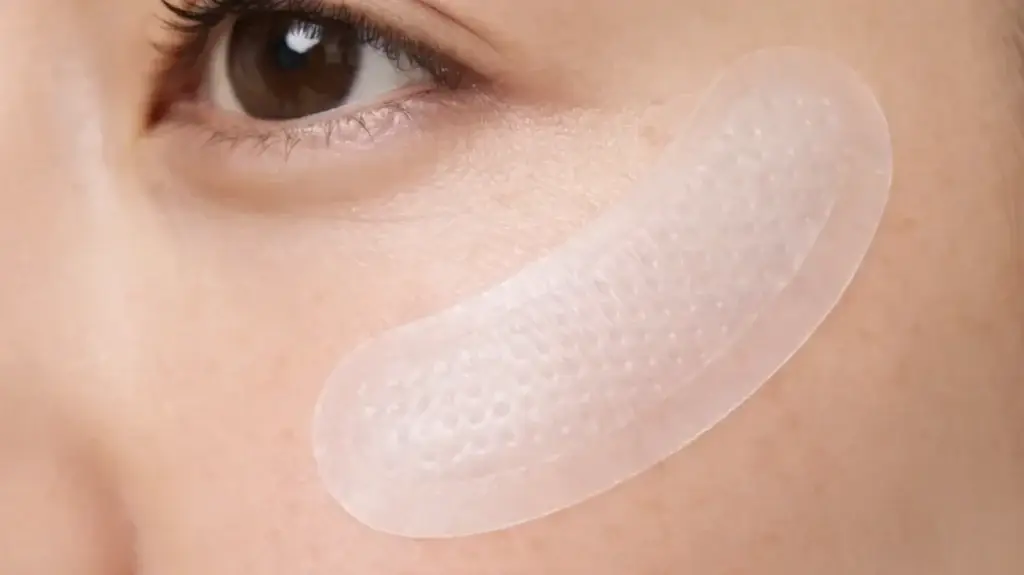
| 1 | Metro Private Label | 🇨🇳 China |
| 2 | TaikiUSA | 🇺🇸 United States |
| 3 | Nissha | 🇯🇵 Japen |
| 4 | CosMED | 🇯🇵 Japen |
| 5 | CD Bioparticles | 🇺🇸 United States |
| 6 | Kindeva | 🇺🇸 United States |
| 7 | ArrayPatch | 🇮🇪 Ireland |
| 8 | Micro Arrow | 🇨🇳 Taiwan |
| 9 | CeraVx | 🇳🇱 Netherlands |
| 10 | LTS | 🇩🇪 Germany |
I’ve worked around skincare manufacturing long enough to know that microneedle patches are not the kind of product people search for casually. When someone types “Top 10 Microneedle Patch Manufacturers 2026,” they’re usually past the curiosity stage. Microneedles are a precision format, closer to a delivery system than a typical patch, and the difference between a patch that performs and a patch that disappoints often comes down to the manufacturer’s process discipline, material control, and real-world production experience.
What makes microneedle patches tricky is that they can look “premium” on a box while failing quietly in real use. A patch can have beautiful branding and trendy actives, but if the needles dissolve too slowly, don’t penetrate consistently, or feel uncomfortable on sensitive zones like under-eyes, customers won’t repurchase. And if the formulation isn’t stable through shipping and storage, performance can drift over time even when the first samples look perfect. This is why choosing a microneedle patch manufacturer is not the same as choosing a standard skincare OEM. You’re not just selecting a factory that can fill and label. You’re selecting a partner that can control a highly sensitive process—molding, active loading, dissolution behavior, adhesion performance, packaging compatibility, and quality testing—at a level that stays consistent when you scale.、
The Rise of Microneedle Patches in 2026
When I look at the evolution of skincare categories over the past few years, I rarely see a product format move as quickly and as decisively as microneedle patches have. What makes this category particularly interesting to me is not just the surge in attention, but the quality of demand behind it. This is not curiosity-driven traffic; this is coming from brands that already understand how to sell and are actively searching for the next product that can give them a competitive edge. In 2026, microneedle patches sit at a very unique intersection of clinical inspiration, consumer-friendly application, and strong commercial viability. What I want to share here is not just why they are trending, but why I believe they are becoming a strategic category for brands that are serious about scaling.
Why Microneedle Patches Are Capturing Global Attention
From my perspective, the rise of microneedle patches reflects a deeper shift in how consumers evaluate skincare products. In the past, brands could rely heavily on ingredient lists and marketing language, but today’s consumers are far more skeptical and far more informed. They want to understand not only what is inside a product, but how it works and why it should deliver results. Microneedle patches answer this demand in a very direct and almost visual way. When I explain this format to clients, I often see an immediate reaction because the concept is easy to grasp and easy to communicate. The idea that tiny dissolvable needles can deliver active ingredients more effectively creates a strong narrative that resonates across different markets.
I have also noticed that brands are no longer experimenting cautiously with this category. Instead, they are actively planning product launches around it, often positioning microneedle patches as hero products rather than supporting items. This tells me that the category has moved beyond early adoption and is now entering a phase where competition will be driven by execution, positioning, and supply chain efficiency rather than basic awareness.
The Power of Targeted Ingredient Delivery
One of the most important reasons I recommend microneedle patches to product developers and brand owners is the way they change the conversation around ingredient effectiveness. In many traditional formulations, even when high-quality ingredients are used, the perceived value is often diluted because consumers do not fully understand how those ingredients interact with the skin. With microneedle patches, the delivery mechanism itself becomes part of the value proposition.
When I work with brands, I often emphasize that this is not just about adding popular ingredients like hyaluronic acid or peptides. It is about how those ingredients are delivered and how that delivery can be positioned as more precise and more efficient. The microstructures in the patch create a sense of controlled penetration, which allows brands to move away from generic claims and toward a more technical, results-oriented narrative. This shift is extremely powerful because it supports both premium pricing and stronger consumer trust.
From a development standpoint, this also opens up new possibilities. Brands can design products that target very specific concerns such as forehead lines, nasolabial folds, or under-eye wrinkles, rather than trying to address multiple concerns in a single formula. This level of specificity makes the product easier to market and easier for consumers to understand, which ultimately improves conversion rates.
Visible Results That Build Consumer Confidence
In my experience, one of the biggest challenges in skincare is managing consumer expectations while still delivering noticeable results. Microneedle patches offer a unique advantage in this area because they are inherently designed for localized, visible improvement. When a consumer applies a patch to a specific area and begins to see subtle changes over time, the experience feels more tangible and more credible than using a general-purpose cream or serum.
I have seen how this plays out in real market scenarios, especially on platforms where reviews and user feedback are highly visible. Products that can generate consistent positive feedback in a short period of time tend to gain momentum quickly, and microneedle patches are well positioned to do exactly that. The combination of targeted application and perceived effectiveness creates a strong foundation for repeat purchases, which is ultimately what drives long-term success for any product line.
What I find particularly interesting is how this category aligns with the growing importance of visual proof. Consumers are increasingly influenced by before-and-after content, and microneedle patches lend themselves naturally to this type of storytelling. This makes them highly compatible with modern marketing channels, where authenticity and demonstrable results are more important than ever.
The Influence of Amazon and TikTok on Category Growth
When I evaluate a product category, I always consider how it performs across different sales channels, because this often determines how scalable it can become. Microneedle patches have shown strong performance on both Amazon and TikTok, but what stands out to me is how they succeed for different reasons on each platform. On Amazon, the strength comes from alignment with high-intent search behavior. Consumers are actively looking for solutions to specific concerns, and microneedle patches position themselves as a more advanced option within those search results.
On TikTok, the dynamic is completely different but equally powerful. The format of microneedle patches makes them highly suitable for short-form video content, where application and results can be demonstrated in a way that feels engaging and authentic. I have observed that products which combine a clear visual process with a strong value proposition tend to perform exceptionally well in this environment. This dual-channel advantage is something I always highlight to brands because it allows them to build both immediate sales and long-term brand awareness.
The Shift Toward At-Home Clinical Skincare
Another trend that I consider highly relevant is the increasing demand for at-home solutions that replicate the experience of professional treatments. Consumers today are more informed and more willing to invest in products that promise clinical-level results, but they also value convenience and control. Microneedle patches fit perfectly into this space because they offer a simplified version of a more advanced treatment concept.
From my perspective, this trend is not temporary. It reflects a broader change in consumer behavior, where people are taking a more proactive role in managing their skincare routines. They are looking for products that feel effective and purposeful, rather than passive. This creates an opportunity for brands to position microneedle patches as part of a more structured and intentional skincare regimen, which can significantly increase both perceived value and customer loyalty.
Demand for Non-Invasive, High-Performance Solutions
Closely related to the rise of at-home clinical skincare is the growing preference for non-invasive solutions. In many of my conversations with clients, I see a clear hesitation when it comes to products that are perceived as too aggressive or too close to medical procedures. Consumers want results, but they also want safety and simplicity. Microneedle patches provide a compelling balance by offering a sense of innovation without introducing significant barriers to use.
I often describe this category as sitting in a “sweet spot” where it feels more advanced than traditional skincare but does not cross into the complexities of clinical treatments. This positioning makes it accessible to a wider audience while still maintaining a premium image. For brands, this is an ideal combination because it allows them to target both experienced skincare users and those who are looking to upgrade from basic products.
Social Media as a Discovery Engine
In today’s market, it is impossible to ignore the role of social media in shaping product demand. From what I have seen, microneedle patches are particularly well suited to this environment because they are inherently visual and easy to demonstrate. The application process itself becomes part of the content, and when combined with clear explanations and visible results, it creates a compelling narrative that can capture attention quickly.
I have worked with brands that have successfully leveraged this dynamic by focusing on education rather than pure promotion. By showing how the product works and why it is different, they are able to build trust and generate interest at the same time. This approach aligns well with the expectations of modern consumers, who are more likely to engage with content that feels informative and authentic.
A High-Margin, Differentiation-Driven Opportunity
When I step back and evaluate microneedle patches from a strategic perspective, what stands out most to me is their potential for differentiation and margin. This is not a category where brands are forced into aggressive price competition. Instead, the value is driven by the combination of technology, effectiveness, and perception. Consumers are willing to pay more for products that feel advanced and deliver noticeable results, which creates room for healthier margins and more sustainable growth.
In my experience, the brands that succeed in this category are those that approach it with a clear understanding of both product development and market positioning. They do not treat microneedle patches as just another SKU, but as a strategic product that can anchor their brand identity. This is why I believe that in 2026, microneedle patches are not simply trending. They are becoming a defining category for brands that want to stand out in an increasingly competitive skincare market.
How to Choose the Right Microneedle Patch Manufacturer
When I speak with brands that are entering the microneedle patch category for the first time, I often notice that they initially focus on surface-level comparisons such as price per unit or minimum order quantity. While these factors are important, they rarely determine long-term success. From my experience, the real difference between a smooth, scalable product launch and a frustrating, delayed project lies in how well the manufacturer aligns with the brand’s technical requirements, regulatory expectations, and operational pace. Choosing a microneedle patch manufacturer is not just about finding someone who can produce the product; it is about selecting a partner who can support your business model, reduce your risks, and help you move efficiently from concept to market. In this section, I want to walk you through how I personally evaluate manufacturers in this category, with the level of detail that I believe is necessary if you are serious about building a successful product.
Manufacturing Capability and Technology
The first area I always evaluate is the manufacturer’s actual production capability, because in the microneedle patch category, technology is not interchangeable. One of the most important distinctions I look for is whether the manufacturer specializes in dissolving microneedles or solid microneedles. In most cosmetic applications, dissolving microneedles are preferred because they are perceived as safer, more comfortable, and more aligned with consumer expectations. However, what matters to me is not just the type, but the level of control the manufacturer has over the production process. I want to understand how consistently they can produce uniform needle structures, because even small inconsistencies can affect both performance and user experience.
Another detail I pay close attention to is needle length, which is often standardized around 0.25 millimeters for cosmetic use. While this may seem like a simple specification, I always ask deeper questions about how the manufacturer ensures precision at this scale. Are they able to maintain consistent penetration depth across batches, and do they have internal quality checks to verify this? These are the kinds of details that separate a manufacturer with true technical expertise from one that is simply following a template.
Equally important to me is the manufacturer’s ability to integrate active ingredients into the microneedle structure. This is where the product moves from being a basic patch to a differentiated skincare solution. I want to know how they handle ingredient loading, how they ensure stability within the microstructure, and whether they can support different types of actives depending on the product concept. When a manufacturer can clearly explain these processes, it gives me confidence that they understand not only how to produce the product, but how to optimize it for real-world performance.
Compliance and Safety Standards
Once I am satisfied with the technical capabilities, I immediately shift my focus to compliance and safety, because this is an area where mistakes can be extremely costly. In my experience, many brands underestimate the complexity of regulatory requirements until they encounter issues with product approvals or platform restrictions. When I evaluate a manufacturer, I always look at their familiarity with the regulatory frameworks of the markets I am targeting, particularly in the European Union, the United Kingdom, and the United States.
For EU and UK markets, I want to ensure that the manufacturer can support the documentation needed for cosmetic compliance, including ingredient transparency and labeling requirements. This is not just about ticking boxes; it is about ensuring that the product can be sold without unexpected obstacles. For the US market, I also consider whether the manufacturer operates within a facility that is registered with the FDA. While this does not imply product approval, it reflects a level of operational readiness that is important when working with serious brands.
Beyond certifications, I place significant importance on stability testing and microbiological testing. These processes ensure that the product remains safe and effective over time, which is critical for maintaining brand reputation. I always prefer to work with manufacturers who proactively conduct these tests and can provide clear explanations of their procedures. When a manufacturer is transparent and confident in this area, it reduces uncertainty and allows me to focus on building the product rather than managing potential risks.
MOQ and Scalability
After addressing technology and compliance, I turn my attention to minimum order quantity and scalability, because this is where many brands either gain flexibility or become constrained. I have seen brands commit to manufacturers with high minimum order requirements only to struggle with inventory management, especially during the early stages of product testing. At the same time, I have also seen cases where manufacturers offer low entry points but lack the infrastructure to support growth, which creates problems once demand increases.
When I evaluate this aspect, I always think in terms of both the initial launch and future expansion. A typical starting point for microneedle patches may range from around one thousand units to several thousand units per SKU, depending on the level of customization and packaging complexity. What matters to me is whether the manufacturer can accommodate this initial phase while also being able to scale production smoothly as the brand grows.
I also pay attention to how the manufacturer handles repeat orders and whether they can maintain consistency across larger production runs. Scalability is not just about increasing volume; it is about maintaining the same level of quality and reliability as the business expands. A manufacturer who can demonstrate this capability becomes a valuable long-term partner rather than just a short-term supplier.
Packaging and Branding Support
Packaging is another area that I consider critical, especially for microneedle patches, where product integrity and presentation are closely linked. Because these patches often require protection from environmental factors such as moisture, I always look for manufacturers who can provide appropriate packaging solutions, such as foil pouches or other protective formats that preserve the product’s effectiveness. At the same time, I evaluate how well the packaging aligns with the brand’s positioning, because in many cases, the first impression a consumer has of the product comes from its packaging.
From a branding perspective, I am particularly interested in whether the manufacturer can support retail-ready packaging that meets the expectations of the target market. This includes not only the visual design but also the structural aspects of the packaging, such as durability during shipping. For e-commerce brands, this becomes even more important, as products must withstand handling and transportation without damage. I have seen situations where otherwise strong products received negative feedback due to packaging issues, which is something I always aim to avoid.
What I value most is when a manufacturer understands that packaging is not just an afterthought but an integral part of the product experience. When they can connect packaging decisions to both functionality and branding, it creates a more cohesive and professional result that supports the overall success of the product.
Development Speed and Communication
Finally, I always evaluate how quickly and effectively a manufacturer can move from concept to execution, because in today’s market, timing can be just as important as product quality. For many of the brands I work with, especially those operating in e-commerce, the ability to launch quickly can determine whether they capture a market opportunity or miss it entirely. I look closely at sample lead times, as this is often the first indicator of how efficiently the manufacturer operates. A well-organized manufacturer should be able to provide samples within a reasonable timeframe while maintaining quality and consistency.
In addition to speed, I place a strong emphasis on communication. A manufacturer who responds promptly, provides clear updates, and addresses questions in a transparent manner can significantly reduce the complexity of the development process. In contrast, poor communication can create delays and misunderstandings that ultimately impact the final product. From my experience, the most successful projects are those where communication is smooth and proactive, allowing both sides to stay aligned throughout the process.
Aligning the Manufacturer with Your Business Model
After evaluating all these factors, I always return to one guiding principle that shapes my final decision. The best manufacturer is not necessarily the largest or the most well-known. What truly matters is whether they are aligned with your specific business stage and sales channel. A manufacturer that is ideal for a large retail brand with established distribution may not be suitable for an emerging e-commerce business that needs flexibility and speed.
In my experience, the strongest partnerships are built on alignment rather than scale. When the manufacturer’s capabilities, processes, and communication style match the needs of the brand, everything becomes more efficient and more predictable. This alignment allows the brand to focus on growth and market strategy, rather than constantly managing operational challenges. Ultimately, choosing the right microneedle patch manufacturer is about finding a partner who can support your vision and adapt as your business evolves, ensuring that your product is not only launched successfully but positioned for long-term success.、
Top 6 Microneedle Patch Manufacturers in the World (2026)
After working with brands across different markets and product categories, I have come to realize that choosing the right microneedle patch manufacturer is rarely about finding the “best” company in absolute terms. Instead, it is about understanding which manufacturer fits your specific business model, your stage of growth, and your expectations in terms of speed, customization, and compliance. In this section, I want to share my perspective on six manufacturers that I believe stand out in 2026, not just because of their capabilities, but because of how they position themselves within the global supply chain. What I will focus on is not only what they do well, but also where they may not be the ideal fit, so you can make a more informed decision based on your own priorities.
Metro Private Label

When I talk about Metro Private Label, I’m not describing us the way a brand brochure would. I’m describing us the way one manufacturer evaluates another. I look at how decisions are made, where technical compromises are allowed or refused, and whether the factory understands how a microneedle patch behaves in real life, not just on a specification sheet. From that perspective, Metro Private Label was built specifically to support founders and brand teams who are preparing their first serious microneedle patch project and need a partner that balances technical discipline with commercial reality.
Why I Don’t Treat Microneedle Patches as a Trend Product
From the manufacturing side, I’ve never seen microneedle patches as a short-term trend. They are a precision format, closer to a delivery system than a decorative skincare accessory. At Metro Private Label, I approach microneedle patches by first asking how the patch will actually be used. I think about under-eye movement during sleep, adhesion on expression zones like the forehead, comfort over several hours of wear, and whether the needles dissolve consistently without irritation. That mindset shapes every development decision we make, because a microneedle patch that looks impressive but feels uncomfortable or inconsistent will never survive repeat purchase.
How I Build Microneedle Projects Around Real Use Scenarios
When a founder comes to us with a microneedle idea, I don’t start with abstract claims. I start with use cases. I look at fine lines under the eyes, puffiness after travel, dark circles from fatigue, and expression lines that customers actually touch and examine in the mirror. Our microneedle under-eye patches, depuffing eye treatments, forehead wrinkle patches, and smile line or crow’s feet patches are all designed around those specific moments of use. This approach helps founders position their product clearly and helps customers immediately understand why the patch exists.
Why Market Relevance Matters as Much as Technical Feasibility
From one manufacturer to another, I know that a product can be technically perfect and still fail commercially. That’s why I study what is already working across premium DTC brands, Amazon best sellers, and clinic-inspired routines before we finalize a microneedle concept. At Metro Private Label, I combine formulation logic with market behavior. I look at ingredient trends, customer reviews, and complaint patterns, not to copy competitors, but to avoid repeating mistakes that the market has already rejected. This gives founders a product that is not only manufacturable, but also easy to explain, price, and sell.
How I Help Founders Launch Without Overcommitting Inventory
One of the biggest reasons early-stage brands choose us is how we structure microneedle MOQs. As a manufacturer, I know microneedle patches are molded delivery systems, not simple sheet masks. Production starts from patch quantity, not from retail boxes. That’s why our standard microneedle projects begin at a realistic total patch count that translates into manageable retail units. This allows founders to test a hero SKU, validate demand, and collect real user feedback without being forced into excessive inventory that strains cash flow or confidence.
Why Performance Details Define Long-Term Brand Trust
From my perspective, customers don’t repurchase concepts. They repurchase results. That’s why our microneedle development focuses on details that are invisible on marketing copy but obvious in use. I pay close attention to needle dissolve speed, active loading balance, skin feel during wear, and whether the patch stays in place overnight. These factors determine whether a customer trusts the product enough to use it again. When founders work with us, I make sure they understand these trade-offs clearly so the final product aligns with their brand promise rather than contradicting it.
How I Integrate Packaging and Production as One System
Microneedle patches fail just as often at the packaging stage as they do at formulation. From a manufacturing standpoint, packaging compatibility is not an afterthought. At Metro Private Label, I treat patch configuration, sachets, cartons, labeling, and finishing as one coordinated system. This prevents issues during transport, storage, and shelf display. For founders preparing their first microneedle launch, this integration removes a major source of stress and unexpected cost.
Why I Emphasize Transparency Over Overpromising
One thing I’ve learned as a manufacturer is that overpromising destroys trust faster than any technical issue. At Metro Private Label, I communicate timelines, risks, and limitations clearly from the start. If there is a trade-off between potency, comfort, or stability, I explain it in plain terms. Founders appreciate this because it allows them to make informed decisions rather than discovering problems after launch. This transparency is especially important in microneedle projects, where expectations are often unrealistically high.
How Compliance and Documentation Support Real Market Entry
Preparing a microneedle patch for market is not just about making samples. It’s about ensuring the product can actually be sold. I make sure every project is supported with proper INCI lists, ingredient documentation, labeling guidance, and export-ready materials. Whether a founder plans to sell on Amazon, through clinics, or via cross-border channels, this preparation reduces delays and regulatory surprises. From a manufacturing peer’s view, this is what separates a factory from a true production partner.
Why I See Metro Private Label as a Growth-Oriented Manufacturing Partner
I don’t measure success by how many samples we ship. I measure it by how well a product scales. At Metro Private Label, I focus on production-stable formulations, practical microneedle MOQs, and processes that can grow with demand. Founders who start with us don’t need to rebuild their supply chain when sales increase. That continuity is critical for brands that want to move from a first launch to a repeatable, scalable business.
Why I Understand Founders’ Decision to Work with Us
From one manufacturer to another, I understand exactly why brand founders and entrepreneurs preparing microneedle patch projects choose Metro Private Label. They are looking for a partner who understands microneedles as real products used by real people, not just technical concepts. They want a factory that respects budget realities, explains risks honestly, and designs products that customers actually trust and repurchase. That is how I approach every microneedle project here, and that is why the brands we work with don’t just launch once, but keep building.
TaikiUSA

When I look at TaikiUSA, I don’t approach them as a potential competitor or a brand showcase. I approach them the way one manufacturer evaluates another: by looking at where they have chosen to invest their expertise, how they frame risk, and which type of clients they are structurally built to support. From that angle, TaikiUSA’s appeal to small business beginners in microneedle patches becomes very clear, because their entire system is designed to remove uncertainty at the earliest stages of product development.
Why Their Manufacturing Philosophy Starts Before the Formula Ever Exists
From my experience, many beginners believe microneedle patches begin with ingredients. In reality, they begin with physics, materials, and application mechanics. What I notice immediately about TaikiUSA is that they do not talk about microneedles as “products” first. They talk about them as delivery systems. That distinction matters. It tells me they understand that dissolving microdarts, skin contact time, penetration depth, and user comfort are not details to be added later. They are the foundation. For a beginner, this means they are not forced to make critical decisions blindly. The manufacturer already owns the logic behind how and why the patch works.
How Long-Term Scientific Investment Translates into Lower Risk for Beginners
As a manufacturer, I know how expensive and time-consuming it is to build real microneedle expertise. It requires repeated trials, failed molds, stability testing, and constant iteration. When I see TaikiUSA emphasize decades of scientific experience and a large patent portfolio, I don’t read that as marketing. I read it as evidence that they have already paid the tuition fee of this category. For a small business beginner, this is extremely important. They are not funding the manufacturer’s learning curve. They are stepping into an ecosystem where the most painful mistakes have already been made and corrected.
Why Their Communication Style Matters More Than Most Founders Realize
One detail I pay attention to, especially when evaluating manufacturers who work with first-time brands, is how they explain complexity. TaikiUSA consistently explains microneedle technology in a way that feels structured rather than intimidating. From a peer standpoint, I recognize how deliberate this is. Microneedles can easily be framed as borderline medical devices, which scares beginners, or as simple beauty patches, which creates unrealistic expectations. TaikiUSA walks a careful line between the two. They educate without overwhelming, and that builds trust long before a quotation is ever discussed.
What Their Microneedle Patch Range Reveals About Internal Capability
When I examine the breadth of microneedle patches TaikiUSA works on, I see signals that only manufacturers notice. Supporting under-eye patches, lip patches, acne-focused microneedles, firming zones, and multi-area shapes is not about expanding a catalog. It requires modular manufacturing thinking. Different skin areas require different needle lengths, dissolution speeds, and adhesion behaviors. For beginners, this range sends a reassuring message. It means the manufacturer is not locked into a single rigid system. It also means future line extensions can happen without rebuilding the entire supply chain.
How They Reduce the Psychological Barrier to Entering Microneedle Categories
Microneedle patches carry a psychological weight that traditional sheet masks or creams do not. Beginners worry about safety complaints, misuse, and customer fear. What I observe in TaikiUSA’s positioning is a strong emphasis on safety, pain-free application, and controlled delivery. As a fellow manufacturer, I know this framing is supported by process, not just words. For a small brand, this reduces not only regulatory anxiety but also marketing anxiety. They can confidently explain the product to their customers without sounding defensive or uncertain.
Why Their Track Record Quietly Reassures First-Time Brands
Beginners may not openly say it, but they care deeply about who else a manufacturer works with. When I see TaikiUSA associated with established and demanding brands, I understand the reassurance this provides. From inside the industry, I know that once a factory meets the expectations of large brands, their internal systems naturally rise to a higher baseline. Documentation improves. Quality control tightens. Processes become repeatable. Small business beginners benefit from this structure even if their initial order volumes are modest.
The Importance of a Partner Mentality at the Earliest Stage
One reason I believe TaikiUSA resonates so strongly with beginners is their emphasis on partnership rather than transactions. They present microneedle patches as part of a broader beauty solution ecosystem that includes tools, waterless formats, and application-driven products. From my perspective, this signals long-term alignment. Beginners don’t feel like they are buying a single SKU from a factory that might lose interest later. They feel like they are entering a relationship where future ideas are welcome, not inconvenient.
Why I Understand Their Strong Appeal to Small Business Beginners
From one manufacturer to another, I understand why TaikiUSA consistently attracts small business beginners in microneedle patches. They combine deep technical infrastructure with clear communication and a supportive development mindset. In a category where mistakes are expensive and credibility is fragile, that combination is rare. It allows beginners to focus on building their brand and market presence, while trusting that the most complex part of the product has already been handled with care, experience, and intention.
Nissha

When I study Nissha, I don’t start from their size or their revenue, even though both are impressive. I start from their history and technical orientation. A company founded in 1929 does not survive nearly a century by chasing trends. It survives by building core technologies, protecting quality standards, and evolving carefully across industries. From one manufacturer to another, that long-term DNA is immediately visible in how Nissha approaches dissolving microneedle patches for cosmetics.
A Manufacturing Group Built on Precision, Not Speed
As a fellow manufacturer, one thing I immediately recognize about Nissha is their commitment to precision manufacturing. Their background spans pharmaceuticals, quasi-drugs, decorative films, and advanced materials, and that matters greatly in microneedle patch production. Microneedles are not forgiving products. Small deviations in molding accuracy, hygiene control, or dissolution behavior can lead to performance failure or regulatory risk. Nissha’s culture of high-precision molding and mass-producible consistency tells me they approach microneedles as an engineering challenge first, not a marketing opportunity.
Why Their Pharmaceutical Mindset Matters in Cosmetic Microneedles
From my experience, many small brands underestimate how close microneedle patches sit to pharmaceutical logic. Nissha does not. Their microneedle patches are designed in strict compliance with Japan’s PMD Act, ensuring that the needles do not penetrate beyond the stratum corneum while still delivering active ingredients effectively. As a manufacturer, I understand the significance of this balance. It reduces safety risk, eliminates pain comparable to injections, and provides a clear regulatory boundary. For small business beginners, this pharmaceutical-grade thinking dramatically lowers uncertainty when entering a technically sensitive category.
How Advanced Hygiene and Design Reduce User and Brand Risk
One detail that stands out to me is Nissha’s use of a protection plate that shields each microneedle until just before use. From a manufacturing standpoint, this is not a cosmetic detail. It is a serious solution to oxidation risk, mechanical damage, and contamination. It also improves user understanding during application. For beginners, this kind of design innovation matters because it reduces customer misuse and post-sale complaints. When a manufacturer has already thought through how a product behaves from factory to consumer skin, the brand owner carries far less operational stress.
Mass Production Without Sacrificing Uniform Quality
As someone who works in manufacturing, I know how difficult it is to scale microneedle patches without losing consistency. Nissha’s proprietary high-precision molding process allows them to mass-produce dissolving microneedle patches while maintaining uniform quality across batches. This is not easy to achieve. It requires stable tooling, disciplined process control, and deep experience with material behavior. For small business beginners, this capability is reassuring. It means that if their product succeeds in the market, the manufacturer is already capable of supporting growth rather than becoming a bottleneck.
Manufacturing Environment and Certifications That Speak for Themselves
When I look at Nissha’s Kyoto Factory, where their cosmetic microneedle patches are produced, I see a manufacturing environment designed for compliance and repeatability. ISO 22716 certification, cosmetic manufacturing licenses, and quasi-drug manufacturing licenses are not just checkboxes. They represent systems that are audited, documented, and continuously improved. From a peer perspective, this tells me Nissha does not improvise quality. For beginners who may not fully understand GMP standards yet, partnering with a manufacturer that already lives inside these systems is a major advantage.
Why Small Business Beginners Are Drawn to a Large, Structured Manufacturer
At first glance, some might assume a group as large as Nissha would not appeal to small business beginners. From my experience, the opposite is often true. Beginners are not only buying manufacturing capacity. They are buying credibility, safety, and long-term viability. Nissha’s global footprint, thousands of employees, and diversified business lines signal stability. For a founder launching a microneedle patch for the first time, that stability translates into peace of mind. They know their manufacturer is not experimenting on their product or disappearing after one season.
The Role of Regulatory Confidence in Beginner Decisions
Small business beginners often fear regulatory missteps more than formulation challenges. Microneedle patches amplify that fear because of their delivery mechanism. Nissha’s strict alignment with Japanese regulatory frameworks gives beginners a clear reference point for safety and compliance. As a manufacturer, I know how valuable that clarity is. It allows brands to communicate confidently with distributors, partners, and even investors, knowing that the product is built on a conservative and well-defined regulatory foundation.
A Technology Partner Rather Than a Trend-Focused Supplier
From one manufacturer to another, I see Nissha less as a trend-driven cosmetics OEM and more as a technology partner. Their involvement in pharmaceuticals, film technologies, and sustainable materials suggests they view microneedle patches as part of a long-term innovation roadmap. For beginners, this means they are not just launching a product that fits today’s market. They are aligning with a manufacturer that is likely to keep evolving the technology over the next decade.
Why I Understand Nissha’s Appeal to Microneedle Patch Beginners
When I step back, I clearly understand why small business beginners choose Nissha as a microneedle patch manufacturer. They offer safety-first design, pharmaceutical-level discipline, scalable precision manufacturing, and a reputation built over nearly a century. From a fellow manufacturer’s perspective, this combination is rare. It allows beginners to enter one of the most technically demanding skincare categories with confidence, knowing that the hardest parts of the work are already handled by a manufacturer that values accuracy, compliance, and long-term trust above all else.
CosMED

When I study CosMED Pharmaceutical, I immediately recognize a manufacturer that does not originate from cosmetics logic, but from medical science and transdermal delivery systems. As someone who also works in manufacturing, I can tell the difference very quickly. CosMED is not a company that entered microneedles because they became trendy. They entered microneedles because they were already deeply invested in how active compounds move through the skin, and microneedles were the natural evolution of that research.
A Manufacturer Shaped by Transdermal Therapeutic Systems, Not Marketing Cycles
From my point of view, CosMED’s strongest foundation is its long-term focus on transdermal therapeutic system research. This is not a short-term R&D project or a single product category. It is a scientific discipline that sits between pharmaceuticals, medical devices, and skin biology. When a manufacturer grows out of TTS research, it means they understand absorption, dosage control, molecular size limitations, and skin barrier behavior at a very fundamental level. For microneedle patches, this depth is critical, because delivery efficiency matters far more than surface-level formulation claims.
Why Being the First to Commercialize Dissolving Microneedles Matters
As a manufacturer, I pay close attention to who pioneered a technology and who followed it. CosMED being the first in the world to successfully commercialize dissolving microneedles is not just a historical footnote. It means they faced problems that had no reference solutions at the time. They had to solve material instability, molding precision, dissolution timing, and safety concerns without copying an existing industrial model. For small business beginners, this matters because they are not working with a factory that is still validating whether the technology works. They are working with a company that defined how it works.
How Safety-First Design Reduces Risk for First-Time Brands
One of the reasons I understand why beginners trust CosMED is their safety-driven design philosophy. Their dissolving microneedles are intentionally engineered to penetrate only the stratum corneum, avoiding deeper layers of the skin. From a manufacturing standpoint, this is a conservative and responsible approach. It minimizes pain, eliminates bleeding risk, and creates a clear boundary between cosmetics and invasive medical devices. For small business beginners, this translates into lower complaint risk, fewer regulatory concerns, and a product that is easier to explain to consumers without fear.
What Their Material Choices Reveal About Their Technical Discipline
When I look at CosMED’s use of materials such as hyaluronic acid, triple-helical collagen, and taurine, I see a manufacturer that chooses materials based on biological compatibility rather than convenience. Dissolving microneedles made from skin-native substances behave very differently from metal or plastic needles. They require precise control over molecular structure, moisture sensitivity, and mechanical strength. As a fellow manufacturer, I know how challenging this is at scale. For beginners, partnering with a company that has already mastered these materials removes a huge technical burden.
Why Industrial-Scale Manufacturing Changes the Equation for Beginners
Many microneedle concepts work in laboratories but fail when scaled. CosMED’s achievement in establishing an industrial-scale manufacturing process for dissolving microneedles is one of the most important reasons small business beginners choose them. It means consistency is built into the process, not added later. Needle height, density, and dissolution behavior remain stable across batches. From a brand perspective, this consistency protects reputation. From a manufacturer’s perspective, it reflects deep process control rather than experimental production.
The Importance of Original Design in Microneedle Performance
As someone who evaluates manufacturing capability beyond surface claims, I pay close attention to original designs such as CosMED’s Fujisan Needle. This is not a cosmetic design choice. The conical geometry inspired by Mount Fuji is engineered to maximize penetration efficiency while maintaining safety and comfort. Receiving international design recognition tells me that the design has been evaluated not only for aesthetics but for functional innovation. For beginners, this kind of proprietary design reduces the risk of launching a product that feels generic or easily replicated.
Why Collagen and Taurine Microneedles Signal Advanced R&D Maturity
CosMED’s work with collagen microneedles and taurine crystal microneedles tells me they are not satisfied with incremental improvement. Collagen, especially in its triple-helical form, is notoriously unstable and difficult to deliver through the skin. Successfully combining it with hyaluronic acid inside a dissolving microneedle requires exceptional formulation control. Taurine crystal microneedles go even further by enabling microneedle technology to move beyond patches into liquids and creams. From a manufacturer’s standpoint, this is not incremental innovation. It is category expansion.
Why Small Business Beginners Feel Protected by a Medical-Grade Mindset
Small business beginners often fear that microneedles are “too medical” for them to manage. Ironically, this is exactly why CosMED appeals to them. Their medical-grade mindset provides structure, documentation discipline, and long-term validation. As a manufacturer, I know that when a company builds products with future medical applications in mind, cosmetic applications benefit from the same rigor. Beginners gain access to that rigor without needing to build it themselves.
A Vision That Extends Beyond Cosmetics into the Future of Care
What truly sets CosMED apart in my eyes is their long-term vision. Their ongoing research into microneedle-based vaccine patches shows that they view microneedles as a platform technology, not a seasonal skincare trend. For small business beginners, this vision matters even if they never enter medical markets. It signals that their manufacturing partner will continue improving the technology, not abandoning it when trends shift.
Why I Understand Small Business Beginners’ Trust in CosMED
From one manufacturer to another, I fully understand why small business beginners choose CosMED as their microneedle patch manufacturing partner. They offer pioneering technology, conservative safety design, industrial-scale reliability, and a scientific mindset shaped by decades of transdermal research. In a category where mistakes are expensive and credibility is fragile, CosMED provides something beginners value deeply: confidence that the hardest technical problems have already been solved by people who built the category from the ground up.
CD Bioparticles

When I analyze CD Bioparticles, I immediately recognize a company that does not originate from the cosmetics supply chain, but from a much deeper drug-delivery and formulation background. As someone who also works on the manufacturing side, I can tell when a microneedle manufacturer is built on delivery science rather than surface-level product assembly. CD Bioparticles clearly belongs to the former category. Their roots in liposomes, polymers, nanoparticles, and transdermal systems explain why they attract brand founders and entrepreneurs who are still in the planning phase of a microneedle patch project and want to validate whether their idea is technically realistic.
A Drug Delivery Company Before It Is a Microneedle Patch Manufacturer
From my perspective, CD Bioparticles does not treat microneedle patches as a standalone product category. They treat them as one expression of a broader drug delivery platform. This matters a lot for founders who are still preparing their microneedle patch concept. When a manufacturer has spent decades working on liposomes, polymer microspheres, nanoparticles, and PEGylated systems, it means they already understand how actives behave, degrade, aggregate, or lose bioactivity. Microneedles, in that context, are simply another delivery route rather than an isolated experiment.
Why Early-Stage Founders Are Drawn to a Formulation-First Partner
In my experience, founders preparing a microneedle patch project often do not yet know whether their API is suitable for microneedle delivery. This is exactly where CD Bioparticles becomes attractive. Their services begin at the formulation feasibility stage, not at mass production. From a manufacturer’s viewpoint, this is critical. It allows founders to test assumptions early, understand limitations, and adjust dosage, release profiles, or even delivery strategy before committing to tooling or scale-up. This early involvement dramatically reduces the risk of expensive redesigns later.
How 3D Printing Changes the Way Microneedles Are Developed
One of the most distinctive aspects I see in CD Bioparticles’ microneedle work is their use of 3D printing technology. As a fellow manufacturer, I know how limiting traditional mold-based microneedle production can be during early development. 3D printing removes many of those constraints. It allows rapid iteration of needle geometry, depth, density, and shape without waiting for new molds. For founders in the planning stage, this flexibility is extremely valuable because their product concept is often still evolving.
Why Needle Geometry Matters More Than Most Founders Realize
When I read about CD Bioparticles’ skinny-waist microneedle design, I immediately understand why it resonates with technically minded founders. Needle geometry directly affects skin penetration, dissolution behavior, and bioavailability. A waist-slimming structure that expands the microneedle front end increases dermal contact and absorption efficiency. From a manufacturing perspective, this is not cosmetic optimization. It is functional engineering. Founders who are serious about performance rather than just marketing claims are naturally drawn to this level of detail.
A Manufacturer That Can Handle a Wide Range of APIs
One of the biggest questions founders ask when preparing a microneedle patch project is whether their active ingredient can actually be delivered through microneedles. CD Bioparticles’ ability to work with dozens or even hundreds of APIs, including proteins and peptides, is a strong signal of technical maturity. As a manufacturer, I know how fragile biological APIs can be. Preserving activity during processing, drying, and storage is extremely challenging. Founders choose partners like CD Bioparticles because they do not want to discover too late that their API is incompatible with microneedle delivery.
Custom Release Profiles as a Strategic Advantage
From a technical standpoint, I find CD Bioparticles’ capability to design different release kinetics particularly relevant for founders in the planning phase. Being able to develop zero-order or first-order release profiles means the microneedle patch can be aligned with a specific therapeutic or functional goal. This level of control is rarely needed for simple cosmetic concepts, but it is essential for founders working on advanced skincare, hair growth, or therapeutic crossover products. It allows them to think strategically about differentiation rather than copying existing products.
Manufacturing Capability That Supports Transition from Concept to Scale
Another reason early-stage founders choose CD Bioparticles is the continuity they offer from development to manufacturing. As a fellow manufacturer, I know how often projects fail when development and production are handled by separate parties. CD Bioparticles integrates formulation development, scale-up, characterization, and quality control under one system. For founders, this means fewer handovers, fewer misunderstandings, and a clearer path from lab-scale validation to stable batch production.
Why Their Quality Systems Matter Even at the Planning Stage
Even when founders are not yet thinking about mass production, quality systems matter. CD Bioparticles’ emphasis on strict quality control and analytical testing signals to me that they treat microneedle patches as high-responsibility delivery systems rather than experimental prototypes. Founders preparing investor decks or internal feasibility studies benefit from this rigor. It gives credibility to their project long before the product reaches the market.
A Research-Driven Environment That Appeals to Technical Founders
Many founders who prepare microneedle patch projects come from scientific or medical backgrounds. They are often more comfortable discussing bioavailability, release kinetics, and formulation stability than branding or packaging. CD Bioparticles naturally attracts this type of entrepreneur because their language, services, and infrastructure are research-oriented. From one manufacturer to another, I recognize this as a strong alignment of mindset rather than just capability.
Why I Understand the Appeal of CD Bioparticles to Microneedle Project Founders
When I step back and look at CD Bioparticles as a whole, I clearly understand why founders in the preparation stage choose them as a microneedle patch partner. They offer flexibility before commitment, scientific validation before scale, and delivery-system expertise before marketing promises. From a fellow manufacturer’s perspective, this combination is rare. It allows entrepreneurs to explore ambitious microneedle concepts with confidence, knowing they are supported by a partner who understands the technology at its most fundamental level, long before production volumes or commercial pressure come into play.
Kindeva

When I look at Kindeva, I don’t see a company that entered microneedles because the category became attractive. I see a manufacturer whose entire history has been shaped by drug delivery, patient safety, and device–drug integration. As someone who also works on the manufacturing side, I can immediately tell that Kindeva approaches microneedle patches from the same mindset it applies to injectables and combination products. That mindset is not about speed or trends, but about responsibility, scalability, and long-term clinical relevance.
A Drug Delivery CDMO Before It Is a Microneedle Specialist
From my perspective, the most important thing to understand about Kindeva is that microneedles sit inside a much larger drug delivery ecosystem. This is a company that has spent decades developing sterile injectables, autoinjectors, inhalation systems, and dermal delivery platforms. When a manufacturer comes from this background, microneedles are not treated as a novelty format. They are treated as another route of administration with specific regulatory, mechanical, and biological constraints. For entrepreneurs preparing a microneedle patch project, this context is extremely reassuring because it means the manufacturer already understands what happens when a product moves beyond concept and into real-world use.
Why Entrepreneurs Trust a Manufacturer with a Strong Leadership and Governance Structure
As a fellow manufacturer, I pay attention not only to technology but also to organizational structure. Kindeva’s leadership team spans operations, regulatory affairs, quality, finance, and information systems, and that balance tells me a lot. It means decisions are not driven purely by engineering enthusiasm or commercial pressure. They are filtered through quality systems, regulatory strategy, and long-term risk management. For founders preparing a microneedle patch project, especially those who may eventually face clinical trials or regulated markets, this structure provides confidence that their project will not collapse under compliance or scale-up pressure.
Microneedles Through the Lens of Patient Safety and Reliability
What stands out to me in Kindeva’s approach to microneedle-based drug delivery is how closely it aligns with patient-centric design. Their language consistently emphasizes reliability, ease of use, and safety, which mirrors how they talk about autoinjectors and sterile injectables. From a manufacturing standpoint, this tells me that microneedle arrays are engineered with the same seriousness as injectable devices. For entrepreneurs, this matters because microneedles are often positioned as patient-friendly alternatives to injections. A manufacturer that already understands how patients interact with delivery devices is far better equipped to design microneedles that work outside the lab.
How Experience with Autoinjectors Shapes Microneedle Thinking
From one manufacturer to another, I can see a clear line connecting Kindeva’s legacy in autoinjectors to its microneedle work. Autoinjectors demand extreme reliability, precise dosing, and intuitive operation under stress. Those same principles translate directly into microneedle patch design, especially for vaccines, biologics, and self-administered therapies. Entrepreneurs preparing microneedle projects often underestimate how much delivery mechanics influence product success. Working with a manufacturer that has solved these problems repeatedly in injectables reduces the likelihood of costly design mistakes.
A Manufacturing Infrastructure Built for Scale, Not Just Proof of Concept
One reason founders choose Kindeva during the preparation phase is their ability to think beyond early-stage prototypes. Their large-scale cGMP facilities, advanced automation, and Annex I–compliant aseptic operations signal that scale is already part of the conversation. As a manufacturer, I know how many promising microneedle concepts fail because the production environment cannot support consistent output. Kindeva’s infrastructure sends a clear message to entrepreneurs: if your microneedle patch succeeds, the manufacturing backbone to support growth is already in place.
Why Regulatory Readiness Attracts Serious Microneedle Projects
Microneedle patches often sit at the intersection of medical devices and pharmaceuticals, which makes regulatory strategy complex. Kindeva’s deep regulatory expertise, embedded directly into its leadership and operations, is one of the strongest reasons project founders are drawn to them. From my experience, entrepreneurs preparing microneedle projects are often thinking several steps ahead. They are considering future indications, geographic expansion, and regulatory scrutiny. Partnering with a manufacturer that already lives inside FDA and global compliance frameworks removes a significant layer of uncertainty.
Customization Without Losing Control of Quality
Another point I respect as a fellow manufacturer is Kindeva’s emphasis on customized solutions without compromising quality systems. They position themselves as strategic partners rather than contract fillers, which tells me they are willing to adapt microneedle array designs, delivery formats, and API compatibility while maintaining disciplined processes. For entrepreneurs, this balance is critical. They need differentiation, but they also need predictability. Kindeva’s operating model supports both.
Why Microneedles Fit Naturally into Kindeva’s Long-Term Vision
When I step back, I see microneedle delivery as a natural extension of Kindeva’s long-term mission rather than a side project. Their focus on accelerating healthier tomorrows, self-administration, and patient-friendly delivery systems aligns perfectly with microneedle technology. For founders preparing a microneedle patch project, this alignment matters. It means their manufacturer is not testing the waters. They are investing in a platform they believe will define future drug delivery.
Why I Understand Entrepreneurs’ Choice to Partner with Kindeva
From one manufacturer to another, I fully understand why brand founders and entrepreneurs preparing microneedle patch projects choose Kindeva. They are not just looking for someone who can make microneedles. They are looking for a partner who understands delivery science, regulatory reality, patient behavior, and long-term scalability. Kindeva offers all of that within a single organization. In a category where the margin for error is small and the cost of mistakes is high, that depth and discipline are exactly what serious microneedle projects require.
ArrayPatch

When I look at ArrayPatch, I do not really see a traditional “private label microneedle patch manufacturer” in the normal OEM sense. What I actually see is a biotech-driven platform company trying to position itself much higher in the value chain than most cosmetic microneedle suppliers in Asia. That difference is extremely important, because it completely changes the type of customers they attract, the trust they build, and the commercial conversations they are trying to enter.
Most skincare OEM factories usually present themselves around manufacturing capability, MOQ flexibility, packaging support, formula customization, or trend ingredients. ArrayPatch barely talks about any of that. Instead, almost every piece of their communication revolves around clinical positioning, therapeutic outcomes, patents, regulatory pathways, healthcare professionals, and drug delivery technology. From an industry perspective, that immediately tells me they are intentionally trying to separate themselves from the crowded “beauty patch” market and move toward the pharmaceutical and medical-device side of microneedle technology.
I think this positioning alone is already enough to attract a certain category of startup founders. Especially in Europe and North America, there are many early-stage skincare or biotech entrepreneurs who no longer want to build “another cosmetic brand.” They want to build something that feels scientifically defensible, clinically differentiated, and potentially investable. Those founders are not only thinking about ecommerce sales. They are thinking about patents, investor storytelling, medical credibility, and long-term valuation. When these people see words like “clinical-stage biotech company,” “505(b)(2) regulatory route,” “drug-loading efficacy,” and “platform technology,” they psychologically stop viewing the company as a supplier and start viewing them as a technology partner.
That distinction matters a lot.
In the cosmetic OEM world, many factories compete on speed and flexibility. But ArrayPatch appears to be competing on perceived scientific depth and technological exclusivity. Their “polymer-free dissolvable microneedle” positioning is a good example. Whether or not the average consumer fully understands the technical meaning is actually secondary. What matters commercially is that it creates a strong perception of proprietary innovation. In my experience, startup brands — especially founders trying to raise money or position themselves as premium science brands — care enormously about having a “technology story” that sounds difficult to replicate.
I also notice that they repeatedly emphasize underserved medical markets like nail fungal infection and diabetic peptide therapy. That is actually very strategic. Most cosmetic microneedle brands today are heavily concentrated in anti-aging, wrinkle care, acne patches, and under-eye products. Those categories are visually attractive, but also extremely crowded. ArrayPatch seems to understand that investors and healthcare partners are usually more interested in solving difficult medical delivery problems with high barriers to entry. That makes the company look less like a cosmetic supplier and more like a defensible biotech asset.
From a manufacturer’s perspective, one thing I immediately observe is that they are building authority through institutional validation rather than commercial scale. Their website talks extensively about awards, startup competitions, investor readiness programs, clinical-stage development, and seed funding announcements. This is very different from the typical OEM strategy of showing production lines, certifications, packaging capabilities, or customer testimonials. They are effectively using external recognition to compensate for what may still be an early commercial manufacturing stage.
I actually think this works very well for attracting a specific kind of client.
For example, biotech-minded startup founders, clinic-oriented anti-aging brands, and medically positioned skincare startups will probably feel much more comfortable working with a company that speaks the language of clinical outcomes rather than beauty marketing. These founders often want to avoid looking “too cosmetic.” They want their brand to feel closer to healthcare innovation. ArrayPatch’s communication style gives them exactly that emotional reassurance.
At the same time, I do not think ArrayPatch is naturally optimized for mass-market ecommerce brands or fast-moving Amazon sellers. Those customers usually prioritize scalability, fast iteration, visual differentiation, low MOQ flexibility, speed-to-market, and aggressive product expansion. ArrayPatch’s current communication feels slower, more clinical, and much more regulatory-oriented. That can increase trust in one market while reducing appeal in another.
Interestingly, I think their biggest strength may not even be the microneedle patch itself. Their biggest strength might actually be narrative positioning.
A lot of microneedle technology in the beauty industry today is honestly becoming commoditized. Many factories can produce dissolving patches, peptide patches, or hyaluronic acid patches. But very few companies successfully create the impression that they are building an entire therapeutic delivery platform. ArrayPatch seems highly aware of this. They are not selling a patch. They are selling the idea of future pharmaceutical applicability. That is a much larger narrative.
I also think their team presentation is intentional. The presence of roles like CFO, CDO, directors, and commercialization language creates investor confidence. In many OEM companies, the team section is often generic or even absent. ArrayPatch instead uses the team page almost like a biotech startup pitch deck. That tells me they are likely balancing two parallel goals simultaneously: attracting strategic commercial partners while also continuing to attract investment capital.
One thing I personally find very interesting is how carefully they avoid looking like a “manufacturer from a low-cost sourcing perspective.” They are not emphasizing price, production volume, MOQ, or manufacturing efficiency. In fact, they almost intentionally avoid the traditional OEM conversation entirely. This allows them to maintain perceived technological scarcity. In the skincare industry, once a company starts heavily discussing MOQ and customization too early, it psychologically becomes easier for buyers to compare them against dozens of other suppliers. ArrayPatch instead keeps the conversation at the innovation and therapeutic level, which protects their perceived positioning.
From an industry peer perspective, I think there are several things worth learning here.
First, they understand that future high-end skincare and microneedle markets are increasingly driven by “technology narratives,” not just ingredients. Many factories still compete by saying they can add peptides, PDRN, collagen, or exosomes into products. But the companies that create the strongest market differentiation are usually the ones controlling the delivery mechanism story. Delivery technology is becoming more valuable than simply adding another active ingredient.
Second, they understand the psychological importance of regulatory language. Even before commercialization at scale, mentioning pathways like 505(b)(2), clinical-stage development, and healthcare applications instantly elevates perceived authority. Whether targeting investors, clinics, or advanced startup founders, this dramatically changes brand perception.
Third, I think they are very aware that being “too commercial” too early can reduce perceived innovation value. That is actually a delicate balance many OEM factories struggle with. In the beauty industry, aggressive sales positioning often weakens premium scientific perception. ArrayPatch seems to intentionally prioritize scientific prestige over immediate manufacturing accessibility.
Personally, I think ArrayPatch is most suitable for founders who want their future brand to sit somewhere between skincare, biotech, and medical aesthetics. Especially founders trying to create clinically positioned anti-aging brands, transdermal delivery concepts, diabetic skincare technologies, or physician-backed skincare systems. Those founders are not necessarily searching for the cheapest manufacturer. They are searching for technological legitimacy.
What makes ArrayPatch interesting is not that they are “better” than traditional microneedle manufacturers. It is that they are playing a completely different psychological and commercial game. Most OEM factories compete inside the supply chain. ArrayPatch appears to be trying to compete at the intellectual property and healthcare innovation layer above the supply chain. That is a much harder path, but if successful, it also creates far stronger differentiation than simply becoming another cosmetic patch supplier.
Micro Arrow

The more I study the microneedle skincare manufacturing industry, the more I realize that many companies are not actually competing on production capacity anymore. They are competing on perceived technological authority. When I look at Micro Arrow Corp from an OEM industry perspective, I do not simply see another skincare factory trying to manufacture trendy products. I see a company deliberately trying to position itself as a category specialist within the microneedle skincare space. That distinction matters far more than many startup founders realize because modern skincare brands are increasingly looking for suppliers that can strengthen their own brand positioning rather than simply fill products into packaging.
Why Some Startup Brands Would Choose to Work With Micro Arrow
When I observe why certain startup brands may feel attracted to Micro Arrow, I do not think the decision is only about the microneedle product itself. I think the real attraction comes from the psychological positioning the company creates around the technology. In today’s skincare market, especially in anti-aging and treatment-inspired categories, founders are constantly trying to differentiate themselves from ordinary serum brands and oversaturated cream categories. Microneedle products immediately create a perception of higher technology, clinical sophistication, and stronger efficacy even before a customer understands the formula itself.
What I notice is that Micro Arrow intentionally reinforces this perception through every part of its presentation. The company repeatedly emphasizes laboratories, patented technology, automated production systems, AI inspection, and adoption by medical aesthetic clinics. To many startup founders, especially those without deep manufacturing experience, these signals create confidence. Most founders cannot technically evaluate needle dissolution consistency, penetration depth stability, or transdermal delivery systems. Instead, they rely on symbolic indicators that suggest professionalism and scientific control. Micro Arrow appears to understand this buyer psychology very well.
I also think many startup founders today are searching for more than manufacturing. They are searching for a story they can later communicate to their own customers. When a brand can say that its microneedle patches are developed with patented technology and manufactured in specialized facilities with multiple laboratories and automated inspection systems, the supplier itself becomes part of the brand narrative. This is one of the reasons why specialized factories often feel more attractive than broad “everything factories” in premium skincare categories.
The Real Advantage May Not Be Manufacturing Alone
From my perspective inside the OEM industry, I do not think Micro Arrow’s biggest advantage is simply that they can produce microneedle patches. More factories can now manufacture dissolving microneedle products than many people realize. The technology is no longer as rare as it once was, especially in Korea, China, and certain advanced OEM ecosystems. What I think they are truly selling is perceived category authority.
That is a very different type of advantage.
Many factories still compete mainly on MOQ, production speed, or pricing. Micro Arrow instead appears to compete on specialization. By focusing heavily on microneedle products rather than trying to appear as a full-category skincare manufacturer, they create a stronger psychological association with expertise. In branding terms, specialization itself becomes marketing.
I also notice that they emphasize “integrated microneedle products for sustained release of active ingredients.” This is important because the microneedle category is gradually moving beyond simple visual novelty. In the early stages of the market, consumers were already impressed simply by seeing dissolving needles. But as more brands enter the category, the conversation shifts toward delivery efficiency, ingredient compatibility, release technology, and treatment performance. Micro Arrow seems aware that long-term differentiation cannot rely purely on aesthetics.
The emphasis on laboratories is also strategically smart. Most startup founders may not understand the technical details of microneedle engineering, but they do understand the emotional meaning behind dedicated research facilities. The moment a supplier talks about biotechnology labs, formulation development labs, and microneedle skincare technology labs, the perceived positioning immediately moves upward from ordinary OEM manufacturing toward technical innovation. That difference heavily influences how premium brands evaluate manufacturing partners.
Why Different Customer Types Would Be Attracted to Them
I think different customer types would be drawn to Micro Arrow for completely different reasons, which is actually one of the signs of strong positioning. A premium anti-aging startup brand may be attracted because microneedle products help them appear more technologically advanced compared to ordinary serum competitors. These founders are usually trying to build a stronger “professional skincare” identity and want products that visually communicate innovation.
Amazon sellers would likely view the category differently. Many mature Amazon operators are constantly searching for products with stronger click-through potential and higher perceived value. Microneedle patches naturally create visual differentiation inside marketplaces because they immediately stand out against conventional skincare formats. The category also supports higher pricing potential when combined with ingredients like peptides, hyaluronic acid, exosomes, or PDRN concepts. For experienced ecommerce operators, this becomes a margin opportunity as much as a branding opportunity.
Shopify DTC brands would probably be attracted by the storytelling possibilities. Modern DTC skincare brands increasingly rely on educational marketing, before-and-after positioning, and “high-tech beauty” narratives. Microneedle products fit naturally into this ecosystem because they visually look more advanced and treatment-oriented than traditional topical products. Micro Arrow’s positioning around laboratories and patented technology supports this style of branding extremely well.
I also think clinic-oriented skincare brands or medical aesthetic businesses would feel comfortable with this type of supplier positioning. The repeated reference to medical aesthetic clinics is not accidental. It creates a bridge between cosmetic skincare and professional treatment culture without fully entering pharmaceutical territory. That middle-ground positioning is commercially powerful because it allows brands to borrow some of the trust associated with clinical aesthetics while remaining accessible within the cosmetic market.
Their Market Positioning Feels Deliberately Narrow
One thing I personally find very interesting is how disciplined their positioning appears to be. Many OEM factories try to maximize opportunity by presenting themselves as capable of manufacturing every possible skincare category. The problem is that broad positioning often weakens perceived expertise. Buyers begin comparing factories mainly on operational metrics rather than technological identity.
Micro Arrow seems to understand the opposite strategy. Instead of competing broadly, they are narrowing the narrative aggressively around microneedle technology. In my experience, this type of focused positioning often creates stronger authority in premium categories because the company becomes psychologically associated with one specific innovation area.
I also notice that they are positioning themselves between cosmetic manufacturing and clinical skincare technology rather than fully committing to either side. This is actually a very smart strategic zone because it avoids many of the commercial limitations of pharmaceutical positioning while still maintaining higher perceived sophistication than ordinary cosmetic OEM suppliers.
Their use of terms like “medical aesthetic clinics,” “patented technology,” “AI inspection,” and “dust-free production” all support this hybrid identity. They are not selling themselves as a low-cost factory. They are selling controlled innovation.
That positioning will naturally filter out certain types of buyers. Extremely price-sensitive startups or founders looking only for low MOQ white-label products may not feel aligned with this type of supplier identity. But brands seeking premium positioning, treatment-inspired branding, or stronger technology narratives will probably find this type of manufacturer far more attractive.
What I Think Is Worth Learning From Them
From an industry perspective, one of the biggest things I think is worth learning from Micro Arrow is how clearly they understand category psychology. Many OEM companies still focus too heavily on manufacturing capability itself while underestimating how much modern skincare brands care about perception and narrative alignment.
Today’s skincare founders are not only buying products. They are buying positioning assets.
A specialized supplier can help a brand appear:
more scientific,
more premium,
more clinical,
more innovative,
and more differentiated.
Micro Arrow seems to build its entire presentation around this reality.
I also think their restraint is strategically valuable. They are not trying to overwhelm visitors with hundreds of unrelated product categories. They are reinforcing one dominant association repeatedly: microneedle expertise. In modern SEO and branding environments, that kind of focused authority can become extremely powerful because both consumers and search engines increasingly reward topical specialization.
Another thing I notice is that they are not simply presenting manufacturing infrastructure. They are presenting an ecosystem of technical credibility. The laboratories, the inspection systems, the clinic adoption references, and the patented technology messaging all work together to create an impression that the company belongs inside a more advanced segment of the skincare industry.
From a perspective, I think this reflects an important shift happening across the OEM world. The future competitive advantage is increasingly moving away from pure production scale and toward perceived technological identity. Factories that can own a category psychologically will likely have a much stronger long-term position than factories competing only on operational flexibility.
When I study Micro Arrow carefully, I do not think they are merely manufacturing microneedle patches.
I think they are manufacturing authority around the microneedle category itself.
CeraVx

As I spend more time studying the global microneedle industry, I increasingly feel that the market is quietly separating into two completely different worlds. One side is becoming highly commercialized around skincare, anti-aging trends, ecommerce branding, and beauty-focused innovation. The other side is moving toward pharmaceutical delivery systems, therapeutic applications, vaccine technologies, and deep-tech medical infrastructure. When I look carefully at CeraVx, I immediately realize they are not trying to position themselves as a traditional private label skincare manufacturer at all. They are building something much closer to a biotechnology platform company that happens to use microneedles as its core delivery infrastructure.
That difference is extremely important because it completely changes the type of customers they attract, the partnerships they pursue, and the long-term value they are trying to create.
Why Some Companies Would Choose to Work With CeraVx
When I think about why certain startups, biotech founders, or advanced skincare companies may become interested in CeraVx, I do not think the attraction is based on ordinary OEM logic. Most beauty startups searching for a manufacturing partner are focused on questions like MOQ, formulation flexibility, packaging speed, visual differentiation, or ecommerce potential. But the moment I look at CeraVx’s website language, I can already tell they are speaking to a completely different buyer psychology.
The company repeatedly emphasizes vaccine delivery, therapeutics, intradermal administration, clinical studies, biologics, nanoparticles, and ceramic microneedle systems. These are not typical beauty-industry selling points. This type of language is designed to attract founders and organizations that are searching for scientific defensibility rather than trend responsiveness.
I think this is one of the main reasons why certain innovation-driven companies may find them attractive. In today’s biotech and advanced skincare landscape, many founders are under pressure to show investors and strategic partners that they possess some form of proprietary infrastructure rather than simply another cosmetic product line. CeraVx helps support that perception because the technology itself feels highly specialized, difficult to replicate, and deeply scientific.
I also believe that medically positioned skincare brands may feel drawn toward this type of company because the association with vaccine technologies and intradermal delivery immediately elevates the perceived sophistication of the products. In premium skincare markets today, scientific complexity itself has become a form of luxury positioning. Many brands are no longer selling only skincare results. They are selling the feeling that consumers are accessing advanced science previously associated with clinical medicine or biotechnology.
Their Real Advantage Is Probably the Technology Positioning Itself
From a同行 perspective, I do not think CeraVx’s biggest strength is traditional manufacturing capability. Their real advantage appears to be technological positioning and materials-science differentiation.
That distinction matters a lot.
Most skincare OEM factories compete around operational advantages such as production lead time, low MOQ, fast sampling, packaging integration, or broad category coverage. CeraVx is clearly competing in a completely different category of value. They are positioning themselves around scientific infrastructure, pharmaceutical compatibility, and advanced delivery engineering.
The moment I see terms like “ceramic microneedles,” “nanopore ceramics,” and “semi-conductor micro-manufacturing,” I immediately understand that the company is intentionally trying to create a deep-tech identity rather than a cosmetic identity. That is actually a very smart strategic move because it shifts the entire competitive conversation away from pricing and toward replication difficulty.
In the cosmetic microneedle market, many systems are based on dissolving polymers and ingredient delivery concepts. But ceramic microneedles create a very different psychological and technical perception. Ceramic materials suggest precision engineering, stability, sterility, and pharmaceutical compatibility. Even the word “ceramic” itself subconsciously moves the positioning closer to medical device infrastructure rather than beauty products.
I think CeraVx understands this very clearly.
Their entire presentation feels designed to create the impression that the technology belongs inside the future of therapeutic delivery systems rather than inside ordinary skincare manufacturing.
Why Different Customer Types Would Be Attracted to Them
I think the companies most likely to become interested in CeraVx are not ordinary ecommerce skincare startups. Instead, I believe they are much more likely to attract biotech startups, pharmaceutical research groups, advanced medical aesthetics companies, and organizations developing specialized therapeutic applications.
For biotech founders, the attraction is obvious. The platform can potentially support vaccines, biologics, nanoparticles, diagnostics, and transdermal therapeutic delivery systems. That means the value is not only the patch itself but also the possibility of building future intellectual property and clinical differentiation around the delivery platform.
For research institutions and pharmaceutical collaborators, the company’s emphasis on pilot manufacturing and preclinical support creates another type of value. These organizations are not looking for fast-launch beauty products. They are looking for technological partners capable of supporting scientific studies and future clinical development.
I also think certain premium skincare brands could become interested in them, especially brands trying to position themselves close to clinical science and advanced treatment culture. Modern anti-aging skincare increasingly borrows visual and scientific cues from biotechnology and regenerative medicine. A company like CeraVx allows these brands to strengthen their “future skincare” narrative in ways that ordinary cosmetic manufacturers often cannot.
At the same time, I honestly do not think they are suitable for highly trend-driven ecommerce operators. An Amazon seller searching for rapid SKU expansion, low MOQ, flexible packaging, and TikTok-style visual products would probably find this ecosystem too technically focused and commercially slow-moving. CeraVx does not appear optimized for fast beauty commercialization. They appear optimized for long-term technological relevance.
Their Positioning Feels More Like Infrastructure Than Beauty
One of the things I personally find most interesting is how carefully CeraVx avoids looking like a cosmetic company even though they briefly mention cosmetic applications. I think this is very intentional because once a company becomes too associated with ordinary beauty trends, it risks weakening its perceived scientific seriousness.
CeraVx instead anchors almost every part of its identity around biotechnology, therapeutics, and pharmaceutical infrastructure. This creates a very different emotional response compared to traditional skincare OEM websites. The company does not appear to be saying:
“Here are products you can launch.”
Instead, the message feels much closer to:
“Here is a delivery technology platform that could shape future healthcare applications.”
That difference is extremely important.
I also notice how frequently they use the word “platform.” In my experience, this is one of the clearest signs that a company is thinking far beyond individual products. Weak manufacturing companies usually build single products. Strong technology companies build expandable infrastructure.
By continuously emphasizing applications across vaccines, therapeutics, diagnostics, biosensing, and drug delivery, CeraVx is telling investors and strategic partners that the technology has scalable future potential beyond any one category. That dramatically changes perceived enterprise value.
What I Think Is Worth Learning From Them
From an OEM industry perspective, one of the biggest lessons I take from CeraVx is how effectively they manufacture scientific legitimacy through positioning.
Many factories still believe manufacturing capability alone creates authority. But modern premium skincare and biotech-adjacent markets increasingly reward companies that can construct a believable technological ecosystem around their products. CeraVx achieves this through a combination of scientific language, engineering references, pharmaceutical positioning, and tightly controlled messaging.
Everything on the website reinforces the same core psychological idea:
“This technology is difficult, specialized, and future-oriented.”
That perception itself becomes part of the company’s value.
I also think their restraint is strategically smart. They are not trying to become everything to everyone. They are not overwhelming visitors with endless product catalogs, beauty trends, or mass-market skincare positioning. Instead, they remain highly focused around one technological identity.
In today’s market, focused authority is often much more powerful than broad capability.
Another thing I personally observe is that they think like a platform company rather than a product company. Many OEM manufacturers focus heavily on what is currently trending in the beauty market. CeraVx appears more focused on where future therapeutic delivery technologies may evolve over the next decade. That long-term infrastructure mindset fundamentally changes how a company approaches partnerships, scientific development, and market positioning.
At the same time, I also recognize the limitations of this strategy. Deep-tech positioning naturally creates longer commercialization cycles, narrower customer pools, and heavier dependence on regulatory progress and scientific validation. This is not a fast-growth ecommerce model built around rapid SKU launches.
But overall, I think companies like CeraVx represent an important signal about where parts of the microneedle industry are heading. The market is no longer only about cosmetic novelty or beauty marketing. A growing portion of the industry is now trying to position microneedles as serious therapeutic delivery infrastructure.
And when I look at CeraVx carefully, I do not think they are primarily trying to compete inside the skincare OEM market at all.
I think they are trying to position themselves inside the future architecture of transdermal biotechnology.
LTS

When I carefully study companies like LTS, I increasingly feel that the global microneedle industry is evolving far beyond traditional skincare manufacturing. Some companies are still competing mainly around beauty trends, anti-aging claims, and ecommerce-driven product launches. But other companies are positioning themselves much deeper inside pharmaceutical delivery infrastructure and long-term therapeutic innovation. The moment I look at LTS, I immediately realize they belong to the second category. I do not see them as a conventional private label microneedle patch manufacturer. I see them as a company that has spent decades building technological authority around non-invasive drug delivery systems, and that difference completely changes how the market perceives them.
Why I Think Certain Beginners and Startup Brands Would Choose to Work With LTS
Although LTS operates at a highly pharmaceutical and technology-driven level, I actually think certain beginners would feel extremely attracted to them precisely because of that positioning. In today’s skincare and health-tech markets, many founders are no longer satisfied with launching ordinary cosmetic products. A growing number of startups want to build brands that feel closer to medical aesthetics, advanced biotechnology, clinical skincare, or future healthcare innovation.
For these founders, manufacturing is no longer only about filling products into packaging. They are looking for credibility, scientific legitimacy, and long-term positioning support. When a startup founder sees a company with more than forty years of transdermal delivery history, billions of units of manufacturing capacity, hundreds of patent families, and experience launching globally recognized therapeutic systems, the manufacturer itself becomes part of the founder’s own brand narrative.
I think this psychological effect is extremely important.
Most beginners entering the microneedle category honestly do not fully understand the complexity behind transdermal delivery systems. They may not understand API stability, release kinetics, polymer embedding, dose accuracy, or clinical scalability. Because of this, they naturally look for manufacturing partners that appear deeply experienced and technologically mature. LTS creates exactly that feeling. Their presentation immediately reduces anxiety because the company projects operational stability and scientific seriousness at a level that very few manufacturers can replicate.
I also think some founders choose companies like LTS because they want to align themselves with the future rather than with short-term beauty trends. In today’s market, the perception of advanced science itself has become a powerful form of premium branding. Founders increasingly want customers to feel that their products are connected to the same technological ecosystems as pharmaceuticals, biologics, and clinical therapeutics. LTS supports that type of positioning extremely well.
What I Think Their Real Competitive Advantage Is
From my perspective as someone inside the OEM and formulation industry, I honestly do not think LTS’s greatest advantage is manufacturing scale alone, even though their production capacity is enormous. Their real advantage is accumulated pharmaceutical trust built over decades.
That type of trust is incredibly difficult to replicate.
When I look through their milestones, I notice that they are not talking about ordinary cosmetic launches. Their history is connected to some of the most important developments in transdermal therapeutics, including nicotine patches, Parkinson’s disease systems, Alzheimer’s treatment patches, pain therapy systems, opioid treatment films, and now advanced microneedle technologies. This immediately tells me that LTS has spent decades positioning itself not as a product supplier, but as a therapeutic delivery innovation partner.
That distinction matters enormously.
Most cosmetic OEM factories compete around speed, MOQ, packaging flexibility, or trend responsiveness. But inside pharmaceutical delivery systems, the competitive advantages become completely different. Companies compete around regulatory reliability, process consistency, IP strength, clinical validation, and long-term therapeutic performance. LTS clearly understands this ecosystem deeply.
I also notice how frequently they emphasize patient compliance and treatment adherence. This is actually one of the clearest signs that the company thinks beyond products themselves. They are not simply asking whether a drug can be delivered. They are asking whether the delivery method can improve human behavior, comfort, and therapeutic success. That is a much more advanced way of thinking compared to ordinary skincare manufacturing.
Why Their Microneedle Technology Feels Different From Cosmetic Microneedle Brands
When I study their Accutip Microneedle Array Patch platform, I immediately notice that LTS approaches microneedles from a pharmaceutical systems-engineering perspective rather than a beauty-product perspective.
Most cosmetic microneedle companies focus heavily on visual anti-aging positioning, dissolving needle aesthetics, wrinkle reduction narratives, or high-tech skincare branding. LTS instead focuses on vaccines, biologics, mRNA delivery, small molecules, sustained release engineering, and intradermal therapeutic efficiency.
This is not ordinary beauty-industry thinking.
This is infrastructure-level drug delivery thinking.
I think one of the most important technical details is their emphasis on configurable release profiles and customizable needle architectures. That tells me they are not simply manufacturing a standardized microneedle patch. They are engineering delivery behavior around different therapeutic objectives. The fact that they discuss immediate release within minutes as well as sustained release over days or months shows that the platform is being designed around real therapeutic versatility rather than cosmetic novelty.
I also find their focus on polymer embedding and API stability extremely important. In microneedle engineering, maintaining active ingredient stability while optimizing transdermal delivery is one of the biggest technical challenges. Many beauty brands simplify this conversation publicly because consumers rarely understand the science involved. But companies operating at LTS’s level clearly understand how critical stability engineering actually is for long-term therapeutic performance.
Why Different Customer Types Would Be Attracted to Them
I think the customer ecosystem around LTS is very different from ordinary skincare OEM manufacturers because the company operates inside a much higher trust category.
Biopharma companies would naturally view them as strategic technology and manufacturing partners because LTS already speaks the language of clinical development, therapeutic systems, and pharmaceutical scalability. Their positioning aligns closely with organizations that require regulatory seriousness and long-term development support.
Research institutions and healthcare innovators would likely feel comfortable collaborating with them because the company demonstrates decades of delivery-system expertise rather than startup-level experimentation. Their history itself becomes part of the partnership value.
At the same time, I also think advanced skincare and medical aesthetics brands could become attracted to them because modern premium skincare increasingly borrows visual and scientific cues from biotechnology and pharmaceutical innovation. A company like LTS allows brands to strengthen their “future skincare” positioning in ways that ordinary cosmetic manufacturers often cannot support.
I also think many founders would choose them simply because they reduce perceived risk. One of the biggest fears for beginners entering the microneedle industry is choosing a supplier that later creates problems around scalability, stability, safety, or technical consistency. A company like LTS immediately lowers those concerns because the brand itself communicates long-term operational maturity and technological reliability.
What I Personally Think Is Worth Learning From Them
From a perspective, one of the biggest lessons I take from LTS is how effectively they position themselves around systems instead of products.
Many manufacturers still think too narrowly about what products they can launch quickly. LTS instead focuses on building long-term therapeutic infrastructure. That mindset changes the entire business model because the value no longer comes only from products themselves. The value comes from becoming deeply integrated into future delivery ecosystems.
I also notice that they rarely rely on hype-driven marketing language. Their authority comes from accumulated milestones, pharmaceutical launches, clinical relevance, patent ownership, manufacturing capability, and decades of execution. This creates a much deeper type of credibility than trend-based beauty marketing.
Another thing I personally observe is how consistent their positioning remains across every part of the company. Everything reinforces the same psychological identity: leadership in non-invasive therapeutic delivery technologies. There is no confusion about what they want to own in the market. In modern branding and SEO environments, that kind of focus is incredibly valuable because both buyers and search engines increasingly reward category authority rather than broad generic capability.
I also think many OEM factories underestimate how powerful long-term trust compounding can become. LTS’s greatest moat may not even be the microneedle technology itself. It may be the fact that pharmaceutical companies already trust them to execute highly complex therapeutic delivery systems reliably at global scale. That level of trust is not built through short-term product cycles. It is built through decades of consistent execution.
My Final Observation About LTS
When I step back and look at LTS as a whole, I honestly do not think they are trying to compete inside the ordinary skincare OEM manufacturing industry at all. They are positioning themselves much closer to the future operating system of non-invasive therapeutic delivery.
The microneedle patches are only one expression of that larger strategy.
What I personally find most impressive is not simply the technology, but how clearly the company understands its long-term identity. They are not chasing beauty trends or temporary ecommerce demand. They are building themselves into foundational infrastructure for future healthcare and therapeutic delivery systems.
From an industry perspective, that is a completely different level of ambition compared to most manufacturers currently entering the microneedle market.
Which Manufacturer Is Right for Your Business?
When I reach this stage of the conversation with a brand, I usually notice a shift in mindset. At the beginning, most people are focused on comparing manufacturers, looking for differences in pricing, technology, or reputation. But once they understand the category more deeply, the real question becomes much more personal and much more strategic. It is no longer about who is the best manufacturer in general, but who is the right manufacturer for the way their business actually operates. From my experience, this is where the most important decision is made, because the wrong choice does not just create inconvenience, it slows down execution, drains resources, and introduces risks that could have been avoided. The right choice, on the other hand, creates momentum and allows everything else to move forward more smoothly.
For E-commerce Brands
When I work with e-commerce brands, especially those already selling on Amazon, Shopify, or TikTok Shop, I immediately recognize that their entire business is built around speed and timing. These are not brands that have the luxury of waiting months to perfect a product. They are constantly responding to trends, managing inventory turnover, and optimizing listings based on performance data. In this environment, what matters most to me is whether the manufacturer can keep up with that pace without compromising on compliance or product quality.
I often see e-commerce operators who already know what kind of product they want to launch, because they have data telling them what is working in the market. What they need is not someone to educate them on basics, but a manufacturer who can translate that idea into a finished product quickly and reliably. This means I look very closely at how fast the manufacturer can deliver samples, how clearly they can communicate timelines, and whether they understand the importance of packaging that can survive shipping without damage. I have seen situations where a product performs well in marketing, but poor packaging leads to leakage or breakage, which then results in negative reviews and lost ranking.
Another detail I always consider is how well the manufacturer understands platform requirements. E-commerce brands operate in environments where compliance is not optional, and even small labeling mistakes can lead to listing issues or account warnings. A manufacturer who can proactively support documentation, ingredient transparency, and labeling standards becomes far more valuable than one who simply produces the product. In my experience, the best fit for e-commerce brands is a manufacturer who combines speed, flexibility, and a clear understanding of how products actually perform in online sales channels.
For Beauty Industry Founders
When I speak with founders who come from within the beauty industry, the dynamic changes completely. These are individuals who already understand the language of skincare, who have strong opinions about ingredients, textures, and positioning, and who are thinking not just about one product, but about building a brand that can evolve over time. In these cases, I shift my focus from speed to depth and collaboration.
What I look for in a manufacturer for this type of client is the ability to engage in meaningful product development discussions. It is not enough for the manufacturer to say that something can be done; I want them to explain why a certain formulation approach is more suitable, how different ingredients interact, and what trade-offs exist between performance, cost, and stability. This level of communication builds trust and allows the founder to make informed decisions rather than relying on assumptions.
I also pay close attention to whether the manufacturer can support long-term scalability. Many founders start with a single hero product, but their goal is to expand into a full range over time. This requires consistency not only in quality but also in formulation logic and brand positioning. A manufacturer who can maintain that consistency while supporting new product development becomes a true partner in the brand’s growth. In my experience, the best fit for beauty industry founders is a manufacturer with strong research and development capabilities, transparent communication, and the ability to think beyond individual SKUs.
For Clinics and Aesthetic Businesses
When I advise clinic owners or aesthetic business operators, I approach the decision from a perspective that goes beyond product performance alone. In these environments, the product is directly connected to professional services and client trust. A single negative reaction or inconsistency can impact not just product sales, but the reputation of the entire business. This is why I place a strong emphasis on safety, stability, and reliability when selecting a manufacturer for this type of client.
I often find that clinic owners are less concerned with having the most innovative product and more focused on having a product that works consistently and supports their treatment protocols. They are looking for something that can be integrated into a system, whether it is post-treatment care, sensitive skin recovery, or long-term maintenance. This means the manufacturer needs to understand how products are used in a professional setting, not just how they are sold in retail.
Packaging also takes on a different role in this context. It is not just about visual appeal, but about reinforcing a sense of professionalism and trust. When a product looks and feels aligned with clinical standards, it becomes easier for the clinic to position it as part of a premium service offering. From my experience, the best manufacturer for clinics is one that prioritizes gentle, stable formulations, understands the importance of consistent results, and can support the creation of a cohesive product system rather than isolated items.
For Distributors
When I evaluate manufacturers for distributors or retail buyers, I shift my thinking once again, because the priorities in this scenario are fundamentally different. Distributors are not focused on building a brand from scratch or developing unique formulations. Their primary goal is to bring products to market quickly, test demand, and generate consistent sales across multiple channels. This means efficiency, clarity, and reliability become the most important factors.
In these cases, I look for manufacturers who have a well-developed white-label or ready-to-launch system. This allows the distributor to select from existing formulations and packaging options, significantly reducing the time required to enter the market. I also pay attention to how clearly the manufacturer structures their pricing and whether they can support flexible order quantities, as distributors often need to test multiple SKUs before committing to larger volumes.
Another aspect I consider is supply stability. Distributors rely on consistent inventory to maintain relationships with their own clients, whether they are retailers, salons, or online sellers. A manufacturer who cannot guarantee stable production and delivery schedules introduces risk that can quickly disrupt the distributor’s business. From my perspective, the best fit for distributors is a manufacturer who offers ready-to-label solutions, transparent pricing, and a strong track record of consistent supply.
Choosing Based on Alignment Rather Than Reputation
As I bring all of these perspectives together, I always return to a principle that I consider essential in making the right decision. The best manufacturer is not defined by size, reputation, or even technological capability alone. What matters most is alignment. The manufacturer must match your business model, your operational pace, and your expectations in terms of communication and support.
I have seen brands choose highly reputable manufacturers only to struggle because the processes were too rigid or the timelines too slow for their needs. I have also seen smaller, more flexible manufacturers deliver exceptional results because they were perfectly aligned with the brand’s way of working. This is why I always encourage brands to look beyond surface-level comparisons and focus on how the partnership will function in practice.
Choosing the wrong manufacturer will inevitably slow you down, not just in terms of production, but in decision-making and execution. It creates friction at every stage, from development to delivery. Choosing the right one, however, has the opposite effect. It removes obstacles, accelerates timelines, and allows you to focus on what truly matters, which is building your brand and growing your business. From my experience, this alignment is not a small detail, it is the foundation that determines whether a product remains an idea or becomes a successful reality.
Frequently Asked Questions
When I write a Frequently Asked Questions section for a topic like microneedle patches, I never treat it as filler content. In my experience, this is often the part of the article where serious buyers, brand founders, clinic owners, and product developers slow down and look for practical clarity. They are no longer asking whether the category is interesting. They are asking whether it is commercially viable, technically realistic, and relevant for their own business model. That is why I see this section as more than an SEO layer. It is where I answer the real questions that sit between curiosity and action, and where I help readers understand not only what microneedle patches are, but how they should be developed, positioned, priced, packaged, and brought to market with the right manufacturing strategy.
What Problems Do Microneedle Patches Actually Solve for Consumers?
When I explain microneedle patches to brand founders, clinic owners, or e-commerce operators, I always begin by resetting expectations. Microneedle patches are not broad, all-purpose skincare products, and I do not believe they should be positioned that way. In my experience, they perform best when they are treated as precision tools created for very specific problems in very specific areas. Traditional skincare products like creams, serums, and masks are designed to spread over wider zones of the face, but many visible concerns are highly localized. That mismatch is exactly why microneedle patches have become so commercially interesting.
The core reason these patches exist is simple. Most skincare products are designed for general application, but many of the concerns consumers care about most are concentrated in small areas. When I look at under-eye fatigue, forehead lines, or expression wrinkles, I see problems that are visually obvious yet often underserved by products that migrate, evaporate, or absorb unevenly. Microneedle patches solve this by remaining exactly where they are placed. They create a controlled delivery environment and allow the consumer to feel that the product is doing one job, in one place, with intention. That clarity changes everything about how the product is perceived.
I have also noticed that microneedle patches are especially effective when they address concerns that consumers can easily identify in the mirror. A person may not always know whether a product is improving their skin barrier or supporting long-term anti-aging, but they can absolutely notice when their under-eye area looks less puffy or when a line appears softer after rest and recovery. This is why I believe microneedle patches work best when they are connected to visible, immediate-looking concerns rather than abstract promises. Consumers do not need a miracle. They need a product that feels focused, honest, and useful in a real moment.
Another point I often emphasize is that microneedle patches reduce routine fatigue. Many consumers are overwhelmed by multi-step routines and uncertain whether they are using products correctly. A patch simplifies the process. There is no guessing about dosage, layering order, or whether the product absorbed properly. The user places the patch, leaves it on, and removes it. That simplicity increases consistency, and in my experience, consistency is one of the biggest hidden drivers of satisfaction and repeat purchase.
Ultimately, I believe microneedle patches succeed when they are positioned as solutions to clearly defined, visible problems, not as general skincare miracles. When a brand can answer exactly what the patch is for, where it should be used, and when the user is likely to notice improvement, the product feels grounded and credible. That credibility is what turns a novel format into a repeat-use treatment.
Which Consumer Scenarios Are Best Suited for Microneedle Patches?
Whenever I evaluate whether microneedle patches are right for a brand or a clinic, I do not begin with ingredients or technology. I begin with real-life usage moments. In my experience, these patches perform exceptionally well in certain scenarios and much less convincingly in others. Understanding those scenarios is one of the most important factors behind strong reviews, healthy repurchase rates, and long-term relevance in the market.
The most natural fit I see is in night routines. Night use creates the ideal environment because the skin is clean, calm, and not under pressure from makeup, sunlight, or excessive facial movement. When a patch can remain in place for an uninterrupted period, the experience feels more controlled and the consumer has a clear expectation. They apply it before bed because they want to wake up looking more rested or more refreshed. That psychological framing matters. In my experience, products that fit naturally into an existing behavior pattern are much easier to use consistently and much easier to judge fairly.
Another strong scenario is recovery. I often think about the moments when consumers feel that their skin looks tired, dull, stressed, or puffy after travel, late nights, emotional stress, or poor sleep. In those moments, people do not want complexity. They want something targeted and reassuring. Microneedle patches work well here because they feel intentional. The act of placing a patch on one problem area communicates care and control. That emotional context strengthens the product’s perceived value.
I also find that microneedle patches do well when the concern feels urgent and visible. A person may not be motivated to invest effort into a vague long-term skin goal, but they are far more likely to reach for a targeted treatment before an event, after a stressful week, or when a specific area suddenly looks worse than usual. This sense of immediacy aligns perfectly with the format. The product does not need to become part of an elaborate daily ritual. It simply needs to feel appropriate at the moment it is needed.
Where I see problems arise is when brands try to push microneedle patches into routines that are too frequent, too broad, or too demanding. Daily full-face use often creates disappointment, not necessarily because the technology fails, but because the friction becomes too high. Cost per use becomes more noticeable, effort becomes more visible, and the product begins to feel burdensome rather than purposeful. In my experience, microneedle patches perform better when they are positioned as targeted treatments used at the right moment rather than as everyday basics.
The strongest consumer scenarios are therefore the ones where precision, convenience, and emotional timing all align. Night routines, recovery periods, and localized treatment moments create the conditions where microneedle patches can feel both effective and intuitive. When brands understand these moments, they give the product a much better chance to earn trust and loyalty.
How Do I Choose the Right Microneedle Patch Type for My Market?
One of the biggest mistakes I see brands make is treating patch type as a design decision rather than a market decision. In reality, the patch type is one of the most commercially sensitive choices in the entire project. Under-eye patches, forehead patches, and smile-line patches may seem similar from a technical standpoint, but they occupy very different emotional and behavioral spaces for consumers. Choosing the wrong format does not simply slow sales. In many cases, it creates negative reviews, confusion, and poor repurchase behavior even if the product itself is technically sound.
The under-eye category is often the easiest entry point. Consumers are already familiar with eye patches, so the microneedle element feels like an upgrade rather than a completely new behavior. Expectations tend to center around hydration, depuffing, and looking more awake. In my experience, this makes under-eye patches more forgiving and more commercially resilient, especially for first-time buyers. The familiarity of the application area reduces resistance and helps the product feel approachable.
Forehead and “11 lines” patches are different. These areas are emotionally charged because they are strongly associated with visible aging and long-term concerns. Consumers judge these products more strictly because they want smoothing, softening, and visible improvement in an area they often notice every day. From my perspective, this makes forehead patches potentially powerful but also more demanding. Messaging, usage guidance, and claim strategy must be handled carefully because consumer expectations are higher and patience is lower.
Smile-line patches are often the most difficult from a practical standpoint. The challenge is not just formulation. It is movement. These areas are active when people speak, smile, and sleep, which makes adhesion, comfort, and wear experience much more important. In my experience, this patch type can be commercially successful when executed well, but it is less forgiving and more niche than under-eye formats. Consumers who buy smile-line patches are often more experienced and more critical, which means the product needs to perform at a high level across both comfort and fit.
I always encourage brands to choose patch type based on how consumers actually live, not how the brand wishes they behaved. The right choice depends on what concern feels most urgent in the market, how much effort people are willing to invest, how often they are willing to use the product, and how emotionally sensitive that area of the face is. When patch type, usage behavior, and pricing align, even modest improvements feel meaningful and trustworthy.
What Should I Consider Before Developing a Microneedle Patch Formula?
Whenever I approach a microneedle patch project, I treat formulation as the most sensitive and least forgiving part of the entire process. Unlike creams or serums, microneedle patches leave very little room for error. Every formulation decision affects not only the technical performance of the product, but also comfort, shelf life, user confidence, packaging needs, and long-term manufacturability. In my experience, many promising concepts fail quietly at this stage because the formulation was approached too casually or with assumptions carried over from traditional skincare.
One of the first things I clarify is that a microneedle patch is not just a stronger serum in a different format. It is a structured delivery system. The formula has to remain stable in solid form before use and then behave predictably when it comes into contact with the skin. That means I am never looking only at ingredient popularity. I am looking at dissolution behavior, structural support, moisture sensitivity, user comfort, and long-term consistency at the same time.
Dissolution speed is especially important. I have learned that if the needles dissolve too quickly, users may feel that nothing happened and assume the product is weak. If they dissolve too slowly, the experience may feel uncomfortable or unfamiliar, especially in delicate areas like under the eyes. The right balance depends on the usage scenario, the facial area, and how long the patch is expected to stay on the skin. Getting this wrong can damage user trust even if the active ingredients themselves are effective.
Another point I always stress is that active stability matters more than active trendiness. There is constant pressure to include the newest fashionable ingredient, but in microneedle patches I am far more conservative. Many actives behave beautifully in liquid products but become unstable in solid form, especially when exposed to humidity, heat, or long storage periods. In my experience, a modest but stable formula almost always performs better commercially than a more aggressive formula that creates discomfort, degrades over time, or behaves unpredictably.
I also think carefully about real-life usage. Will the patch be used overnight? Will consumers use it once a week or in short recovery periods? Will they store it in a humid bathroom or travel with it? These are not minor questions. They shape the entire formulation logic. The best formulas are not the ones that perform only under ideal laboratory conditions. They are the ones that remain reliable in real homes, across real climates, and within imperfect consumer behavior. That is what gives a product lasting commercial value.
Why Does Compatibility Between Formula, Patch Structure, and Skin Feel Matter So Much?
Compatibility is one of the topics I come back to most often because in my experience it is one of the biggest hidden causes of failure in microneedle patch development. Formula, patch structure, and skin feel are not separate decisions. They are part of a single system. Even a small mismatch between them can undermine the entire product in ways that may not appear until late in sampling, storage, or post-launch feedback.
What makes microneedle patches so sensitive is that they do not have much room to hide weaknesses. In a cream or serum, small formulation problems can sometimes be softened by application style, texture, or packaging. In a microneedle patch, everything is exposed. The formula must support the physical needle shape, remain stable in packaging, dissolve in a controlled way on the skin, and feel calm enough that the user trusts the experience. If one of those parts is out of balance, the consumer may not know the technical reason, but they will absolutely feel that something is wrong.
I have seen ingredients with excellent reputations perform poorly in patch format because they attract too much moisture, crystallize over time, or weaken the needle matrix. I have also seen structurally sound patches create poor reviews because the skin feel was too tight, too tingling, or too intrusive. In sensitive areas, even subtle discomfort becomes meaningful. Consumers do not analyze the chemistry. They simply decide whether the product felt safe, reassuring, and worth using again.
Uneven dissolution is another major concern. From a technical perspective it may seem manageable, but from a user’s perspective it creates anxiety. If one area of the patch dissolves quickly while another feels persistent or uncomfortable, the product suddenly feels unreliable. In my experience, once uncertainty enters the usage experience, trust drops sharply. That is why I see compatibility work as essential risk prevention. It protects not only the structure of the patch, but the emotional experience of the user.
A manufacturer that understands compatibility deeply will talk about behavior, not just ingredients. They will explain trade-offs, constraints, and why a certain combination works or fails. That depth matters because compatibility is not a design limitation. It is the foundation that makes the product feel cohesive, safe, and commercially ready.
How Does Microneedle Patch Pricing Actually Work?
When I discuss pricing with brands, I often notice that they initially think about microneedle patches the way they would think about creams, serums, or sheet masks. That is usually the first misconception I need to correct. Microneedle patches follow a very different cost logic, and misunderstanding that logic is one of the fastest ways to damage margins, misprice the product, or create unrealistic expectations around wholesale and retail structure.
The first thing I always explain is that cost is not driven mainly by formula volume. In liquid skincare, price discussions often start with how much formula goes into a bottle. In microneedle patches, the real cost unit is the patch itself. Each patch is an individually manufactured object that requires precise molding, controlled drying, careful handling, and protective packaging. Even when the formula weight seems small, the manufacturing and packaging complexity can make the unit cost significantly higher than a buyer expects.
Patch molding and production yield are also major cost drivers. In my experience, this category is less forgiving than traditional filling lines. If the patch shape is complex, the needle density is high, or the yield rate is unstable, production cost increases quickly. This is why I always caution brands against making feasibility assumptions based only on the apparent size of the product. A small patch can still carry a premium cost structure because the process itself is precise and slow.
Active loading can also influence cost in disproportionate ways. The challenge is not just the raw material price. It is the effect that ingredient concentration has on stability, handling, structural behavior, and scalability. Small changes in active loading can require large changes in process control. That is why I always tell brands that cost in this category is shaped by complexity, not just by material weight.
Then there is packaging. In microneedle patches, packaging is not optional decoration. It is part of the protection system. Individually sealed sachets, protective trays, barrier materials, and retail boxes all add cost. In some projects, I have seen packaging contribute almost as much to the final cost as the patch itself. If that reality is ignored early, the budget often breaks later.
For me, the right way to think about pricing is holistically. I look at manufacturing cost, patch count per box, packaging format, target retail price, and realistic usage behavior together. When these elements are aligned from the beginning, brands can launch with confidence and protect margins over time.
What Retail Price Will Consumers Actually Accept?
In my experience, consumers do not approach microneedle patches the way they approach everyday skincare. The moment they see the word “microneedle,” they mentally shift categories. They stop thinking in terms of low-cost routine maintenance and start thinking in terms of targeted treatment, higher precision, and higher expectations. That mental shift is why retail pricing in this category needs to feel intentional, not promotional.
Consumers are generally willing to pay more for a product that feels technically advanced and purpose-driven, especially when the concern is localized and emotionally important, such as under-eye fatigue or visible expression lines. But willingness to pay does not come from the claim alone. It comes from the total experience. The product must look protected, feel professional, and communicate clearly what it is designed to do. When those signals are present, premium pricing feels more natural.
What I have learned is that perceived value is built through clarity and precision, not abundance. Consumers do not need a long list of exaggerated claims. They need to understand exactly what the patch is for, how often they should use it, and what kind of improvement is realistic. When that clarity exists, even a relatively small box can feel justified. When it does not, even a lower price may feel risky or confusing.
Patch count per box also plays a strong role in price acceptance. Consumers may not calculate cost per use explicitly, but they feel it. A box that contains too few patches can feel like a gamble, while a box with too many can reduce the sense of specialness or push the price too high. The strongest retail strategies I have seen are built around real usage behavior. If the product is positioned as an occasional targeted treatment, higher price tolerance is easier to maintain.
I also believe stable pricing is healthier than aggressive discounting in this category. Constant promotions can weaken consumer confidence and make the product feel less like a precise treatment and more like a commodity. In my view, retail pricing should reinforce trust, not create suspicion.
What Trends Are Shaping Microneedle Patch Demand in 2026?
When I think about where the microneedle patch category is heading in 2026, I do not begin with lab innovation alone. I begin with consumer behavior. From what I have observed, the future of this category is being shaped less by dramatic technological breakthroughs and more by how clearly consumers now understand what they want and what they no longer tolerate. That shift from novelty to practicality is changing how successful products are designed and sold.
One of the clearest trends I see is the move toward precision. Consumers increasingly reject broad, vague promises and respond better to products that solve one clearly defined problem. In my experience, microneedle patches perform best when they are attached to one visible concern and one realistic usage scenario. That clarity improves both satisfaction and repurchase.
Another major shift is routine simplification. Consumers are tired of long, confusing regimens. They are drawn to products that feel controlled, easy to understand, and easy to use. Microneedle patches benefit from this because they offer a beginning and an end. The consumer places the patch, waits, and removes it. That sense of contained effort is increasingly valuable in a market where mental fatigue affects buying decisions as much as skincare goals do.
I also see a stronger preference for believable results and lower tolerance for discomfort. Consumers still want improvement, but they want it to feel real rather than dramatic. They are becoming more skeptical of exaggerated transformation language and more sensitive to discomfort, especially in delicate facial areas. This is pushing the category toward calmer formulations, better skin feel, quieter branding, and packaging that feels practical rather than excessive.
From my perspective, 2026 is a year of refinement, not reinvention. The novelty phase is fading. What remains is a growing demand for microneedle patches that feel precise, comfortable, reliable, and well-positioned for real routines. Brands that understand this will have a much easier time building lasting demand.
Which Packaging Decisions Have the Biggest Impact on Usability and Repurchase?
Whenever I analyze why some microneedle patches are used once and forgotten while others become part of a consumer’s repeat routine, packaging is almost always one of the key reasons. In this category, packaging is not just a shelf presentation decision. It directly shapes usability, trust, storage behavior, and repurchase psychology.
The first moment that matters is the opening experience. If a sachet opens cleanly, the patch feels protected, and the product is easy to remove without confusion, the user begins with confidence. If the sachet tears badly, the patch feels exposed, or removal feels awkward, trust drops before the patch ever touches the skin. In my experience, even small frustrations at this stage can overshadow the product’s actual performance.
Patch count per box is another subtle but powerful factor. It sets the tone for the user’s commitment. Too few patches can make the purchase feel risky. Too many can make the routine feel burdensome or expensive. When patch count aligns with realistic use frequency, the product feels easier to adopt and easier to repurchase. That balance matters much more than many brands expect.
Storage and travel friendliness are also more important than they first appear. Consumers do not store these products in perfect laboratory conditions. They keep them in drawers, on bedside tables, in travel bags, and in bathroom spaces where humidity may vary. Packaging that stays clean, flat, compact, and intuitive supports continued use. Bulky or awkward designs often get pushed aside, which slowly removes the product from the consumer’s routine.
In my experience, the best packaging decisions are the ones that quietly reduce friction. They protect the patch from moisture and pressure, communicate hygiene, and make each use feel safe and easy. When packaging supports the routine instead of complicating it, repurchase becomes much more natural.
How Should I Evaluate and Select a Microneedle Patch Manufacturer?
When I compare successful microneedle patch projects to those that struggled, the manufacturer decision is almost always one of the biggest dividing lines. In this category, the manufacturer is not simply a supplier. In many ways, they are a risk management partner. Their level of technical understanding, transparency, communication discipline, and scalability planning will shape the outcome of the project long before the product reaches consumers.
One of the first mistakes I try to prevent is over-focusing on price. I understand why unit cost matters, but in microneedle patches, low pricing can hide serious compromises in needle consistency, dissolution control, packaging protection, or testing depth. In my experience, the cheapest quote often becomes the most expensive option later, once delays, reformulation, or quality complaints appear.
What I look for first is how the manufacturer explains their technology. A technically mature team can talk clearly about needle formation, dissolution behavior, structural consistency, packaging constraints, and the relationship between formula and patch performance. When the explanation feels vague or overly sales-driven, I usually assume the actual mastery is shallow. In this category, depth matters.
Transparency is another critical sign. Good manufacturers do not pretend everything is easy. They explain limitations, realistic trade-offs, and technical boundaries. I trust that kind of honesty far more than overly confident promises. In my experience, manufacturers who are willing to say no and explain why are usually the ones who protect the project most effectively.
I also pay close attention to how they handle sampling and communication. Sampling reveals their real standards. Are revisions documented clearly? Are constraints explained? Are timelines realistic? In my experience, the way a manufacturer manages sampling is often the clearest predictor of how they will manage production.
Ultimately, I choose manufacturers based on alignment. I want their technical capability, MOQ logic, compliance readiness, communication style, and long-term thinking to match the needs of the brand. That alignment reduces risk and makes growth much easier to manage.
Why Would a Brand Choose Metro Private Label for a Microneedle Patch Line?
If I were evaluating why a brand might choose Metro Private Label for a microneedle patch project, I would start with the reality of the category itself. Microneedle patches may look simple on the surface, but in practice they are highly sensitive products that require a careful balance of structure, formulation logic, packaging, and market understanding. From my perspective, what makes a manufacturing partner valuable here is not just production ability, but the ability to connect technical decisions to commercial success. That is exactly where Metro Private Label becomes relevant.
What I find especially meaningful is that the approach is not built around novelty alone. It is built around real usage behavior, real consumer expectations, and real business models. Metro Private Label does not appear to approach microneedle patches as generic cosmetic accessories. Instead, the logic centers on how these products are actually used in the market, whether by micro brand founders launching a first hero SKU, e-commerce operators focused on repeat purchase and platform performance, clinics building treatment-based retail products, or distributors sourcing structured and export-ready formats. That kind of practical orientation matters because it reduces the risk of creating a patch that sounds exciting on paper but performs poorly in real use.
I also see value in the emphasis on compatibility, stability, and packaging behavior. In microneedle patches, I believe these details are often more important than hype-driven ingredient choices. A manufacturer that understands dissolution timing, adhesion performance, storage behavior, packaging protection, and claim realism is in a much stronger position to help a brand avoid expensive trial-and-error. From the way Metro Private Label is positioned, the strength seems to lie in turning complex product questions into manageable development decisions. That matters greatly for brands that want clarity rather than confusion.
Another important advantage is the way the development logic appears to align with different business stages. Not every brand needs the same type of manufacturer. Some need speed and practical structure. Some need a product that can support clinic credibility. Some need packaging and compliance that can work across e-commerce and export channels. In my view, Metro Private Label’s role is strongest when a brand wants not just a product made, but a product system thought through from formulation to packaging to commercial fit.
What I also appreciate is the realistic view of MOQ and growth. Many strong brands do not begin with a full line. They begin with one product that is clearly positioned, validated in the market, and expanded later. A partner that understands that growth pattern is often more useful than one that only fits very large or very rigid procurement models. When a manufacturer can support a controlled first launch and still maintain continuity as the brand scales, the partnership becomes much more valuable over time.
In the end, I would say that the reason to partner with Metro Private Label is not simply because it can manufacture microneedle patches. It is because the company appears to understand that in this category, long-term success depends on much more than production. It depends on whether the product solves a clear problem, feels safe and intuitive to use, survives real-world packaging and climate conditions, fits the intended sales channel, and earns enough consumer trust to be repurchased. A manufacturing partner that can support all of that is not just helping a brand launch. It is helping a brand build a stronger foundation for sustainable growth.
After reviewing these microneedle patch manufacturers, one thing becomes very clear to me: there is no universally “best” factory, only the right partner for the stage, risk profile, and ambition of your project. Microneedle patches are unforgiving products. They don’t hide weaknesses the way creams or masks sometimes do. If the needles don’t dissolve consistently, if adhesion feels uncomfortable, or if performance drops after shipping and storage, customers notice immediately. And once trust is lost in this category, it is extremely hard to win back.
What I’ve learned from working alongside manufacturers and brand teams is that most problems with microneedle patches don’t come from bold ideas. They come from mismatched expectations. Some brands need pharmaceutical-level delivery discipline and regulatory depth. Others need a development-first partner to validate feasibility before committing capital. And many founders, especially those launching their first microneedle product, need a manufacturer that understands both sides of the equation: how the patch is made, and how it actually performs in real daily routines.
That’s why I always encourage decision-makers to step back and ask a more honest question. Not “Who is the biggest manufacturer?” but “Who is built to support the way I need to launch, test, and grow this product?” The manufacturers featured in this list each represent a different answer to that question. Understanding those differences is what protects your timeline, your budget, and ultimately your brand reputation.
From my perspective as someone deeply involved in manufacturing decisions, the smartest microneedle projects are the ones that start with clarity. Clear positioning. Clear use scenarios. Clear understanding of what can realistically be achieved at launch versus what should be optimized later. When those pieces are aligned, microneedle patches become one of the most powerful formats in modern skincare. When they aren’t, even strong concepts struggle.
At Metro Private Label, I position us very deliberately within this landscape. We are not trying to be everything to everyone. We work best with brand founders, DTC operators, and clinic-inspired skincare teams who want to launch microneedle patches that perform reliably in real use, start at realistic volumes, and scale without restarting development.
I focus our microneedle projects on what actually drives repeat purchase: controlled needle dissolution, skin comfort, adhesion stability, ingredient logic, and packaging that protects performance through shipping and storage. I also structure MOQs and production planning so brands can test a hero SKU without being forced into oversized inventory or unnecessary risk. And just as importantly, I’m transparent about trade-offs. If something looks impressive on paper but compromises comfort, stability, or compliance, I explain it before you commit.
If you’re preparing a microneedle patch project for 2026 and want a manufacturing partner who thinks like an operator, not just a supplier, I’m always open to a serious conversation. Whether you’re comparing OEM routes, evaluating feasibility, or refining an existing concept, the right discussion early on can save months of rework later.
If you’d like to explore how your microneedle patch idea could be developed, positioned, and produced in a way that makes sense for your market and growth plan, you can reach out to Metro Private Label directly. I’d much rather help you decide clearly whether we’re the right fit than push a project that doesn’t align. In microneedle patches, clarity at the start is what makes success possible at scale.