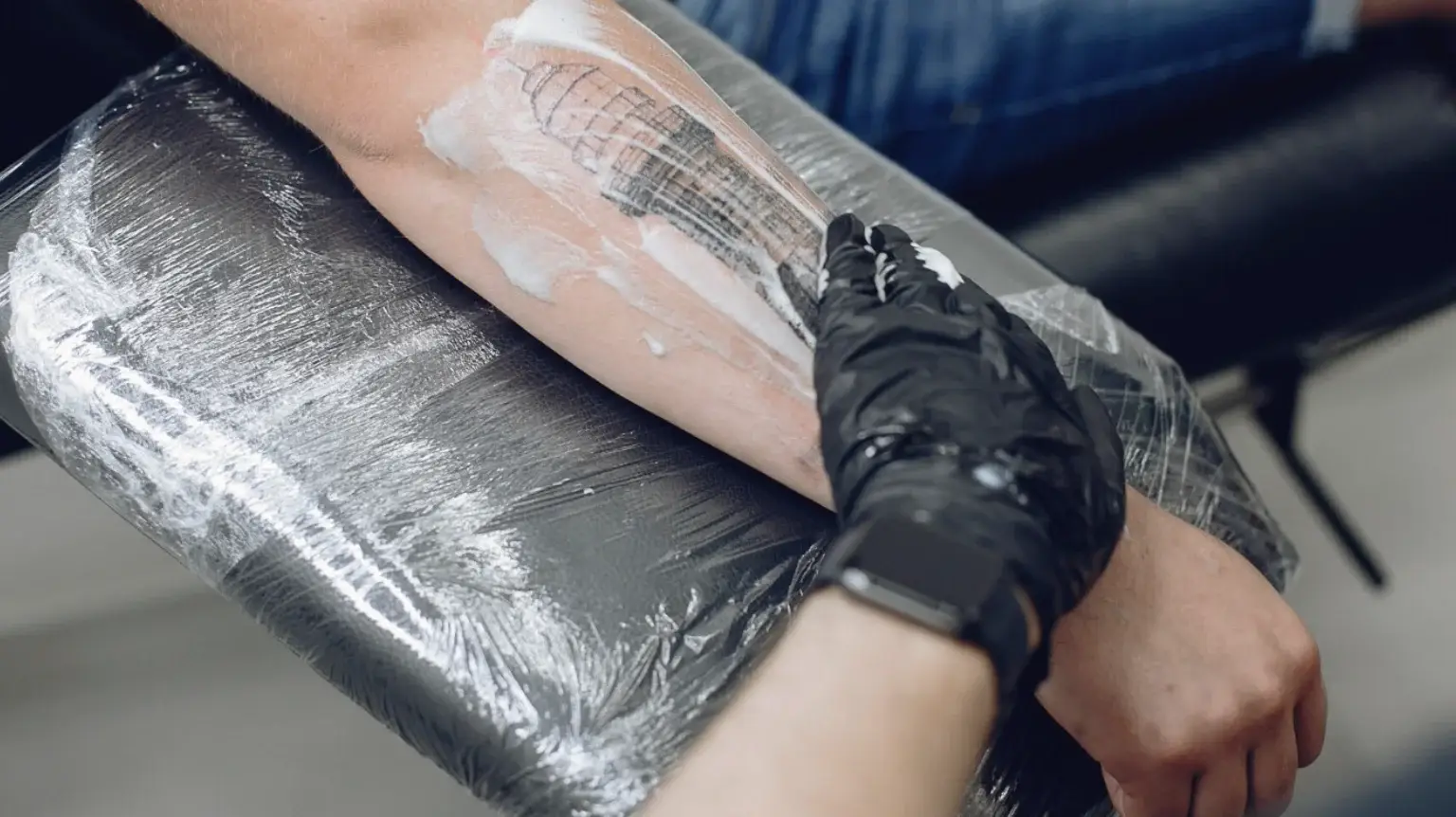
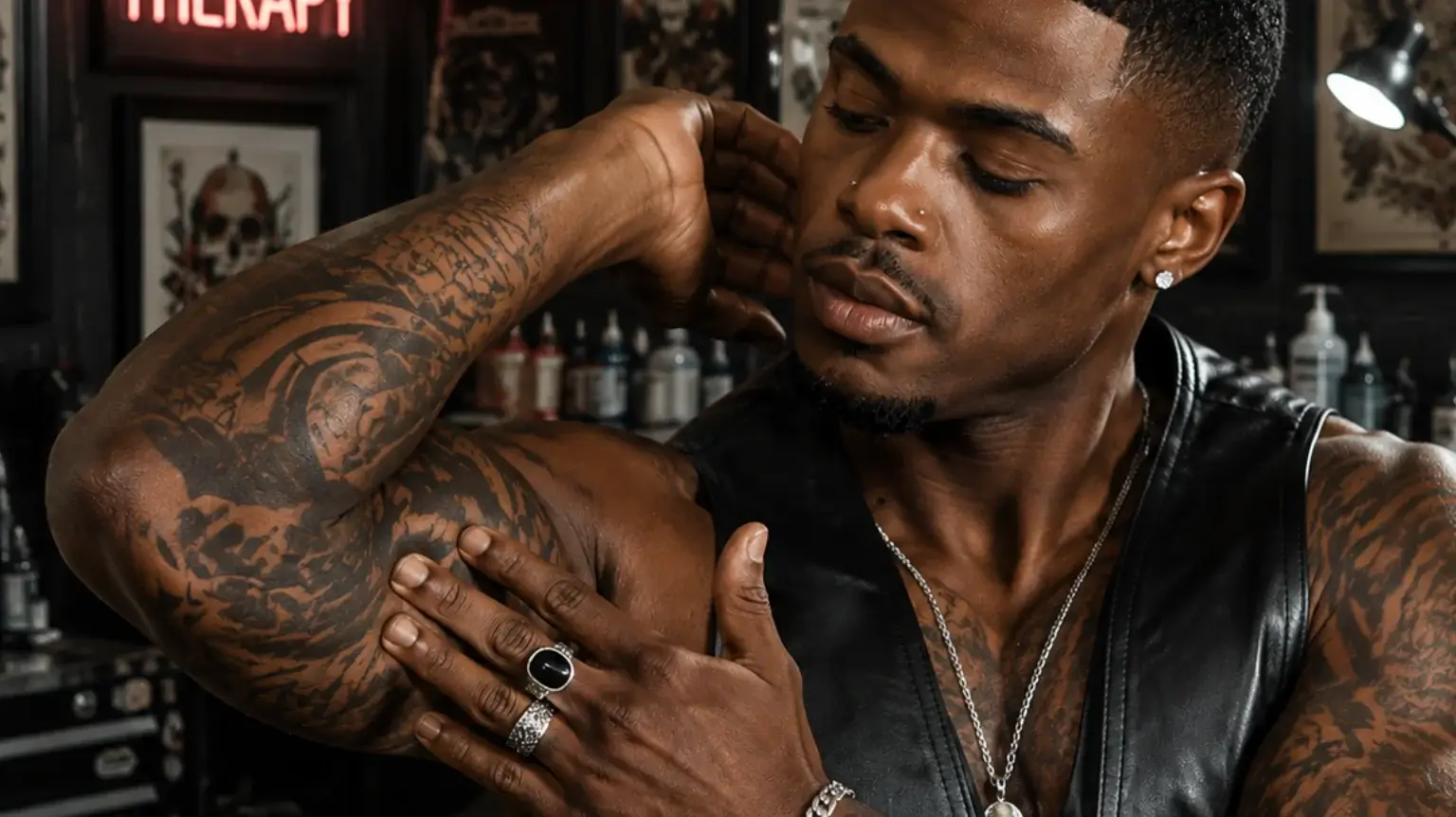
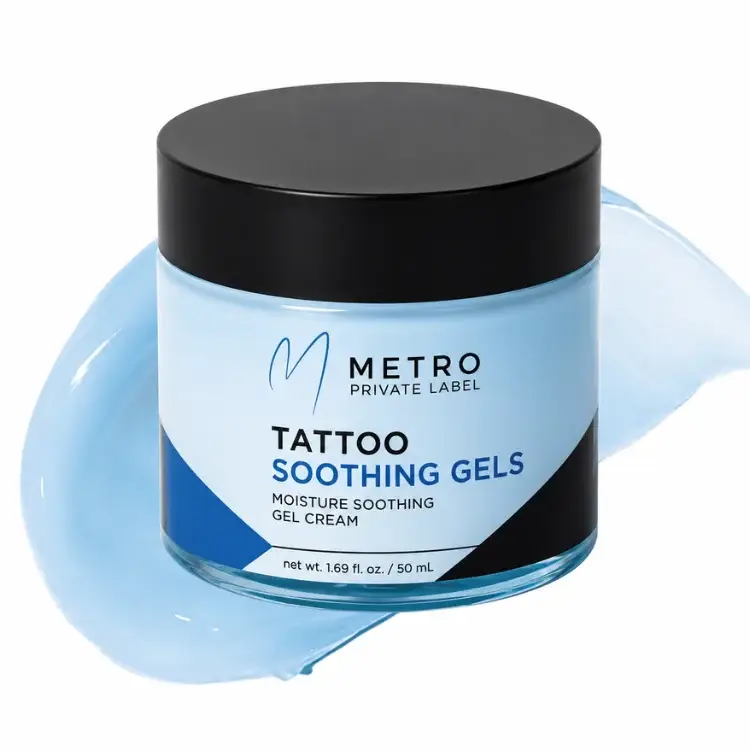
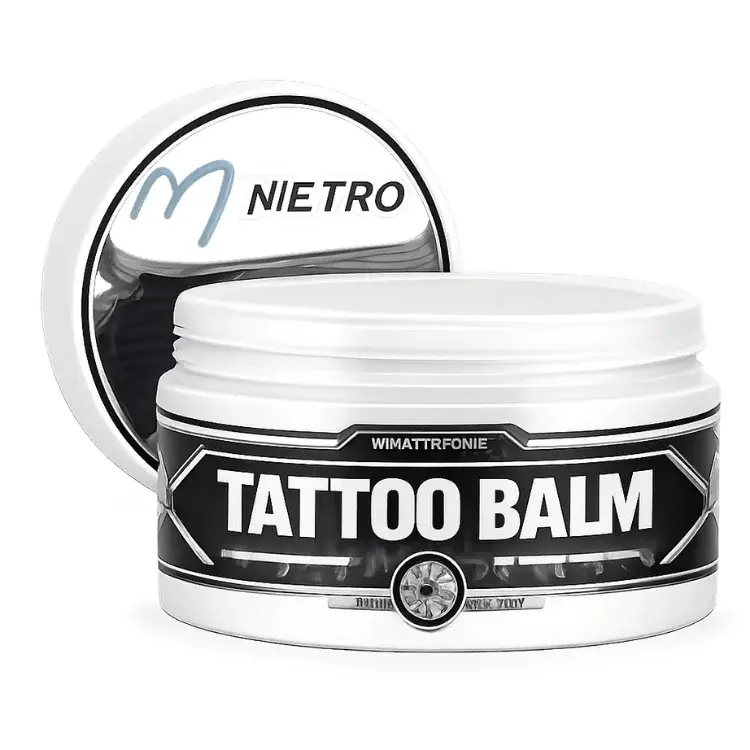
Your Trusted Tattoo Aftercare Products Manufacturer
We help skincare brands develop market-ready products with reliable formulations, professional packaging, and scalable manufacturing support—so you can launch confidently and grow your product line with a stable supply chain.

Private Label Tattoo Aftercare Products
At Metro Private Label, we see tattoo aftercare as more than skincare — it’s a skin recovery system that directly impacts healing results and customer trust. That’s why we develop tattoo aftercare products based on how real users behave after getting a tattoo: immediate protection, gentle cleansing, controlled healing, and long-term skin maintenance. In this category, performance and safety matter more than anything else, especially for brands selling into Amazon, Shopify, tattoo studios, and professional beauty channels.
From what we see in the market, successful tattoo aftercare lines are not built around “trendy formulations”, but around clear usage stages. The strongest demand today comes from four core product types: Tattoo Aftercare Ointments & Balms for protective healing, Tattoo Aftercare Lotions for daily hydration, Tattoo Cleansing Washes for gentle cleaning during the healing phase, and Tattoo Soothing Gels for calming sensitive or irritated skin. These four categories reflect exactly how customers search, buy, and repeat-purchase tattoo aftercare products on Google and e-commerce platforms.
What we help brands build is not just a single product, but a complete tattoo aftercare system that can stand in real commercial channels. This includes guiding texture selection (balm, lotion, gel, wash), optimizing formula positioning for sensitive and healing skin, supporting packaging choices suitable for retail and e-commerce logistics, and providing full compliance documentation for US and EU markets. The goal is simple: help you launch a tattoo aftercare line that is clear in positioning, stable in performance, and ready to compete in a real market driven by trust, not claims.

Tattoo Aftercare Ointments & Balms
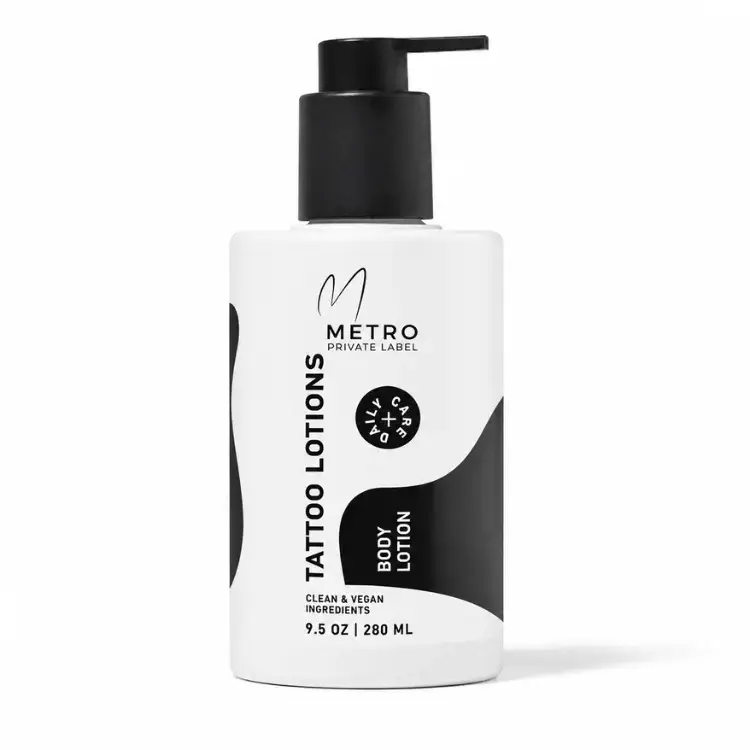
Tattoo Aftercare Lotions
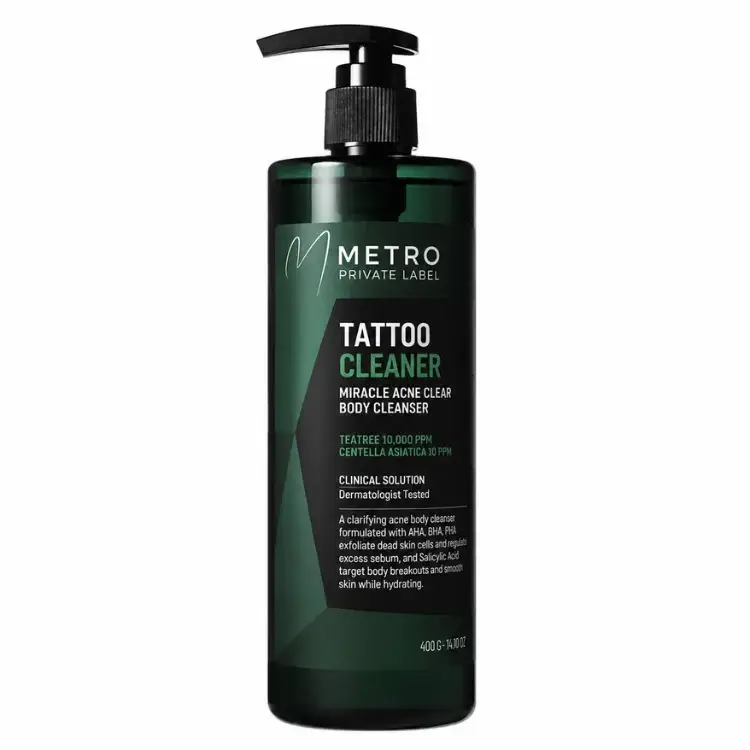
Tattoo Aftercare Cleansing Soaps & Washes
Tattoo Soothing Gels & Repair Treatments
Build a Private Label Tattoo Aftercare Products Line That Fits Today’s Market
If you’re looking for a private label Tattoo Aftercare Products manufacturer, you’re usually not just exploring ideas — you’re planning to launch or expand a product that already has a clear sales channel in mind, whether that’s Amazon, Shopify, TikTok Shop, or tattoo studio distribution. In this category, success is not about “interesting skincare,” it’s about safe, trusted, and easy-to-understand products that match how people actually care for a fresh tattoo.
From what we’ve seen working with tattoo brands, e-commerce sellers, clinics, and distributors, the strongest-performing tattoo aftercare products are built around a simple reality: customers are not buying ingredients — they are buying comfort during healing and confidence in skin safety. That’s why successful brands focus on clear-use products that guide users through the full tattoo recovery journey, from immediate post-ink protection to daily maintenance as the skin heals.
That’s also how we approach development. Instead of just producing a formula, we help you define the right product direction, texture, positioning, packaging style, and compliance requirements — so your tattoo aftercare line is not only manufacturable, but also easy to understand, easy to trust, and easy to sell in real markets.
Our 4 Core Private Label Tattoo Aftercare Product Concepts
Tattoo Aftercare Ointments & Balms: Designed for the earliest healing stage after tattooing, where skin needs strong moisture protection and a barrier-supporting layer. This is still the most widely recognized and highest-demand category in tattoo aftercare, driven by both professional tattoo artists and mass retail products like Aquaphor-style balms.
Tattoo Aftercare Lotions: Lightweight daily-use moisturizers designed for ongoing skin hydration once the initial healing phase has passed. This category works well for repeat purchase models and is commonly used in e-commerce and retail skincare-style branding.
Tattoo Cleansing Washes: Gentle cleansing products designed to remove impurities without irritating freshly tattooed skin. This is a critical step in the healing process, especially for customers who want a clean, safe routine recommended by tattoo studios or professionals.
Tattoo Soothing Gels & Repair Treatments: Fast-absorbing, non-greasy formulations designed to calm discomfort, reduce tightness, and improve overall skin comfort during healing. This category is growing quickly in premium DTC tattoo brands looking for a more modern, lightweight aftercare positioning.
Manufacturing That Supports Real Brand Growth
We understand that choosing a manufacturer is not just about finding someone who can produce a product — it’s about finding a partner who understands how tattoo aftercare products actually succeed in the market. That includes formulation stability, packaging practicality, regulatory compliance, and most importantly, whether the product can perform in real e-commerce or retail environments.
Our minimum order quantity depends on your packaging and product structure. For standard packaging formats such as tubes, jars, or pump bottles, production typically starts from around 1,000 units per SKU, which is ideal for market testing or first-stage product launches. For fully customized packaging or premium decorative finishes, the MOQ may vary based on material, printing, and production complexity.
Before production begins, we work with you to refine the full development plan — from product positioning and texture selection to packaging compatibility and compliance documentation for US and EU markets. The goal is simple: help you launch a tattoo aftercare product line that is commercially realistic, operationally stable, and ready to compete in a market where trust and clarity matter more than anything else.

More Than Just a Private Label Tattoo Aftercare Products Manufacturer
At Metro Private Label, we don’t see ourselves as just a factory that produces Tattoo Aftercare Products. We see ourselves as a manufacturing partner for brands that are building real businesses—whether you’re launching on Amazon, scaling a Shopify or TikTok store, supplying tattoo studios, or developing a professional aftercare line for clinics. In this category, success doesn’t come from “having a formula.” It comes from understanding how tattoo aftercare products are actually used, trusted, and re-purchased in the real world.

Build Products That Match How Tattoo Aftercare Is Actually Used
From what we see in the market, tattoo aftercare products only succeed when they follow a very simple logic: what the skin needs during healing, and what the customer expects at each stage. That’s why we don’t focus on trends—we focus on real usage behavior.
We help brands build around four proven product directions: ointment & balm for immediate protection, lotion for daily hydration, cleansing wash for gentle cleaning, and soothing gel for comfort and irritation relief. These are not abstract product ideas—they match exactly how customers search on Google, buy on Amazon, and follow tattoo artists’ recommendations after getting inked.

Packaging That Supports Your Launch Strategy
We know packaging is not just about appearance—it directly affects cost, positioning, and how fast you can launch. That’s why we help you choose packaging based on your real business model, not just aesthetics. Whether it’s tubes, jars, pump bottles, or airless systems, we always align packaging with your target market: e-commerce, tattoo studios, or retail distribution.
For most standard packaging options, production can start from around 1,000 units per SKU, which gives you enough flexibility to test the market before scaling. For fully customized packaging, we adjust MOQ based on materials, decoration, and branding requirements, so you can balance speed-to-market with long-term brand building.
Build Products That People Actually Reorder
In tattoo aftercare, first purchase is easy—but repeat purchase is what builds a brand. Customers don’t stay because of claims or ingredients alone. They stay because the product feels right: it absorbs well, doesn’t irritate the skin, and fits naturally into their healing routine.
That’s why we focus on developing tattoo aftercare products that are stable, comfortable to use, and consistent from batch to batch. When the experience is predictable and trustworthy, customers don’t just finish the product—they come back for it.
One Partner from Idea to Scalable Production
Launching a tattoo aftercare line is more than manufacturing. You need product direction, formula selection, packaging decisions, compliance support, and production planning all working together.
We help you simplify that process by supporting every step in one place—from product concept and texture selection to labeling guidance and full-scale production. Instead of managing multiple suppliers and guessing technical details, you work with one team that understands both how products are made and how they actually sell in the market.
Build a Private Label Tattoo Aftercare Products Line That Fits How Customers Shop Today
At Metro Private Label, we don’t believe a successful tattoo aftercare product starts with a trendy ingredient or a “nice formula on paper.” It starts with understanding how people actually buy tattoo aftercare products today—especially on Amazon, Shopify, TikTok Shop, and in tattoo studios. In this category, customers are not exploring beauty products; they are looking for safe, simple, and trusted solutions that help their tattoo heal properly without complications.
Developed Around Real Market Demand
We help brands build tattoo aftercare collections based on real purchasing behavior, not short-term trends. In most cases, customers follow a very clear logic after getting a tattoo: they want something to protect the skin immediately, support healing, reduce discomfort, and maintain results during recovery.
That’s why we focus on four proven product directions that consistently perform in the market: Ointments & Balms for protective healing, Lotions for daily hydration, Cleansing Washes for gentle hygiene during the healing stage, and Soothing Gels for calming and comfort support.
These are the exact product types customers already understand and actively search for, which makes them easier to position, easier to sell, and easier to scale across different channels.
Packaging & MOQ That Match Your Launch Strategy
We always design production plans around your actual go-to-market strategy, not just manufacturing convenience. Packaging is a key part of positioning in tattoo aftercare—whether you are targeting tattoo studios, e-commerce buyers, or retail distributors.
For most standard packaging options such as tubes, jars, pump bottles, and airless systems, MOQ typically starts from around 1,000 units per SKU, which is ideal for first launch testing or new product validation. For fully customized packaging, labeling, or premium decoration, the MOQ will vary depending on materials and production complexity.
Before production begins, we help you evaluate the best balance between cost, brand positioning, and scalability, so your first launch is commercially realistic and can grow smoothly into larger volumes.
A Manufacturing Process You Can Actually Plan Around
We know that launching a tattoo aftercare product is not just about making samples—it’s about controlling the full timeline from idea to market. That’s why we keep every stage clear and structured: product concept selection, sample development, packaging confirmation, label and artwork alignment, production scheduling, and final shipment preparation.
Instead of guessing what happens next, you always know where the project stands and what decisions are needed. This reduces delays, avoids miscommunication, and gives you a predictable path to launch with confidence.
Supporting Long-Term Brand Growth
We don’t treat tattoo aftercare as a one-off SKU. In most successful cases, it becomes the entry point into a larger personal care or beauty system built around customer trust and repeat usage.
Once your first product is validated, we can help you expand into complementary categories such as daily moisturizers, advanced repair treatments, cleansing systems, or premium soothing formulas, allowing your brand to grow from a single product into a complete tattoo care line that supports long-term customer retention and higher lifetime value.
FAQs Tattoo Aftercare Products
For your convenience, we’ve gathered the most commonly asked questions about our Tattoo Aftercare Products . However, should you have any further queries, please don’t hesitate to reach out to us.
1. What types of Tattoo Aftercare Products can you manufacture?
We focus on the core product types that actually perform in the tattoo aftercare market. This includes ointment & balm for healing protection, cleansing wash for gentle cleaning, soothing gel for irritation relief, and lotion for daily skin maintenance after healing. We can support both entry-level private label SKUs and fully customized product development depending on your brand direction.
2. Can you help us customize the formula for our brand positioning?
Yes, and this is usually where most of our clients start. We adjust things like texture (balm, gel, lotion, wash), skin feel, absorption speed, fragrance level, and sensitivity profile. If your brand is targeting tattoo studios, Amazon, or premium DTC, we’ll help you shape a formula that matches how your customers actually use the product after tattooing.
3. What is your MOQ for Tattoo Aftercare Products?
Our standard MOQ starts from around 1,000 units per SKU for most packaging formats like tubes, jars, and pump bottles. This is designed for brands that want to test the market first before scaling. For fully customized packaging or premium decoration, MOQ may vary depending on materials and production complexity.
4. How long does the development and production process take?
On average, sample development takes around 2–4 weeks, depending on formulation complexity. After approval, mass production typically takes 4–6 weeks. If you are working on a launch deadline (for example Amazon seasonal launch or studio rollout), we always try to align the timeline with your go-to-market plan.
5. Are your tattoo aftercare formulas safe for sensitive skin?
Yes. Tattoo aftercare products are designed specifically for fresh and healing skin, so safety and mildness are our top priority. We avoid harsh irritants and focus on gentle, skin-friendly formulations that are suitable for sensitive skin during the healing process. We can also adjust formulas based on EU or US compliance requirements.
6. Can you help with packaging selection and sourcing?
Yes, packaging is part of the product strategy, not just appearance. We help you choose packaging based on your channel—whether that’s Amazon FBA, tattoo studio retail, or DTC branding. Options include tubes, jars, pump bottles, airless systems, and cleansing foam packaging. We also support label layout and production-ready artwork preparation.
7. Do you offer ready-made formulas and custom development?
We support both. If you want to launch quickly, we can provide proven ready-to-label tattoo aftercare formulas. If you want to build a differentiated brand, we also support full custom formulation development. Most clients start with ready formulas, then upgrade into custom versions after market validation.
8. What quality control and testing do you perform?
Every product goes through internal quality checks including stability testing, compatibility testing, and batch consistency evaluation. We also follow standard international cosmetic manufacturing practices (GMPC/ISO-aligned processes) to ensure product safety and export readiness for US and EU markets.
9. Can you support labeling, claims, and compliance requirements?
Yes, this is especially important for tattoo aftercare products sold on Amazon or in regulated markets. We help review INCI lists, label compliance, ingredient claims, and product positioning language to avoid issues like exaggerated medical claims while still keeping your marketing clear and effective.
10. Do you support international shipping and export documentation?
Yes, we work with brands across the US, EU, UK, Middle East, and Southeast Asia. We support export documentation, customs paperwork, and logistics coordination, so you don’t need to manage multiple suppliers or compliance steps yourself. Our goal is to make your first international shipment as smooth as your production process.
Working with Metro Private Label made our product launch much smoother than expected. We were able to move from concept to final tattoo aftercare samples quickly, and the team really understood what works for Amazon customers in this category. Communication was clear, and the packaging options helped us position our brand more professionally from day one.
1. Emily Carter, E-commerce Brand Ownerfrom United Kingdom
What stood out to us was how practical the recommendations were. Instead of overcomplicating the formula, Metro Private Label focused on what actually sells in the tattoo aftercare market. The balance between balm, wash, and soothing gel gave us a strong starting product line, and production timelines were exactly as discussed.
Jason Miller, Product Development Managerfrom United States
We appreciated that the team didn’t just act as a manufacturer, but as a real development partner. They helped us understand product positioning, especially for sensitive skin aftercare products. The samples were consistent, and the guidance on packaging helped us align better with the European market expectations.
Sophie Laurent, Beauty Brand Founderfrom France
From our first inquiry, everything felt structured and professional. Metro Private Label provided clear MOQ options and explained the full process without confusion. The tattoo aftercare products we developed together met our quality standards, and the stability between batches has been very reliable for scaling.
Michael Thompson, Supply Chain Managerfrom Germany
What we liked most was the speed and clarity of execution. We needed a small initial run to test the market, and Metro Private Label supported us with flexible MOQ and fast sampling. The final products looked premium and were easy to position for both online and retail channels.
Olivia Johnson, Independent Brand Ownerfrom Australia



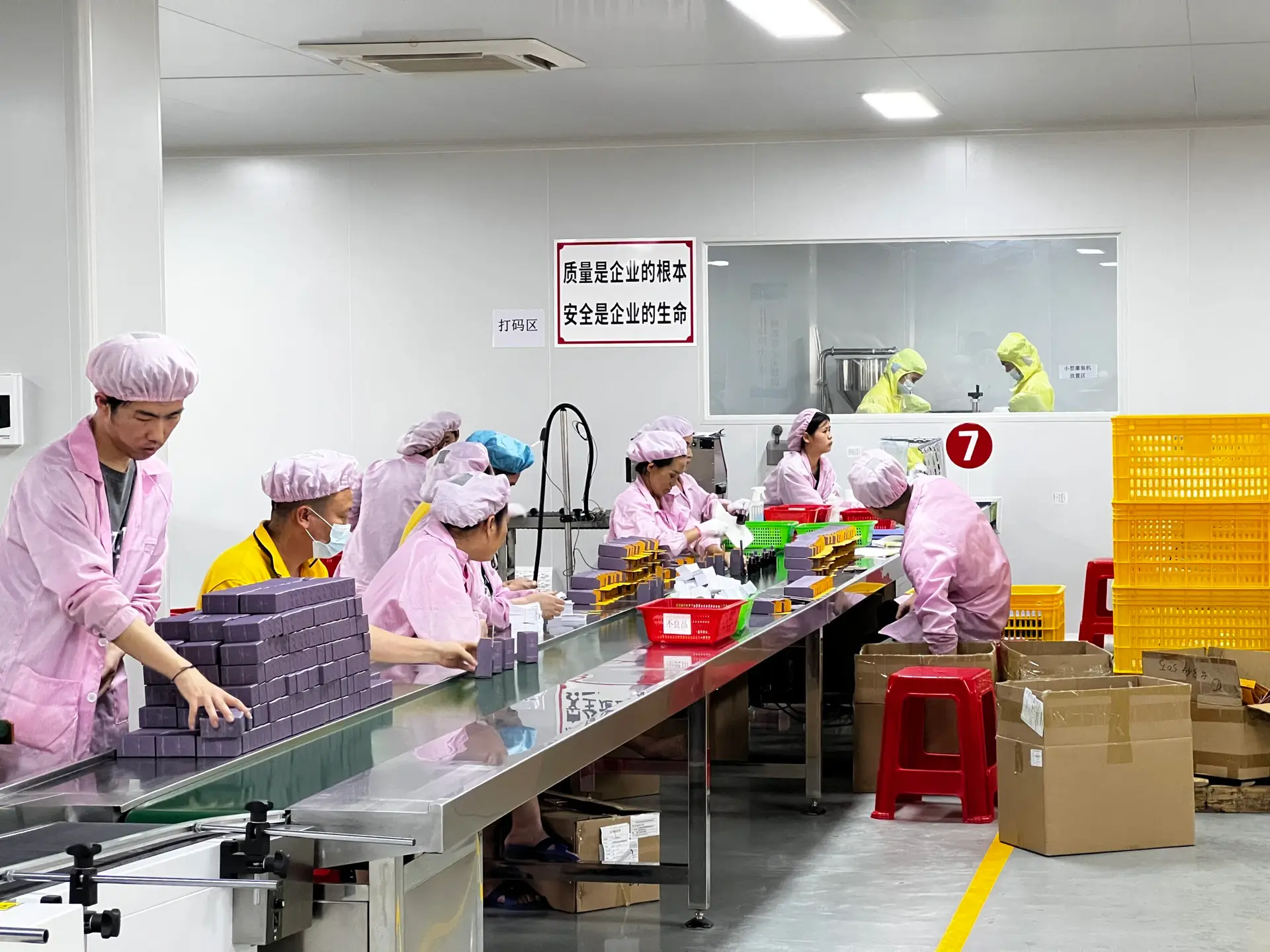



Metro Private Label in Numbers
Happy Clients
0 +
Million-dollar Buyers
0 +
Formulation
0 +
Professional Staffs
0 +
Your Ultimate Guide to Tattoo Aftercare Products
If you’re planning to launch a private label Tattoo Aftercare Products line—whether it’s your first entry SKU or an expansion of an existing skincare portfolio—you are not just choosing a product category. You are entering a highly usage-driven, trust-sensitive market where performance is judged immediately after application, and where customers expect clear, safe, and easy-to-understand solutions for freshly tattooed skin. Tattoo aftercare products have become a stable global demand category because they sit directly at the intersection of personal care, recovery behavior, and routine skincare habits. When developed correctly, they do not function as one-time impulse products—they become part of a structured healing system that encourages repeat usage, brand trust, and long-term customer retention.
Over the past few years, we have seen tattoo aftercare evolve from a narrow studio-recommended product type into a mainstream commercial category across Amazon, Shopify, tattoo studios, and professional distribution channels. At Metro Private Label, we have worked closely with brands at different stages of development, and what we consistently observe is that success is rarely defined by formula complexity alone. Instead, it comes from how well the entire product system is planned from the beginning. Decisions around product function clarity, packaging usability, compliance readiness, and launch structure often determine whether a brand achieves scalable growth or remains limited to a single SKU with short-term performance.
This guide is built from our real manufacturing experience developing tattoo aftercare products for studio owners, e-commerce sellers, and beauty distributors across global markets. Rather than focusing only on formulation concepts, we want to share how tattoo aftercare products actually perform in real commercial environments. From our perspective, the most successful launches are those that align product structure with real healing behavior, choose packaging that supports both studio and online usage, plan MOQ and production strategy based on market testing rather than assumptions, and prepare compliance documentation early to avoid scaling friction later. These practical decisions are what ultimately separate short-term product launches from long-term category-building brands.
Table of Contents
What Buyers Are Really Searching for in Tattoo Aftercare Products
When I look at how people search for tattoo aftercare products today, I consistently see one clear pattern: the intent is almost never informational. Buyers are not trying to understand skincare concepts or tattoo healing in theory. They are trying to find suppliers, manufacturers, and ready-to-launch solutions that help them bring a product to market quickly. This makes tattoo aftercare a highly commercial search category where every keyword reflects a real business decision rather than curiosity.
When I go deeper into search behavior, I notice that most buyers already have a clear objective before they even type into Google. They are either preparing to launch a product, expand an existing SKU line, or enter a new retail channel. That is why terms like “private label tattoo aftercare manufacturer” or “OEM tattoo balm supplier” always signal urgency. In this category, search is not discovery-driven; it is execution-driven.
Tattoo Studio Owners Are Searching for Trustworthy Client-Ready Solutions
When I analyze tattoo studio owners, I see a very operational and responsibility-driven mindset. They are not thinking about branding, marketing funnels, or ingredient trends. They are thinking about one thing: what can they confidently recommend to a client immediately after a tattoo session to ensure proper healing and reduce complications.
From my experience working with this type of buyer, their search behavior is shaped by real-world pressure. They need products that are safe for freshly tattooed skin, easy for clients to understand, and consistent enough that they can recommend them without hesitation. When they look for private label tattoo aftercare products, they are essentially trying to standardize their aftercare system so every client receives the same reliable healing experience, regardless of artist or procedure type.
E-commerce Sellers Are Searching for Scalable, Conversion-Ready Products
When I work with Amazon, Shopify, and TikTok Shop sellers, I immediately see a different mindset. They are not approaching tattoo aftercare as a medical or beauty concept. They are treating it as a scalable commercial product that must perform within a competitive marketplace environment where visibility, conversion, and inventory stability determine success.
In most cases, these sellers are evaluating suppliers based on whether the product can pass compliance checks, launch quickly, and maintain consistent stock levels. They are highly sensitive to timing because missing a demand window can directly impact ranking and revenue. When they search for tattoo aftercare manufacturers, what they are really asking is whether the supply chain can support fast execution without compromising compliance or operational reliability.
Beauty and Personal Care Distributors Are Searching for Stability and Reorder Security
When I observe distributors and wholesale buyers, I see a strong focus on operational stability rather than product innovation. They are not searching for the next trending formula. They are searching for SKUs that can be integrated into their existing distribution system with minimal disruption.
From my experience, their primary concern is not whether a product is unique, but whether it can be reordered consistently over time without changes in formula, packaging, or cost structure. Once a tattoo aftercare product is added into their portfolio, it must remain stable so they can scale across retail or regional channels without supply chain risk. That is why their search behavior is fundamentally centered on reliability and long-term availability.
Why Tattoo Aftercare Search Intent Is Inherently Commercial
Across all buyer groups I have worked with, I consistently see the same underlying reality: tattoo aftercare search behavior is driven by business execution, not exploration. Whether the buyer is a studio owner, an e-commerce operator, or a distributor, they are not trying to understand the category—they are trying to act on it.
In my experience, this is what makes tattoo aftercare such a strong private label category. The buyer already understands the end use case. They are not asking “does this market exist,” but rather “who can help me build and deliver this product successfully.” This is why manufacturers who position themselves as solution partners, rather than simple suppliers, tend to capture higher-quality and higher-intent inquiries in this space.
The 4 Product Types That Dominate Real Market Demand
When I analyze Google Shopping behavior, Amazon best-seller patterns, and real purchasing decisions from tattoo studios and e-commerce sellers, I consistently see that tattoo aftercare demand is not fragmented or random. It naturally converges into four core product types that reflect how tattoo healing actually happens in real life. These categories are not created by marketing teams; they are shaped by user behavior during different stages of skin recovery.
What I find most important is that every successful tattoo aftercare brand I’ve studied is structured around the same four product directions. Whether the brand starts from Amazon, Shopify, or a professional tattoo studio network, the underlying demand logic remains consistent. This is because tattoo healing follows a predictable physical and behavioral process, and customers unconsciously purchase products that match each stage of that process.
Ointments & Balms as the Healing Protection Stage
In the earliest phase of tattoo healing, I consistently see ointments and balms dominating both search demand and retail performance. This stage is driven by urgency and sensitivity. Buyers are not thinking about branding or aesthetics. They are focused on protecting freshly tattooed skin, preventing excessive dryness, and ensuring the surface remains stable during the initial healing window.
From my experience observing this category across different markets, ointments and balms perform well because they reduce uncertainty. Customers trust them as a “first response” solution after tattooing. This is also why products like Aquaphor-style ointments and tattoo balms are frequently recommended by tattoo artists and appear consistently in top-selling listings. The demand here is fundamentally driven by protection, safety, and immediate skin comfort.
Cleansing Washes as the Hygiene and Infection Control Stage
As I move further into the tattoo healing process, I see cleansing washes playing a critical but often underestimated role. At this stage, the skin is transitioning from initial damage to early recovery, and maintaining hygiene becomes essential. Buyers are no longer focused only on protection. They are actively trying to manage cleanliness without disturbing the healing skin barrier.
From what I observe in both e-commerce data and professional studio practices, cleansing washes are often positioned as essential support products rather than hero SKUs. However, their functional importance is extremely high because improper cleansing can directly affect healing outcomes. This is why successful tattoo aftercare systems always include a gentle wash component, even if it is not always the most visible product in marketing.
Soothing Gels as the Comfort and Irritation Control Stage
When I analyze mid-stage healing behavior, soothing gels become significantly more relevant. This is the phase where the skin is no longer freshly injured, but still sensitive, often experiencing tightness, itching, or discomfort. Buyers at this stage are searching for fast relief and lightweight textures that do not interfere with daily movement or clothing contact.
In my experience, this is also where brands begin to differentiate more clearly in the market. Unlike balms, which are highly standardized, soothing gels allow more room for innovation in texture, absorption speed, and sensory experience. I often see modern DTC tattoo brands using this category to introduce a more premium identity, especially when targeting younger consumers who value comfort and usability as much as functional results.
Daily Lotions as the Post-Healing Maintenance Stage
In the final stage of the tattoo care journey, I consistently see daily lotions emerging as a long-term retention driver. At this point, the skin has already healed, and the focus shifts from recovery to maintenance. Buyers are no longer concerned about injury care. Instead, they are focused on preserving tattoo clarity, skin hydration, and overall appearance over time.
From my perspective, this category behaves more like traditional body care than medical aftercare, which makes it highly suitable for repeat purchase cycles. It also plays a strategic role in brand expansion because it allows companies to extend customer relationships beyond the healing phase. Many strong tattoo aftercare brands use this category as a bridge into broader skincare or body care ecosystems.
Why These Four Categories Define the Entire Market Structure
When I step back and look at the tattoo aftercare category as a whole, I don’t see isolated product opportunities. I see a complete behavioral system that mirrors how skin actually heals over time. Ointments and balms dominate the immediate protection stage, cleansing washes support hygiene and recovery stability, soothing gels address mid-stage discomfort, and lotions extend the lifecycle into long-term maintenance.
What makes this structure so powerful, in my view, is that it aligns perfectly with natural user behavior rather than marketing assumptions. This is why I consistently see these four categories dominating Google Shopping, Amazon rankings, and tattoo studio recommendations. Brands that align with this structure are not just entering a product category—they are aligning themselves with how customers instinctively think, feel, and purchase throughout the entire tattoo healing journey.
How Tattoo Studio Owners Choose Aftercare Products
When I analyze how tattoo studio owners make purchasing decisions, I consistently see a very different logic compared to e-commerce sellers or brand founders. Their choices are not driven by marketing claims or ingredient trends. Instead, they are shaped by real operational pressure inside the studio, where every recommendation directly affects client satisfaction, healing outcomes, and the studio’s long-term reputation.
What I find most important is that tattoo studios are not buying products to build a brand narrative. They are selecting tools that help them manage post-tattoo recovery in the most predictable and low-risk way possible. This makes their decision-making process extremely practical, outcome-driven, and focused on minimizing uncertainty at every step of the client experience.
Reducing Client Complaints Is the First Decision Filter
When I look at how studio owners evaluate aftercare products, the first question they ask is always related to client complaints. They are constantly thinking about what could go wrong after a client leaves the studio, whether it is irritation, excessive dryness, slow healing, or misunderstanding of aftercare instructions. In their world, even a small percentage of negative outcomes can affect reputation and repeat business.
From my experience, this is why tattoo studios strongly prefer products that behave consistently across different skin types. They are not looking for products that perform exceptionally in one specific scenario. They are looking for products that perform reliably in almost every scenario, because consistency is what protects their workflow and reduces post-session uncertainty.
Safety for Fresh Skin Defines Every Product Decision
In my observation, safety is not just one factor for tattoo studios—it is the core requirement that eliminates most product options immediately. Because tattoo aftercare products are applied directly onto freshly tattooed skin, there is no room for irritation risk, unstable formulas, or overly complex ingredient systems that might trigger unpredictable reactions.
What I consistently see is that studio owners prefer formulations that are gentle, neutral, and stable rather than aggressive or highly active. Their priority is to support the skin barrier without introducing additional stress to already sensitive skin. This is why many studios avoid overly marketed skincare-style products and instead choose formulations that are simple, proven, and easy to trust in real client situations.
Confidence in Recommendation Shapes Daily Studio Operations
When I analyze the daily workflow of tattoo studios, I notice that confidence in product recommendation plays a major role in their purchasing decisions. Every tattoo artist needs to be able to explain aftercare in a few seconds immediately after completing a session, often when clients are still in a sensitive or emotional state.
From my experience, studio owners value products that are easy to communicate and easy for clients to understand. If the usage instructions are simple and the expected results are predictable, they can recommend the product without hesitation. This reduces friction during client communication and ensures that aftercare becomes a natural extension of the tattoo service rather than a complicated add-on.
Why Tattoo Studios Prefer Neutral and Predictable Formulations
When I step back and evaluate the overall pattern, I consistently see that tattoo studios prioritize neutral, gentle, and predictable formulations over heavily branded or ingredient-driven products. Their focus is not on how impressive a formula sounds, but on how reliably it performs across hundreds of real clients.
What I’ve learned is that studios are not trying to differentiate through product innovation. They are trying to standardize their aftercare process so every client receives the same level of care and healing experience. This is why simple, stable formulations often outperform more complex “active ingredient” products in this channel, even when those products appear more advanced on paper.
How E-commerce Sellers Turn Tattoo Aftercare Into a Sales Model
When I analyze how Amazon, Shopify, and TikTok Shop sellers enter the tattoo aftercare category, I consistently see a very clear commercial logic behind their decisions. They are not approaching it as a beauty trend or a creative skincare opportunity. Instead, they see it as a structured product category with predictable demand, simple customer needs, and strong conversion potential when executed correctly. This is what makes tattoo aftercare fundamentally different from many other skincare niches in e-commerce.
What I find most important is that e-commerce sellers are not guessing whether the market exists. They already know it does. Their focus is on how to structure products in a way that aligns with platform algorithms, consumer search behavior, and fast decision-making. In this context, tattoo aftercare becomes less about formulation creativity and more about building a reliable sales system around a clear consumer need.
Why Tattoo Aftercare Naturally Fits E-commerce Growth Models
When I break down why tattoo aftercare works so well for e-commerce sellers, I see three structural advantages that consistently drive performance. The first is that the problem is extremely clear, because customers immediately understand they need care for freshly tattooed skin. The second is that the usage timing is highly defined, which means customers often search and purchase at a very specific emotional and physical moment. The third is that there is strong repeat usage potential when the product is positioned across different healing stages.
From my experience, this combination creates a rare advantage in e-commerce: high intent with low explanation cost. Customers do not need to be convinced why they need the product. They only need to decide which version to buy. This significantly reduces friction in the conversion process and allows sellers to focus more on optimization rather than education.
Why Clear Product Positioning Is the Foundation of Sales Performance
When I observe successful tattoo aftercare listings on Amazon or Shopify, I notice that their performance is not driven primarily by branding or storytelling. Instead, it is driven by how clearly the product defines its role in the customer journey. Whether it is an ointment for immediate protection, a gel for soothing comfort, or a lotion for post-healing maintenance, each product must have a clearly defined purpose.
In my experience, many new sellers underestimate how important clarity is in this category. If a product tries to do too much or communicates its purpose vaguely, it struggles to convert even when demand is present. Customers in this category make fast decisions, so they rely heavily on simple, direct positioning that matches their immediate need during the tattoo healing process.
Why Compliance-Safe Claims and Supply Chain Stability Matter More Than Branding
When I look deeper into what actually determines success for e-commerce sellers, I consistently see that compliance and supply chain stability matter far more than branding creativity. Platform rules, especially on Amazon, limit how skincare-related products can be described. This means sellers must carefully structure their claims to remain compliant while still being persuasive.
At the same time, I often see that supply chain stability is the hidden factor that determines long-term success. Even strong products lose momentum if they go out of stock or if production timelines become inconsistent. In my experience, many sellers underestimate how quickly ranking and visibility can drop when inventory is not stable. This is why successful brands treat manufacturing reliability as part of their marketing strategy, not just an operational detail.
How E-commerce Sellers Build Scalable Tattoo Aftercare Product Lines
When I analyze long-term winners in this category, I consistently see that they do not rely on a single product. Instead, they build structured product systems that follow the natural tattoo healing journey. They typically start with one core SKU, validate demand in the market, and then expand into adjacent products that support different stages of aftercare.
From my perspective, what makes these businesses scalable is not complexity, but disciplined simplicity. They focus on maintaining clear positioning, stable supply chains, and compliant messaging while gradually expanding their product ecosystem. Over time, this allows them to move from a single listing strategy to a full category ownership approach. In this category, I have found that execution consistency is far more important than creative differentiation, and that is what ultimately defines long-term success in e-commerce channels.
Why Most Tattoo Aftercare Brands Fail After First Launch
When I analyze tattoo aftercare brands that fail shortly after launch, I rarely see a demand problem at the core. Tattoo aftercare is a structurally strong category with consistent global demand, driven by the natural growth of tattoo culture and the universal need for post-tattoo skin recovery. What I consistently observe instead is an execution problem. Brands enter the market with interest and ambition, but they underestimate how precisely this category depends on clarity, usability, and commercial structure rather than branding creativity.
What stands out to me most is that tattoo aftercare is not a category where visibility alone guarantees success. Even when traffic is strong and initial sales look promising, many brands fail to convert that momentum into sustainable growth. In my experience, this happens because the product is not aligned with how customers actually think, feel, and behave during the tattoo healing journey. Without that alignment, early performance quickly collapses after launch.
Unclear Product Use Stage Leads to Customer Confusion
When I review failed tattoo aftercare products, one of the first issues I consistently identify is a lack of clarity around product usage stage. Many brands fail to define whether their product is meant for immediate post-tattoo protection, mid-healing comfort, or long-term maintenance. This creates confusion in the buyer’s mind at the exact moment when clarity is most important.
From my perspective, this confusion directly affects conversion behavior. Customers in this category make fast, emotionally driven decisions because they are often purchasing shortly after getting a tattoo. If they cannot immediately understand when and how to use the product, they hesitate or revert to familiar alternatives. I have seen repeatedly that even strong formulations fail to perform when the usage context is not clearly communicated.
Confusing Ingredient Storytelling Weakens Market Positioning
Another pattern I frequently observe is an over-reliance on ingredient storytelling without connecting it to real-world usage value. Brands often attempt to differentiate themselves by emphasizing complex formulations or highlighting specific active ingredients, assuming that this will increase perceived value. However, in practice, I find that this approach rarely aligns with how tattoo aftercare customers make purchasing decisions.
In most cases, buyers are not evaluating chemical composition or cosmetic complexity. They are evaluating whether the product will reduce discomfort, support healing, and feel safe on sensitive, freshly tattooed skin. When ingredient messaging becomes too technical or disconnected from usage outcomes, it weakens clarity rather than strengthening it. This disconnect is one of the most common reasons I see brands struggle to build trust after launch.
Lack of Differentiation From Pharmacy-Style Products Reduces Brand Value
When I analyze market positioning, I consistently notice that many tattoo aftercare brands fail to clearly differentiate themselves from established pharmacy-style products such as Aquaphor-type ointments. These legacy products already dominate early-stage consumer trust because they are familiar, widely available, and perceived as safe for basic healing use.
The challenge I see is that new brands often enter the market without clearly defining why they exist beyond these existing solutions. If the positioning feels similar, customers naturally default to what they already know. In my experience, this creates a significant barrier to long-term brand establishment, because without a distinct functional or experiential difference, new products struggle to justify repeat purchase or brand switching.
No Repeat Purchase Strategy Prevents Long-Term Growth
From what I have observed, one of the most critical reasons tattoo aftercare brands fail to scale is the absence of a repeat purchase strategy. Many brands successfully generate initial interest and even achieve strong first-month sales, but they do not design the product ecosystem to support continued use beyond the initial healing phase.
In this category, I see clear potential for lifecycle-based consumption, where customers move from initial protection to soothing care and eventually to long-term maintenance. However, when brands only focus on a single SKU without building this progression into their strategy, the product becomes a one-time purchase item. Without a structured path for re-engagement, even successful launches fail to convert into sustainable revenue streams.
Why Execution, Not Demand, Determines Success in This Category
When I step back and evaluate the broader pattern, I consistently conclude that tattoo aftercare is not a demand-limited category. The demand is already structurally strong and globally stable. The real determining factor is execution quality—how well a brand translates that demand into clear positioning, intuitive product structure, and repeatable commercial behavior.
From my perspective, the brands that fail are not failing because the market is weak. They are failing because they cannot bridge the gap between product creation and customer behavior. In contrast, the brands that succeed are those that simplify decision-making, clarify usage stages, and build a structure that aligns naturally with how customers experience tattoo healing in real life.
Real Case Study: From 0 to First Tattoo Aftercare Brand Launch
When I reflect on real product development journeys in the tattoo aftercare space, I often find that the most valuable insights do not come from large-scale brands, but from first-time founders who are transitioning directly from industry experience into product ownership. This particular case stands out because it represents a very typical but important “0 to 1” journey—where strong market intuition exists, but product development and commercial execution still need to be built from the ground up.
What I find most meaningful about this type of project is that it reveals how tattoo aftercare brands are actually formed in real life. They rarely start with perfect strategies or fully structured business plans. Instead, they start with a practical problem inside a tattoo studio environment, where the goal is not branding, but improving client experience after a tattoo session. This case shows how that initial intention evolves into a structured product system that can eventually scale beyond the studio itself.
Situation: Strong Customer Insight but No Commercial Product Structure
When I first engaged with this client, they were operating a tattoo studio in the UK with a stable in-store customer base and strong daily interaction with tattoo clients. However, they had no experience in e-commerce, no product development background, and no understanding of packaging or regulatory compliance. What they did have was direct access to real user behavior, which gave them a very accurate understanding of what clients needed during the tattoo healing process.
From my perspective, the key challenge was not demand or market opportunity. The real gap was the absence of a structured product system that could translate their studio experience into a manufacturable and scalable tattoo aftercare line. Initially, they were thinking in terms of creating a single premium product, but they had not yet considered how different stages of tattoo healing require different functional solutions. This created a natural disconnect between intention and execution.
What I Did: Translating Studio Knowledge Into a 3-SKU Product System
When I worked on this project, my approach was to simplify complexity rather than increase it. Instead of focusing on a single “hero formula,” I helped them restructure their idea into a complete but minimal product system that aligned with real tattoo healing behavior. The goal was to create clarity for both the studio team and the end customer, ensuring that each product had a specific role in the aftercare process.
What we developed was a three-SKU system that mirrored the actual user journey after tattooing. The Tattoo Balm was positioned for immediate post-session protection when the skin is most sensitive. The Cleansing Wash was designed for gentle hygiene support during the early healing phase. The Soothing Gel was created to address discomfort, tightness, and irritation during mid-stage recovery. From my experience, what made this system effective was not its complexity, but its clarity of function and ease of explanation.
Key Challenge: Misalignment Between “Premium Formula Thinking” and Real User Behavior
One of the most important challenges I observed during this project was the client’s initial belief that a more complex or premium formulation would automatically lead to stronger brand value. This is a very common assumption among first-time founders coming from service-based backgrounds like tattoo studios. They often associate product value with formulation sophistication rather than user experience simplicity.
However, when I analyzed how tattoo clients actually behave after a session, it became clear that their decision-making context is very different. They are not in a position to evaluate ingredient complexity or technical differentiation. Instead, they need immediate clarity, safety reassurance, and simple instructions they can understand within seconds. This insight became the turning point in the project, shifting the focus from “premium complexity” to “functional clarity and usability.”
Result: From Studio Usage to Market Validation and Expansion
After finalizing the 3-SKU system, the client launched the first production batch with approximately 1,000 units per SKU. Rather than immediately entering the e-commerce market, they initially used the products inside their tattoo studio. This allowed them to observe real-time customer reactions and validate whether the products actually fit natural post-tattoo behavior without external marketing pressure.
What I found particularly valuable in this stage was that adoption happened organically. Clients trusted the recommendation because it came directly from the studio, and usage patterns quickly confirmed that the products matched real healing needs. As repeat demand started to emerge within the studio environment, the brand gained confidence to expand into online channels. At that point, the product line was no longer just a concept—it had been validated through real usage behavior and could support structured growth.
From my experience, this represents a very typical and realistic “0 to 1” pathway in the tattoo aftercare industry. It rarely begins with perfect branding or advanced formulation strategies. Instead, it begins with a simple insight from real customer interaction, followed by structured product translation, controlled testing, and gradual expansion based on actual demand signals rather than assumptions.
MOQ, Testing Strategy, and Why Small Batch Launch Works Best
When I work with new tattoo aftercare brands, I consistently see that the most successful launches are not defined by scale, but by control. In this category, early-stage performance is far more about learning than expansion. Brands that treat their first production run as a testing phase tend to build stronger long-term businesses because they base decisions on real customer behavior rather than assumptions made during development.
What I find most important is that tattoo aftercare is a usage-driven category, which means customer response is shaped by real-world application rather than theoretical positioning. A product may look perfect during development, but once it enters tattoo studios or e-commerce channels, feedback becomes immediate and very direct. This is why I always view the initial MOQ strategy as a structured learning tool rather than just a production decision.
Why Most Successful Brands Start with Controlled Production Volumes
From my experience, the most effective way to enter the tattoo aftercare market is through controlled production volumes, typically in the range of 1,000 to 2,000 units per SKU. This level of output is intentional because it creates enough market exposure to validate demand while still maintaining financial and operational flexibility if adjustments are needed.
When I analyze brands that scale successfully, I notice they rarely start with large SKU portfolios. Instead, they focus on launching two or three core products that reflect the essential tattoo healing journey. This usually includes a protective product for immediate post-tattoo care, a cleansing or soothing product for mid-stage healing, and a daily maintenance product for long-term care. By limiting complexity at the start, brands are able to clearly identify which products resonate most strongly with customers and which positioning needs refinement.
How Small Batch Launch Improves Market Learning and Reduces Risk
In my view, small batch production is not simply a risk reduction strategy—it is a direct method for improving decision quality. When a brand launches with limited volume, every sale, review, and customer interaction becomes a meaningful data point that can guide future direction. This creates a feedback loop that is impossible to replicate in large-scale launches where adjustments are costly and slow.
What I consistently observe is that early-stage feedback often reveals gaps between intended positioning and actual customer perception. A product that was designed as a “premium repair solution,” for example, may perform better when customers perceive it as a “simple daily soothing product.” Without small batch testing, these insights are often discovered too late, after significant inventory and marketing investment has already been committed. This is why I see controlled MOQ as a critical strategic advantage rather than a limitation.
Real-World Testing Through Tattoo Studios and E-Commerce Channels
When I evaluate the most effective testing strategies in this industry, I always look at how brands use real-world environments to validate their products. Tattoo studios provide highly controlled and trust-based feedback because products are used immediately after tattoo sessions under professional guidance. This environment allows brands to assess usability, safety perception, and customer satisfaction in a very direct way.
At the same time, e-commerce channels such as Amazon or Shopify provide a completely different layer of insight. In my experience, online testing reveals how products perform in competitive environments where factors like listing clarity, conversion rate, and repeat purchase behavior become critical. When brands combine both studio testing and online testing during early stages, they gain a much more complete understanding of product-market fit before scaling production.
Why Small Batch Strategy Builds Stronger Long-Term Brands
When I step back and analyze long-term success patterns in the tattoo aftercare category, I consistently see that the strongest brands are not those that scale fastest, but those that learn fastest. Small batch launches force brands to focus on clarity, customer feedback, and real usage behavior rather than assumptions or internal expectations.
From my perspective, starting with controlled MOQ and limited SKUs creates a foundation for more informed scaling decisions. It allows brands to evolve based on real demand signals instead of projections, which significantly reduces the risk of misalignment between product development and market needs. In this category, I believe small batch strategy is not just an operational choice—it is a fundamental approach to building sustainable and scalable tattoo aftercare brands.
Packaging Strategy That Directly Affects Conversion
When I analyze tattoo aftercare brands across Amazon, Shopify, and tattoo studio channels, I consistently see that packaging is not a secondary design decision. It is a direct conversion driver that influences whether a customer trusts the product enough to complete the purchase. In this category, buyers are often making decisions in a sensitive context—shortly after getting a tattoo—so their perception of safety, hygiene, and professionalism is shaped within seconds.
What I find most important is that packaging in tattoo aftercare functions as a trust signal before any ingredient or marketing claim is evaluated. Customers are not only asking whether the product works, but whether it feels appropriate for fresh skin application. In my experience, this means packaging directly affects hesitation levels at the point of purchase, which is why even small structural differences can significantly impact conversion rates.
Packaging in Tattoo Aftercare Is Functional Trust Building
From my perspective, packaging in this category is fundamentally about functional trust rather than visual branding. When customers see a product, they are unconsciously evaluating whether it aligns with a real tattoo healing environment. This includes considerations like hygiene, ease of use, controlled application, and whether the packaging feels professional enough for sensitive skin usage.
When I work with brands in this space, I consistently emphasize that packaging must reinforce the product’s role in the aftercare process. If it feels generic or unrelated to the use case, customers hesitate because they cannot clearly imagine how it will be used after a tattoo session. However, when packaging visually and functionally matches the usage scenario, it reduces uncertainty and improves purchase confidence almost immediately.
Tubes as the Standard Format for Tattoo Studio Usage
In my experience, tubes remain the most practical and widely accepted packaging format for tattoo studio environments. This is primarily because they allow fast, controlled, and hygienic application during real-time aftercare usage. Tattoo artists need packaging that can be used efficiently without interrupting workflow or increasing contamination risk.
What I consistently observe is that tubes communicate functionality and reliability more than luxury. They signal that the product is designed for direct skin application in a professional environment. This makes them particularly suitable for studio-based distribution, where products are recommended immediately after tattoo procedures and must be easy for both artists and clients to understand.
Pump Bottles for Retail and Distribution Channels
When I analyze retail and distributor channels, pump bottles consistently perform well because they align with consumer expectations of convenience and cleanliness. In retail environments, customers prefer packaging that feels controlled, easy to dispense, and suitable for repeated daily use. Pump systems naturally support this behavior by providing consistent dosage and minimizing product waste.
From my perspective, pump bottles also reduce friction in distribution because they are widely recognized and easy to position across pharmacy-style and skincare-style retail environments. Distributors tend to favor formats that require minimal explanation or re-education at the retail level, and pump bottles fit this requirement effectively.
Airless Systems for Premium Direct-to-Consumer Positioning
In premium tattoo aftercare positioning, I often see airless packaging used as a strategic tool rather than a purely functional choice. Airless systems communicate a sense of advanced protection, product integrity, and hygiene control, which aligns well with higher-end DTC branding strategies.
What I find particularly interesting is that airless packaging often elevates perceived value without requiring changes to formulation. Customers associate it with better preservation and more precise application, which strengthens trust in premium pricing. In my experience, this format is especially effective for brands trying to differentiate themselves from mass-market pharmacy-style alternatives and move into a more premium skincare identity.
Small Travel Sizes for Amazon Testing and Market Entry
When I evaluate early-stage Amazon and e-commerce launches, I consistently see small travel-size packaging playing a critical role in reducing customer hesitation. These formats lower the financial and psychological barrier to first purchase, which is particularly important in tattoo aftercare where users are often testing unfamiliar brands during a sensitive healing period.
From my perspective, travel sizes are more than just sampling tools. They function as market entry instruments that allow brands to validate demand quickly and gather real user feedback without committing to large inventory risk. This makes them a powerful strategy for testing positioning, conversion performance, and customer perception before scaling production.
Why Packaging Directly Reduces Purchase Hesitation
When I step back and look at the entire category, I consistently see that packaging is one of the strongest determinants of first-purchase conversion in tattoo aftercare. Customers are already aware of their need, but they are uncertain about trust, safety, and usability. Packaging becomes the bridge that resolves this uncertainty before any deeper evaluation happens.
What I have learned is that the most effective packaging strategies are those that align directly with real usage behavior and channel expectations. When packaging reflects the context of use—whether in a tattoo studio, retail shelf, or online listing—it significantly reduces hesitation and increases the likelihood of conversion. In this category, I consider packaging not as a visual enhancement, but as a core component of commercial performance.
Compliance Reality for US & EU Tattoo Aftercare Products
When I work with tattoo aftercare brands entering US and EU markets, I consistently see that compliance is one of the most underestimated parts of the entire product journey. Most founders focus heavily on formulation, packaging, and branding, but they often realize too late that regulatory structure directly determines whether a product can actually be sold, listed, or imported at scale. In my experience, tattoo aftercare sits in a regulatory “grey zone” between skincare cosmetics and functional-use products, which makes compliance understanding not optional, but foundational from day one.
What I find most important is that compliance is not just about avoiding legal issues. It directly shapes how a product is positioned, how it is marketed, and how easily it can scale across platforms like Amazon, Shopify, and retail distribution. Even a well-formulated product can fail commercially if it does not align with US and EU regulatory expectations in labeling, claims, and documentation.
Tattoo Aftercare Sits Between Skincare and Functional Cosmetic Use
When I analyze how tattoo aftercare is classified in real regulatory practice, I see that it does not sit neatly within traditional skincare categories. It exists between cosmetic skincare and functional-use support products, which creates a unique set of limitations and responsibilities for any brand entering this space.
From my perspective, this in-between positioning is what makes tattoo aftercare both attractive and challenging. On one hand, demand is strong because the use case is clear and universal. On the other hand, brands must carefully manage how they define product purpose, because regulators will evaluate it based on claims and intended use. I have seen many early-stage brands struggle simply because they assumed tattoo aftercare could be positioned like standard beauty skincare, without accounting for its functional sensitivity.
No Medical Claims Allowed in Product Positioning
When I work with brands targeting US and EU markets, one of the first compliance issues I address is language usage. In this category, wording is extremely important. Terms that imply medical outcomes, such as healing, curing, treating, or repairing skin damage, can quickly create regulatory risk even if the product itself is cosmetic in nature.
What I consistently observe is that many founders naturally use strong language because they want to communicate effectiveness. However, in regulated markets, effectiveness must be expressed through cosmetic-safe positioning rather than medical framing. From my experience, brands that ignore this distinction often encounter problems during marketplace approvals, advertising reviews, or import clearance processes, even if their product quality is strong.
INCI Labeling as a Core Requirement for Market Access
When I evaluate products intended for US and EU distribution, INCI labeling is always one of the first compliance elements I review. Ingredient transparency is not just a documentation requirement; it is a standardized expectation across cosmetic regulation systems. Without proper INCI formatting, a product is effectively incomplete in the eyes of regulators and distributors.
From my perspective, INCI compliance also plays a deeper commercial role. It signals professionalism to buyers, improves acceptance in retail and wholesale channels, and reduces friction during platform onboarding. I often see that brands that treat INCI labeling as part of their product development strategy, rather than a final technical step, are able to scale more smoothly across international markets with fewer delays.
Safety Positioning Matters More Than Strong Product Claims
When I analyze successful tattoo aftercare brands in regulated markets, I consistently see that safety positioning plays a more important role than aggressive marketing claims. Customers in this category are applying products to freshly tattooed skin, which naturally increases sensitivity and perceived risk. As a result, trust is built less through bold claims and more through perceived gentleness and reliability.
What I have learned is that brands that emphasize skin compatibility, mildness, and controlled formulation behavior tend to perform better in both regulatory environments and consumer trust metrics. In contrast, brands that rely heavily on performance-driven claims often face unnecessary scrutiny or reduced conversion due to perceived risk. In tattoo aftercare, safety communication is not just compliance-friendly—it is commercially essential.
Why Compliance Issues Often Appear at the Scaling Stage
From my experience, one of the most overlooked realities in this industry is that compliance issues rarely appear during initial product development. Many brands successfully launch small batches or early listings without encountering immediate problems. However, as soon as they attempt to scale across platforms, regions, or distribution channels, compliance gaps begin to surface.
What I often see is that these issues are not related to product quality, but to incomplete preparation in claims structure, labeling alignment, or documentation readiness. At small scale, these gaps are often invisible. At larger scale, they become blockers for approval, import, or advertising. This is why I always emphasize that compliance must be designed into the product from the beginning, not adjusted after growth begins.
Why Early Compliance Strategy Determines Global Expansion Success
When I step back and evaluate long-term winners in the tattoo aftercare category, I consistently see a clear pattern: successful brands integrate compliance thinking early in their development process. They do not treat it as a final step before launch. Instead, they build product positioning, labeling structure, and communication strategy in alignment with US and EU requirements from the start.
From my perspective, this is what separates scalable brands from stalled brands in this category. Compliance is not a limitation on creativity or growth. It is the framework that allows expansion into multiple markets without friction. In tattoo aftercare, the brands that understand this early are the ones that scale faster, more safely, and more sustainably across international channels.
How to Build a Scalable Tattoo Aftercare Product Line
When I analyze how successful tattoo aftercare brands grow over time, I consistently see that scalability is not achieved through a single winning product. Instead, it comes from building a structured product ecosystem that evolves naturally with customer behavior during the tattoo healing journey. In my experience, brands that think in systems rather than individual SKUs are the ones that eventually move from niche players to category leaders.
What I find most important is that scalability in this category is not about adding more products randomly or reacting to short-term trends. It is about expanding in a logical sequence that mirrors how customers actually experience tattoo healing in real life. When product development follows this behavioral structure, each new SKU strengthens the brand rather than fragmenting it.
Stage 1: Balm and Wash as the Entry System
When I observe how most successful tattoo aftercare brands begin, I consistently see that they start with a simple but complete entry system built around a balm and a cleansing wash. This first stage is critical because it addresses the two most immediate needs after a tattoo session, which are protecting freshly tattooed skin and maintaining gentle hygiene during the early healing phase.
From my perspective, this stage is not about product innovation or differentiation. It is about establishing trust and ensuring usability under real-world conditions. The balm provides immediate protective support when the skin is most vulnerable, while the wash helps maintain cleanliness without disrupting the healing process. Together, they form a foundational system that allows customers to experience the brand in a complete and intuitive way from the very beginning.
Stage 2: Adding Gel for Comfort Positioning
As I move further along the product lifecycle, I consistently see that the next logical expansion is the introduction of a soothing gel. This stage corresponds to the mid-healing phase, where the skin is no longer freshly wounded but still experiences sensitivity, tightness, or irritation. At this point, customer needs shift from protection to comfort and relief.
What I find particularly interesting is that this stage often marks the beginning of brand differentiation. Unlike balms and washes, gels allow for more flexibility in texture, absorption speed, and sensory experience. From my experience, this is where brands begin to evolve their identity from basic functional care into a more refined and experience-oriented positioning, especially in competitive e-commerce environments.
Stage 3: Introducing Lotion for Daily Maintenance
When brands reach a more mature stage, I consistently see daily lotion becoming a key addition to the product line. At this point, the customer journey has already moved beyond healing and entered long-term tattoo maintenance. The focus is no longer on recovery, but on preserving tattoo appearance, maintaining skin hydration, and supporting overall skin health.
From my perspective, this stage is strategically important because it extends the brand’s relevance beyond the healing cycle. Instead of ending the relationship after recovery, the brand becomes part of the customer’s daily skincare routine. This transition significantly increases repeat purchase potential and transforms the product from a one-time solution into an ongoing usage habit, which is essential for sustainable growth.
Stage 4: Expanding Into a Full Tattoo Care Ecosystem
When I analyze the most advanced tattoo aftercare brands, I notice a clear shift from individual product thinking to ecosystem building. At this stage, the brand is no longer defined by a single SKU or even a small set of products. Instead, it becomes a structured system that supports every phase of tattoo care, from immediate post-session protection to long-term maintenance.
What I consistently observe is that this ecosystem approach is what ultimately separates average brands from category leaders. Once a brand successfully connects balm, wash, gel, and lotion into a cohesive system, it occupies a much stronger position in the customer’s decision-making process. From my experience, this is the point where brands stop competing as individual products and begin operating as full-category solutions.
From Single SKU Thinking to Category Ownership
When I step back and evaluate the full growth pattern, I consistently see the same evolution path across successful tattoo aftercare brands. They do not remain fixed at the product level. Instead, they evolve through a structured progression that mirrors real consumer behavior and healing stages, moving from foundational products to a complete care system.
From my perspective, this is what defines long-term success in this category. Scalability is not created by adding more SKUs for the sake of expansion, but by building a logical and connected system where each product plays a clear role in the customer journey. This is how tattoo aftercare brands transition from single-product sellers into true category owners in global markets.
Ready to Launch Your Skincare Line?
*Metro Private Label takes your privacy very seriously. All information is only used for technical and commercial communication and will not be disclosed to third parties.