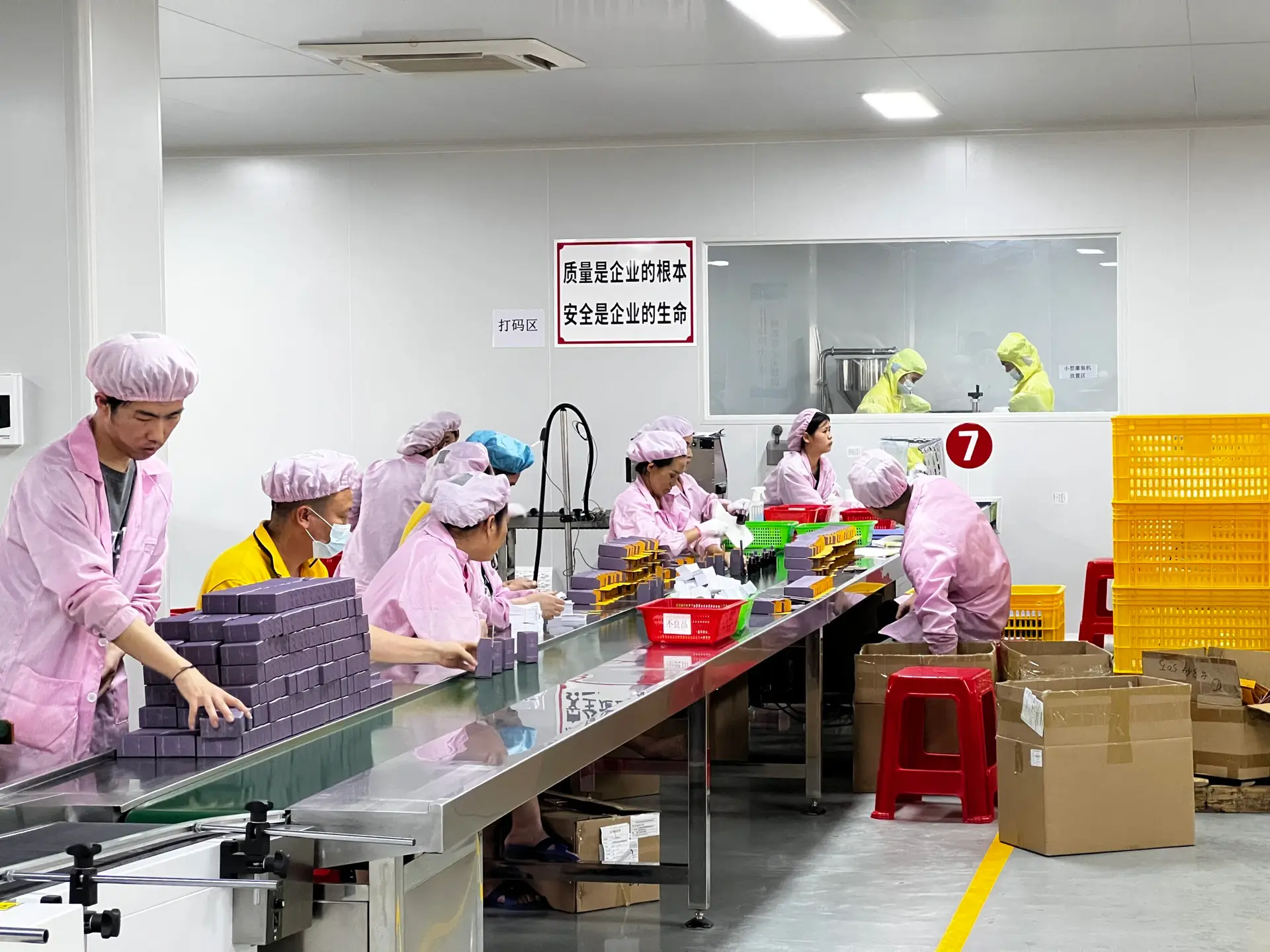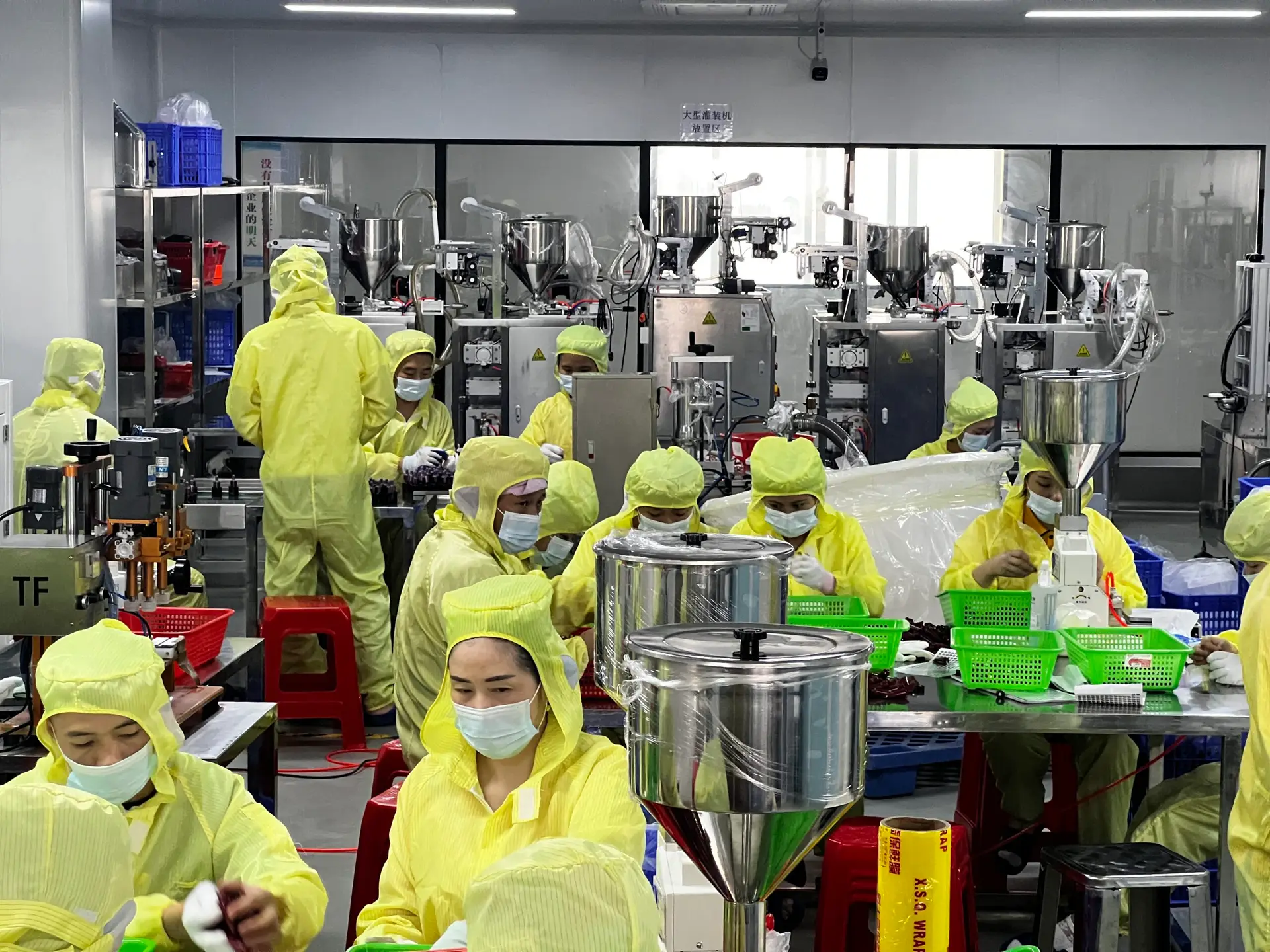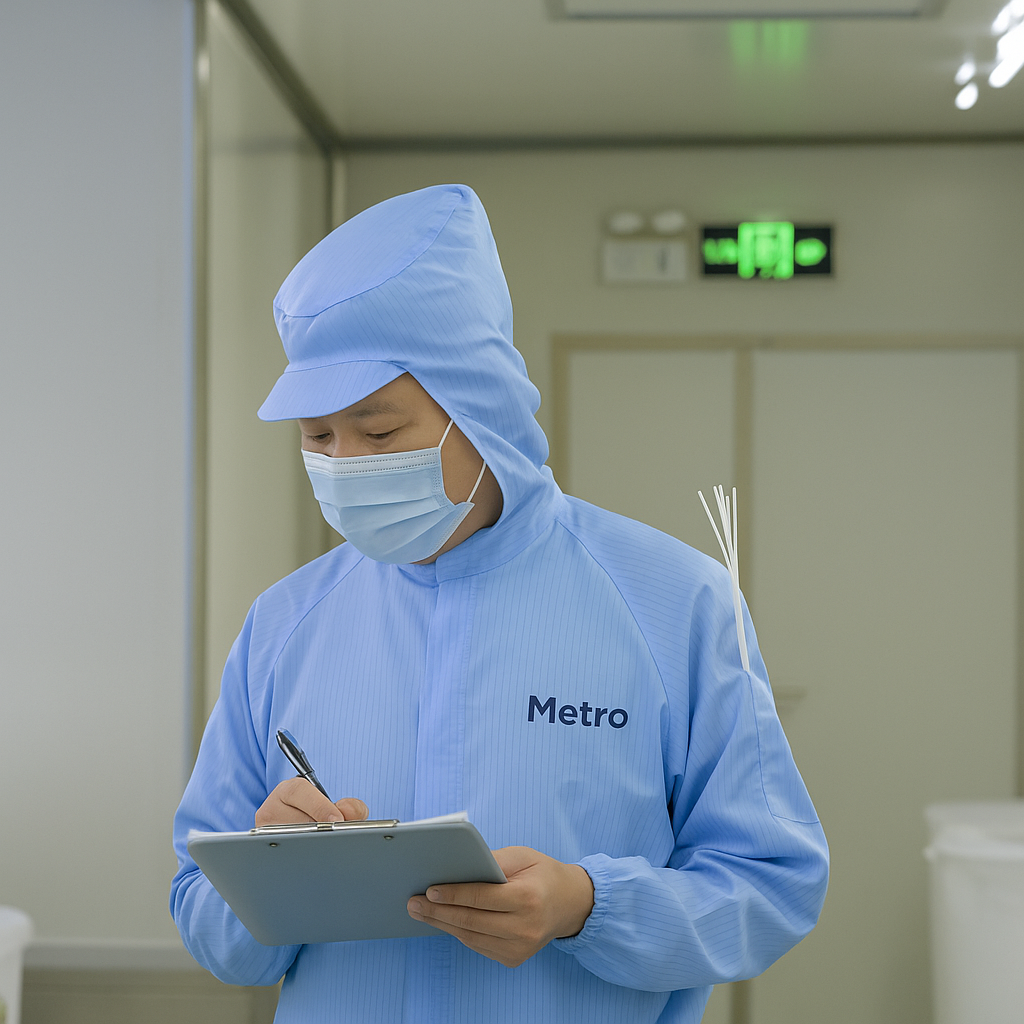
Your Trusted Self Tanning Products Manufacturer

We help you launch faster, start smaller, and stand out with custom formulas, pro-grade quality, and trend-driven skincare that sells — all built to grow with your brand.
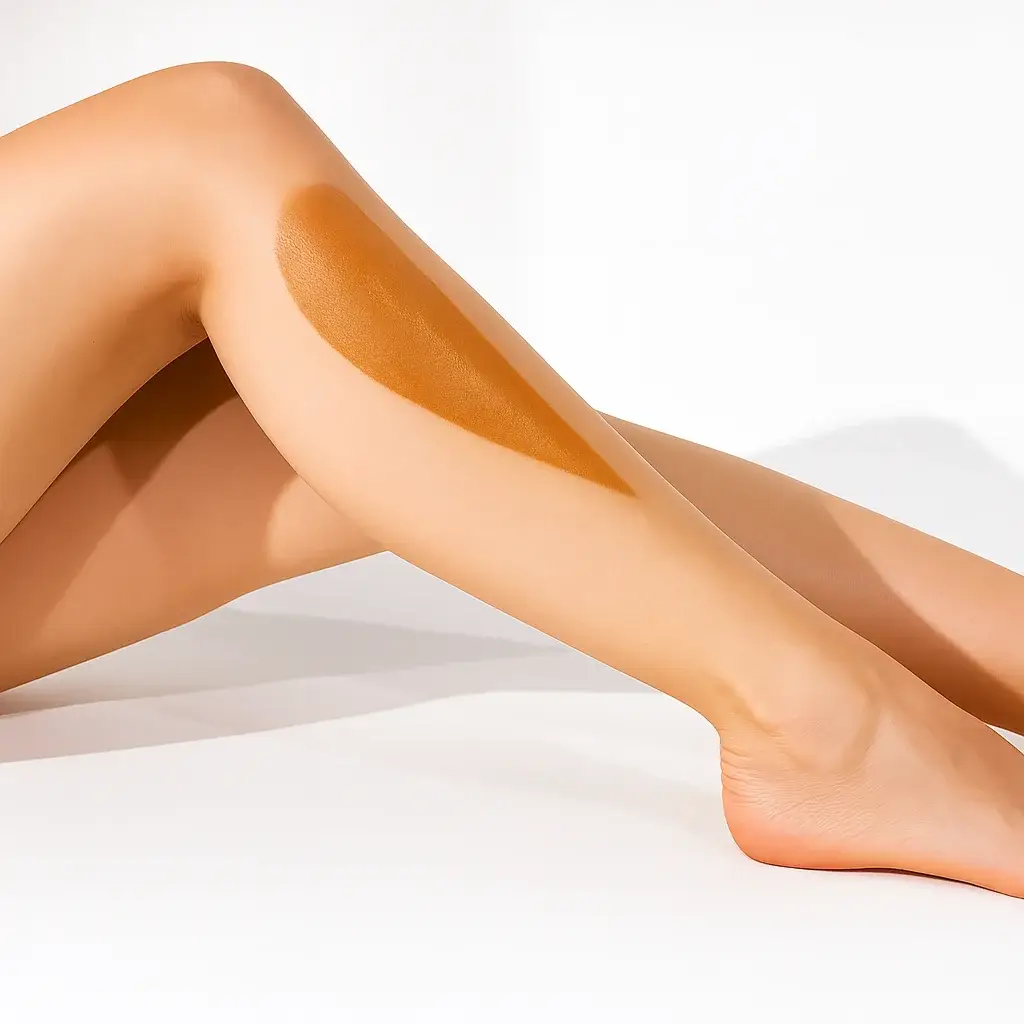
Private Label Self Tanning Products

At Metro Private Label, we know that a self tanning product isn’t just about getting a deeper glow—it’s about offering a clean, even, natural-looking tan your customers can trust. Today’s consumers care about fast development, smooth application, and formulas that won’t leave streaks or patchiness, so we build our private label self tanning solutions around stable DHA systems, hydrating bases, and the formats that consistently perform on Amazon and TikTok.
 
From ultra-dark express mousses to hydrating gradual tan lotions, customizable face tanning drops, and clear, transfer-resistant tanning mists, we study real shopper behavior, bestseller lists, and ingredient trends to ensure every formula you launch stays relevant—and sells. We focus on stable, high-performing DHA formulations without unnecessary colorants, so your product remains safe, clean, and consistent across batches.
 
As your manufacturing partner, we don’t just fill bottles—we help you build a hero SKU. Whether your brand needs a lightweight mousse for quick results, a daily gradual lotion for sensitive skin, or a face tanning serum with hyaluronic acid or niacinamide, we’ll customize the texture, DHA percentage, fragrance profile, and packaging to match your positioning and your target audience—while keeping the formula stable and compliant.

Self Tanning Mousse / Foam

Self Tanning Lotion / Gradual Tanner

Self Tanning Drops / Bronzing Serums (Face + Body)

Self Tanning Mists & Sprays (Face & Body)

Build a Self Tanning Line That Elevates Your Brand

At Metro Private Label, we know a self tanning product is more than a glow booster—it’s the product your customers rely on for confidence, consistency, and a natural-looking finish. That’s why we focus on creating private label self tanning formulas that are clean, smooth, easy to apply, and built on stable DHA systems. Whether your audience leans toward fast-developing mousses or skincare-inspired face tanning products, we help you build a line that feels premium and performs beautifully.
 
We study what’s trending on Amazon, TikTok, and global beauty retailers—so the products you create with us match real consumer demand. From express tans to everyday gradual lotions, we analyze bestselling textures, common pain points (streaks, dryness, orange tones), and ingredient preferences to ensure every formula is relevant, safe, and market-ready. Everything we produce follows global compliance standards, including CPSR, FDA, and export documentation.
 💡 We Don’t Just Manufacture — We Build Signature Self Tanning Formulas
Here are four bestselling directions global brands develop with us:
1️⃣ Express Self Tanning Mousse (Ultra Dark / 1-Hour Development)
A lightweight, fast-absorbing mousse that delivers deep, natural color without streaking.
👉 Powered by stable DHA, hydrating humectants, and a smooth-foam base for easy application.
2️⃣ Gradual Tanning Body Lotion
A daily moisturizer that builds a soft, even tan over time—ideal for sensitive skin and first-time users.
👉 With DHA + hydrating ingredients like Aloe Vera, Glycerin, Shea Butter, or Niacinamide.
3️⃣ Face Tanning Drops & Bronzing Serum
Customizable tanning drops designed to mix with any moisturizer for a controlled glow.
👉 Available with gentle DHA levels plus skincare actives like Hyaluronic Acid or Vitamin E.
4️⃣ Clear Self Tanning Mist (Transfer-Resistant)
A water-light tanning mist that dries quickly and won’t stain clothes or bedding.
👉 Clear, fragrance-customizable base with even spray distribution for face or body.
 
🎯 Flexible MOQ & Packaging Options
We understand every brand is at a different stage.
That’s why we offer flexible solutions to help you scale confidently:
  • 500–800 pcs with stock bottles — perfect for pilot launches and boutique brands
  • 5,000 pcs for full custom packaging, unique molds, or premium artwork
  • ✅ Custom fragrance, texture, tanning intensity, and label design based on your target audience
Every project includes formula compatibility testing, packaging stability evaluation, and batch consistency checks—so your brand grows with reliable quality from sample to mass production.
 
At Metro Private Label, we’re more than a self tanning manufacturer
we’re your partner for building a glow line that feels premium, performs flawlessly, and keeps customers coming back.
Tell us your vision, and we’ll help you bring your next hero tanning product to life.

More Than Just a Self Tanning Products Manufacturer

At Metro Private Label, we don’t just produce tanning products—we create formulas that shape how customers experience your brand. Every product is designed for smooth application, even development, and a natural glow without streaks or dryness, helping your brand deliver reliable, premium results.

✅ We Build What the Market Already Loves

We study Amazon bestsellers, TikTok trends, and global tanning brands to build formulas customers already trust. Our top directions include express tanning mousse, gradual tanning lotion, face tanning drops, and clear tanning mist—each developed with stable DHA systems and modern, clean-feeling textures.

✅ Start Smart. Scale Confidently.

Launching with us is simple and flexible. Start with 500–800 pcs using stock packaging for testing, or scale to 5,000+ pcs with full custom molds and artwork. We offer custom fragrance, DHA levels, and textures so your product matches your exact brand positioning

✅ Formulas That Deliver Real Results

We develop tanning formulas that balance strong performance with skin comfort. Each product uses stable DHA, hydrating bases, and lightweight textures to avoid streaking or stickiness. Options include coconut, fresh, or fragrance-free profiles, ensuring suitability for different markets and skin types.

✅ Compliance You Can Rely On

We handle compliance from formula to shipment. Every project includes INCI, COA, SDS, stability, and compatibility reports. All products follow U.S., EU, UK, and GCC requirements, allowing your brand to launch smoothly and confidently in international markets with full documentation support.
  • METRO
  • Typical OEM factory
METROTypical OEM factory
$
/year
/year
Minimum order quantity✅ 500 units for startup brands — low-risk entry for first-time founders.❌ 3,000 units minimum, limiting flexibility.
Packaging recommendations✅ Compatibility + visual templates to ensure perfect fit and premium look.❌ Not provided.
Launch support✅ Label compliance & claim copywriting included for export markets.❌ Not available.
Sample delivery time✅ 7–14 days with labeled packaging.❌ Usually 30+ days.
Compliance & Documentation✅ INCI, COA, SDS, GMP-ready — export with confidence.❌ Basic INCI only.
Buy Now

✨ Build a Self Tanning Line That Defines Your Brand

When you partner with us, you’re not just working with a factory — you’re working with a GMPC-certified team that turns tanning concepts into stable, high-performance, export-ready products. We focus on DHA stability, skin comfort, and clean application so your line builds trust from day one.
 
Whether you need an express tanning mousse, a hydrating gradual lotion, customizable face drops, or a clear mist that won’t stain clothes, we design each formula to apply smoothly, develop evenly, and deliver believable color customers feel confident using — and confident recommending.
🧪 Custom Formulation That Builds Real Trust
We don’t use generic bases — we create original formulations supported by cosmetic science. Our lab works with stable DHA systems, hydrating humectants, and gentle emulsions that ensure even color development. Every prototype is tested for pH, viscosity, and stability for consistent performance from sample to final shipment.
If there’s a smarter way to strengthen your formula or improve market appeal, we’ll explain the science and guide you through every decision. This collaborative approach helps your brand stand out from “me-too” tanning products and builds long-term credibility through results your customers can actually see.
 
📦 Packaging That Reflects Your Brand Identity
We believe packaging shapes the entire tanning experience. Start fast with 500–800 pcs using stock bottles for pilot launches, or scale to 5,000+ pcs with custom molds, colors, and artwork. We manage labels, cartons, and sealing so your packaging feels polished, cohesive, and retail-ready.
 
⚙️ A Seamless, Transparent Production Process
Everything happens under one roof — formulation, sampling, testing, filling, and export documentation. We keep communication clear, anticipate potential challenges, and ensure every milestone stays on schedule. Our workflow integrates like an extension of your own brand team.
 
🌿 Your Growth Is Our Daily Benchmark
We measure success by how many partners reorder. That’s why we support you with reliable formulas, strong packaging options, and full compliance documentation for U.S., EU, UK, and GCC markets. At Metro Private Label, your self tanning line is built to perform, impress, and last.

Who We Work With (Designed Around Your Real Needs)

We build partnerships by thinking the way our clients do — understand first → provide solutions → deliver results. Every client type has different priorities, and our role is to translate those into clear, actionable outcomes.

Medical Aesthetic / SPA Professionals

You care about: post-treatment comfort, product safety, and documentation that meets regulatory and audit standards.
What we deliver:

  • Clinical-grade formulations: CICA, ceramides, and peptides; pH-balanced, fragrance-free options with full preservative logic provided.

  • Regulatory documentation: INCI, COA, SDS, stability and compatibility reports; CPSR/CPNP preparation handled with third-party testing support.

  • Professional aesthetic: minimalist, medical-style packaging suitable for back-bar or retail; traceable batches for consistent results.
    Immediate outcome: a post-treatment testing set, compliant label guide, and batch consistency plan ready for your internal validation.

Funded New Entrepreneurs

You care about: low-risk entry, a clear roadmap, and a premium finish that looks ready for market.
What we deliver:

  • Smart start: choose from proven skincare bases (serums, creams, masks); pilot runs from 500 units with optional custom cartons.

  • All-in-one process: formula → visual template → compliant label copy → production → export-ready documentation.

  • Transparent costing: clear breakdown of your key cost drivers — formula type, active concentration, and packaging complexity — so you can plan pricing and profit with confidence.
    Immediate outcome: 2–3 customized samples, a detailed quotation breakdown, and a timeline showing every stage from sample to shipment.

Boutique DTC Brand Owners

You care about: originality, visual consistency, and storytelling through ingredients.
What we deliver:

  • Ownable sensorials: bio-cellulose or vegan carrageenan textures paired with signature actives like peptides, niacinamide, or botanical blends.

  • Design alignment: typography, color, and label systems that match your brand aesthetic; compatibility checks before full production.

  • Global readiness: INCI, COA, SDS, and stability data included; EU/UK/US label claim review support for smooth registration.
    Immediate outcome: packaging mockups, ingredient story sheets, and a coordinated multi-SKU rollout plan that keeps your range cohesive.

Why this works:
We don’t sell production capacity — we deliver strategic understanding, technical precision, and verifiable results.
By connecting your goals with regulatory, design, and manufacturing expertise, we help your brand move faster, reduce uncertainty, and build trust that lasts.

FAQs Hydrogel Mask

For your convenience, we’ve gathered the most commonly asked questions about our Hydrogel Mask. However, should you have any further queries, please don’t hesitate to reach out to us.
1. What types of self tanning products can you manufacture?
We produce the formats customers buy most—express tanning mousse, gradual tanning lotion, tanning drops, and clear tanning mist. You can choose from our proven base formulas or work with us to develop something completely unique for your brand.
Yes—customization is our specialty. We can adjust DHA levels, fragrance, texture, hydration strength, development speed, and add gentle skincare ingredients like aloe, niacinamide, or hyaluronic acid. Share your vision and we’ll translate it into a high-performance formula.
Our standard MOQ is 1,000 units per SKU, depending on packaging choice. If you’re testing a new market or launching your first product, we can recommend packaging options that keep your starting quantity flexible and manageable.
Sampling typically takes 3–5 weeks, depending on revisions. Full production requires 4–6 weeks after approvals. If you have a deadline or launch window, tell us early—we’ll help you plan timelines realistically and efficiently.
Most of our tanning formulas are vegan and cruelty-free, and can be adapted to meet clean beauty standards. If you follow specific guidelines—EU Clean, Sephora Clean, or market-specific ingredient lists—just let us know.
Absolutely. We handle everything from bottle sourcing and label printing to artwork layout. Whether you prefer classic mousse pumps, minimalist droppers, or premium frosted bottles, we’ll help you build a cohesive, retail-ready look.
Yes—we support both paths. Our white label formulas offer the fastest launch, while custom formulations give you full control over texture, performance, and positioning. We’ll guide you to the best option based on budget and brand goals.
Every formula undergoes stability testing, compatibility checks, and performance evaluation to ensure even development and consistent color. All production is GMPC/ISO certified and follows U.S., EU, UK, and GCC cosmetic regulations.
Yes. We can help you build clear, safe claims like “fast-developing,” “non-sticky finish,” or “gradual natural glow,” along with ingredient highlights to support your marketing. We’ll always ensure the claims remain compliant for your target region.
We work with brands worldwide and handle the full export process—documents, customs coordination, and logistics support. Whether you sell in the U.S., EU, Middle East, Australia, or Southeast Asia, we can help you ship smoothly and compliantly.

Metro Private Label in Numbers

Happy Clients
0 +
Million-dollar Buyers
0 +
Formulation
0 +
Professional Staffs
0 +

Your Ultimate Guide to Self Tanning Products

If you’re planning to launch a self tanning product—whether it’s your first hero SKU or an expansion to your existing beauty line—you’re not just adding another cosmetic item. You’re stepping into one of the most profitable, high-repeat, and fast-growing categories in beauty. Self tanning products aren’t casual purchases; they’re emotional decisions. Customers want confidence, they want a natural glow, and they want formulas that perform consistently without streaking, drying, or turning orange. They’re willing to pay more for a tan that looks believable—and for a brand that makes them feel good.
 
Over the years, we’ve watched the tanning category evolve dramatically. What used to be simple bronzing lotions has now grown into advanced mousses, express DHA technologies, skincare-infused tanning drops, clear mists for zero-transfer results, and vegan formulas designed for sensitive skin. At Metro Private Label, we’ve partnered with startup founders launching their first tanning SKU, Amazon and Shopify operators chasing conversion-focused winners, salons and spray-tan professionals who need performance-grade formulas, and distributors looking for stable, compliant products that ship well across climate zones. And in every case, self tanning products require far more strategy than most people expect.
 
This guide is built from everything we’ve learned behind the scenes—from understanding what makes a mousse develop evenly, to reading market signals on DHA percentages, to knowing which textures perform best across retail, DTC, and professional channels. We’ll walk you through how different formulas behave on the skin, which formats matter most to today’s consumers, what packaging communicates “premium,” and how undertones, claims, and fragrance choices influence brand perception. We’ll also break down the hidden factors that affect stability, cost, compliance, and long-term scalability so you can avoid costly mistakes early on.

Table of Contents

Understanding Today’s Global Self Tanning Market (and Where Your Brand Fits In)

When I talk to founders, distributors, and salon owners around the world, I often tell them this: the self tanning market has completely transformed in the last five years. What used to be a niche, summer-only category has now become a global, year-round opportunity — fueled by evolving beauty habits, stronger consumer education, and the rise of “skin-first tanning” routines. If you understand what is shaping this category today, you’ll immediately know how your brand can enter it strategically and grow with confidence.
 
The Global Shift Toward Safer, Faster, and More Natural Tanning
One of the biggest forces driving market expansion is the shift away from sun exposure. Younger generations — especially Gen Z and millennials — are far more aware of UV damage, premature aging, and skin cancer risks than previous generations. As a result, self tanning isn’t seen as “fake tan” anymore. It’s viewed as skincare, sun protection, and appearance confidence rolled into one routine.
This shift explains why the market isn’t slowing down. In fact, the brands I work with in the US, UK, and Australia often tell me their sales peak outside summer months. Consumers now tan before photoshoots, events, holidays, and even as part of weekly maintenance.
And that brings me to the first major trend shaping product decisions: express formulas.
 
Why Express Tanning Products Dominate Consumer Behavior
When I analyze bestseller charts on Amazon and TikTok-driven brands, one pattern is obvious: customers want results fast.
Most people don’t have the patience to wait six to eight hours for color to develop — which is why express self tanning mousse (1-hour or 2-hour development) consistently ranks #1 in almost every major market.
From experience working with Amazon sellers, express SKUs also convert significantly better because:
  • they reduce consumer hesitation (“I don’t have time for a full tan”)
  • they work for last-minute plans
  • they allow adjustable development time (light/medium/dark)
  • they’re easier to market with clear claims (“1 Hour Express Tan”)
If your brand is just entering the category, this is often the most strategic first SKU.
 
The Rise of Natural-Looking Finishes (and Why “No Orange” Sells)
The next major growth driver is the industry-wide push toward natural-looking color. When I review consumer reviews and feedback data, one message appears repeatedly:
“I want a tan that looks like my skin tone — but better.”
Today’s customers are extremely aware of streaking, patchiness, and orange tinting.
This is why mousse, lotion, drops, and mist formulas need:
  • stable DHA systems
  • smooth, skin-friendly emulsions
  • moisture-supporting ingredients
  • fragrances that complement development
  • clear usage instructions for even color
The brands I work with that prioritize natural finishes consistently maintain higher repurchase rates. In self tanning, “believability” is far more important than intensity.
 
Vegan, Clean, and Ethical Claims Are No Longer Optional
Another important shift is the rise of vegan, cruelty-free, and clean-beauty compliant tanning products.
When I speak with DTC founders and Amazon sellers, the feedback is consistent:
  • these claims increase add-to-cart rates
  • they reduce friction for cautious buyers
  • they align with modern beauty standards
  • they improve brand trust, especially for younger customers
And the best part is: self tanning formulas adapt extremely well to vegan frameworks.
This makes clean and ethical positioning a low-barrier, high-upside strategy.
 
The New Era of Skincare-Based Tanning Formulas
If I had to choose the most important trend shaping the future of this category, it would be this:
Self tanning is merging with skincare.
Customers are no longer satisfied with “just color.” They want formulas that hydrate, soothe, or improve overall texture. That’s why ingredients like hyaluronic acid, niacinamide, aloe vera, panthenol, vitamin E, and ceramides are becoming mainstream across tanning SKUs.
When brands pair tanning with skincare benefits, they are able to charge higher prices and position their products as premium beauty items—not just tanning cosmetics.
This is especially valuable for:
  • salons creating signature lines
  • DTC brands competing with Bondi Sands, Tanologist, and Coco & Eve
  • Amazon sellers trying to differentiate SKUs
  • distributors supplying high-end retailers
Put simply: skincare-based tans = better margins + stronger repeat purchases.
 
Who Benefits Most From Entering This Market Right Now?
From the hundreds of conversations I’ve had with global B2B clients, five groups are perfectly positioned to succeed in self tanning:
 
DTC Founders Building Beauty or Lifestyle Brands
They benefit from visual, story-driven products that perform well in content marketing.
Amazon Sellers Expanding Into High-Margin Beauty Categories
Self tanning SKUs have repeat-purchase behavior and high keyword intent.
Experienced Beauty Entrepreneurs Adding Complementary SKUs
Tanning seamlessly integrates with body care, skincare, and spa lines.
International Distributors Supplying Retail Chains or Pharmacies
The category has stable demand and strong growth in emerging regions.
Salons, Tanning Studios, and Aesthetic Clinics
A signature tanning line increases service loyalty and creates new revenue streams.
If you fall into any of these groups, you are in a prime position to gain market share—especially if you launch products aligned with express performance, natural finishes, vegan claims, and skincare integration.
 
Where Your Brand Fits Into the Global Landscape
The global self tanning market rewards brands that understand what consumers want today:
speed, natural color, clean formulas, and skincare benefits.
If your product line is built around these drivers, you’re not just launching another self tanning SKU—you’re entering a category with strong repeat behavior, strong keyword visibility, and strong emotional impact.
And that’s exactly where brands grow fastest.

The 4 Core Self Tanning Product Types Every Brand Should Know

When a founder asks me, “What’s the best tanning product to start with?” I always go back to the four formats that dominate global sales. These are the products that actually convert, get repurchased, and show up consistently in the top Amazon and TikTok charts.
And the truth is—understanding these four formats will completely change the way you plan your product line. Because once you know why each format exists and who it truly appeals to, you can confidently choose the right hero SKU for your brand instead of guessing.
Below, I’ll walk you through the four core types, with the same perspective I use when consulting founders, distributors, and salons entering the self tanning market for the first time.
 
1️⃣ Self Tanning Mousse — The Hero SKU That Builds Most Successful Brands
If I had to choose the single format with the highest commercial potential, I would always start with mousse. In almost every market—US, UK, EU, Australia—the top 10 tanning products are dominated by express mousse formulas. There’s a reason this format wins: it’s fast, intuitive, and delivers instant visual payoff.
When I speak with Amazon sellers, they all say the same thing: mousse converts higher because customers already trust the format.
It’s light, easy to blend, and allows both beginners and experienced users to control development time. And from a manufacturing perspective, mousse allows for flexible DHA percentages, hydration boosters, and fragrance customization—all while maintaining a user-friendly texture.
The reason mousse is so powerful is simple: it makes customers feel confident and in control.
If a brand needs a strong first hero SKU, mousse is almost always the winning choice.
 
2️⃣ Gradual Tanning Lotion — The Everyday Glow That Expands Your Audience
Whenever I review customer segments for a new brand, I always highlight gradual tanning lotion as the most inclusive product. Many customers are intimidated by traditional tanning, but a daily lotion feels familiar. This makes gradual lotion one of the easiest formats to scale globally.
What I love most about gradual lotion is how seamlessly it blends the worlds of tanning and skincare. Customers don’t just want color—they want hydration, softness, and barrier comfort.
This is where ingredients like:
  • niacinamide
  • hyaluronic acid
  • glycerin
  • aloe vera
play an important role.
The best gradual lotions build color slowly, creating a soft, believable tan without streaking or patchiness. For salons and DTC brands with a wellness angle, this product becomes a staple SKU.
If your brand prioritizes skin health, natural results, or sensitive-skin customers, gradual lotion is essential.
 
3️⃣ Face Tanning Drops — The High-Margin, Skincare-Driven Trend Every Brand Should Watch
Face tanning drops are one of the most exciting developments in the category. And in my experience working with beauty entrepreneurs, this is the product that often drives premium pricing and brand storytelling.
Consumers today want customization—they want to mix tanning drops with their favorite moisturizer and choose how intense their glow should be. This level of personalization is exactly why drops perform so well in both DTC and retail environments.
From the business side, drops are incredibly attractive:
  • They require smaller fill volumes (higher margin).
  • They fit branding focused on “clean beauty” and “skin-first tanning.”
  • They offer year-round relevance.
  • They integrate smoothly with skincare-focused brands.
When I consult brands aiming for a premium identity—especially those targeting Sephora-style audiences—I almost always recommend adding face tanning drops early in their lineup.
They elevate the brand image, and they signal “modern beauty” instantly.
 
4️⃣ Clear Self Tanning Mist — Lightweight, Modern, and Perfect for Content-Driven Brands
Clear mists represent the new generation of tanning products. They solve one of the biggest customer pain points: transfer onto clothes, bedding, or towels.
When I talk to TikTok Shop sellers and salon professionals, clear mist is often the product they say performs best on camera. It sprays beautifully, dries quickly, and fits the fast-paced lifestyle of younger buyers. And because it’s colorless, it appeals to consumers who want a clean, minimalistic routine.
The versatility here is important too—clear mist works as:
  • a full-body tanning spray,
  • a face mist,
  • a top-up between mousse sessions,
  • a quick “refresh” for customers who prefer subtle results.
For brands aiming to look modern, clean, and trend-aware, clear mist is a must-have SKU. It’s one of the strongest additions for building out a complete, visually appealing tanning line.
 
Which Product Should Your Brand Launch First? My Personal Recommendation
I’ve helped hundreds of brands plan their first tanning SKU, and my advice usually follows this logic:
If you want the strongest hero SKU → Start with mousse.
It’s the most proven format globally.
If your brand is skincare-focused → Add gradual lotion next.
It builds trust with skin-conscious buyers.
If you want a premium, high-margin SKU → Launch face tanning drops.
Perfect for DTC and boutique brands.
If you want to ride TikTok trends → Offer clear tanning mist.
It photographs well and attracts younger audiences.
When you build your line around these four core products, you’re aligning your brand with real consumer behavior—not assumptions. And that’s exactly how successful tanning brands grow fast and sustainably.

Choosing the Right DHA Percentage for Your Target Market

Whenever I guide a brand founder through their first self tanning launch, I always remind them that choosing the right DHA percentage is one of the most important decisions they will make. DHA determines the depth of the tan, the development speed, the undertone, and even the emotional reaction customers feel when they see their results. But beyond that, DHA percentage also affects formula stability, oxidization risks, and the overall experience customers will associate with your brand. After helping clients across the US, UK, EU, and Australia bring tanning products to market, I’ve learned that the right DHA level isn’t about “how dark you can go.” It’s about choosing the level that matches consumer expectations in your target region while keeping your formula safe, stable, and believable.
 
To understand DHA levels properly, it helps to remember how DHA behaves on the skin. DHA interacts with amino acids in the upper layers of the epidermis, creating melanoidins—the pigments that give skin its bronzed tone. The more DHA a formula contains, the deeper the final color becomes. However, higher DHA also increases the risk of unevenness, excessive dryness, and instability, especially in warmer climates or long-term storage. This is why I always caution founders against simply choosing the highest DHA percentage they can find online. A formula that performs beautifully at 8% DHA may turn patchy or orange at 14% if it is not perfectly balanced. The smartest approach is always to align DHA levels with what customers in your target market naturally expect and feel confident using.
 
In my experience, light DHA levels—typically between 2% and 5%—are ideal for formulas that focus on subtle, natural-looking radiance. These are the kinds of tans preferred across mainland Europe, where consumers generally want a healthy glow rather than a dramatic transformation. Light DHA is particularly suitable for gradual tanning lotions and face drops, because these formats are designed to blend seamlessly into daily skincare routines. When customers want something safe, gentle, and predictable, lighter DHA formulas deliver an even, extremely low-risk result that supports a brand’s reputation for reliability.
 
Medium DHA, usually in the 5% to 8% range, tends to be the global bestseller. This is the DHA level most people—from US shoppers to UK everyday users—think of as a “normal” self tan. The results are noticeable but not overwhelming, and the risk of orange shifts is significantly reduced when the formula includes hydrating and stabilizing components. I often recommend medium DHA for mousse, tanning water, and most first-launch SKUs because it satisfies the widest audience without creating unrealistic expectations. When a brand wants to keep returns low and reviews positive, medium DHA strikes the perfect balance.
 
In markets like Australia, the UK, and certain US regions, darker DHA levels between 8% and 12% are extremely popular. These customers are experienced tanners who want visible results and appreciate the efficiency of darker express mousse formats. However, darker DHA requires much more careful formulation, because streaking and dryness become more noticeable as intensity increases. Whenever I develop a dark mousse for a client, I place extra emphasis on hydration, undertone correction, and stability—three factors that can make or break the customer’s experience. Dark DHA sells very well in the right markets, but only when the formula is thoughtfully engineered.
 
There is also the ultra-dark category, typically ranging from 12% to 16% DHA. These formulas cater to highly experienced users and influencer-driven audiences who want the deepest possible tan. In Australia and parts of the UK, ultra-dark SKUs perform exceptionally well, especially in express mousse formats. But I always warn founders that ultra-dark formulas are not suitable as a brand’s first or only SKU. They demand extremely precise stability control, and the margin for error is small. If the formula isn’t perfectly balanced, it can shift orange, oxidize during storage, or develop unevenly on the skin. In other words, ultra-dark DHA is profitable, but only when a brand is prepared to invest in proper formulation and educate customers on how to use it correctly.
 
Regional preference is one of the most important factors in choosing DHA. UK customers tend to favor deeper, cooler-toned tans, while buyers in the United States lean toward medium and natural-looking results. European consumers often prefer subtlety, especially in countries like Germany and France where the beauty culture prioritizes skincare-first routines. Meanwhile, Australia remains the world’s most advanced tanning market, with strong demand for dark and ultra-dark express mousse. Understanding these nuances prevents brands from launching products that feel “too light” or “too strong” for the people they’re targeting.
 
One mistake I see brands make is over-promising results by choosing DHA levels that are far too high. A formula with excessive DHA may look impressive in marketing photos, but it can become unstable, dry, or noisy in customer reviews. In tanning, stability and predictability are far more valuable than pushing limits. I always advise founders to choose DHA percentages that their target customers can use comfortably, repeatedly, and confidently—not levels that create dramatic but inconsistent experiences.
 
After working with dozens of private label projects, I’ve developed a simple rule: your DHA percentage should match your audience’s familiarity with tanning, their regional preferences, and the story your brand wants to tell. Lighter DHA builds trust. Medium DHA builds repeat purchase. Dark DHA builds excitement. Ultra-dark DHA builds hype—but only when the brand is ready to handle the complexity behind it.
Choosing DHA isn’t just a formulation decision. It’s a brand decision. And making that decision wisely can set the foundation for long-term customer loyalty and global expansion.

The Difference Between White Label vs. Custom Formulation

When a founder approaches me to build their self tanning line, one of the first strategic decisions we discuss is whether to start with a white label formula or invest in a fully custom formulation. I’ve guided countless beauty entrepreneurs, Amazon sellers, and DTC brand owners through this choice, and what I’ve learned is that both options can lead to successful product launches — but only when the founder understands the advantages, limitations, and long-term implications of each. Choosing incorrectly doesn’t just slow down your project; it can affect your margins, your customer reviews, and even your entire brand positioning. That’s why I always encourage new clients to think about this decision not as a technical question, but as a business model question: How fast do you need to launch, and how unique do you want your brand to become?
 
White label is the path I often recommend to founders who need speed, cost efficiency, and simplicity. With white label, the formulation already exists — it has passed stability testing, compatibility checks, microbial safety, and real-world user validation. The textures are set, the fragrance options are known, the DHA percentages are stable, and the compliance documents are ready for export. For many early-stage founders, especially those launching their first Amazon FBA SKU or testing a new DTC idea, this dramatically reduces risk. You don’t have to wait months for a chemist to adjust viscosity or refine the undertone; you don’t have to budget for iterative lab fees; and you don’t have to worry about unexpected instability issues that often appear in early prototypes.
 
Instead, you select a proven formula, pair it with packaging that fits your brand identity, and move directly into sampling and production. This is why white label is such a powerful starting point for lean startups — it allows you to enter the market quickly, gather customer feedback, build cash flow, and validate product–market fit before making a deeper investment.
 
Over time, I’ve seen many founders use white label strategically as the “foundation” of their business. They launch a hero SKU, gather thousands of real customer insights, and then evolve into a custom formulation once they truly understand what their audience wants — darker development, a lighter texture, a fragrance-free option, or a formula that integrates skincare actives more deeply. This progression creates a lower-risk, higher-confidence brand evolution. And in the self tanning category, where reviews and visuals heavily influence buying decisions, moving quickly with a white label product often gives founders the momentum they need to start building a loyal base of repeat customers.
 
Custom formulation, on the other hand, becomes the ideal option for brands that want to separate themselves from competitors, craft a signature sensory experience, or elevate into a premium beauty position. When I work with a brand on custom development, we’re essentially creating an identity — something that no other brand can claim as their own. Every element becomes customizable: the development time, the undertone, the gel-to-water transformation, the hydration level, the slip of the mousse, the exact feel during application, and the fragrance that anchors the emotional experience of the product. This level of control is incredibly powerful for DTC founders with an established audience, for salon owners who want a signature professional line, and for international distributors who need an exclusive formula to protect their market advantage.
 
But custom formulation also requires patience, collaboration, and a deeper financial commitment. We spend time adjusting the formula’s pH, refining the viscosity, balancing the DHA with humectants to prevent dryness, checking how the formula behaves in different temperatures, ensuring the color doesn’t shift in storage, and evaluating the formula across multiple skin types. It’s a meticulous process, and I always tell founders that custom development isn’t just about making something unique — it’s about making something stable, high-performing, and long-term scalable. This is why I recommend custom formulation for brands that already understand their customers deeply and are ready to build a product with long-term repeat-purchase behavior in mind.
 
The choice between white label and custom formulation ultimately depends on the stage of your business and the story you want your brand to tell. If you’re an Amazon FBA seller entering the category for the first time, a TikTok entrepreneur testing product-market fit, or a startup founder working with a tight launch timeline, white label gives you a fast, low-risk way to get your product into consumers’ hands. But if you’re an established beauty entrepreneur, a growing DTC brand ready to differentiate, or a professional salon wanting a protected, signature formula, custom formulation is the path that elevates your brand above generic competitors and builds long-term loyalty.
 
The best brands I’ve worked with often combine both approaches. They launch quickly with white label, generate revenue, and study real-world customer behavior — then, once they understand exactly what their audience loves or dislikes, they invest in a custom formula that becomes their long-term flagship product. In the fast-growing self tanning market, this hybrid strategy gives founders both momentum and uniqueness. And when done correctly, it’s the reason some brands scale from small startup to category leader in just a few years.

What Makes a High-Performing Self Tanning Formula?

When a founder asks me what separates an average self tanning product from a high-performing one, I always tell them that it has almost nothing to do with how dark the tan becomes. Consumers will forgive a tan that’s lighter than expected — but they will never forgive uneven development, streaking, orange undertones, unpleasant smell, or a sticky finish. Over the years, as I’ve worked with brand owners, salons, spray-tan artists, and distributors across the US, UK, EU, and Australia, I’ve learned that the formulas that rise to the top all share the same scientific backbone. A successful tanning formula is not an accident; it is the result of hundreds of technical decisions behind the scenes. And once you understand these decisions, you can immediately identify which products will build customer loyalty — and which ones will be returned for a refund.
 
When I develop a tanning product, the very first thing I look at is DHA stability, because DHA is a sensitive, reactive molecule that can easily oxidize if the formula isn’t built correctly. Most people don’t realize that the tone, depth, and even the longevity of the tan depend on how well the DHA system is protected throughout the product’s entire shelf life. A stable DHA formula requires the right pH range (usually slightly acidic), the right chelating agents to bind metals that cause oxidation, and the right antioxidant system to slow down browning reactions in the bottle. Without this foundation, the formula may shift color, darken prematurely, or produce orange undertones on the skin. When a client shows me a formula that turned brown in six months, I already know the stability system wasn’t engineered properly — and no amount of marketing can save a formula that fails chemically.
 
From there, I focus on the emulsion quality, because this is truly where streak-free application begins. A self tanning mousse, lotion, or gel is essentially a delivery system for DHA, and if that system does not apply evenly, the tan will not develop evenly. A poor emulsion might separate, dry too fast, drag on the skin, or leave micro-patches where more DHA is deposited. When I’m evaluating a sample, I pay attention to how it spreads across the skin in the first 10 seconds: does it glide effortlessly, or does it “skip”? Does it absorb too quickly in certain areas? Does it create a uniform layer before drying? These are technical questions that consumers can’t articulate, but they immediately feel the results. A flawless tan starts with a smooth, predictable application — and smooth application is only possible when the emulsion has been engineered with precision.
 
Hydration is another area where I insist on going deeper than most private label manufacturers. Many people underestimate how significantly humectants impact the final appearance of a tan. DHA reacts more aggressively on dry skin, which is why elbows, knees, hands, and ankles often turn darker or patchier. When I build a formula, I deliberately use humectants like glycerin, aloe vera juice, sodium PCA, and hyaluronic acid to keep the skin evenly hydrated during development. This helps buffer the DHA reaction so the tan develops smoothly across both hydrated and drier areas. It also improves the fade-out period, preventing the dreaded “cracked” or “scaly” look as the tan wears off. When salons tell me a formula fades evenly for 7–10 days, I know the humectant system was built right.
 
Another factor I always educate founders about is fragrance compatibility. Most fragrances on the market are not designed to work well with DHA. Some accelerate oxidation, some destabilize the emulsion, and some create off-notes when DHA begins its natural “reaction smell.” And while the DHA smell can never be eliminated completely — no matter what any brand claims — it can be minimized significantly when the fragrance system is carefully selected, tested, and stabilized with antioxidants. I’ve seen brands choose a trendy coconut scent that looked great in the marketing deck but destroyed the formula’s stability within three months. This is why I always test fragrance levels in small increments and examine how they interact with the formula under heat, light, and time. A great self tanning fragrance isn’t just “pleasant” — it’s chemically appropriate.
 
Finally, no tanning formula can be considered high-performing unless it delivers a comfortable dry-down. In the end, the emotional judgment a consumer makes during the first five minutes of application often determines the review they will leave. If the formula feels sticky, heavy, oily, or tacky, customers will assume it is low quality regardless of how beautifully it eventually develops. Dry-down is influenced by the ratio of volatile components, the slip agents, the emulsifiers, and the balance between humectants and film formers. For example, too many humectants can make the product feel wet or sticky for too long, while too many volatile silicones can cause the formula to evaporate before users can blend it properly. When I evaluate dry-down, I imagine the consumer going about their daily routine: putting on clothes, sitting in a car, or going to bed. A great formula should feel weightless, clean, and non-transferable — and reaching that point requires careful engineering.
 
In the professional salon world, these details matter even more. Spray tans must develop consistently across large body areas, and clients expect predictable results every time. For salons and spray-tan artists, a high-performing formula isn’t a luxury — it’s the backbone of their business reputation. This is why the formulas I create for professional partners undergo extra testing for atomization behavior, absorption rate, and long-wear consistency. A flawless professional formula must not only color the skin; it must perform under pressure, humidity, heat, movement, and the rapid application technique of a trained artist.
 
What I’ve learned after years of formulating and reviewing tanning products is simple but powerful: a high-performing tan is never about a single ingredient — it is about how the entire formula works as one cohesive system. DHA stability, emulsion structure, hydration strategy, fragrance compatibility, and dry-down feel all contribute to the user experience. When all of these elements are in harmony, the result is a formula that customers trust, professionals rely on, and brands can build long-term success around. And in a category as competitive as self tanning, that harmony is exactly what sets top-performing brands apart.

Packaging That Sells: How to Choose Bottles, Pumps & Mists for Tanning Products

Whenever I guide a founder through building a self tanning line, I always emphasize that packaging is far more than a container — it’s the first sensory impression your customer has with your brand. In a category where formulas can look very similar on paper, packaging is often what determines whether a customer clicks, trusts, buys, and ultimately reorders. Over the years, I’ve helped brands across Amazon, DTC, salons, and international distribution choose packaging that not only protects their formula but elevates their brand story. And what I’ve learned is that the best packaging choices always come from understanding the relationship between formula type, user experience, and the expectations of your target market.
 
When it comes to mousse formulas — still the dominant format for self tanning — I always recommend high-quality mousse pumps. A good mousse pump creates the dense, creamy foam texture customers expect, and that texture directly influences application quality. Cheaper pumps often produce loose or inconsistent foam, which leads to uneven application and immediate negative reviews. When I source pumps for clients, I look for valve consistency, foam density, and the “return spring strength,” which determines how smoothly the pump resets. For Amazon or DTC brands, the pump is critical because it’s the component most customers physically interact with. Salons and professional partners also depend on pumps that survive repeated use without clogging or leaking. A strong mousse pump isn’t just about aesthetics — it determines whether every application feels premium or disappointing.
 
For skincare-driven brands and boutique DTC lines that prefer a clean, luxurious look, frosted bottles are often the best choice. Frosted PET or frosted glass gives the product an elevated identity, especially for tanning waters, face mists, and tanning gels. What I love about frosted packaging is that it communicates “gentle,” “modern,” and “premium” without relying on complicated artwork. For brands in Europe or Australia where minimalism and clean beauty aesthetics dominate, frosted packaging consistently performs well in both searches and photoshoots. But I always caution founders: if the formula contains DHA, frosted glass must be paired with protective coatings or UV-blocking components to prevent premature oxidation. Packaging has to be beautiful — but equally functional.
 
For brands launching face tanning drops, the classic dropper bottle remains the strongest performing option. In my experience, customers love the precision that droppers give them: one drop for a soft glow, several drops for a deeper tan. This sense of control is why droppers work so well for skincare-centric brands. When selecting droppers, I pay attention to the pipette length, the suction strength, and the drop size — small details, but ones that dramatically impact user satisfaction. For boutique brands with a strong skincare identity, a matte dropper cap or weighted glass bottle instantly elevates perceived value. For Amazon sellers, droppers also perform well because they photograph cleanly, making the product easy to understand at a glance.
 
Spray formats require a different approach. For tanning mists, the most important component is the spray valve — the part responsible for mist density and coverage. A poorly chosen valve can produce streams instead of mist, which leads to streaking and immediate customer complaints. When developing mist SKUs, I test valves by evaluating mist cloud size, droplet distribution, and the “dead zone radius” where no product lands. These tests might sound overly technical, but they are essential for ensuring that the tanning water applies evenly and dries quickly. Tanning mists are extremely popular with Gen Z and TikTok audiences, and only a fine, even mist gives the weightless, invisible finish these consumers expect.
 
Clear DHA-based formulas have exploded in popularity, and with them, the demand for clear fine misters. Clear misters offer a modern, “skin-first” aesthetic — clean bottles, minimalist labels, lightweight feel. But they must be paired with pumps that don’t leak, clog, or oxidize the formula over time. Whenever a brand wants a clear packaging look, I always check that the inner dip tube, actuator, and closure materials are compatible with DHA; otherwise, discoloration or rusting may occur. Clear packaging looks stunning in photos, especially for DTC brands, but it requires careful planning to ensure the formula stays stable.
 
Choosing the right packaging also depends on your business model. Boutique brands typically benefit from premium packaging — frosted glass, weighty droppers, soft-touch finishes — because their audience expects luxury and is willing to pay for it. Distributors prefer packaging that is durable, export-friendly, and consistent across large order volumes. DTC brands benefit from modern minimalism because it performs well on Instagram, TikTok, and Shopify product pages. Amazon sellers prioritize leak-proofing, shelf impact, and packaging that photographs clearly from multiple angles. When I help founders select packaging, I always tailor the recommendation to the market they want to dominate, not just the product they want to launch.
 
But above all, the packaging must support the formula itself. DHA is a reactive ingredient, and not all materials are compatible with it. Pumps with metal springs, clear bottles without UV protection, or cheap plastics that leach can all compromise formula stability. That’s why I always perform compatibility testing before mass production — the packaging must protect the formula, not fight against it. And in a category where customer trust is built on consistent performance, packaging failures are often more damaging than formulation issues.
 
The packaging you choose doesn’t just influence how your product looks — it shapes how your brand is judged. Great packaging signals professionalism, trustworthiness, and attention to detail long before a customer ever sees the tan develop on their skin. And for a self tanning brand, where experience is everything, thoughtful packaging can determine whether your product becomes a bestseller or gets lost in the noise.

Compliance & Documentation: What You Actually Need for US, EU, UK & GCC Markets

When I speak with founders preparing to launch a self tanning line, the first thing I emphasize is that great formulas alone aren’t enough—especially in regulated markets like the U.S., EU, UK, and the Middle East. In the self-tanning category, compliance isn’t just a box to tick; it’s the backbone that determines whether your product can be legally sold, safely transported, or even cleared through customs. Over the years working with emerging DTC brands, Amazon sellers, clinics, and large distributors, I’ve seen how a strong documentation package can accelerate a brand’s global expansion—and how missing just one required report can cause delays, fines, or product recalls. That’s why I built this guide to help you understand exactly what you need, and why each document matters.
 
Why Compliance Is Especially Critical for Self Tanning Products
From my experience, self tanning formulas are far more sensitive than typical skincare. They rely on DHA, a reactive molecule that changes color when exposed to heat, light, oxygen, or incompatible packaging materials. Because of this, regulators treat tanning products with the same seriousness as advanced treatments. I’ve worked with founders who underestimated this, only to discover that their formula shifted color during shipping or failed a safety assessment because pH levels were unstable. This category rewards brands that prepare, test, and document properly—which is exactly what compliance helps you achieve.
 
The Essential Documents Every Professional Brand Needs
Whenever I onboard a new client, I start by reviewing the core documentation that every region requires. These documents are not optional; they’re the minimum foundation for any responsible beauty brand.
Certificate of Analysis (COA) This confirms that your production batch matches the approved lab sample. For tanning products, I always verify pH, viscosity, microbial safety, and early signs of DHA oxidation. Consistency protects your brand from “batch-to-batch differences” that customers often complain about online.
Safety Data Sheet (SDS) This is mandatory for shipping and customs. It outlines transport hazards, handling instructions, and storage conditions. I’ve seen clients lose product due to heat exposure because their fulfillment teams didn’t understand the SDS guidelines—so this document matters more than most founders realize.
 
Navigating EU & UK Compliance (Where Rules Get Much Stricter)
If you plan to sell in Europe, you’ll be working under Regulation EC 1223/2009, which is one of the strictest cosmetic regulations in the world. I often support founders through this process, and it usually involves:
CPSR (Cosmetic Product Safety Report) This is a full scientific safety assessment conducted by a qualified toxicologist. Because DHA percentages vary (4%–14%), I work closely with assessors to ensure the chosen level is appropriate for intended use (face vs body) and consumer demographics.
• PIF (Product Information File) This is your master compliance file. It includes stability testing, compatibility testing, supplier certificates, GMP paperwork, label artwork, and more. The PIF is what protects you during audits or regulatory reviews.
• CPNP (EU) or SCPN (UK) Notification Once your PIF is approved, I submit the product to the regulatory portal. This step legally registers your product for sale in the EU or UK. Without this, customs can seize your shipment—even if the formula is perfectly safe.
 
Compliance for GCC / Middle Eastern Markets (Dubai, Qatar, KSA)
The Middle East has its own compliance ecosystem, and I often help brands prepare documents for Montaji in Dubai or local authorities in Qatar and Saudi Arabia. These markets require:
  • COA
  • SDS
  • GMP license
  • Ingredient list with allergens
  • Arabic + English label
  • Stability reports
  • Packaging artwork
These regions pay particular attention to fragrance allergens and expiry dating. I’ve had distributors tell me that shipments were delayed for weeks simply because one label was missing Arabic translation. Small details matter here more than people expect.
 
Why Stability & Compatibility Testing Protect Your Brand
Many founders assume that if the formula looks good on day one, it will stay stable. But DHA can oxidize, shift, or darken if the packaging contains reactive metals or if the emulsion isn’t strong enough. That’s why I always conduct:
  • accelerated stability tests
  • real-time stability
  • pump/mist compatibility checks
  • UV exposure tests
I’ve seen formulas turn orange after reacting with a poorly coated spring inside a mousse pump. Compatibility testing ensures this doesn’t happen to your brand.
 
Understanding Label Requirements Across Regions
Labeling rules differ widely, and I always double-check client labels before printing.
United States (FDA)
  • INCI list
  • Net weight
  • Warning statements
  • Manufacturing address
  • No medical/OTC claims
European Union / United Kingdom
  • INCI list
  • PAO symbol
  • Batch number
  • Responsible Person address
  • 26 fragrance allergen declarations
Middle East (GCC)
  • English + Arabic label
  • Manufacturing and expiration date
  • Batch code
  • Allergen declarations
A non-compliant label is the most common reason customs stops a shipment, especially in GCC countries.
 
Why Compliance Is the Strongest Competitive Advantage
I’ve learned that the brands who invest in compliance early gain a long-term advantage: they enter new markets faster, avoid regulatory risks, and earn trust from retailers and distributors. In the self tanning category—where customers are sensitive to streaking, oxidation, and ingredient quality—solid documentation becomes part of your brand story. It tells your audience that your formulas aren’t just beautifully packaged—they’re scientifically validated, stable, and safe.

How to Build a Full Self Tanning Line (Starter → Advanced SKU Strategy)

When I work with new founders or distributors entering the self tanning category, I always tell them that the most successful brands don’t start by launching ten SKUs at once. Instead, they follow a strategic progression: they establish one hero product, they expand into daily-use essentials, they introduce premium add-ons, and then they round out the line with accessories that increase user satisfaction and repeat purchases. After helping brands in the U.S., UK, Australia, and the Middle East build strong tanning collections, I’ve refined a roadmap that works consistently — from startup DTC brands all the way to established salon chains. Let me walk you through exactly how I build that journey step by step.
 
Start With a Clear Winner: A High-Performance Self Tanning Mousse
Whenever I guide a brand’s first tanning launch, I always begin with a mousse. In my experience, the mousse format gives founders the fastest path to market acceptance because customers already understand how to use it, feel comfortable with the texture, and trust the results. It’s also the SKU that converts best on Amazon, Shopify, and TikTok — and the one category where a new brand can challenge established names simply by offering better glide, faster dry-down, and a more natural undertone.
When I develop a mousse formula for a client, I focus deeply on four elements:
  1. DHA percentage (light → ultra dark)
  2. Foam texture and density
  3. Drying speed and stickiness reduction
  4. Fragrance and “no orange” impression
This product becomes the “anchor” of your tanning line — the one that defines your brand’s look, feel, and results.
 
Add a Gradual Tanning Lotion to Capture Everyday Users
Once the mousse is established, the next product I always recommend is a gradual tanning lotion. This SKU brings a different type of customer into your ecosystem — someone who wants control, a natural glow, and a moisturizer-first experience rather than a dramatic overnight color. From a business perspective, a gradual lotion is essential because it:
  • increases daily usage
  • improves customer retention
  • gives your brand a “soft entry point” for new buyers
  • extends the life of the tan (and therefore increases repurchases)
When I formulate this product, I usually integrate ingredients like shea butter, coconut oil, niacinamide, or hyaluronic acid so that the product feels like skincare — not tanning. This is exactly what modern consumers want: their tan and hydration in the same bottle.
 
Introduce Face Tanning Drops — Your Most Profitable SKU
After the body products are stable, I shift my clients’ focus to face tanning drops, which have become one of the most profitable formats in the entire sunless category. The appeal is simple: users can customize their glow by mixing drops into their daily moisturizer, making it a seamless part of their skincare routine.
From a business standpoint, I love this SKU because:
  • the packaging cost is low
  • the perception of value is high
  • usage frequency is consistent
  • the product appeals to both tanning and skincare audiences
When I design this product with clients, I often enhance it with niacinamide, hyaluronic acid, or panthenol — ingredients consumers recognize and trust. This tiny bottle becomes a powerful brand-builder.
 
Expand Into the Fastest-Growing Trend: Clear Tanning Mist
Once the core formats are performing well, I often help brands expand into clear tanning mists — one of the most explosive trends in the category. These “no transfer, no bronzer” formulas became huge because they don’t stain clothes or sheets and feel almost weightless on the skin.
When I develop a clear mist with a client, I focus on:
  • fine spray atomization (for even application)
  • DHA transparency stability
  • fragrance and freshness
  • ultra-light, fast-dry texture
Clear mists especially appeal to younger demographics and frequent travelers — and they perform exceptionally well in hot climates like Australia, Dubai, or Southern Europe.
 
Add Accessories to Boost Results and Increase Average Order Value
Once your main SKUs are ready, accessories become the easiest and smartest way to expand your catalog. I always recommend adding:
  • a velvet tanning mitt
  • a kabuki blending brush
  • a back applicator
  • an exfoliating glove
Accessories help customers apply the tan more evenly, avoid streaks, and enhance results — which leads directly to better reviews and fewer returns. From an operational standpoint, accessories are inexpensive, lightweight to ship, and perfect for bundle creation. I’ve seen many brands increase their AOV by 20–40% simply by offering a “starter bundle” or “complete tanning kit.”
 
Why This Step-by-Step Progression Works for Every B2B Client I Support
Building a tanning line is about creating an ecosystem, not just a collection of random products. When I design a progression like this, I’m not only thinking about your first month of sales — I’m thinking about your long-term brand structure, your lifecycle value, your retail positioning, and your ability to expand into new regions.
Here’s the pattern I see repeatedly:
  • Mousse brings in first-time buyers.
  • Gradual lotion creates daily users.
  • Drops tap into the face-care market.
  • Clear mist captures trend-driven consumers.
  • Accessories lift your AOV and improve results.
When these pieces come together, your product range naturally feels complete, premium, and strategically intentional — the way established global tanning brands operate.
 
Planning for Scale: What I Tell Every Founder
When I consult brand owners, I always say this: “Don’t build a tanning product. Build a tanning system.”
A system multiplies revenue.
A system stabilizes your brand.
A system teaches your customers how to stay loyal.
When we work together, I design your SKUs not as isolated products, but as a connected journey — one that lifts your margins, improves your story, and positions your brand for long-term growth in retail, DTC, and international distribution.

Manufacturing Timeline: What to Expect From Sampling to Final Production

When founders come to me to launch a self tanning product, one of the first things I explain is that manufacturing isn’t just a sequence of tasks — it’s a coordinated choreography involving formulation science, packaging engineering, stability testing, documentation preparation, and international freight timing. Over the years working with DTC beauty brands, Amazon sellers, aesthetic clinics, and distributors, I’ve learned that a predictable timeline is essential not just for production, but for marketing calendars, launch planning, cash flow forecasting, and retail readiness. So in this section, I want to give you the exact, real-world timeline I use internally at the factory — with all the details I share privately with my clients — so you understand what’s happening behind the scenes and why each step matters.
 
Sampling Begins: Translating Your Vision Into a Real Formula (7–14 Days)
Whenever I start a project, I begin by diving deep into your target market, benchmark references, DHA intensity, desired wear time, fragrance profile, and application format. I usually ask clients to send me screenshots of their favorite products or even TikTok videos showing textures they admire — because the more visually aligned we are, the faster I can direct my chemists. Once everything is clear, I brief our formulation team and we produce your first round of samples.
For self tanning products, this stage is especially important because DHA behaves differently depending on pH, emulsifier choice, and the presence of humectants. During sampling, I’m already thinking about long-term stability, oxidation control, and how the formula will behave during air freight or warehouse storage. By the end of week one or two, you’ll have your first samples in hand — and your brand will start taking shape.
 
Revisions, Texture Adjustments & Real-World Testing (7–14 Days)
No matter how experienced a brand founder is, revisions are always part of the journey — and I actually prefer it that way. When you test your samples on your skin, you’re giving me real, practical feedback that no lab sensor can replicate. Sometimes the mousse feels too airy, or the lotion dries too fast, or the fragrance feels too strong for your target demographic. Other times, you want a deeper color payoff or a more subtle finish for fair skin markets.
I always encourage clients to test products under real conditions:
  • after a shower,
  • before sleeping,
  • on both face and body,
  • in hot vs cool rooms,
  • with and without a mitt.
This helps you notice streaking, dry-down feel, transfer potential, and scent performance. Once I get your feedback, we revise the formula. Most clients go through one to two rounds of refinement, which typically takes another 1–2 weeks. This stage shapes the final identity of your product — the part customers remember and repurchase.
 
Stability & Compatibility Testing: Protecting Your Brand Reputation (2–4 Weeks, Overlaps With Sampling)
While you’re testing samples, my team is already running stability tests, heat exposure tests, viscosity checks, and packaging compatibility trials. This step is crucial for tanning formulas, because DHA is one of the most unstable cosmetic ingredients on the market. It oxidizes, darkens, separates, and reacts with metals — and many problems only show up after 2–4 weeks.
During this stage, I test your formula under:
  • 4°C refrigeration (cold stability)
  • 25°C normal room storage
  • 40°C accelerated heat
  • UV exposure conditions
  • high-shake and drop tests for transport simulation
  • packaging filling (pump, sprayer, mousse valve, dropper, etc.)
I’ve seen beginners choose beautiful packaging that reacted with DHA because the spring inside the pump wasn’t coated. I’ve seen tanning mists clog because the valve size wasn’t matched to the viscosity. That’s why compatibility testing is non-negotiable — even when you’re rushing for a launch.
 
Packaging Selection, Artwork, Sourcing & Confirmation (2–5 Weeks)
Based on my experience, packaging takes longer than most founders expect. Even if you choose stock bottles, we still need to confirm molds, colors, pump mechanics, labels, varnish, lamination, shrink sleeves, and carton structures. If you choose custom bottles or advanced components, the timeline extends.
During this phase, I work closely with you on:
  • preparing final artwork files for labels and cartons
  • confirming regulatory label requirements (INCI, allergens, warnings)
  • verifying your packaging is compatible with DHA
  • selecting packaging finishes that reflect your brand identity
  • aligning MOQ between bottle suppliers and your production needs
If you’re a DTC brand or Amazon seller, I also check packaging requirements like leak-proof sealing, tamper-evident features, and FBA carton size constraints. I often tell clients: “Formulation is the science; packaging is the craft.” Both must align.
 
Pre-Production: Raw Materials, Line Booking & Batch Planning (1–2 Weeks)
Once you approve the formula and packaging, the real machinery starts moving. My team orders raw materials — DHA, humectants, emulsifiers, antioxidants, stabilizers, fragrances — and we secure your production line slot. This is a critical moment because good factories operate on scheduled cycles, and missing a booking window can cause delays.
During this prep phase, I confirm every detail with you:
  • batch volume and scaling
  • pump type and pressure output
  • label position and direction
  • carton strength
  • export documentation needs (COA, SDS, CPSR inputs)
  • shipping method (air/sea/express)
I consider this stage the “silent groundwork” that ensures your production day runs smoothly and predictably.
 
Manufacturing & Filling: Where Your Product Becomes Real (2–4 Weeks)
This is the part clients get most excited about — watching their formula come alive in full-scale production. First, we create the bulk formula in our GMPC mixing tanks, carefully monitoring temperature, viscosity, pH, and emulsification. DHA formulas are sensitive, so I’m always watching for signs of micro-oxidation or emulsion instability.
Once the bulk passes internal QC, we move to filling and packing:
  • mousse products go into high-pressure mousse valves,
  • clear mists go into fine-spray pumps,
  • lotions go through precision piston-fillers,
  • drops are filled and pipettes inserted manually or semi-automatically.
My team checks every bottle for fill weight, sealing, torque strength, leak resistance, and even distribution of color development agents. For tanning products, consistency is everything — one streaky batch or one leaking pump can damage a brand’s reputation online.
 
Final QC, Documentation & Export Preparation (3–7 Days)
Once production finishes, we run another round of QC checks and begin assembling your regulatory documents. Depending on your target markets, this may include:
  • COA (Certificate of Analysis)
  • SDS (Safety Data Sheet)
  • microbial test reports
  • stability summaries
  • ingredient lists and allergens
  • CPSR PIF files for EU/UK
  • Montaji files for UAE
Because I know many founders enter regulated markets, I personally review documents to ensure every detail — pH range, preservatives, allergens, INCI names — aligns with your sample and legal requirements. This avoids last-minute complications at customs.
 
Packing, Palletizing & Shipment to Your Warehouse (3–7 Days)
Finally, when everything is approved, we prepare your order for dispatch. Depending on your channel, we adjust packing to match your needs:
  • For Amazon sellers, I check FBA carton limits and sealing requirements.
  • For DTC brands, I ensure the outer boxes prevent shipping leaks.
  • For distributors, I optimize pallets for container efficiency.
I coordinate with your freight forwarder, or introduce one if needed. Because heat affects DHA, I advise clients on the safest routes and timelines, especially when shipping to hot climates like Australia, GCC, or Southern US states.
 
What This Means for Your Launch Timeline (Realistic Summary)
When you put all these elements together — sampling, revisions, testing, packaging, mass production, quality checks, and logistics — the realistic timeline for a professional tanning product launch is:
⏱️ 8–14 weeks from concept to completed bulk production
(Shipping time depends on air/sea freight.)
This is the timeline I use for all serious brands because it’s predictable, efficient, and fully aligned with international cosmetic manufacturing standards.

Pricing & MOQ Strategy: How to Launch Lean and Scale Smart

Whenever I advise a founder or distributor entering the self tanning category, I always begin with a simple truth: pricing is not just a number—it’s a strategy. And MOQs are not arbitrary; they’re a reflection of formula complexity, packaging engineering, production efficiency, and long-term brand planning. Over the years working with Amazon sellers, DTC brands, funded startups, tanning salons, and wholesale distributors, I’ve seen hundreds of pricing structures—and I’ve learned that the brands who thrive are the ones who understand why things cost what they cost. So in this chapter, I want to break down the real economics behind self tanning products, the hidden cost drivers most beginners overlook, and how I personally guide my clients to launch lean, scale intelligently, and avoid wasting capital on the wrong things at the wrong time.
 
The Real Cost Drivers: Where Pricing Actually Comes From
Whenever a founder asks me, “What affects the cost the most?”, I always explain that pricing is shaped by three major components: formula, packaging, and operations—and each of these contains layers of nuance that dramatically influence total cost.
From a formulation standpoint, DHA percentage is only a small part of the picture. The real cost difference comes from the emulsifiers, humectants, silicone alternatives, stabilizers, and fragrance systems used to keep the tanning product smooth, fast-drying, and non-streaky. For example, an ultra-dark mousse with a high-performance anti-orange system and antioxidant complex will always be more expensive than a basic gradual lotion with low DHA and minimal stabilizers. When I build a quote for a client, I always break this down clearly so they understand why their formula sits within a certain price tier.
Packaging, however, is where new founders are most often surprised. A simple PET bottle with a standard pump might cost a few cents, while a tinted frosted bottle paired with a mousse valve, lockable actuator, or micro-mist sprayer can increase packaging cost by 3–8x. And in self tanning, pumps matter—a good mousse pump delivers dense, consistent foam, while a cheaper one ruins the texture entirely. When clients are launching lean, I always help them prioritize formula quality first and start with stock packaging so they don’t overextend financially too early.
Operational costs—like filling efficiency, MOQ of packaging suppliers, artwork plate fees, and carton specifications—add another layer. Most beauty entrepreneurs don’t realize that packaging suppliers have their own MOQs that influence the factory’s MOQ. For example, if your bottle supplier requires 3,000 units per color, I can’t purchase just 500 units without waste. This is why pricing and MOQ strategy must be built together—not separately.
 
Launching Lean: How I Guide Startups Through 500–1,000 Unit MOQs
When I support new founders or young DTC brands, I always encourage them to launch lean. A 500–1,000 unit MOQ allows you to validate your hero SKU without locking up too much cash flow or taking unnecessary inventory risks. At this size, brands typically use:
  • stock bottles
  • stock mousse pumps or sprayers
  • standard labels (vs. full custom cartons)
  • simpler fragrances and textures
This is the safest path for Amazon sellers and Shopify brands who need to test product-market fit first. I’ve had clients who launched on Amazon with just 500 mousse units, collected real customer feedback, made small improvements in round 2, and only scaled after seeing proven demand. Starting lean preserves capital, reduces emotional stress, and gives you the freedom to refine your brand identity while still looking professional.
 
Scaling Smart: Why 1,000–3,000 Units Is the Sweet Spot for Growing Brands
Once a founder starts seeing momentum—steady monthly sales, a successful influencer collab, or a positive salon rollout—this is when I usually guide them toward 1,000–3,000 unit MOQs. At this stage, your business goals shift from “testing demand” to “building brand presence.”
This MOQ tier unlocks benefits that startups cannot access earlier:
  • custom bottle colors
  • frosted or matte finishes
  • upgraded mousse valves or ultra-fine mist sprayers
  • premium labels (foil, soft-touch, embossed)
  • more sophisticated formulas with added skincare actives
For salons and tanning studios, this is often the MOQ that allows them to standalone from retail competitors. A well-designed in-studio tanning line elevates their professional image and creates loyalty beyond the service itself. For DTC founders, this MOQ tier also improves profit margins, giving them healthier cash flow cycles as they scale.
 
Distributor & Wholesale MOQs: Building a Stable Supply Chain (5,000–10,000+ Units)
When I work with bigger buyers—Middle Eastern distributors, European wholesalers, or Australian tanning importers—the conversation becomes less about packaging upgrades and more about predictability, batch consistency, and price stability. These clients often require:
  • fixed contract pricing
  • predictable lead times
  • unified packaging across the region
  • larger batch sizes for color consistency
  • bulk ordering of raw materials and pumps
At this MOQ tier, costs drop significantly because everything is optimized:
  • raw materials purchased in bulk
  • packaging ordered at lower unit prices
  • filling efficiency increases
  • freight becomes more cost effective
This is the stage where brands transition from “growing” to “scaling.” And when I support clients at this level, we usually build a 6- or 12-month production forecast so the supply chain stays uninterrupted.
 
How I Tailor Pricing Strategy for Each Customer Type
Over the years, I’ve learned that every client group has different goals—and my job is to align their pricing & MOQ strategy with the realities of their business model.
Startups / Beauty Newcomers
→ Launch lean, stock packaging, lowest risk, fastest turnaround.
DTC Brands (Shopify, Amazon, TikTok Shop)
→ Start with one hero SKU, reinvest profits, then expand into drops, mists, lotions.
Tanning Salons & Aesthetic Studios
→ Premium appearance, mid-range MOQs, stronger emphasis on brand identity.
Wholesale Buyers & Distributors
→ Need competitive pricing, stability, and regional compliance support.
Established Beauty Entrepreneurs
→ More complex custom formulas that require higher MOQs but deliver true differentiation.
Every strategy is customized—because a one-size-fits-all pricing method simply doesn’t work in the tanning industry.
 
The Pricing Philosophy I Share With Every Founder
If I had to summarize all my experience in one sentence, it would be this:
“Don’t scale based on enthusiasm—scale based on data.”
Start lean.
Validate demand.
Upgrade packaging.
Introduce new SKUs strategically.
Negotiate pricing only when volume truly supports it.
This approach protects your capital, improves your margins, and builds a brand that grows sustainably—not chaotically. And when your pricing and MOQ strategy is aligned with your business stage, you will scale faster, smarter, and with far less stress.

Why Partner with Metro Private Label for Your Self Tanning Products Line?

If you’re preparing to launch a self tanning line in 2025 or 2026, you’re entering one of the most strategic and high-retention categories in beauty. Unlike typical skincare products, self tanning formulas must deliver both cosmetic impact and emotional confidence—developing evenly, drying quickly, feeling comfortable, and producing a natural-looking finish. And from a brand owner’s perspective, tanning products require precise formulation control, packaging compatibility, and regulatory safety to perform reliably across markets.
At Metro Private Label, we don’t simply fill mousse bottles or mist sprayers—we build complete self tanning systems that match your brand identity, deliver consistent results, and scale commercially. Whether you’re a new founder launching a hero SKU, a DTC operator entering the tanning niche, or a distributor sourcing stable and compliant global formulas, we align every texture, DHA level, and packaging detail to your market and your customers’ expectations.
 
🎯 We Create Tanning Products Consumers Already Want to Buy
Our development process always starts with real consumer data—not generic factory templates. We continuously track searches on Google, TikTok trends, Amazon reviews, and professional salon preferences to understand what customers actually want and which claims drive conversion.
Here are some of our best-performing development directions in the tanning category:
  • ✨ Express-Dry Tanning Mousse — lightweight, fast-drying, non-sticky formulas that develop in 1–3 hours.
  • 💦 Gradual Hydrating Tanning Lotion — everyday moisture with subtle daily color build-up.
  • 🌙 Face Tanning Drops (Hyaluronic + DHA Blend) — skincare-first formulas for customizable color depth.
  • 💧 Clear Transfer-Proof Tanning Mist — no-guide-color formulas perfect for white sheets and clean beauty brands.
  • 🧴 Pre-Tan Exfoliating Prep — AHA/PHA smoothing wash that boosts even application.
  • 🫧 Self Tan Remover Foam — corrects mistakes, lifts old tan, and increases repeat usage.
We don’t guess what “might” sell—we build products aligned with real buying behavior so your brand competes directly with market leaders.
 
🧪 Bespoke Formulation That Matches Your Brand’s DNA
Every brand deserves a formula that feels uniquely theirs. That’s why we take time to understand your audience, price point, brand story, and target markets before developing your formula.
We customize every aspect, including:
  • DHA percentage: light glow → medium tan → dark → ultra-dark
  • Texture system: mousse, lotion, gel, drops, or water
  • Skincare actives: hyaluronic acid, niacinamide, vitamin E, panthenol
  • Sensory experience: dry-down speed, glide, hydration level
  • Fragrance profile: coconut tropical, clean cotton, spa-inspired, or fragrance-free
  • Claims: no-orange, express color, transfer-resistant, hydrating, vegan
Every formula is developed from scratch or adapted from our high-performing bases, ensuring exclusivity, stability, and long-term consistency.
 
🔬 Global Compliance & Stability Testing You Can Count On
Self tanning products must stay stable under heat, light, and humidity—especially when DHA is involved. That’s why we produce every batch under GMPC and ISO 22716 standards and run detailed testing before filling begins.
Each project includes:
  • Full INCI, COA, and ingredient documentation
  • DHA stability testing for color consistency
  • Microbial & preservation testing
  • Compatibility tests across mousse bottles, pumps, sprayers, and tubes
  • CPSR-ready documentation for EU/UK
  • FDA-compliant labeling for the U.S.
  • Support for GCC / Dubai ESMA registration
We designed our compliance system to make every launch export-ready and friction-free.
 
📦 Packaging That Enhances Your Product Performance
In tanning, packaging is more than aesthetics—it determines how evenly the product dispenses and how customers judge the brand. Our packaging division helps you choose options that match your formula, brand identity, and sales channel.
We offer:
  • High-foaming mousse pumps for express mousses
  • Frosted PET or glass bottles for premium lotions
  • Precision droppers for tanning drops
  • Fine-mist sprayers for clear tanning waters
  • Leak-proof FBA-friendly PET packaging for e-commerce
  • Luxury cartons, labeling, and custom artwork
All packaging is compatibility-tested to avoid issues like DHA discoloration, viscosity change, or pump clogging.
 
⚙️ Flexible MOQ Designed for Real B2B Growth
We know that startups, DTC brands, salons, and distributors operate at very different scales—so we provide production flexibility.
  • 500–1,000 units — ideal for pilot launches & content testing
  • 2,000–5,000 units — perfect for Amazon, retail, and salons
  • 10,000+ units — best for distributors & multi-country rollouts
Every formulation is archived with complete technical data to guarantee identical performance on every reorder.
 
🤝 More Than a Factory — We’re Your Strategic Partner
When you work with us, you’re not just getting a manufacturer—you’re gaining a partner who understands tanning science, international compliance, consumer psychology, and ecommerce behavior.
We support:
  • 🚀 Startup founders launching their first tanning hero SKU
  • 💡 Amazon & Shopify operators optimizing listings and conversion
  • 🧴 Salons and tanning studios needing professional-level performance
  • 🌍 Distributors building region-specific tanning collections
Our success is tied to your growth. That’s why most partners who start with one tanning SKU eventually return to build full lines with us.
Because at Metro Private Label, we don’t just manufacture tanning products—we build brands customers trust, reorder, and recommend.
 

Ready to Launch Your Skincare Line?

*Metro Private Label takes your privacy very seriously. All information is only used for technical and commercial communication and will not be disclosed to third parties.

Get Your Custom Skincare Solution Today!

Don’t wait—fill out the form and let our team create the perfect skincare solution for your brand. Expect a personalized quote within 24 hours and start building your brand’s success now!

Submit Your
Private Label Skin Care Request

Fill out this form with your detailed needs and our customer support team will contact you shortly. We will assign a professional agent to follow up on your project and provide personalized assistance.

To get the fastest response, submit your inquiries using the form. If you encounter any issues with submission, you can also email us directly at info@metroprivatelabel.com .

*Metro Private Label takes your privacy very seriously. All information is only used for technical and commercial communication and will not be disclosed to third parties.

Submit Your
Private Label Skin Care Request

Fill out this form with your detailed needs and our customer support team will contact you shortly. We will assign a professional agent to follow up on your project and provide personalized assistance.

To get the fastest response, submit your inquiries using the form. If you encounter any issues with submission, you can also email us directly at info@metroprivatelabel.com .

*Metro Private Label takes your privacy very seriously. All information is only used for technical and commercial communication and will not be disclosed to third parties.