Your Trusted Hand Cream Manufacturer
We help skincare brands develop market-ready products with reliable formulations, professional packaging, and scalable manufacturing support—so you can launch confidently and grow your product line with a stable supply chain.

Private Label Hand Cream
At Metro Private Label, we understand that a successful hand cream is not just about making a moisturizing formula. Today’s consumers are looking for hand care products that solve specific needs, from dry and cracked hands to sensitive skin, anti-aging care, fast absorption, and premium fragrance experiences. That is why we develop our private label hand cream solutions around real market demand, not just basic ingredients.
Our most requested concepts include Dry & Cracked Skin Hand Creams, Sensitive Skin Hand Creams, Anti-Aging Hand Creams, Shea Butter Hand Creams, Hand & Nail Creams, Scented Hand Creams, Fast-Absorbing Daily Hand Creams, and Overnight Repair Hand Creams. These are the product directions we see working well across Amazon, Shopify, TikTok Shop, beauty retailers, clinics, and gift-focused skincare brands.
As your manufacturing partner, we do more than produce a cream. We help you build a market-ready hand care product by supporting formula texture, ingredient positioning, fragrance direction, tube or jar packaging, label requirements, and compliance documents, so you can move from product idea to launch with more confidence and less confusion.

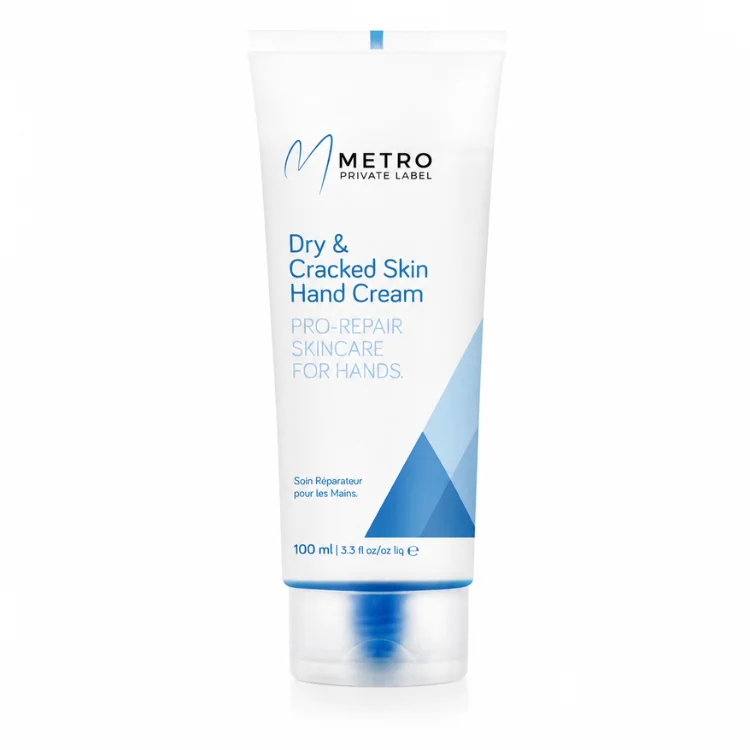
Dry & Cracked Skin Hand Cream
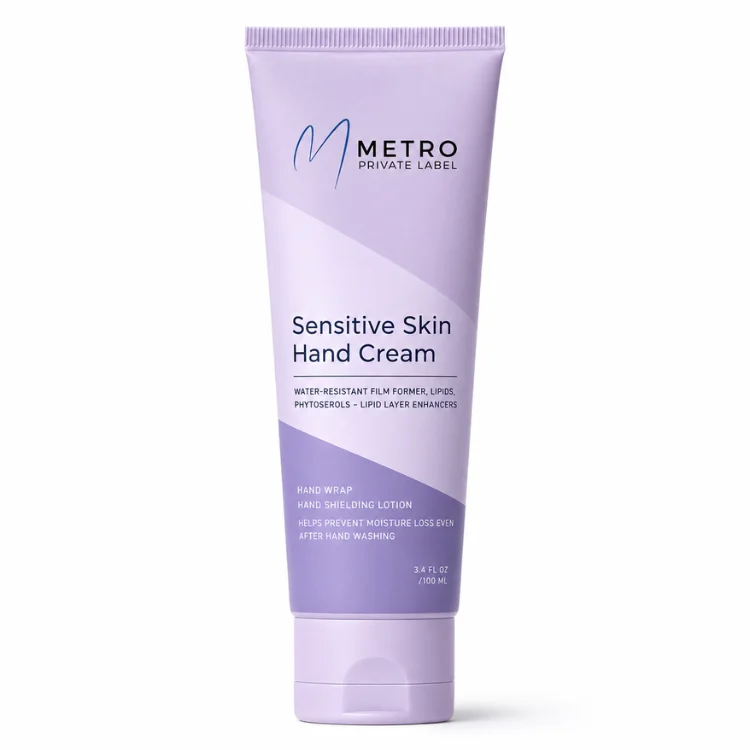
Sensitive Skin Hand Cream
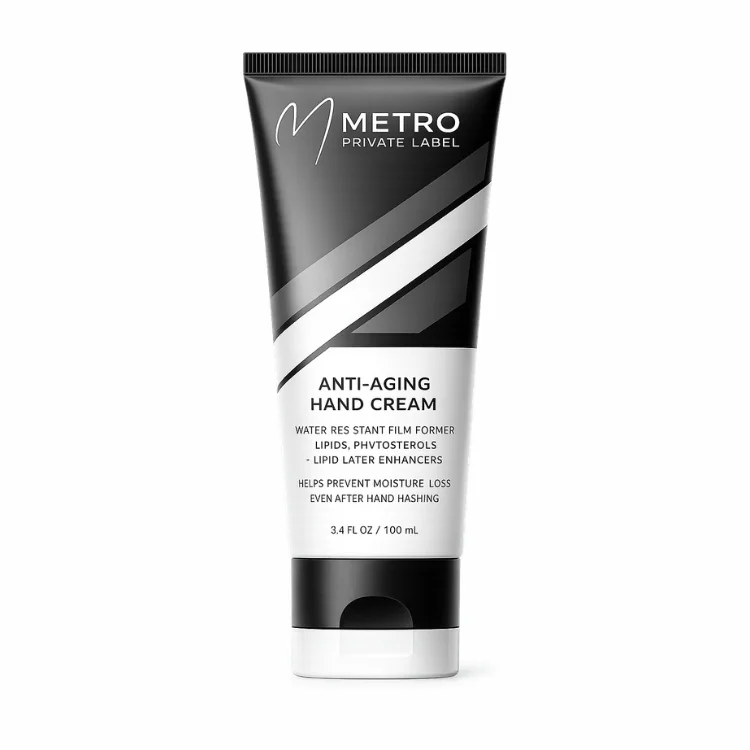
Anti-Aging Hand Cream
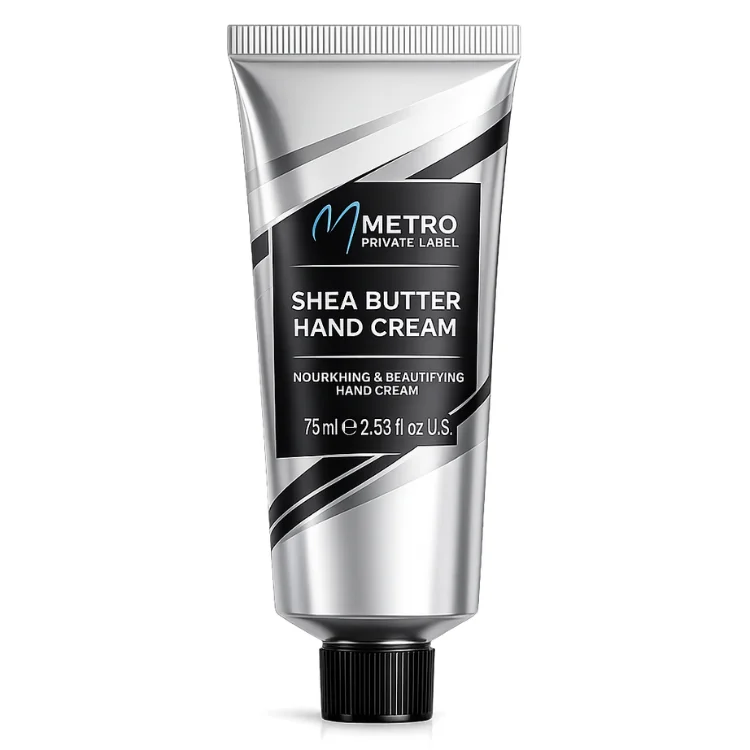
Shea Butter Hand Cream
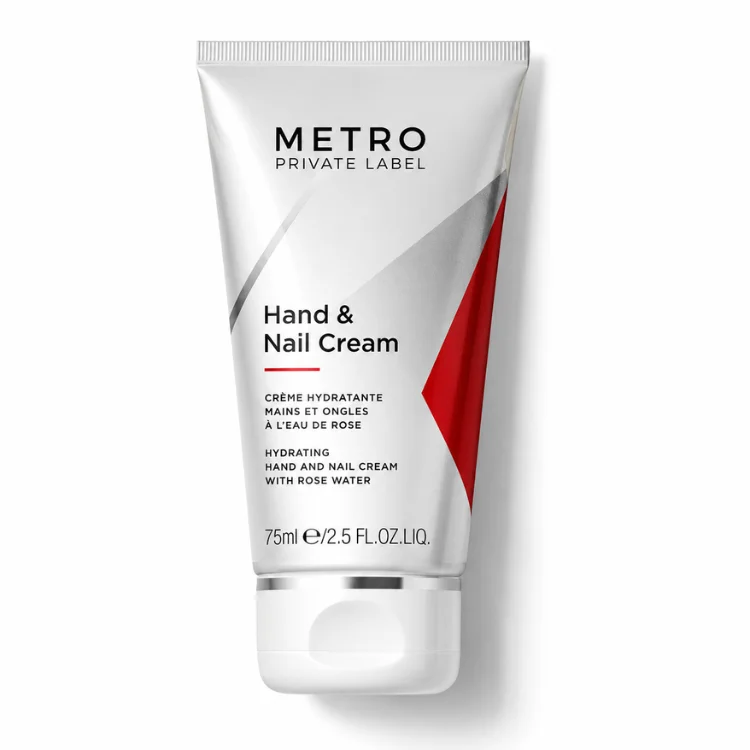
Hand & Nail Cream
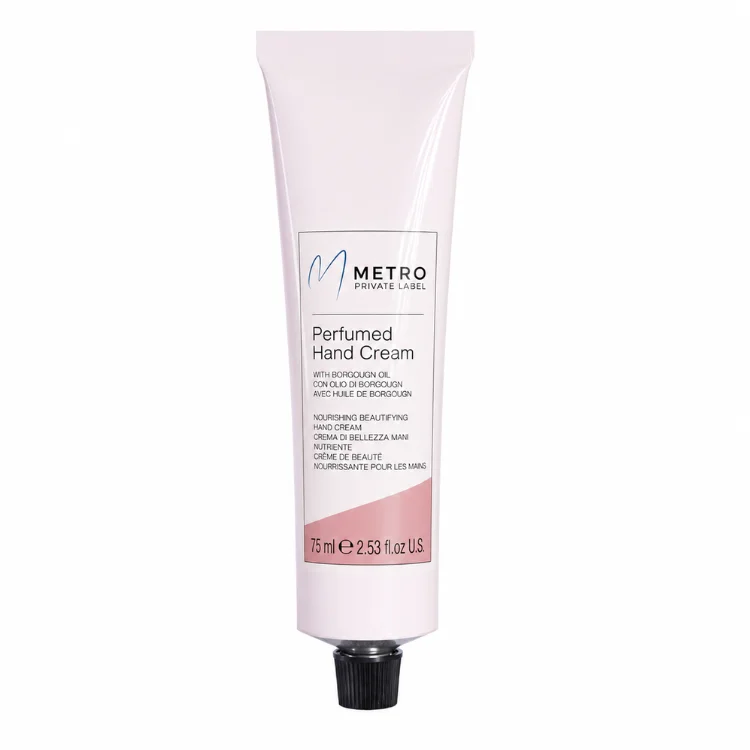
Scented / Perfumed Hand Cream
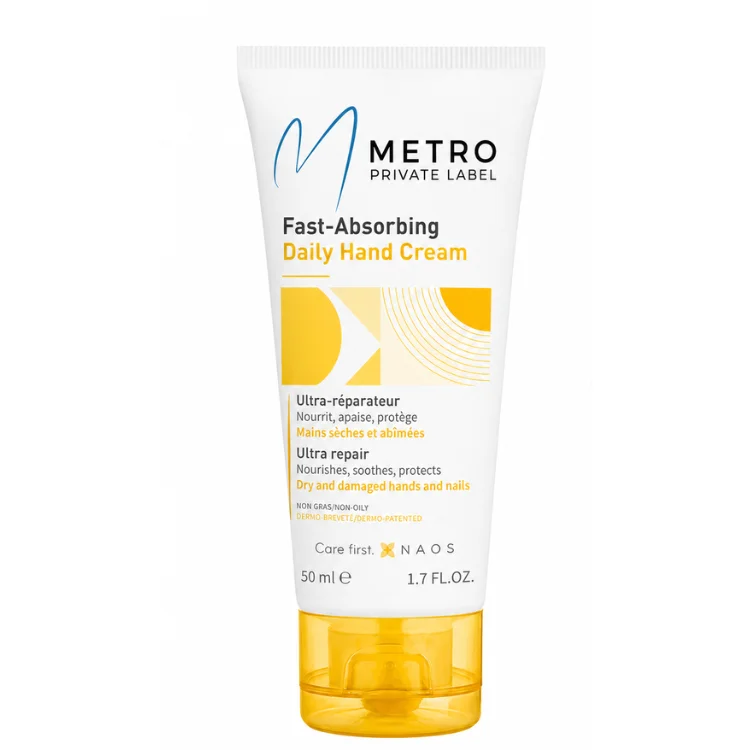
Fast-Absorbing Daily Hand Cream
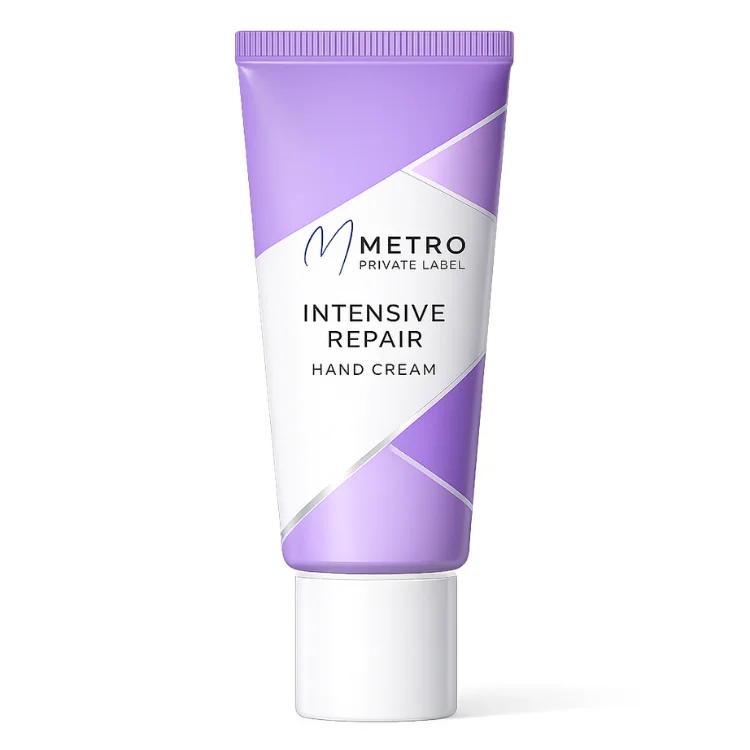
Overnight / Intensive Repair Hand Cream
Build a Private Label Hand Cream Line That Fits Today's Market
If you’re looking for a private label hand cream manufacturer, chances are you’re not simply adding another product to your catalog. You’re looking for a hand care line that fits your customers, complements your existing skincare range, and has real sales potential.
From our experience working with beauty brands, Amazon sellers, clinics, and distributors, the strongest-performing hand creams are rarely built around a single trendy ingredient. Instead, they’re developed to solve a specific consumer need—whether that’s repairing dry hands, supporting sensitive skin, providing anti-aging care, or creating a premium everyday experience.
That’s exactly how we approach product development. We help you choose the right product direction based on current market demand, your target customers, and your brand positioning, so you’re launching products people are already looking for—not simply following trends.
Our 8 Core Private Label Hand Cream Types
Dry & Cracked Skin Hand Cream: One of the highest-demand categories for everyday hand care. Designed for intensive hydration and skin repair, making it an excellent choice for pharmacy brands, Amazon sellers, and winter skincare collections.
Sensitive Skin Hand Cream: Created for consumers looking for gentle, fragrance-free or low-irritation formulas. A popular direction for clinic brands, clean beauty collections, and families with sensitive skin.
Anti-Aging Hand Cream: A premium category focused on improving skin texture, elasticity, and the appearance of aging hands. Ideal for brands expanding their anti-aging product portfolio.
Shea Butter Hand Cream: A timeless bestseller that combines rich nourishment with broad consumer recognition. Perfect for retail brands, gift collections, and everyday moisturizing lines.
Hand & Nail CreamDeveloped to care for both hands and cuticles in one product, making it a practical addition to beauty retailers, salon collections, and lifestyle brands.
Scented Hand Cream: Designed for brands that want to combine skincare with a memorable fragrance experience. Frequently chosen for premium, seasonal, and gift-focused product lines.
Fast-Absorbing Daily Hand Cream: Lightweight, non-greasy formulas that fit modern lifestyles and repeated daily use. Especially popular among office workers and active consumers.
Overnight Repair Hand Cream: A richer treatment formula created for intensive overnight care. Ideal for brands looking to offer a complete hand care routine with visible overnight hydration.
Manufacturing That Supports Real Brand Growth
We know that choosing a manufacturer is about much more than comparing prices. You’re looking for a partner who understands product positioning, quality, packaging, and launch planning.
Our MOQ depends on the packaging format you choose. For stock bottles or jars, MOQ can start from 1,000 units per SKU, which is suitable for small-batch market testing. For soft tube packaging, the typical MOQ usually starts from 5,000 units per SKU because printed tubes require a higher production minimum.
Before production, we help you evaluate the most practical packaging option based on your budget, brand positioning, and launch plan, so your hand cream project can start with a realistic cost structure and scale more smoothly.

More Than Just a Private Label Hand Cream Manufacturer
At Metro Private Label, we know that launching a successful hand cream brand is about much more than filling tubes or jars. Whether you’re selling on Amazon, building a Shopify brand, supplying retail stores, or developing a clinic-exclusive line, your success depends on choosing products that customers want to buy—and a manufacturing partner who understands that.

Develop Products Around Real Market Demand
We don’t recommend products simply because they’re easy to manufacture. We help you choose hand cream concepts that already have proven demand, such as repair, sensitive skin, anti-aging, fast-absorbing, or premium scented collections. Building around familiar product categories makes it easier for customers to understand your products and gives your brand a stronger starting point.

Choose Packaging That Fits Your Launch Budget
We believe packaging decisions should support your business, not increase unnecessary costs. Stock bottles and jars can start from 1,000 units per SKU, while custom printed soft tubes typically require 5,000 units per SKU. We’ll help you choose the most practical option based on your budget, launch plan, and long-term growth goals.
Create Products Customers Want to Buy Again
A successful hand cream isn’t judged only by its ingredients. Texture, absorption, fragrance, packaging, and consistency all influence whether customers come back for a second purchase. We focus on delivering a reliable product experience that helps support positive reviews, repeat orders, and long-term brand growth.
One Manufacturing Partner from Idea to Launch
Launching a private label product involves much more than production. We help simplify the entire process by supporting formula development, packaging coordination, label guidance, and compliance documentation. Instead of managing multiple suppliers, you can work with one experienced team focused on helping you bring your hand cream to market more efficiently and with greater confidence.
Build a Private Label Hand Cream Line That Fits How Customers Buy Today
At Metro Private Label, we don’t believe a successful hand cream starts with choosing a trendy ingredient. It starts with understanding what your customers actually need and what they’re already searching for.
Over the years, we’ve found that the strongest-performing hand creams are built around clear product benefits such as repairing dry hands, soothing sensitive skin, anti-aging care, or lightweight daily hydration. These are product concepts that customers immediately understand, making them easier to position, market, and sell.
Developed Around Real Market Demand
We help brands develop hand cream collections based on proven consumer demand rather than short-term trends. Whether you’re building an everyday moisturizing line, a premium anti-aging collection, a clinic-exclusive repair product, or a fragrance-focused gift range, we’ll help you choose a direction that fits both your audience and your business goals.
Packaging & MOQ That Match Your Launch Plan
We believe every brand should start with a production strategy that makes commercial sense. For stock bottles and jars, MOQ can begin from 1,000 units per SKU. If you choose custom printed soft tubes, the typical MOQ starts from 5,000 units per SKU. We’ll help you select the packaging option that best balances budget, brand image, and future growth.
A Manufacturing Process You Can Plan Around
Launching a new product is much easier when you know what comes next. From formula development and sampling to packaging confirmation, production scheduling, and shipment, we keep every stage clear and transparent so you can make informed decisions and keep your launch on schedule.
Supporting Long-Term Brand Growth
We don’t see hand cream as a standalone product. We see it as part of a complete hand care or body care collection that can grow with your brand. Whether your next step is adding body lotion, body butter, hand wash, or foot care products, we’re here to help you build a product line that supports repeat purchases and long-term business growth.
FAQs Hand Cream
For your convenience, we’ve gathered the most commonly asked questions about our Hand Cream . However, should you have any further queries, please don’t hesitate to reach out to us.
1. What types of private label hand creams can you manufacture?
We manufacture a wide range of hand creams, including moisturizing, dry & cracked skin, sensitive skin, anti-aging, shea butter, hand & nail, fast-absorbing daily care, overnight repair, and scented hand creams. If you already have a product idea, we’ll help you choose the formula that best fits your target market.
2. Can we customize the formula for our brand?
Absolutely. We can customize the texture, fragrance, active ingredients, finish, and overall product positioning. Whether you’re building a pharmacy-inspired repair cream or a premium scented collection, we’ll help develop a formula that reflects your brand.
3. What is your MOQ for private label hand cream?
MOQ depends on the packaging. If you choose stock bottles or jars, MOQ starts from 1,000 units per SKU. For custom printed soft tubes, the typical MOQ starts from 5,000 units per SKU because of tube production requirements. We’ll recommend the most practical option based on your launch plan.
4. How long does product development and production take?
Most hand cream samples are ready within 7–10 working days after confirming the formulation requirements. Mass production generally takes 25–35 days, depending on packaging availability and order quantity.
5. Can you help us choose the right hand cream for our customers?
Yes. Many clients already know their sales channel but aren’t sure which product direction to launch first. Based on your target customers, pricing, and brand positioning, we’ll recommend the hand cream concepts that are most suitable for your business.
6. Do you provide packaging and label support?
Yes. We can coordinate bottles, jars, soft tubes, labels, folding cartons, and shipping cartons. Our goal is to simplify the process, so you don’t have to source packaging from multiple suppliers.
7. Do you offer both stock formulas and custom formulations?
Yes. If speed is your priority, you can start with one of our proven stock formulas. If you’re building a differentiated brand, we can also develop a custom formulation based on your product goals and ingredient preferences.
8. What documents can you provide for international markets?
We can provide commonly requested cosmetic documents such as INCI lists, COA, MSDS, and ingredient information. If your market requires additional documentation, we’ll discuss the available options with you before production begins.
9. How do you ensure consistent product quality?
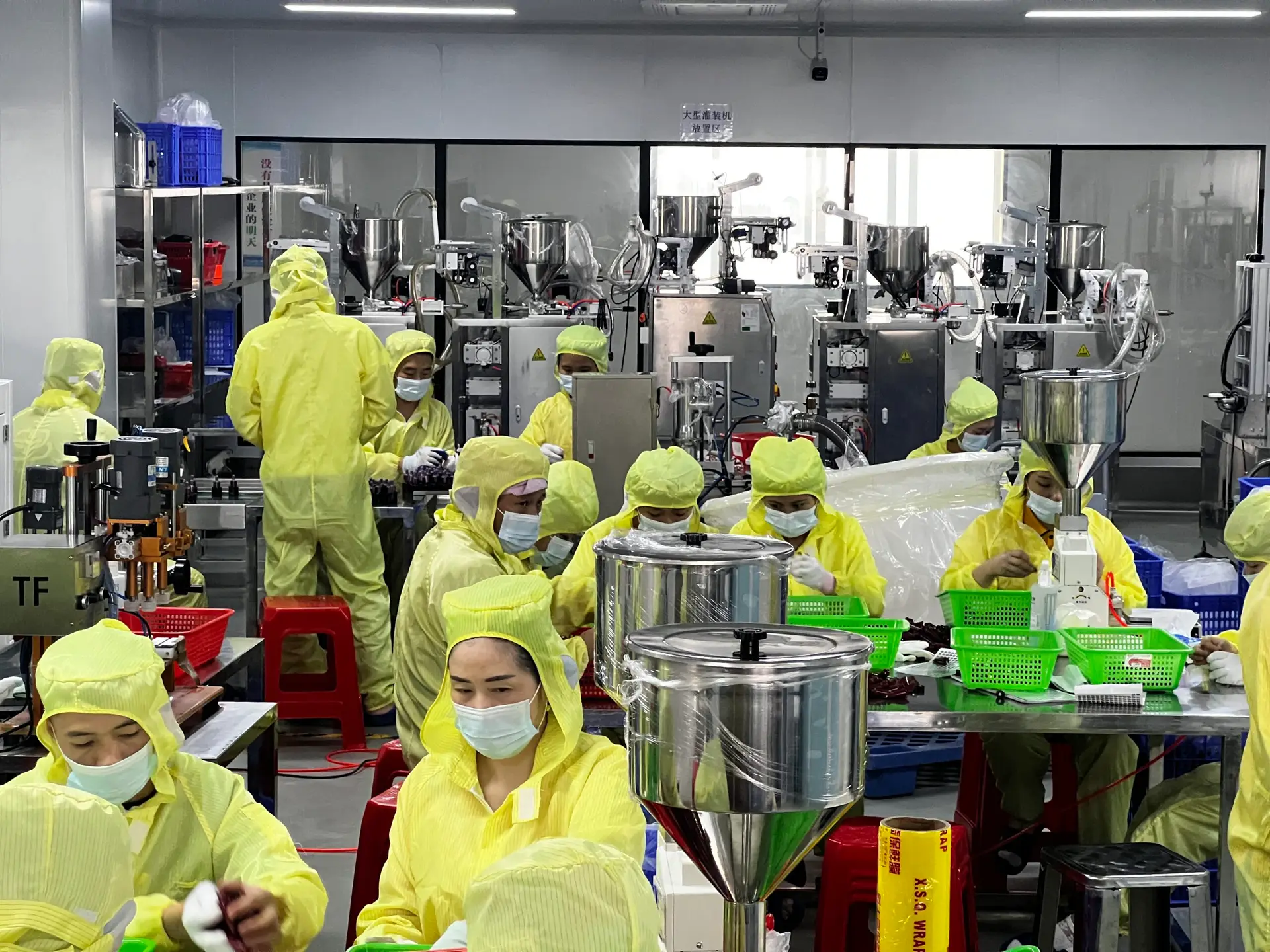
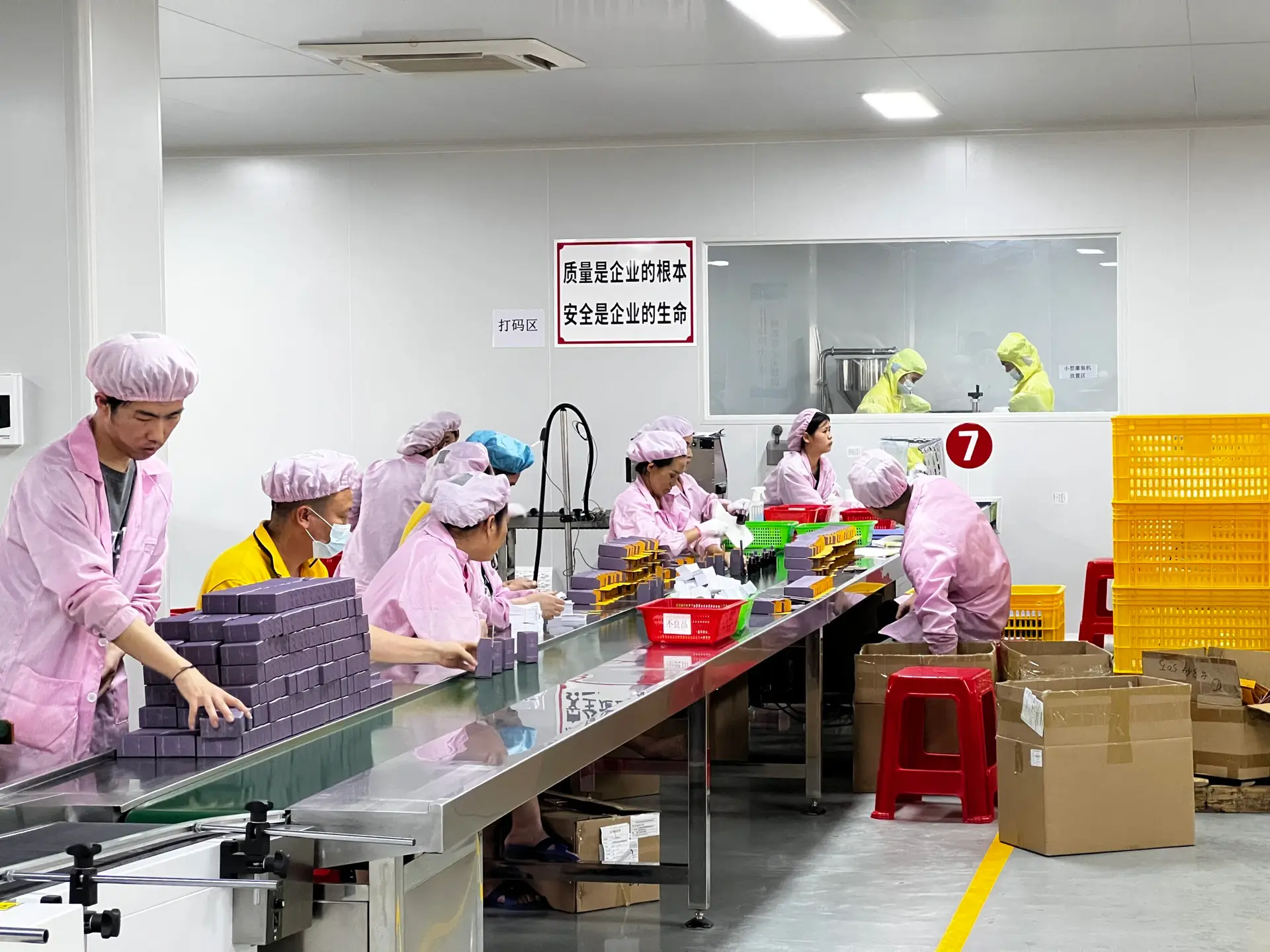
We focus on consistency throughout every production batch by controlling raw materials, manufacturing processes, filling, and packaging compatibility. Our goal is to make sure your customers receive the same product experience every time they repurchase.
10. Can you support brands outside China?
Absolutely. We work with Amazon sellers, Shopify brands, beauty founders, distributors, and clinics in many countries. From sampling and production to export documentation and shipping coordination, we’ll help make your private label hand cream project as smooth and straightforward as possible.
"We were looking for more than a factory—we wanted a team that understood how to build a product customers would actually buy. Metro Private Label helped us refine the formula, choose the right packaging, and make practical decisions that fit our launch budget. The entire process felt organized and transparent."
Emily Carter, Brand Founderfrom United Kingdom
"What impressed us most was how quickly Metro Private Label understood our business model. They didn't just send a quotation—they discussed MOQ, packaging options, lead times, and product positioning. That made it much easier for us to launch a new hand cream line with confidence."
Michael Thompson, E-commerce Operations Managerfrom United States
"We had a clear product vision but needed a manufacturing partner who could turn it into a commercially viable product. Metro Private Label explained every stage clearly, from sampling to production, and helped us avoid several costly packaging decisions before mass production."
Sophie Dubois, Product Development Specialistfrom France
"As a distributor, consistency is extremely important to us. Metro Private Label provided reliable communication, realistic production schedules, and stable product quality throughout the project. It has been easy to plan repeat orders because we know exactly what to expect."
Lars Andersen, Purchasing Managerfrom Denmark
"We wanted a professional hand cream that reflected our clinic's brand and could encourage repeat purchases from our clients. Metro Private Label helped us develop a product that matched our positioning while making the entire development process straightforward and easy to manage."
Olivia Mitchell, Clinic Directorfrom Australia





Metro Private Label in Numbers
Happy Clients
0 +
Million-dollar Buyers
0 +
Formulation
0 +
Professional Staffs
0 +
Your Ultimate Guide to Hand Cream
If you’re planning to launch a private label hand cream, you’re doing much more than adding another skincare product to your collection. You’re entering one of the most practical and consistently purchased categories in the beauty industry. Unlike trend-driven products that often experience short sales cycles, hand creams are used throughout the year by consumers dealing with dry skin, frequent hand washing, seasonal weather changes, and everyday skin maintenance. When positioned correctly, a hand cream can become a daily essential rather than an occasional purchase, helping brands generate stronger repeat sales and build long-term customer loyalty.
Over the years, we’ve seen hand creams evolve from simple moisturizers into products with much clearer positioning. Today’s consumers don’t just want hydration—they look for fast-absorbing textures, barrier repair, sensitive skin support, anti-aging benefits, clean ingredient stories, and packaging that fits naturally into their everyday routine. At Metro Private Label, we’ve found that the brands growing most successfully are those that think beyond the formula itself. They plan product positioning, packaging strategy, retail pricing, production volume, and future product expansion from the very beginning instead of trying to solve these challenges after launch.
This guide is based on what we’ve learned from helping beauty founders, Amazon sellers, Shopify brands, distributors, and clinic owners develop private label skincare products for different markets. Rather than focusing only on ingredients or manufacturing processes, we want to share the commercial decisions that often determine whether a hand cream becomes a successful long-term product. We’ll explore how to choose the right product concept, select packaging that matches your launch strategy, control manufacturing costs, reduce inventory risk, prepare for compliance requirements, and build a hand care collection that can continue growing alongside your brand.
Table of Contents
How to Choose the Right Hand Cream Before You Contact a Manufacturer
Choosing a private label hand cream is one of the most important decisions you’ll make before launching a skincare product. In my experience, many brands spend too much time comparing manufacturers and quotations before they’ve clearly defined what they want to sell. The reality is that the most successful product launches rarely begin with a factory—they begin with a deep understanding of the customer, the sales channel, and the commercial opportunity. Once those foundations are in place, every decision that follows, from formulation to packaging, becomes much easier and more strategic.
Why Many Brands Contact a Manufacturer Too Early
Before discussing formulas, pricing, or production schedules, I always encourage brands to step back and ask a more important question: “What problem is this product solving, and who is it for?” This simple shift in thinking often determines whether a project moves efficiently or becomes stuck in endless revisions.
Over the years, I’ve noticed that many first-time brand owners contact manufacturers immediately after deciding they want to launch a hand cream. Their first questions are usually about MOQ, pricing, or lead time. While those questions are understandable, they often overlook the bigger picture. Without a clear product direction, every subsequent decision becomes more complicated because there is no commercial strategy guiding the development process.
The brands that move from concept to market more efficiently almost always spend time defining their business before discussing manufacturing. They already know who their customers are, how they plan to sell the product, and where the hand cream fits within their overall product collection. As a result, conversations with the manufacturer become focused, practical, and much more productive.
Start with Your Customer, Not Your Ingredients
I believe one of the biggest misconceptions in product development is that choosing ingredients should be the first step. While ingredients certainly matter, they only create value when they solve a problem that customers already recognize and care about.
Whenever I begin discussing a new hand cream project, I rarely start by recommending Shea Butter, Ceramides, or Hyaluronic Acid. Instead, I ask clients to describe the people they want to serve. Are they targeting office professionals who wash their hands frequently? Are they creating a premium anti-aging skincare line? Are they supplying beauty clinics looking for post-treatment care? Or are they developing an affordable everyday product for online marketplaces?
Once I understand the target customer, selecting the appropriate formulation becomes much more logical. Every ingredient, texture, fragrance, and packaging decision should reinforce the same product positioning. This approach not only creates a more consistent customer experience but also makes the product easier to market because the message remains clear from the beginning.
Your Sales Channel Should Shape Your Product Strategy
Different sales channels create different customer expectations. I have found that one of the fastest ways to improve product planning is to think about where the hand cream will actually be sold before deciding how it should be formulated.
For example, Amazon shoppers usually compare products within seconds. They respond well to clear product benefits, recognizable ingredients, competitive pricing, and strong customer reviews. Shopify brands, on the other hand, often have greater flexibility to build premium branding, educational storytelling, and emotional customer experiences. Beauty clinics typically focus on professional positioning, gentle formulations, and products that encourage repeat purchases after treatments. Distributors usually prefer proven product concepts with stable supply, consistent quality, and broad market appeal.
When I understand a client’s primary sales channel, I can recommend product concepts that better align with how their customers discover, evaluate, and purchase skincare products. This creates a stronger connection between the product itself and the business model behind it.
Define Your Price Position Before Developing the Formula
Many new brands assume that pricing should be calculated after product development has finished. In reality, I believe pricing should influence almost every decision made throughout the project.
A premium hand cream designed for luxury retailers requires a completely different strategy from an everyday moisturizing product intended for supermarkets or online marketplaces. Packaging quality, fragrance selection, ingredient combinations, decoration techniques, and even filling methods all contribute to the final production cost. If these factors are considered too late, brands often find themselves redesigning products simply to reach their desired retail price.
I always recommend establishing a realistic target retail price and expected market position before discussing formulation details. This allows every development decision to support the same commercial objective while avoiding unnecessary costs later in the process.
Choosing the Right Product Direction Creates a Stronger Launch
The most successful skincare brands I’ve worked with rarely succeed because they discovered a revolutionary ingredient. More often, they succeed because every part of the product—from the formula and packaging to the pricing and marketing—supports the same clear business strategy.
When I see brands take the time to understand their customers, define their positioning, and choose realistic production goals before contacting a manufacturer, the entire project becomes smoother. Formula development requires fewer revisions, packaging decisions become easier, production planning becomes more predictable, and product launches happen with greater confidence.
For me, manufacturing has never been simply about producing a hand cream. It’s about helping brands build products that make commercial sense, connect with the right customers, and provide a strong foundation for future product expansion. That’s why I always believe the most important decision happens before the first sample is ever produced.
Why Most First-Time Hand Cream Brands Choose the Wrong Packaging
When people think about launching a private label hand cream, packaging is usually one of the first decisions they make. I completely understand why—it is the first thing customers see and one of the strongest visual expressions of a brand. However, after working with beauty founders, e-commerce operators, distributors, and clinic owners, I’ve learned that packaging is also one of the most misunderstood parts of product development. The brands that launch successfully rarely choose packaging based on appearance alone. Instead, they evaluate how it affects production costs, minimum order quantities, logistics, customer perception, and long-term business growth. In my experience, understanding these factors before speaking with a manufacturer can save both time and money while helping brands make far better commercial decisions.
Beautiful Packaging Doesn’t Always Create a Better Product
I often see first-time brand owners spend weeks searching for the perfect tube or luxury jar before they have even finalized their product strategy. While beautiful packaging is important, I believe it should support the business rather than drive it. A premium-looking package can certainly attract attention, but if it significantly increases your production costs or delays your launch, it may not be the right decision for an early-stage brand.
What I’ve found over the years is that successful brands usually focus on finding the right balance. They choose packaging that reflects their positioning while remaining practical for manufacturing and distribution. Instead of asking, “Which package looks the most expensive?” I encourage clients to ask, “Which package helps my brand launch successfully and remain profitable?” That small change in thinking often leads to much better decisions.
Your Packaging Choice Influences More Than Brand Appearance
Many people assume packaging is simply a design decision. From my perspective, it is actually one of the most strategic business decisions in the entire development process because it influences far more than visual presentation.
Every packaging format communicates something different to the customer. Soft tubes naturally feel convenient, hygienic, and suitable for daily use, making them one of the most popular choices for hand creams. Jars often create a richer and more premium experience, while bottles can support modern skincare collections or clinic-inspired product lines. Beyond branding, each option also affects production efficiency, filling methods, transportation, shelf presentation, and customer experience after purchase.
When I help clients evaluate packaging, I always consider both the marketing message and the operational impact. A package should not only look attractive but also support the way the product will be manufactured, shipped, displayed, and used.
Understanding MOQ Before Choosing Your Packaging
One of the biggest surprises for many first-time buyers is learning that packaging directly affects minimum order quantities. I have seen brands carefully select a package they love, only to discover later that it requires a much larger production volume than they originally planned.
For private label hand creams, this is particularly important. Custom printed soft tubes typically require a minimum order quantity of around 5,000 units per SKU because the tube itself must be manufactured and printed before filling begins. On the other hand, stock bottles or jars combined with custom labels can often start from around 1,000 units per SKU, making them a much more practical solution for brands testing a new market or launching their first product.
I’ve worked with clients who initially planned to use custom tubes but later decided to launch with stock packaging after understanding the financial implications. That decision allowed them to validate customer demand, preserve cash flow, and upgrade their packaging after the business had already started generating sales. In many cases, taking a phased approach creates much lower commercial risk without sacrificing long-term brand potential.
Packaging Costs Extend Far Beyond the Container
Another misconception I frequently encounter is that packaging cost is simply the price of the tube, bottle, or jar. In reality, packaging influences almost every part of the manufacturing process.
Decoration techniques such as silk-screen printing, hot stamping, UV coating, soft-touch finishes, or custom color matching all increase production complexity. Packaging dimensions affect shipping efficiency, carton sizes, pallet utilization, and international freight costs. Even details such as cap design, tube thickness, or bottle shape can influence filling speed and manufacturing efficiency.
This is why I always encourage clients to look at packaging as a complete investment rather than a single purchase. Evaluating the total cost of ownership instead of focusing only on the unit price leads to much more informed business decisions and helps prevent unexpected expenses later in the project.
The Best Packaging Strategy Supports Long-Term Brand Growth
One lesson I have learned from many successful skincare launches is that the strongest brands rarely try to achieve everything in their first production run. Instead, they build their products step by step, allowing the business to grow alongside the brand.
I often recommend that first-time founders focus on launching efficiently rather than launching perfectly. Choosing practical stock packaging, validating market demand, collecting customer feedback, and generating repeat sales creates a much stronger foundation than investing heavily in custom packaging before the product has proven itself. Once the brand gains traction, upgrading to custom molds, premium decoration, or exclusive packaging becomes a strategic investment rather than a financial gamble.
From my perspective, great packaging is never just about appearance. It is about choosing a solution that aligns with your budget, supports your positioning, simplifies manufacturing, and gives your business room to scale. When those elements come together, packaging becomes much more than a container—it becomes an important part of your long-term growth strategy.
Case Study: How We Helped a New Brand Launch Its First Hand Cream Collection
One of the questions I hear most often is whether a new brand needs to have everything figured out before contacting a manufacturer. My answer is almost always no. Some of the most successful projects I’ve worked on didn’t begin with a complete product specification—they began with a clear business ambition and a willingness to make practical decisions along the way. This case study reflects a situation I’ve encountered more than once: a founder with a strong brand vision but limited product development experience. What made the project successful wasn’t a revolutionary formula or an unlimited budget. It was the decision to prioritize market readiness over unnecessary complexity, allowing the brand to launch efficiently while creating a solid foundation for future growth.
The Project Started with a Brand, Not a Product
Before discussing formulation or packaging, I always try to understand where a client is in their business journey. In this project, the founder had already invested time and energy into building a professional brand identity. The logo had been designed, the brand story was clear, and the target market had been roughly defined. However, there was still no confirmed formula, packaging format, retail price, or product roadmap.
I see this situation quite frequently among first-time beauty entrepreneurs. Many founders naturally begin with branding because it feels tangible and exciting, but they often underestimate how many commercial decisions still need to be made before production can begin. Rather than rushing into quotations, I chose to spend time understanding the client’s long-term goals, expected sales channel, and customer profile. Those conversations became the foundation for every decision that followed.
Why We Recommended a Fast-Absorbing Repair Hand Cream
Once I understood the client’s business model, it became clear that simplicity would create the strongest commercial advantage. The target customers were everyday consumers looking for a reliable hand cream that could be used multiple times throughout the day without leaving a heavy or greasy feeling. They weren’t searching for an overly technical formula with dozens of active ingredients. They wanted a product that solved a common problem in a straightforward and trustworthy way.
Based on that understanding, I recommended developing a fast-absorbing repair hand cream with a clear focus on hydration and skin barrier support. In my experience, first-time brands often achieve better results when they solve one customer problem exceptionally well rather than trying to compete across multiple skincare claims. A focused product is easier to explain, easier to market, and much easier for customers to understand within just a few seconds of seeing it online or on a retail shelf.
Choosing Stock Packaging Was a Strategic Business Decision
Packaging became the next major discussion, and it was also where the client faced the biggest decision. Their original idea was to use fully customized printed soft tubes because they believed this would create a stronger premium image from the beginning.
Rather than simply accepting that request, I explained how different packaging formats influence manufacturing. Custom printed soft tubes generally require significantly higher minimum order quantities, making them a larger financial commitment for a first production run. Since the brand had not yet validated market demand, I believed reducing risk was more valuable than maximizing customization.
Together, we selected stock packaging combined with professionally designed custom labels. This allowed the client to maintain a polished brand appearance while reducing the initial investment and keeping future options open. If the product performed well after launch, upgrading to fully customized packaging would become a commercial decision supported by actual sales rather than assumptions.
Small Refinements Created a Better Customer Experience
After confirming the packaging format, we shifted our attention to the product presentation. The client’s original artwork already reflected the personality of the brand, but I noticed that several important messages competed for attention. Instead of adding more visual elements, I suggested simplifying the information hierarchy so customers could immediately recognize the product name, its primary benefit, and the overall positioning.
Over the years, I’ve learned that successful packaging is rarely the most complicated. It communicates clearly, builds trust quickly, and helps customers understand why they should choose the product. Those seemingly small design refinements often have a greater impact on purchasing decisions than adding another decorative finish or marketing claim.
Launching Faster Created More Opportunities for Growth
Once the formulation, packaging, and artwork had been finalized, the sampling process moved smoothly into production because the major strategic decisions had already been made. Instead of spending months revising unnecessary details, the client was able to focus on preparing marketing materials, building sales channels, and planning the product launch.
Looking back, I believe the greatest success of this project wasn’t simply that a new hand cream reached the market. It was that the client entered the market with a realistic investment, a commercially focused product, and a clear understanding of how to expand the brand in the future. That practical approach created momentum instead of financial pressure, allowing future product development to be driven by customer feedback rather than guesswork.
The Lesson I Continue to Share with Every New Brand
This project reinforced a lesson I continue to share with almost every founder I work with. A successful first product doesn’t have to be the most innovative product in the market. It needs to fit the target customer, align with the brand’s positioning, and be practical to manufacture within the available budget.
Whenever I guide a new hand cream project, I try to help clients avoid making decisions based solely on trends or appearances. Instead, I encourage them to focus on commercial sustainability, customer expectations, and realistic growth. In my experience, brands that keep their first launch simple, validate demand quickly, and build step by step are usually the ones that develop stronger product portfolios and healthier businesses over the long term.
Why Consumers Buy Hand Creams for Benefits, Not Ingredients
When I speak with new beauty founders and private label clients, one misconception appears again and again. Many believe that adding the latest trending ingredient is the fastest way to create a successful hand cream. While ingredients certainly play an important role in formulation, I’ve found that they are rarely the main reason consumers make a purchase. In the real market, customers don’t buy ingredient lists—they buy solutions that improve their daily lives. Understanding this difference changes how successful brands develop products, position them, and communicate their value. In my experience, brands that focus on solving customer problems before promoting ingredients usually create products that are easier to market, easier to understand, and more likely to generate repeat purchases.
Consumers Think About Their Skin Problems, Not Cosmetic Ingredients
Before discussing formulation, I always encourage clients to think like their customers instead of thinking like product developers. This simple change in perspective often leads to much stronger product positioning.
Most consumers don’t search online because they suddenly want Ceramides, Panthenol, Niacinamide, or Shea Butter. They search because their hands feel dry after frequent washing, become rough during winter, react to sensitive skin conditions, or simply need comfortable daily hydration. Their purchasing journey almost always begins with a visible problem or an everyday frustration rather than with a technical ingredient.
This is one of the biggest lessons I’ve learned from working with skincare brands. Ingredients support the solution, but they rarely become the reason someone starts looking for a product. Once a customer believes a hand cream can solve their problem, the ingredients become supporting evidence that builds trust and confidence in the purchase.
Clear Product Benefits Make Purchasing Decisions Easier
Whenever I review successful hand cream brands, I notice that their messaging is usually very simple. Instead of asking customers to understand cosmetic chemistry, they clearly explain what the product is designed to do.
A product described as a “Repair Hand Cream for Dry & Cracked Hands” immediately communicates its purpose. A “Fast-Absorbing Daily Hand Cream” creates an expectation about texture and everyday use. A “Sensitive Skin Hand Cream” instantly tells customers whether the product is relevant to their needs.
From my experience, reducing the amount of thinking required during the purchasing process is incredibly valuable. Customers rarely want to decode complicated formulation stories. They want reassurance that the product fits their lifestyle and solves a problem they already recognize. When the positioning is clear, the ingredients naturally become easier to appreciate because customers already understand why they are included.
Trending Ingredients Should Strengthen the Positioning
Every year the beauty industry introduces new hero ingredients that quickly become popular across social media, influencer content, and product launches. While these trends can create opportunities, I’ve also seen brands become overly focused on following ingredient trends instead of building products with long-term commercial value.
I believe the strongest products always begin with a clear positioning strategy. Once I know whether a client wants to develop a repair hand cream, an anti-aging hand cream, or a lightweight everyday moisturizer, selecting the appropriate ingredients becomes much more logical. The ingredients should strengthen the product story rather than replace it.
When brands reverse this process and build an entire product around a trending ingredient, they often struggle to explain why consumers should actually choose the product. Trends change quickly, but customer needs remain surprisingly consistent. Dry hands, damaged skin barriers, sensitivity, and the desire for comfortable daily hydration are concerns that continue year after year, regardless of which ingredient happens to be popular.
Strong Positioning Creates Better Marketing Across Every Sales Channel
One reason I encourage clients to prioritize product benefits is because it creates stronger marketing across every sales platform. Whether a product is sold through Amazon, Shopify, beauty retailers, distributors, or professional clinics, customers still want immediate clarity about what the product can do for them.
Amazon shoppers often compare multiple products within seconds, making clear benefit-driven messaging essential. Shopify brands usually have more space to tell their brand story, but they still need visitors to understand the product almost immediately. Retail shelves are crowded with competing products, while clinic recommendations depend heavily on customer trust and professional credibility.
Across every sales channel I’ve worked with, I’ve consistently found that products with simple, benefit-focused positioning outperform products that rely solely on technical ingredient communication. Ingredients certainly add credibility, but benefits are what capture attention and encourage customers to continue reading.
The Best Brands Balance Science with Everyday Language
Sometimes clients worry that simplifying their messaging will make the product appear less professional. I actually believe the opposite is true. The most successful skincare brands I’ve worked with are excellent at translating complex cosmetic science into language that ordinary consumers immediately understand.
Behind every high-quality hand cream is a great deal of formulation work involving ingredient compatibility, stability testing, texture optimization, preservation systems, and manufacturing controls. Consumers rarely see that technical process, nor do they need to. What matters most is that the science delivers a product that feels pleasant to use and consistently performs as promised.
My role as a manufacturer is to ensure that the formulation is scientifically sound while helping brands communicate its value in a way that feels relevant, trustworthy, and easy to understand. When science supports a clear customer benefit instead of competing with it, the entire product becomes much stronger.
Successful Brands Sell Confidence, Not Complexity
Looking back at the many private label hand cream projects I’ve been involved with, I continue to see the same pattern. The brands that achieve sustainable growth are rarely the ones with the longest ingredient lists or the newest cosmetic actives. More often, they are the brands that understand their customers deeply and communicate one clear promise exceptionally well.
Whenever I begin developing a new hand cream with a client, I encourage them to define the customer benefit before discussing formulation details. Once that foundation is established, every decision—from ingredient selection and packaging to branding and marketing—becomes more focused and commercially meaningful. In my experience, that approach not only produces a better hand cream, but also creates a brand that customers understand, trust, and choose to purchase again.
How Successful Brands Build More Than One Best-Selling Product
When I look back at the brands that have grown the fastest over the years, one pattern appears again and again. Their success was rarely built around a single bestselling product. Instead, they treated every successful launch as the starting point for the next commercial opportunity. A private label hand cream might be the product that introduces customers to the brand, but it is rarely the product that builds long-term customer loyalty on its own. From my experience, sustainable skincare businesses are built through carefully planned product collections that encourage repeat purchases, increase customer lifetime value, and strengthen brand recognition. Understanding this mindset early helps brands make better decisions long before they begin developing their second or third product.
A Hero Product Opens the Door, but a Product Line Builds the Business
Before thinking about expanding into multiple SKUs, I always encourage founders to understand the role of their first product. A hero product is incredibly important because it creates awareness, generates customer trust, and gives people a reason to try the brand for the first time. However, I rarely see a business continue growing simply because one product remains popular forever.
Consumer expectations naturally change after the first purchase. Once someone enjoys a hand cream and feels confident about its quality, they often begin wondering whether the same brand also offers complementary products for other daily skincare needs. If those products don’t exist, customers usually purchase them from another brand instead. Over time, that means lost revenue, weaker customer loyalty, and fewer opportunities to increase repeat purchases.
This is why I always view a successful hand cream as the beginning of a relationship with the customer rather than the final destination. The real business opportunity starts after the first sale, not before it.
Successful Brands Expand Around Customer Habits
One lesson I’ve learned from working with growing skincare brands is that product expansion should follow customer behavior rather than product trends. Instead of asking which category is currently popular, I prefer asking what customers naturally want after they have enjoyed using the first product.
A consumer who applies a hand cream several times a day may also need a gentle hand wash that won’t dry the skin. Someone who appreciates a repairing hand cream often looks for a nourishing body lotion or body butter using a similar skincare philosophy. During holidays, the same customer may purchase a gift set that combines several familiar products into a single collection.
When brands expand according to these natural purchasing habits, every new SKU feels connected instead of random. Customers immediately understand how the products work together, making it much easier for the brand to increase both trust and average order value.
Product Collections Create Stronger Commercial Value
From a manufacturing perspective, I don’t simply see additional SKUs as more products. I see them as opportunities to build a stronger business model.
When a brand offers a complete hand care or body care collection, existing customers have more reasons to return instead of shopping elsewhere. Marketing investments also become more efficient because acquiring one customer can generate multiple future purchases. Retail buyers often feel more confident introducing brands that offer complete product ranges because they occupy more shelf space and create a stronger visual presence. Clinic owners benefit in a similar way because they can recommend complete homecare routines instead of individual products, improving both customer satisfaction and long-term treatment outcomes.
I’ve found that these commercial advantages often become much more valuable than the revenue generated by any individual SKU.
Planning the Next Product Before Launching the First
One recommendation I frequently give new founders surprises them. I often encourage them to think about their second and third products before their first hand cream even enters production.
This doesn’t mean manufacturing everything immediately. Instead, I believe every first product should fit into a larger brand roadmap. If today’s hero product is a fast-absorbing repair hand cream, then tomorrow’s expansion might naturally include a moisturizing hand wash, a body lotion using similar ingredients, an intensive body butter for nighttime care, and eventually seasonal gift sets for retail promotions.
Thinking ahead in this way creates consistency across packaging, branding, product positioning, and future product development. Instead of making disconnected decisions every time a new idea appears, brands build a product ecosystem where each launch strengthens the previous one.
Growing Slowly Often Creates Faster Long-Term Success
One of the biggest mistakes I see is brands trying to launch six or eight products simultaneously because they believe more products automatically create more sales. In reality, I’ve often found the opposite to be true.
Launching too many SKUs at once usually divides marketing budgets, increases inventory costs, complicates forecasting, and makes it difficult to understand which products customers truly value. Brands that begin with one well-positioned hero product often learn much more about their customers before expanding. They collect real sales data, customer reviews, and purchasing patterns, allowing future product decisions to be based on evidence rather than assumptions.
From my perspective, this staged approach reduces financial risk while creating a much stronger foundation for sustainable growth.
Long-Term Brands Think Beyond Individual Products
Looking across the private label skincare projects I’ve supported, I continue to notice that the strongest brands rarely measure success by the performance of one product alone. Instead, they think about how every successful launch strengthens the entire business and creates opportunities for future expansion.
Whenever I help a client develop a private label hand cream, I don’t see it as an isolated project. I see it as the first chapter of a broader product strategy that can evolve into a complete hand care and body care collection over time. In my experience, brands that adopt this long-term mindset build stronger customer relationships, generate more repeat purchases, and create businesses that continue growing long after the excitement of the first product launch has passed.
What Really Determines the Cost of Private Label Hand Cream Manufacturing?
When I first begin discussing a new private label hand cream project with a client, one question almost always comes up within the first few minutes: “How much will each unit cost?” It’s an understandable question because manufacturing cost directly affects pricing strategy, profit margins, and the overall feasibility of launching a new brand. However, one thing I’ve learned after working on many private label skincare projects is that the answer is rarely as straightforward as most people expect. Many buyers naturally assume that the formula is the largest expense, but in reality, the final manufacturing cost is influenced by a combination of packaging, decoration, production volume, manufacturing efficiency, and logistics. Understanding how these factors work together allows brands to build a realistic budget, avoid unnecessary spending, and make commercial decisions that support long-term growth instead of simply chasing the lowest quotation.
The Formula Is Only One Part of the Manufacturing Cost
Before discussing packaging or production, I usually explain that the formula represents only one component of the overall manufacturing budget. This often surprises first-time founders because they spend considerable time comparing active ingredients, botanical extracts, and premium raw materials, believing these choices will determine most of the product cost.
In reality, while certain specialty ingredients certainly influence formulation expenses, the difference is often much smaller than expected. Once the project moves into production, additional costs such as packaging, filling, labeling, quality inspection, outer cartons, and export preparation begin contributing to the total investment. By the time the finished product is ready for shipment, the formula itself has become just one part of a much larger commercial equation.
This is why I always encourage clients to evaluate the finished product as a complete business investment rather than viewing the formulation in isolation.
Packaging Has a Greater Financial Impact Than Most Buyers Expect
If there is one factor that consistently changes project budgets, it is packaging. I have seen many clients spend weeks refining ingredient selections only to discover that a single packaging decision affects the final unit cost far more than any adjustment made to the formula.
The type of packaging selected influences procurement costs, manufacturing complexity, decoration methods, and minimum order quantities. For example, stock bottles or jars paired with professionally designed labels often provide a cost-effective solution for brands entering the market. In contrast, custom printed soft tubes require a dedicated production process and typically involve significantly higher minimum order quantities before manufacturing can even begin.
Decoration choices create another layer of cost. Silk-screen printing, hot stamping, matte finishes, UV coatings, metallic effects, and custom color matching all enhance brand presentation, but they also require additional manufacturing steps. From my experience, the most successful brands carefully balance visual impact with commercial practicality instead of assuming that premium decoration automatically creates greater market success.
MOQ Changes More Than Production Volume
Minimum order quantity is often misunderstood as simply a factory requirement, but I see it as one of the most important commercial planning tools in any manufacturing project. Production equipment, packaging suppliers, and filling lines all operate more efficiently when manufacturing larger quantities.
For private label hand creams, stock bottles and jars generally allow production from approximately 1,000 units per SKU, making them suitable for brands validating a new product concept. Custom printed soft tubes usually begin at around 5,000 units per SKU because the packaging itself must first be manufactured before filling can begin.
I’ve worked with many founders who initially planned to invest heavily in fully customized packaging, only to realize that a more practical launch strategy would preserve valuable cash flow during the early stages of the business. Once customer demand has been validated, upgrading to fully customized packaging becomes a strategic investment rather than a financial risk.
Manufacturing Efficiency Also Influences Unit Cost
One aspect of manufacturing that buyers rarely see is the production process itself. Inside the factory, many operational factors quietly influence the final unit price, even though they are almost invisible from the customer’s perspective.
The texture of a hand cream affects filling speed and production output. Container shape influences how efficiently products move through automated filling lines. Label application, quality inspection, secondary packaging, and carton assembly all require labor, equipment, and production time. Even relatively small adjustments to packaging dimensions or container design can affect how efficiently an entire production run is completed.
Over the years, I’ve learned that improving production efficiency often creates greater long-term value than reducing ingredient costs. A product that flows smoothly through manufacturing not only reduces production expenses but also improves consistency and delivery reliability.
Logistics Should Be Planned Before Production Begins
Another area I encourage clients to consider much earlier than they usually expect is logistics. Many brands finalize their packaging without fully understanding how those decisions will influence shipping costs once production has been completed.
Product dimensions determine how many units fit inside each shipping carton. Carton sizes influence pallet utilization and container loading efficiency. Decorative packaging may improve shelf appearance but can also increase transportation costs if additional protective materials or larger cartons become necessary.
Whenever I help clients evaluate packaging options, I try to include logistics as part of the discussion instead of treating shipping as a separate consideration. From my experience, designing products that move efficiently through international supply chains often creates meaningful cost savings throughout the life of the product.
The Lowest Manufacturing Price Isn’t Always the Best Business Decision
One misconception I continue to encounter is the belief that the lowest quotation automatically represents the best manufacturing choice. While competitive pricing is certainly important, I have found that focusing exclusively on unit price often causes brands to overlook much larger financial considerations.
A product with an attractive manufacturing price may require excessive inventory, complicated packaging, longer production schedules, or unrealistic minimum order quantities that place unnecessary pressure on cash flow. Conversely, a slightly higher unit cost combined with practical packaging, efficient production planning, and lower inventory risk can produce a much healthier business outcome over time.
When I prepare quotations, I try to help clients evaluate the complete commercial picture rather than comparing numbers in isolation. My objective is not simply to manufacture a product at the lowest possible cost but to help brands launch products that remain commercially sustainable as the business grows.
Cost Transparency Creates Better Long-Term Decisions
Looking back at the many private label skincare projects I’ve supported, I believe one of the most valuable things a manufacturing partner can provide is transparency. When clients understand exactly where their investment is being allocated, they become far more confident when making decisions about packaging, production, pricing, and future product expansion.
Whenever I discuss manufacturing costs for a private label hand cream, I don’t see the conversation as explaining a quotation. I see it as helping a brand build a realistic business strategy. By understanding how formulation, packaging, decoration, MOQ, manufacturing efficiency, and logistics work together, founders are able to invest more wisely, reduce unnecessary risks, and create products that are not only beautiful but also commercially competitive for many years to come.
How Amazon and Shopify Brands Reduce Risk Before Their First Production Order
One of the most valuable lessons I’ve learned from working with Amazon sellers and Shopify brand founders is that successful product launches rarely begin with taking the biggest risk. Instead, they begin with making the smartest decisions. Many first-time entrepreneurs believe they need the most premium packaging, the most advanced formula, or the largest product range before entering the market. However, the brands that consistently achieve long-term growth usually follow a very different path. They validate customer demand first, control their initial investment, learn from real customer feedback, and improve the product through each production cycle. In my experience, this approach not only reduces financial pressure but also creates a much stronger foundation for building a profitable skincare brand.
Successful Brands Launch to Learn, Not to Be Perfect
When I begin discussing a new private label project with clients, I often notice that many are searching for the “perfect” first product. They want the ideal formula, the perfect packaging, and every possible feature included before production even begins. While that ambition is understandable, I have found that perfection is rarely what creates successful brands.
The market changes constantly, and customer preferences are often impossible to predict with complete accuracy. A product that looks perfect during development may receive unexpected feedback after launch. Customers may request a lighter texture, a different fragrance, or more convenient packaging. Those insights are incredibly valuable because they come from real purchasing behavior rather than assumptions.
For this reason, I encourage brands to treat their first production order as the beginning of a learning process instead of the final version of the product. The objective is to launch a commercially competitive product, gather meaningful customer feedback, and use that information to improve future production runs.
Controlling the First Investment Creates More Opportunities Later
One pattern I have consistently observed is that growing brands rarely spend their entire budget on their first launch. Instead, they intentionally preserve financial flexibility so they can respond quickly when the market provides new information.
For example, I often recommend practical packaging solutions during the first production run rather than immediately investing in expensive custom molds or highly specialized decoration. Stock bottles or jars paired with professionally designed labels usually allow brands to achieve an attractive appearance while keeping minimum order quantities and production costs at a manageable level.
Once sales performance has been validated, upgrading to premium packaging becomes a strategic investment supported by revenue rather than a speculative expense. In my experience, this phased approach allows brands to improve continuously without creating unnecessary financial pressure during the earliest stages of growth.
Customer Feedback Is the Most Valuable Product Development Tool
One of the reasons I enjoy working with direct-to-consumer brands is that they receive customer feedback remarkably quickly. Every review, customer email, product rating, and repeat purchase tells a story about how the product is actually performing in the real world.
I have seen brands completely reshape their future product roadmap based on feedback collected during the first few months after launch. Sometimes customers request a richer overnight hand cream after enjoying a lightweight daytime formula. In other situations, buyers ask for fragrance-free versions, travel sizes, or complementary body care products. These opportunities rarely become obvious during internal product meetings because they only appear once customers begin using the product in their everyday lives.
Rather than viewing feedback as criticism, I see it as one of the most valuable forms of market research available. It allows brands to improve with confidence because every decision is supported by genuine customer experience.
Inventory Risk Is Often Bigger Than Product Risk
Many new founders spend months worrying about whether customers will like their product, but surprisingly few spend enough time thinking about inventory risk. From my perspective, managing inventory is one of the most important financial decisions a young brand will ever make.
Ordering excessive quantities before validating demand ties up valuable working capital and reduces flexibility. If customer preferences change or sales develop more slowly than expected, large inventories can quickly become a financial burden. Conversely, beginning with realistic production volumes allows brands to observe purchasing patterns, adjust forecasts, and make future manufacturing decisions with much greater confidence.
I have found that brands focusing on inventory efficiency rather than production volume often build healthier businesses because they protect cash flow while maintaining the ability to respond quickly to market changes.
Continuous Improvement Creates Stronger Competitive Advantage
One characteristic I consistently notice among successful Amazon and Shopify brands is that they never consider a product truly finished. Every production cycle becomes an opportunity to improve something, whether it is the formulation, packaging, labeling, customer experience, or operational efficiency.
Once a product has established stable sales, brands are in a much stronger position to introduce premium packaging, expand into complementary categories, or refine the formula based on verified customer preferences. These improvements are no longer based on assumptions—they are guided by real purchasing behavior and measurable business performance.
I believe this continuous improvement mindset creates a significant competitive advantage because brands become increasingly aligned with what their customers actually value instead of relying solely on industry trends.
Long-Term Growth Is Built Through Smart Decisions, Not Big Risks
Looking back at many of the private label skincare projects I’ve supported, I rarely see long-term success come from brands that attempted to do everything at once. More often, I see sustainable growth built by founders who remained disciplined during the early stages, controlled unnecessary costs, validated market demand, and allowed customer feedback to guide future decisions.
Whenever I help a client prepare for their first production order, my objective extends far beyond manufacturing a hand cream. I want to help build a business strategy that gives the brand room to learn, improve, and expand with confidence. In my experience, companies that reduce risk before their first production order are usually the same companies that continue launching better products, serving happier customers, and building stronger brands for many years to come.
Why Communication Matters as Much as Manufacturing
When people compare private label skincare manufacturers, they usually focus on visible factors such as product quality, formulation capabilities, certifications, pricing, or production capacity. While all of these are undeniably important, I have learned that one factor often determines whether a project runs smoothly or becomes unnecessarily stressful: communication. Throughout my experience working with beauty founders, Amazon sellers, Shopify brands, distributors, and clinic owners, I have spoken with many clients who changed manufacturers not because the previous supplier produced poor products, but because the communication process created uncertainty. Unclear timelines, inconsistent updates, delayed responses, and unanswered questions gradually reduced their confidence in the project. From my perspective, successful manufacturing depends just as much on transparent communication as it does on producing an excellent hand cream. A strong formula builds a good product, but clear communication builds trust throughout the entire business relationship.
Most Manufacturing Problems Actually Begin Before Production
Whenever I review projects that experienced delays or unexpected complications, I rarely find that the factory itself was the original problem. More often, I discover that the issue began much earlier, during the planning and communication stages.
A sampling project may pause because formulation requirements were never fully confirmed. Packaging production may be delayed because artwork revisions remained incomplete. Manufacturing schedules can shift because purchasing decisions were postponed while waiting for information that should have been shared much earlier. These situations are surprisingly common, especially when brands and manufacturers make assumptions instead of confirming expectations together.
Over the years, I have realized that many production problems are actually communication problems in disguise. When information flows clearly from one stage to the next, manufacturing naturally becomes more efficient because everyone understands what has already been completed and what still requires attention.
Clear Expectations Eliminate Unnecessary Uncertainty
One principle I try to follow in every project is that clients should never have to guess what happens next. Starting a private label product is already a significant investment, and uncertainty only increases unnecessary pressure throughout the development process.
For example, many first-time founders assume production begins immediately after approving a sample. In reality, there are often several important stages that follow, including packaging procurement, production scheduling, quality planning, and raw material preparation. If those steps are not explained clearly, clients may mistakenly believe the project has stopped moving forward when it is actually progressing according to schedule.
I believe one of the responsibilities of an experienced manufacturing partner is to explain the entire development journey, not just the current task. When clients understand each milestone before reaching it, they can plan marketing activities, product launches, inventory management, and cash flow much more confidently.
Consistent Updates Build Confidence Throughout the Project
One comment I hear repeatedly from international buyers is surprisingly simple. They don’t necessarily expect daily updates, but they do want to know that progress is being made and that someone is actively managing their project.
Because most private label clients work with overseas manufacturers, they cannot walk into the factory to check production whenever they choose. Their understanding of the project depends almost entirely on the quality of communication they receive. This makes regular updates incredibly valuable, not only for sharing progress but also for building confidence.
Whenever possible, I believe clients should know when samples are being prepared, when packaging has been confirmed, when production is scheduled, when filling has started, and when shipment is being arranged. Even if everything is proceeding exactly as planned, consistent communication reassures clients that the project remains under control and moving in the right direction.
Better Communication Leads to Better Business Decisions
Many people think communication is simply about answering emails quickly. I see it very differently. Good communication is ultimately about helping clients make better commercial decisions.
Throughout product development, there are countless choices that influence both cost and long-term business performance. Packaging options affect MOQ and investment. Decoration methods influence production complexity and lead times. Formula adjustments may improve texture, stability, or manufacturing efficiency. If these options are explained clearly before decisions are made, clients gain the information they need to evaluate not only technical differences but also their commercial impact.
In my experience, projects become much smoother when clients understand why a recommendation is being made instead of simply being asked to approve it. Clear explanations create stronger collaboration because every important decision becomes a shared business decision rather than a manufacturing instruction.
Manufacturing Relationships Are Built Through Continuous Collaboration
One of the reasons I enjoy working with growing skincare brands is that successful partnerships rarely end after one production order. As brands expand into additional SKUs, improve packaging, enter new markets, and refine their positioning, communication becomes even more valuable than it was during the initial launch.
I have found that the strongest partnerships are built when both sides contribute different expertise. Clients understand their customers, brand identity, and commercial objectives. I contribute knowledge about formulation, production planning, packaging, quality control, and manufacturing strategy. When these two perspectives are shared openly throughout the project, the result is almost always better than either side could achieve independently.
This collaborative approach transforms manufacturing from a transactional service into a long-term partnership focused on sustainable business growth.
Strong Communication Creates Stronger Brands
Looking back at many of the private label skincare projects I have supported, I rarely remember them only because of the formulas we developed or the packaging we produced. What stands out most are the conversations that helped solve unexpected challenges, improve commercial decisions, and keep projects moving despite changing circumstances.
Whenever I begin a new hand cream project, I remind myself that clients are trusting us with much more than a manufacturing order. They are trusting us with their investment, their launch schedule, their reputation, and often the future of a brand they have spent months or years building. That responsibility makes communication every bit as important as formulation or production quality.
From my experience, the most successful private label projects are not simply those with excellent products. They are the projects where clients always understand what is happening, why it is happening, and what comes next. When transparency, consistency, and collaboration become part of the manufacturing process, confidence grows naturally, decisions become easier, and long-term business relationships become much stronger.
How to Choose a Manufacturer That Can Support Your Brand as It Grows
Selecting a private label manufacturer is one of the most influential decisions a skincare brand will make, yet I have found that many founders evaluate factories almost entirely by comparing quotations. While pricing is naturally important, it rarely determines whether a brand succeeds over the long term. As a business grows, manufacturing requirements become far more complex than simply producing another batch of hand cream. New formulations, upgraded packaging, compliance documentation, quality consistency, and faster product development all become essential parts of scaling a brand. From my experience, the manufacturers that create the greatest value are not necessarily the ones with the lowest prices—they are the ones capable of supporting a company’s growth year after year. Choosing the right manufacturing partner from the beginning often saves far more time, money, and uncertainty than switching suppliers later.
Looking Beyond the Lowest Quotation
When I first begin discussing a project with a new client, one of the earliest questions is usually about price. I completely understand why. Every founder wants to protect their budget, especially when launching a new product. However, I have learned that the lowest quotation rarely tells the complete story.
Manufacturing is a long-term business relationship rather than a one-time transaction. A supplier offering a lower price today may not provide the level of communication, technical support, production planning, or quality consistency required as the business expands. Delayed responses, repeated production issues, missed delivery schedules, or limited problem-solving capabilities can ultimately cost a brand far more than the initial savings generated by a cheaper quotation.
Whenever I evaluate manufacturing partnerships, I try to consider the total commercial value rather than focusing only on production cost. A reliable partner helps reduce hidden business risks that are difficult to measure during the quotation stage but become extremely important after production begins.
Your Manufacturer Should Be Able to Grow with Your Business
One pattern I have consistently observed among successful skincare brands is that they rarely stop after launching their first product. A hand cream often becomes the starting point for a much larger product ecosystem that gradually expands into complementary categories.
As businesses develop, they begin introducing additional SKUs, entering new markets, upgrading packaging, and refining their product positioning. These changes require a manufacturing partner capable of adapting alongside the brand instead of simply repeating the same production process.
Whenever I speak with founders, I encourage them to think several years ahead. Instead of asking whether a factory can manufacture today’s hand cream, I believe it is more valuable to ask whether that same manufacturer can support tomorrow’s body lotion, seasonal gift set, fragrance variation, or premium product collection. Choosing a partner with broader capabilities creates continuity that becomes increasingly valuable as the business grows.
Product Development Never Really Ends
One misconception I frequently encounter is that formulation work finishes once the first sample has been approved. In reality, I have found that product development continues throughout the life of a successful brand.
Customer feedback often inspires formulation improvements. Ingredient trends evolve. Consumer preferences shift. Regulatory expectations change. Competitors introduce new concepts that encourage brands to refine their own products. Every one of these situations creates opportunities for further product development.
I believe an experienced manufacturer should actively contribute throughout this process instead of simply reproducing existing formulas. Whether improving texture, introducing new active ingredients, adjusting fragrance profiles, or developing complementary products, continuous innovation helps brands remain competitive while strengthening customer loyalty over time.
Packaging and Compliance Become More Important as Brands Scale
During the early stages of a business, many founders naturally focus on creating an attractive product that customers will enjoy using. As the company grows, however, operational requirements begin expanding alongside sales.
Retail buyers may request additional documentation before listing products. International distributors often require ingredient information, INCI lists, COA, MSDS, or labeling support. Packaging that worked well for an initial launch may later require upgraded decoration, improved durability, or greater production efficiency to support higher order volumes.
From my experience, these operational requirements become much easier to manage when a manufacturer already understands the brand and has the internal capability to coordinate packaging development, documentation, and production planning. Instead of rebuilding supply chains for every new challenge, brands can continue growing within an established manufacturing partnership.
Consistency Is What Builds Customer Trust
One of the most valuable qualities I look for in manufacturing is consistency. Launching a successful first production run is important, but maintaining the same product quality across multiple years is what ultimately builds customer confidence.
Consumers expect every reorder to deliver the same experience they enjoyed the first time. They notice differences in texture, fragrance, appearance, packaging quality, and overall performance surprisingly quickly. Even small inconsistencies can influence online reviews, repeat purchases, and long-term brand reputation.
Whenever I think about manufacturing partnerships, I place significant importance on production systems that prioritize repeatability. Reliable raw material sourcing, standardized manufacturing procedures, packaging compatibility, and quality management all contribute to delivering a product that customers can trust every time they purchase it.
The Best Manufacturing Partnerships Create Long-Term Business Value
Looking back at many of the private label skincare brands I have supported, I rarely find that their greatest success came from negotiating the lowest manufacturing price. Instead, their growth was often supported by long-term partnerships built on transparency, continuous improvement, and shared commercial objectives.
As brands evolve, unexpected opportunities and challenges naturally appear. New product ideas emerge. Customer expectations change. Market trends develop. Regulations evolve. Having a manufacturing partner who understands the history of the brand, communicates openly, and contributes practical solutions allows businesses to respond much more efficiently than constantly changing suppliers.
From my perspective, choosing a manufacturer should never be viewed as selecting someone to produce a single order. It is about choosing a partner who can contribute to the future of the business. When a manufacturer supports formulation development, packaging evolution, compliance documentation, production consistency, and long-term strategic growth, they become much more than a factory. They become an extension of the brand itself, helping transform individual product launches into a sustainable skincare business.
What We've Learned from Helping Brands Launch Private Label Skincare
After supporting private label skincare projects for brands at very different stages of growth, I have come to realize that successful product launches rarely happen because someone discovers a secret ingredient or designs exceptional packaging. Every project is different, every founder has unique goals, and every market behaves slightly differently, yet the same patterns continue to appear. The brands that move forward confidently are usually the ones that understand their customers before they develop products, keep their first launch commercially practical instead of unnecessarily complicated, and work with manufacturing partners who communicate openly throughout the entire process. These experiences have fundamentally changed the way I approach product development. I no longer think about manufacturing as simply producing skincare products. I think about helping businesses make better decisions that reduce risk today while creating opportunities for sustainable growth tomorrow.
The Strongest Brands Always Begin with Customer Understanding
Whenever I begin discussing a new hand cream project, I rarely start by talking about ingredients. Instead, I spend time understanding the people who will eventually buy the product. Who are they? What daily problem are they trying to solve? Why would they choose this product instead of another one already available in the market? These questions often influence the success of a product far more than choosing another botanical extract or adding another active ingredient.
Over the years, I have noticed that brands with a clear understanding of their customers make faster and more confident decisions throughout the entire development process. Packaging becomes easier to choose because the target audience is already defined. Product positioning becomes more focused because the customer problem is already understood. Even pricing becomes more logical because it reflects the expectations of a specific market rather than trying to appeal to everyone.
From my experience, brands rarely become successful by creating products for the general market. They grow by solving specific problems for clearly defined customers.
Simplicity Creates More Momentum Than Complexity
One lesson I continue to share with first-time founders is that launching a skincare brand does not require creating the most technically advanced product on the market. In fact, I have often found that the opposite approach produces better commercial results.
Many entrepreneurs become attracted to highly customized packaging, extensive ingredient lists, and multiple product variations before they have received their first customer order. While these ideas are exciting, they also increase production complexity, extend development timelines, and require significantly larger investments before any real market validation has taken place.
The brands that expand more successfully usually begin with a carefully positioned hero product supported by practical packaging and realistic production volumes. They enter the market sooner, collect meaningful customer feedback earlier, and improve their products using real commercial data instead of assumptions. I believe this gradual approach creates stronger businesses because each production cycle builds upon verified customer demand rather than internal expectations.
Transparent Communication Accelerates Better Decisions
Throughout my career, I have spoken with many clients who previously worked with manufacturers that produced acceptable products but failed to provide consistent communication. Interestingly, the dissatisfaction rarely came from the formulation itself. It came from uncertainty.
Clients often told me they never knew when samples would be finished, why production timelines changed, or what stage their project had reached. Even when manufacturing was progressing normally, the absence of clear communication created unnecessary stress because they couldn’t confidently plan product launches, marketing campaigns, or inventory management.
These conversations reinforced something I now consider essential. Manufacturing should never operate as a black box. I believe clients deserve to understand not only what is happening but also why it is happening and what decisions still need to be made. When communication remains transparent from sampling through production and shipment, clients gain the confidence to focus on building their businesses instead of constantly wondering about the status of their projects.
Every Successful Product Should Lead to the Next Opportunity
Whenever I look at brands that continue growing year after year, I rarely find that they relied on a single successful SKU. More often, I see businesses that understand how every product creates opportunities for future expansion.
A hand cream may introduce customers to the brand, but it also opens the door to complementary products such as hand wash, body lotion, body butter, overnight treatments, or seasonal gift collections. Existing customers already trust the brand, making future purchasing decisions much easier than acquiring entirely new customers for every product launch.
This is why I encourage clients to think beyond their first production order. Instead of asking how to create one successful product, I believe it is much more valuable to consider how today’s launch fits into tomorrow’s product collection. Brands that develop products with this long-term perspective usually create stronger customer loyalty and healthier lifetime customer value.
Manufacturing Should Contribute Strategic Value
One misconception I occasionally encounter is that manufacturers exist only to produce formulas according to specifications provided by clients. While production is certainly our responsibility, I believe an experienced manufacturing partner should contribute much more than operational execution.
Every private label project involves countless commercial decisions regarding formulation, packaging, positioning, production planning, compliance documentation, inventory strategy, and future product development. Because manufacturers observe hundreds of different product launches across multiple markets, they accumulate practical experience that can help founders avoid common mistakes and identify more effective launch strategies.
Whenever I work with clients, I try to share those observations openly. My objective is not simply to answer technical questions but to help founders make business decisions that remain beneficial long after production has been completed.
Building Brands Has Always Been More Important Than Manufacturing Products
Looking back across the many skincare projects I have supported, I rarely measure success by the number of products we manufacture. Instead, I think about the brands that continue returning because their businesses have grown from one SKU into complete product collections serving customers across multiple markets.
Every successful launch reminds me that manufacturing is only one part of a much larger journey. Formulas can be improved, packaging can be redesigned, and product ranges can always expand. What truly determines long-term success is whether the business begins with a clear understanding of its customers, practical commercial decisions, transparent collaboration, and a willingness to improve continuously.
That is ultimately what I hope every client gains from working with us. My goal has never been simply to manufacture a private label hand cream. I want to help founders build skincare brands that are commercially practical to launch, flexible enough to evolve, and strong enough to continue growing for many years to come. In my experience, those are the brands that not only survive in a competitive market but also earn lasting customer trust and create sustainable business success.
Ready to Launch Your Skincare Line?
*Metro Private Label takes your privacy very seriously. All information is only used for technical and commercial communication and will not be disclosed to third parties.