Your Trusted Cleanser Manufacturer

We help you launch faster, start smaller, and stand out with custom formulas, pro-grade quality, and trend-driven skincare that sells — all built to grow with your brand.
Private Label Cleanser

At Metro Private Label, we know a great cleanser isn’t just about removing dirt—it’s the first impression your skincare line makes. That’s why we design our private label cleanser solutions around how real people want their skin to feel: clean, balanced, and cared for. Every formula we create is built to help your brand earn trust, deliver results, and stand out in a competitive beauty market.
 
Our portfolio covers what customers are actually searching for—from brightening Vitamin C and exfoliating AHA + Kojic Acid cleansers, to soothing Matcha + Ginseng, hydrating Peptide Complex, and detoxifying Charcoal + Niacinamide formulas. We constantly track Amazon bestsellers, TikTok skincare trends, and dermatologist-backed ingredients so the cleansers we produce for you stay relevant, compliant, and easy to market.
 
As your manufacturing partner, we don’t just fill bottles—we help you build a signature SKU. Whether your audience wants a gentle foaming cleanser for daily use, a luxury oil-to-milk formula for makeup removal, or a men’s 3-in-1 wash for multifunctional care, we’ll tailor the texture, actives, and packaging to your brand vision and target market.

Vitamin C Brightening Cleanser

AHA & Kojic Acid Brightening Cleanser

Kale Protein Nourishing Cleanser

Matcha & Ginseng Replenishing Cleanser

Peptide Hydration Cleanser

Niacinamide & Charcoal Pore Refining Cleanser

Makeup Breakup Cleansing Oil

Awakening 3-in-1 Wash for Men

Build a Cleanser Line That Elevates Your Brand

At Metro Private Label, we know that a cleanser is more than just a first step—it’s the foundation of every skincare routine and often the product that defines how your brand feels to the customer. That’s why we focus on formulating private label cleansers that balance science, sensorial texture, and skin safety. Whether your audience prefers dermatologist-grade purity or natural botanical refreshment, we develop formulas that make cleansing feel effective, gentle, and premium.
 
We study what’s trending—from TikTok-favorite brightening cleansers to clinical soothing formulas—and translate those insights into high-performance products your brand can own. Each cleanser is designed for real consumer needs: pH-balanced, sulfate-free, dermatologist-tested, and compliant with CPSR and FDA standards.
 💡 We Don’t Just Manufacture — We Build Signature Cleanser Formulas
Here are eight bestselling directions that global brands create with us:
1️⃣ Vitamin C Brightening Cleanser A refreshing gel-to-foam cleanser that revives dull skin and promotes glow. 👉 With Vitamin C, Niacinamide, and Aloe Vera for gentle radiance.
2️⃣ AHA & Kojic Acid Exfoliating Cleanser Mild daily exfoliation to refine texture and even out tone—perfect for brightening lines. 👉 With Glycolic Acid, Kojic Acid, and Lactic Acid Complex.
3️⃣ Kale Protein Nourishing Cleanser Superfood-based formula that supports the skin barrier while deeply cleansing. 👉 With Kale Extract, Amino Acids, and Vitamin E for vitality.
4️⃣ Matcha & Ginseng Replenishing Cleanser Antioxidant-rich, soothing formula that refreshes tired skin and defends against stress. 👉 With Matcha Green Tea, Ginseng, and Panthenol.
5️⃣ Peptide Complex Hydration Cleanser Silky, low-foam texture that hydrates and protects dry or mature skin. 👉 With Peptides, Ceramides, and Hyaluronic Acid.
6️⃣ Niacinamide & Charcoal Pore Refining Cleanser Deep detox formula that minimizes shine and unclogs pores without over-drying. 👉 With Activated Charcoal, Niacinamide, and Tea Tree.
7️⃣ MakeUp BreakUp Cleansing Oil Lightweight oil-to-milk formula that dissolves makeup and sunscreen effortlessly. 👉 With Jojoba Oil, Squalane, and Vitamin E—perfect for double cleansing.
8️⃣ Awakening 3-in-1 Wash for Men Energizing daily wash that works for face, beard, and body. 👉 With Caffeine, Menthol, and Marine Minerals for a fresh clean.
 
🎯 Flexible MOQ & Packaging Options
We understand every brand starts at a different stage.
That’s why we offer flexible solutions to help you scale:
  • 500–800 pcs using stock packaging — great for pilot launches and boutique brands.
  • 5,000 pcs for full custom packaging with unique molds and artwork.
  • Custom fragrance, texture, and label design to align with your target market.
Every project includes formula compatibility testing, packaging stability checks, and consistency validation before mass production—so your brand grows with confidence and repeatable quality.
 
At Metro Private Label, we’re more than a cleanser manufacturer—we’re your brand-building partner. Tell us your vision, and we’ll help you create a cleanser line that feels premium, performs beautifully, and wins long-term customer loyalty.

More Than Just a Cleanser Manufacturer

At Metro Private Label, we don’t just make cleansers — we craft formulas that define how your customers feel about your brand. Every cleanser is designed to cleanse deeply yet gently, protect the skin barrier, and deliver visible freshness with a premium, professional touch.

✅ We Build What the Market Already Loves

We follow what’s trending across clinics, e-commerce, and social platforms, then turn those insights into formulas your customers actually want. Our bestsellers include Vitamin C Brightening, AHA + Kojic Exfoliating, Kale Protein, Matcha + Ginseng, Peptide Hydration, Charcoal + Niacinamide, Cleansing Oil, and Men’s 3-in-1 Wash.

✅ Formulas That Feel Professional Yet Gentle

We create cleansers that balance science and comfort. Each formula uses dermatologist-approved actives—Niacinamide, Peptides, Ceramides, Panthenol, and Hyaluronic Acid—for effective cleansing without irritation. All are sulfate-free, pH-balanced, and designed to deliver that “clean but soft” skin feeling customers love.

✅ Start Small. Scale with Confidence.

Launching is easy and flexible with us. Start from 500–800 pcs using stock packaging for trials, or scale to 5,000 pcs + with custom molds and artwork. Every batch is GMP-certified, export-ready, and aligned with your brand’s positioning across professional and DTC skincare markets.

✅ Compliance You Can Count On

We handle compliance from start to finish. Every order includes INCI lists, COA, SDS, stability, and compatibility reports. All products meet U.S., EU, UK, and GCC standards, ensuring your brand launches smoothly, safely, and confidently in international markets.
  • METRO
  • Typical OEM factory
METROTypical OEM factory
$
/year
/year
Minimum order quantity✅ 500 units for startup brands — low-risk entry for first-time founders.❌ 3,000 units minimum, limiting flexibility.
Packaging recommendations✅ Compatibility + visual templates to ensure perfect fit and premium look.❌ Not provided.
Launch support✅ Label compliance & claim copywriting included for export markets.❌ Not available.
Sample delivery time✅ 7–14 days with labeled packaging.❌ Usually 30+ days.
Compliance & Documentation✅ INCI, COA, SDS, GMP-ready — export with confidence.❌ Basic INCI only.
Buy Now

✨ Build a Cleanser Line That Defines Your Brand

When you partner with Metro Private Label, you’re not just working with a skincare factory — you’re collaborating with a GMPC-certified team that transforms your ideas into high-performance, market-ready cleansers. We focus on formula integrity, texture experience, and export compliance, so your cleanser line doesn’t just clean — it builds trust and brand loyalty.
 
Whether you need a Vitamin C Brightening Gel, a Peptide Hydration Cleanser for barrier repair, or a Charcoal + Niacinamide Detox Wash, we design each formula for comfort, clarity, and visible results. Because products that truly work are the ones customers talk about — and reorder.
🧪 Custom Formulation That Builds Real Trust
We don’t sell generic bases — we develop original formulations powered by cosmetic science. Our lab works with niacinamide, peptides, ceramides, panthenol, and hyaluronic acid, crafting cleansers that purify while maintaining barrier health. Every prototype is tested for pH, viscosity, and stability, ensuring your formula feels gentle, safe, and consistent from lab to shelf.
 
If there’s a smarter way to enhance your formula or strengthen market appeal, we’ll explain why — and show you how to turn science into your brand story. That’s how we help our partners stand out among “me-too” cleansers and build real credibility through proven performance.
 
📦 Packaging That Reflects Your Brand Identity
We believe packaging is part of the experience, not just a container. Start fast with stock bottles or tubes from 500–800 pcs for testing and retail trials, or upgrade to custom airless or glass packaging from 5,000 pcs as your brand scales. We manage labeling, carton design, and sealing to ensure everything looks and feels premium.
 
⚙️ A Seamless, Transparent Production Process
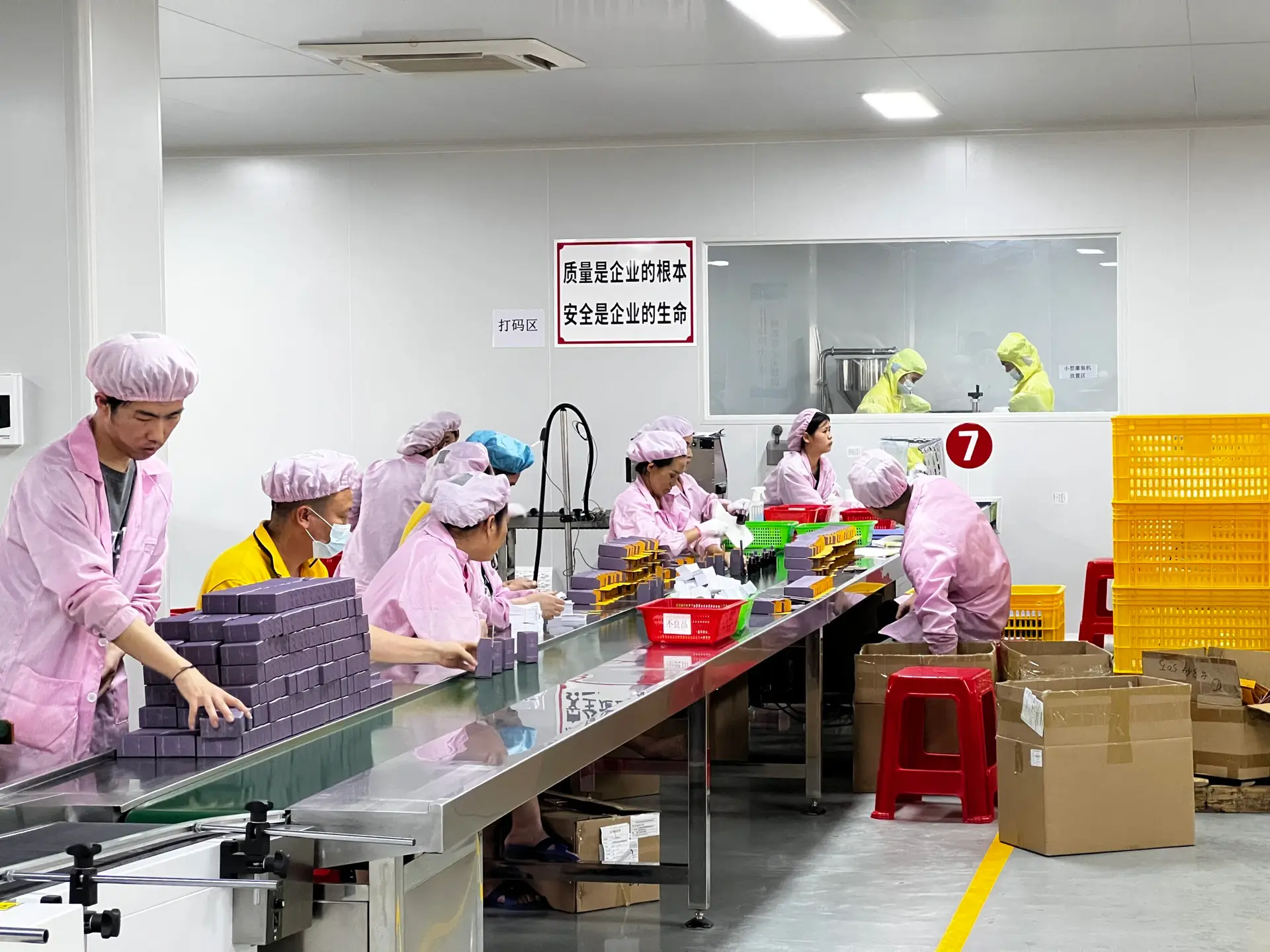
From your first concept to final shipment, everything happens under one roof — formulation, sampling, testing, filling, and export preparation. We keep you informed at every stage, anticipate challenges, and ensure your project runs smoothly. Our process integrates like an extension of your own brand team, reliable and on schedule.
 
🌿 Your Growth Is Our Daily Benchmark
We measure success not by how many bottles we produce — but by how many clients reorder. That’s why we go beyond manufacturing, helping you develop credible formulas, strong packaging identity, and full export documentation. At Metro Private Label, your success defines ours — and your cleanser line is built to perform, impress, and last.

Who We Work With (Designed Around Your Real Needs)

We build partnerships by thinking the way our clients do — understand first → provide solutions → deliver results. Every client type has different priorities, and our role is to translate those into clear, actionable outcomes.

Medical Aesthetic / SPA Professionals

You care about: post-treatment comfort, product safety, and documentation that meets regulatory and audit standards.
What we deliver:

  • Clinical-grade formulations: CICA, ceramides, and peptides; pH-balanced, fragrance-free options with full preservative logic provided.

  • Regulatory documentation: INCI, COA, SDS, stability and compatibility reports; CPSR/CPNP preparation handled with third-party testing support.

  • Professional aesthetic: minimalist, medical-style packaging suitable for back-bar or retail; traceable batches for consistent results.
    Immediate outcome: a post-treatment testing set, compliant label guide, and batch consistency plan ready for your internal validation.

Funded New Entrepreneurs

You care about: low-risk entry, a clear roadmap, and a premium finish that looks ready for market.
What we deliver:

  • Smart start: choose from proven skincare bases (serums, creams, masks); pilot runs from 500 units with optional custom cartons.

  • All-in-one process: formula → visual template → compliant label copy → production → export-ready documentation.

  • Transparent costing: clear breakdown of your key cost drivers — formula type, active concentration, and packaging complexity — so you can plan pricing and profit with confidence.
    Immediate outcome: 2–3 customized samples, a detailed quotation breakdown, and a timeline showing every stage from sample to shipment.

Boutique DTC Brand Owners

You care about: originality, visual consistency, and storytelling through ingredients.
What we deliver:

  • Ownable sensorials: bio-cellulose or vegan carrageenan textures paired with signature actives like peptides, niacinamide, or botanical blends.

  • Design alignment: typography, color, and label systems that match your brand aesthetic; compatibility checks before full production.

  • Global readiness: INCI, COA, SDS, and stability data included; EU/UK/US label claim review support for smooth registration.
    Immediate outcome: packaging mockups, ingredient story sheets, and a coordinated multi-SKU rollout plan that keeps your range cohesive.

Why this works:
We don’t sell production capacity — we deliver strategic understanding, technical precision, and verifiable results.
By connecting your goals with regulatory, design, and manufacturing expertise, we help your brand move faster, reduce uncertainty, and build trust that lasts.

FAQs Cleanser

For your convenience, we’ve gathered the most commonly asked questions about our Cleanser. However, should you have any further queries, please don’t hesitate to reach out to us.
1️⃣ What types of cleansers can you manufacture?
We produce a full range of cleanser types — from gel and foaming formulas to cream, oil, micellar, and exfoliating cleansers. You can choose from our proven base formulas or co-develop something entirely unique. Whether your brand is clinical, clean beauty, or luxury spa, we’ll tailor the texture, pH, and actives to match your positioning.
Absolutely. We specialize in custom formulation that brings your concept to life. Tell us your goals—gentle hydration, acne care, brightening, or anti-aging—and we’ll design the surfactant system, actives, and fragrance to match. We’ll also make sure it’s compliant, stable, and ready for your target market.
Our standard MOQ starts at 500–800 pcs using stock packaging, ideal for small brands or pilot launches. For full customization, we recommend 5,000 pcs and up with your own packaging molds. We’re flexible—our goal is to help you start lean, test the market, and scale sustainably.
Typically, sampling takes 3–5 weeks, and full production takes another 4–6 weeks, depending on formula complexity and packaging. Once the sample is approved, we move fast. If you have a launch deadline, let us know—we’ll adjust schedules and guide you through every step.
Yes. Most of our formulas are vegan, cruelty-free, and sulfate-free, and we can adapt them to meet specific EU, US, or clean beauty standards. Just tell us which ingredient lists or certifications (EWG, COSMOS, etc.) matter most to your market—we’ll make sure everything fits your brand values.
Yes, we handle full packaging support. You can start with our ready stock bottles or tubes, or upgrade to custom airless and glass options. We also assist with label printing, artwork layout, and box design—so your packaging looks as professional as your formula performs.
We do both. Choose from our ready-to-brand stock cleansers for a fast, low-MOQ launch, or work with our R&D team to co-create a custom formula built around your preferred ingredients, claims, and sensory feel. We’ll advise you on the right approach based on your timeline and budget.
Every batch goes through stability testing, microbial checks, and compatibility validation. Our team monitors viscosity, pH, and color stability to ensure every unit performs exactly like your approved sample. All production is done in our GMPC-certified facility, ensuring safety, traceability, and export compliance.
Of course. We can suggest safe, compliant claims based on your active ingredients—like “brightens complexion,” “pH-balanced for sensitive skin,” or “removes impurities without stripping.” We also provide ingredient highlights and product storylines to help you market your cleanser line effectively.
Yes, we export to over 25 countries, including the U.S., UK, EU, GCC, and Asia-Pacific regions. We prepare all documentation—INCI lists, COA, SDS, and export certificates—and coordinate shipping with your forwarder. From compliance to customs, we make international trade seamless and transparent.

Metro Private Label in Numbers

Happy Clients
0 +
Million-dollar Buyers
0 +
Formulation
0 +
Professional Staffs
0 +

Your Ultimate Guide to Cleanser

If you’re thinking about adding a cleanser to your skincare line — whether it’s your very first product or a strategic upgrade to an existing range — you’re stepping into one of the most competitive yet rewarding categories in beauty. Cleansers are more than a daily necessity; they set the tone for how customers perceive your brand. The right formula doesn’t just clean — it communicates science, trust, and care from the very first use.
 
Over the years, we’ve seen the cleanser category evolve dramatically. What used to be a simple “wash-off” product has become a space for real innovation — formulas that calm irritation, balance the microbiome, or deliver barrier-supporting actives while maintaining that light, refreshing feel consumers love. At Metro Private Label, we’ve partnered with a wide spectrum of clients: startup founders developing their first hero SKU, DTC and Amazon sellers optimizing conversion and repeat purchase, spa professionals who want clinical-grade performance, and distributors who need stable, compliant products that travel well internationally. And what we’ve learned is that cleansers require more strategic thinking than most people expect.
 
This guide distills everything we’ve learned behind the scenes — what actually makes a cleanser sell, how different textures perform across e-commerce and retail, which actives and claims resonate most with today’s conscious consumers, and how factors like pH, fragrance, and packaging design influence brand trust. We’ll share insights on the chemistry that drives mild yet effective cleansing, the materials that shape sensory experience, and the compliance requirements that ensure your product is ready for the EU, US, or GCC markets.

Table of Contents

1️⃣ What Defines an Effective Cleanser Formula

When we develop a cleanser formula, our first priority is to make sure it cleans effectively without harming the skin barrier. Cleansing is the very first step in any skincare routine, so it sets the tone for everything that follows. If a cleanser over-dries, irritates, or leaves residue, even the most expensive serums and creams won’t perform well. That’s why we see cleanser formulation as both a science and a sensory art.
In every project, we start with the right surfactant system — the cleansing agents that lift oil, dirt, and pollutants from the skin. We prefer mild and balanced surfactants such as Coco-Glucoside, Sodium Cocoyl Isethionate, or Decyl Glucoside. These ingredients are derived from natural fatty acids and sugars, and they produce a soft, creamy foam instead of a harsh “squeaky clean” finish. They’re perfect for modern skincare lines that focus on comfort, sensitivity, and long-term barrier health.
 
Then we fine-tune the pH range, which is a critical but often overlooked part of cleanser science. Human skin naturally stays around pH 4.5–6.0, slightly acidic to protect its microbiome and lipid layers. When a cleanser goes too alkaline — like traditional soaps or basic foams — the result is immediate tightness and long-term dehydration. So, in every formula we design, we maintain that optimal pH balance to ensure the cleanser feels refreshing but never stripping.
 
Next, we look at the supporting actives — the ingredients that turn an ordinary cleanser into a brand’s hero SKU. We love using humectants like glycerin, hyaluronic acid, and sorbitol to pull in moisture while cleansing. For comfort, we often add panthenol, allantoin, or bisabolol, which calm the skin and reduce post-wash redness. And to create a more functional or story-driven product, we layer in botanical actives like green tea, matcha, kale, or centella asiatica for antioxidant protection and a natural marketing appeal.
 
Texture and rinse feel are equally important. We spend time adjusting viscosity, foam density, and slip to ensure the cleanser spreads easily, rinses cleanly, and leaves no residue. A well-formulated cleanser should make the user feel refreshed, hydrated, and ready for the next skincare step — not rushed to grab moisturizer to fix what the cleanser stripped away.
 
Ultimately, when we design a cleanser, we don’t look at it as just a cleansing product. We look at it as the foundation of skin health and brand trust. A great cleanser should deliver visible results — clearer pores, smoother texture, better hydration — while creating a sensory experience that fits your market positioning. Whether your audience wants clinical precision, spa-level comfort, or clean-beauty simplicity, we believe the formula must always achieve one thing: remove impurities without disrupting the skin’s natural balance.
That’s the core principle we apply to every cleanser project — science-backed, skin-friendly, and made for real-world use.

2️⃣ The Main Types of Cleansers and When to Use Them

When we start developing a cleanser, we always ask one simple question: “What kind of cleansing experience do you want your customers to have?” Because the type of cleanser you choose shapes not only the way it feels on the skin, but also how your brand is perceived. Texture, foam level, and rinse feel can all signal very different things — clinical purity, spa indulgence, or clean-beauty simplicity. Understanding these distinctions helps brands make informed, strategic choices instead of following trends blindly.
 
We often begin with gel cleansers, which are clear, lightweight, and easy to rinse. They’re the most universal format for modern skincare brands. Gels are ideal for oily and combination skin, offering a fresh, cooling sensation without leaving residue. When we formulate gels, we use gentle surfactants like Coco-Glucoside or Sodium Cocoyl Isethionate and build a viscosity that feels cushiony rather than slippery. We balance the pH around 5.0 to 5.5, so the cleanser removes sebum effectively but leaves the barrier intact. Gel cleansers are excellent choices for gender-neutral, dermatologist-inspired, or daily-care lines, where clarity and cleanliness are the main message.
 
Next are foaming cleansers — the traditional favorite for consumers who equate bubbles with a deep clean. We always remind our clients that foam is psychological: it gives the feeling of purity, even when the actual cleansing power depends on surfactant balance. Our foaming formulas combine amino acid–based surfactants with humectants like glycerin to create a soft, creamy lather that rinses easily without tightness. These are perfect for acne-prone, men’s grooming, and oil-control lines, as they provide visible freshness while maintaining the microbiome’s health.
 
Then we move into cream and milk cleansers, which sit on the opposite end of the texture spectrum. These formulas are rich, smooth, and comforting — more about protection than purification. We typically design them with emollients such as squalane, jojoba oil, and shea esters, along with soothing actives like panthenol or bisabolol. The result is a cleanser that gently dissolves impurities while reinforcing hydration. Cream and milk cleansers work beautifully for sensitive skin, post-procedure care, and luxury spa lines, where the experience must feel nourishing and indulgent from the very first touch.
 
For brands targeting double-cleansing rituals or makeup-removal routines, oil cleansers are an essential category. These products rely on ester blends and lightweight plant oils to dissolve sunscreen, waterproof mascara, and long-wear foundation. When water is added, they emulsify into a milky texture that rinses clean. We like to incorporate jojoba, meadowfoam seed, or sunflower oil for balanced slip, plus mild emulsifiers to ensure the oil doesn’t leave a greasy film. Oil cleansers are the cornerstone of K-beauty-inspired and night-time skincare lines, combining functionality with sensorial luxury.
 
We also work with micellar cleansers, which have become the go-to format for busy consumers or travel kits. These are water-based solutions containing micelles — microscopic spheres that attract oil and debris like magnets. Micellar waters don’t need rinsing, which makes them ideal for clinic retail, dermatologist lines, or sensitive-skin products where convenience and gentleness are top priorities. In our lab, we carefully optimize the micelle size and surfactant ratio so the formula cleans effectively but still feels like water on the skin.
 
Lastly, we often recommend balm cleansers when a brand wants to deliver a high-end, sensorial experience. Balms are solid at room temperature but melt into a luxurious oil when massaged onto the skin. They combine synthetic waxes, shea butter, and botanical oils for that soft, velvety texture customers associate with premium skincare. On contact with water, the balm transforms into a silky emulsion that rinses completely, leaving the skin supple and moisturized. This format is ideal for luxury retail, gift sets, or spa concepts that emphasize ritual and self-care.
 
In our experience, each cleanser type communicates a different story. Foams tell a story of purity and freshness. Creams and milks speak to comfort and sensitivity. Oils and balms convey indulgence and sophistication. When brands choose their cleanser types thoughtfully — considering their target audience, climate, and desired skin outcome — they build a product lineup that feels intentional, cohesive, and trustworthy.
Ultimately, we see texture as more than a technical detail — it’s a storytelling tool. The way a cleanser spreads, lathers, and rinses creates an emotional connection between your customer and your brand. By understanding the science behind each format, we can help brands design cleansers that don’t just clean the skin, but define the entire user experience.

3️⃣ The Science of pH and Barrier Protection

When we formulate a cleanser, one of the very first things we look at is pH balance. It may sound like a small detail, but in reality, it’s the foundation of how a product interacts with the skin. The skin itself isn’t neutral; it’s naturally slightly acidic, sitting around pH 4.5 to 5.5. This range is what we call the acid mantle — a thin, protective layer made of sebum, sweat, and natural fatty acids. Its job is to protect the skin from harmful bacteria, maintain hydration, and keep the barrier strong. When that pH balance is thrown off, even a perfectly clean face can start feeling dry, tight, or irritated.
 
Over the years, we’ve seen many well-intentioned brands run into issues simply because their cleanser’s pH was too high. Traditional soap bars, for example, often measure around pH 8–9 — which feels squeaky clean for a moment but damages the acid mantle almost instantly. Once that protective layer is disrupted, the skin compensates by producing more oil or becoming sensitized, which is why people with oily or acne-prone skin often end up in a frustrating cycle of over-cleansing. That’s why, for us, maintaining pH balance is not just a technical point — it’s part of skin health itself.
 
In our lab, we treat pH as a design decision, not an afterthought. We carefully build each cleanser’s surfactant system around its intended purpose — whether it’s for professional post-procedure care, a spa line, or a daily-use retail formula. For everyday cleansers, we maintain a slightly acidic pH between 5.0 and 5.8, which is close to the skin’s natural level. This range supports the microbiome, keeps the barrier intact, and gives that smooth “fresh but not tight” feeling after rinsing. It’s the sweet spot where cleansing power meets skin comfort.
 
To achieve that, we use modern, skin-friendly surfactants rather than harsh soaps or SLS. Surfactants are the cleansing agents that lift dirt and oil, but they can also disrupt the skin if chosen incorrectly. We prefer amphoteric and mild anionic surfactants such as Cocamidopropyl Betaine, Sodium Lauroyl Glutamate, or Disodium Laureth Sulfosuccinate. These ingredients have a natural ability to self-adjust pH and work harmoniously with other components, producing foam that feels soft and creamy instead of harsh or stripping.
 
We also pair these surfactants with humectants and soothing ingredients to balance performance with skin comfort. Glycerin, panthenol, and beta-glucan are staples in our formulas because they attract and retain moisture while reducing irritation. Sometimes we refer to these as the “cushioning agents” — they make sure that while the surfactants do their job of removing impurities, the skin still feels protected and hydrated. In formulations for sensitive or post-treatment skin, we go further by adding ceramides, amino acids, or centella asiatica extract to actively repair and reinforce the barrier after cleansing.
 
One detail that often surprises new brands is that pH stability changes over time. We don’t just measure pH once — we monitor it across the product’s life cycle. Temperature, ingredient interactions, and even packaging materials can shift the final pH. To prevent that, we use buffering systems — small amounts of citric acid, lactic acid, or sodium citrate that keep the cleanser’s pH consistent for months, even under variable storage conditions. This kind of behind-the-scenes work ensures your product feels identical whether it’s opened on day one or month twelve.
 
Testing plays a big role in this process. We run stability and compatibility tests under different temperatures and humidity levels to see how the cleanser behaves in the real world. If we see any pH drift or formula separation, we reformulate before the product ever reaches mass production. This is the invisible layer of quality assurance that separates a good cleanser from one that only performs well on paper.
 
From a consumer perspective, the right pH translates into a completely different sensory experience. A balanced cleanser rinses cleanly, leaves the skin supple, and doesn’t trigger that instinct to reach for moisturizer immediately. We’ve noticed that customers subconsciously associate that “comfortable clean” with quality — and that’s why brands that master pH control often see higher repurchase rates.
 
Ultimately, we see pH management as part of the brand’s credibility. A cleanser that respects the skin’s acid mantle shows that the brand understands skin physiology, not just marketing. It signals professionalism, care, and long-term trust. So, when we design a cleanser, we don’t think of pH as a number on a chart — we think of it as the invisible handshake between your product and your customer’s skin. It’s how you show respect for biology while delivering performance that feels effortless.

4️⃣ Ingredient Trends Transforming the Cleanser Market

When we look at the evolution of cleanser formulas over the past five years, the most fascinating change we’ve observed is how a once “simple rinse-off product” has evolved into a functional skincare category. Ten years ago, cleansers were expected to just remove dirt and oil. Now, consumers want them to treat, soothe, hydrate, and even repair the skin. We’ve watched this shift happen globally — from professional clinics to DTC beauty brands — and it’s reshaped how we design formulas in our lab.
 
We no longer treat cleansers as basic formulations. We approach them like we would a serum or moisturizer, asking: What can this product do beyond cleansing? This mindset has driven the rise of active-enriched cleansers — formulas that include proven skincare ingredients capable of making an impact even during a short contact time. While cleansers don’t stay on the skin for long, they’re often used twice a day, every day, which gives these actives plenty of cumulative influence on overall skin health.
 
One of the first ingredients we started integrating into cleansers for multifunctional performance was niacinamide. It’s one of the most stable and versatile actives available — brightening dull complexions, refining pores, and reinforcing the barrier simultaneously. When we formulate with niacinamide, we keep the concentration between 1% and 3% to make it effective but still comfortable for daily use. We also combine it with humectants like glycerin and sodium PCA, ensuring the cleanser delivers a refreshed glow without tightness. For brands, this creates a clear positioning advantage — a product that feels simple but promises visible skin improvement over time.
 
Next, peptides have made their way into modern cleanser systems, especially for brands serving clinical or anti-aging markets. Peptides are small chains of amino acids that act as cell messengers, helping the skin maintain firmness and repair damage. In rinse-off formats, we use short-chain peptides that are easily water-soluble and can survive mild surfactant systems. What they add isn’t just marketing appeal — they enhance skin comfort and recovery after cleansing, especially for users with compromised or mature skin. In the med-spa world, peptide cleansers have become the gentle bridge between daily cleansing and professional-grade care.
 
We’re also witnessing strong global demand for botanical antioxidants — ingredients that blend sensory pleasure with functional benefit. Green tea, matcha, chamomile, superfruit extracts like acai, pomegranate, or goji berry are being used not just for label appeal but for their polyphenol and flavonoid content. These molecules fight oxidative stress, which is increasingly important for consumers exposed to urban pollution and blue light. When we include these actives, we focus on extraction purity and solvent choice — for instance, glycerin or butylene glycol bases are gentler and more stable in surfactant-heavy systems. A well-crafted antioxidant cleanser feels refreshing, smells naturally calming, and provides a sense of daily protection — exactly the feeling consumers associate with “healthy skin.”
 
Another major movement in cleanser formulation is the resurfacing trend, led by gentle exfoliating acids such as AHA, BHA, and PHA. Rather than relying on harsh scrubs or microbeads, we use chemical exfoliants like lactic acid, mandelic acid, or gluconolactone at low percentages (typically 1–3%). These acids dissolve dead skin cells without causing irritation, improving smoothness and radiance over time. The challenge here lies in pH compatibility — acids require a slightly lower pH to be active, but cleansers must remain gentle enough for daily use. Through precise buffering, we maintain this balance so that the cleanser exfoliates subtly yet feels completely non-stripping. For brands, this opens the door to high-performing products labeled as “Brightening Cleanser,” “Renewal Wash,” or “Glow Formula.”
 
At the same time, we’ve seen the skincare conversation shift from “deep clean” to “barrier protection.” Consumers have become more aware that harsh cleansing is one of the main causes of sensitivity, dehydration, and dullness. As a result, we’ve started integrating ingredients traditionally seen in moisturizers — ceramides, panthenol, amino acids, and fermented extracts. These ingredients reinforce the lipid barrier, lock in moisture, and soothe inflammation caused by external stressors. When we add them into a cleanser, we aim to maintain a long-term balance: effective cleansing that still strengthens rather than weakens the skin over time. This has become a key selling point for both professional brands and clean-beauty labels focused on transparency and gentleness.
 
We also can’t ignore the rise of microbiome-friendly ingredients, an area of science that has accelerated quickly in the last few years. Our skin hosts billions of beneficial microorganisms that work like a natural defense team. Overly alkaline or antibacterial cleansers can disrupt that balance. To prevent this, we now explore prebiotics such as inulin and alpha-glucan oligosaccharide, or postbiotics like fermented filtrates, to help support microbial diversity while cleansing. This trend fits perfectly with the new “skin ecology” philosophy — caring for the microbiome as an essential part of skin wellness.
 
And then there’s texture storytelling, which merges ingredient trends with emotional experience. Many of our clients now want cleansers that feel like skincare: gel-to-foam formulas that glide smoothly, oil-to-milk textures that melt makeup effortlessly, or cloud-like microfoams infused with antioxidants. These formats connect sensorial pleasure with science — a combination that defines the new generation of premium cleansers.
 
Overall, the direction of the global cleanser market is clear: people want performance without punishment — cleansers that purify deeply but also hydrate, soothe, and protect. As formulators, we see ingredients not as single functions but as part of a complete experience: actives that cleanse, condition, and communicate your brand’s philosophy all at once.
 
For modern skincare brands, understanding these ingredient trends isn’t just about keeping up with the market — it’s about building credibility. When a brand can explain why its cleanser contains peptides or matcha or niacinamide, it’s not just selling a product; it’s telling a story of science and care. And that’s exactly the kind of story that earns long-term trust from customers and professionals alike.

5️⃣ How Texture and Sensory Experience Influence Consumer Perception

When we develop cleansers, we’ve learned that what customers remember most isn’t the INCI list or the surfactant name — it’s how the formula feels on their skin. The texture, foam, scent, and after-feel define the emotional experience of cleansing, and that emotion is what keeps people coming back to a brand. We like to think of texture as the first handshake between your brand and your customer. If that handshake feels too harsh or too dull, you lose the chance to build loyalty, no matter how sophisticated the ingredient story behind it is.
 
From our perspective, texture is both science and storytelling. Every cleanser texture — whether it’s a gel, cream, oil, or balm — communicates something to the consumer before they’ve even read the label. A clear gel in a minimalist tube suggests freshness and modernity. A silky cream in a matte pump bottle says comfort and care. A melting balm in a frosted jar evokes ritual and indulgence. That visual and tactile design language matters because it shapes the user’s subconscious expectations before the product even touches their face.
 
Let’s start with gel textures, which dominate the daily cleanser category worldwide. We design gels to feel light, cooling, and effortless — that sensation of “pure freshness” customers associate with clarity and control. Technically, this means building viscosity carefully with polymers like Carbomer or Acrylates Copolymer and balancing it with humectants so the product glides smoothly without feeling sticky. The best gel cleansers rinse completely clean, leaving the skin feeling balanced rather than tight. This format resonates with younger demographics, unisex brands, and oil-control lines where the goal is to deliver a sense of lightness and efficiency.
 
Then there are foam cleansers, which remain powerful because of the psychology of bubbles. Foam translates to “deep clean” in a customer’s mind, even when the real cleansing power depends on the surfactant ratio. We focus on creating fine, creamy microfoam rather than large, airy bubbles. That kind of foam gives the user tactile reassurance — it feels soft and rich, like a gentle cushion between the fingers and the skin. To achieve that, we use amphoteric surfactants like Cocamidopropyl Betaine and amino acid surfactants such as Sodium Lauroyl Glutamate, which together build a dense but delicate lather that cleanses thoroughly without irritation.
 
In contrast, cream and milk cleansers communicate gentleness, hydration, and repair. When we work on these, we treat them almost like moisturizers in rinse-off form. We build the base with emollients such as squalane, caprylic/capric triglyceride, and hydrogenated coco-glycerides, creating a rich texture that feels instantly nourishing. The foam level is intentionally minimal — because low foam signals comfort. This format is popular in spa lines, medical-grade brands, and anti-aging collections where the texture itself conveys the promise of calm and care. The skin should feel as if it’s been treated, not washed.
 
Oil cleansers bring another dimension to the sensory story: transformation. There’s something deeply satisfying about watching an oil melt away makeup, then turn milky as it emulsifies. That phase change — from silky to soft rinse — is what makes oil cleansers memorable. We blend lightweight esters such as ethylhexyl palmitate or isopropyl myristate with natural oils like jojoba, sunflower, or grape seed to achieve that smooth, slip-to-milk effect. For many consumers, especially those who follow the Korean double-cleansing method, this transformation signals sophistication and “skincare intelligence.”
 
We also craft balm cleansers, which sit at the intersection of luxury and ritual. Their solid-to-oil texture tells a different kind of story — one about self-care and sensory indulgence. A balm cleanser doesn’t just remove impurities; it invites the user to slow down. In these formulas, we use a blend of synthetic waxes, shea butter, and hydrogenated plant oils that melt on contact with skin temperature. The texture is designed to feel silky yet substantial, giving that “spa-at-home” experience. This format is ideal for premium brands or aesthetic retail lines that want to transform a basic cleansing step into an emotionally engaging ritual.
 
Beyond format, the foam density, scent, and rinse feel are equally decisive in shaping perception. Consumers unconsciously connect sensory details with product quality. A cleanser that spreads evenly and rinses off without residue feels “professional.” A sticky, over-foamed texture feels “cheap” or harsh. In our lab, we spend as much time perfecting these micro-sensations as we do calibrating actives. We use polymers to fine-tune glide, adjust emollient percentages for cushion, and modulate the rinse phase so that it feels soft and “weightless.”
 
Scent is another layer of sensory design that we approach carefully. Fragrance is emotional memory — it determines how people remember your product days later. Even fragrance-free lines have a natural “base note” depending on the raw materials used, and we often spend time neutralizing unwanted odors or layering botanical nuances that match the brand story. For example, green tea and matcha notes evoke freshness and detox; lavender and chamomile convey calm and healing; marine or citrus scents create energy and clarity. We keep concentrations subtle, because sophistication lies in restraint.
 
The rinse feel is the final emotional note. It’s the moment when the formula must deliver closure — the tactile confirmation that cleansing is complete. Too dry, and the customer feels stripped; too heavy, and they feel residue. We aim for what we call “the balanced finish”: the skin feels smooth, hydrated, and slightly refreshed, as though it doesn’t urgently need moisturizer. Achieving that requires careful layering of humectants like glycerin, panthenol, and betaine with film-forming agents that retain light hydration without greasiness.
 
In our experience, texture drives loyalty far more than marketing claims do. Consumers rarely say, “I love this cleanser because it contains amphoteric surfactants.” They say, “I love how it feels every morning.” That sensation — that small moment of pleasure and comfort — is what transforms a single sale into long-term repurchase behavior. For us, designing texture is designing emotion. Every molecule we choose is part of that emotional choreography.
 
Ultimately, we view texture and sensory design as a bridge between chemistry and psychology. A cleanser can contain the best active ingredients in the world, but if it doesn’t feel right, it won’t be loved. So, we treat every project not just as product development but as experience design — crafting a texture that expresses your brand’s voice and makes every customer think, even subconsciously, “This feels like me.”

6️⃣ Understanding Surfactants: The Cleansing Core

When we design any cleanser, we always begin with one fundamental question: “How will this product clean — and how will the skin feel afterward?” The answer depends almost entirely on surfactants. Surfactants are the cleansing engines of every wash, gel, foam, or oil. They do the invisible work — binding to oil, makeup, and impurities — and lifting them away when rinsed with water. But in our experience, formulating with surfactants isn’t just about cleanliness; it’s about control, balance, and skin respect. A good surfactant system must clean effectively without ever crossing the line into irritation or dryness.
 
Chemically speaking, surfactants are molecules with two sides — one that loves water (hydrophilic) and another that loves oil (lipophilic). When mixed into water, these molecules form micelles, tiny spherical structures that trap impurities and sebum. It’s this micellar mechanism that allows a cleanser to purify the skin without mechanical scrubbing. But the size and behavior of these micelles depend on the surfactants we choose. Harsh surfactants can strip away too much lipid, while gentle ones create soft micelles that clean efficiently while leaving the skin barrier intact.
 
We’ve tested dozens of surfactant systems over the years, and one truth remains: the modern skincare consumer no longer tolerates harsh cleansers. Ingredients like Sodium Lauryl Sulfate (SLS) and Sodium Laureth Sulfate (SLES), once industry staples, have fallen out of favor because they disrupt the skin’s protective film and alter the microbiome. Today, we focus on mild, biodegradable alternatives such as Coco-Glucoside, Decyl Glucoside, and Sodium Cocoyl Isethionate.
 
These surfactants are derived from coconut or plant sugars and perform with both efficacy and kindness. For instance, Coco-Glucoside produces a gentle foam that feels silky and low-residue, perfect for sensitive or daily-use cleansers. Decyl Glucoside has a lower irritation profile, making it ideal for baby and medical-grade skincare lines. Sodium Cocoyl Isethionate (SCI), one of our favorites, adds density and creaminess — the kind of microfoam customers associate with premium quality. We often call SCI the “velvet surfactant” because it gives cleansers a soft, cushioned texture while maintaining low irritation.
 
But the real magic happens when we blend surfactants together. In our formulation philosophy, no single surfactant does everything well. Each has its own strengths — cleansing power, foam density, viscosity, or mildness — and the key is balance. We often start with a mild anionic surfactant (for cleansing), then pair it with an amphoteric surfactant like Cocamidopropyl Betaine (for foam stability and softness), and finish with a nonionic surfactant like Coco-Glucoside (for texture and conditioning). This kind of layering allows us to create products that deliver thorough cleansing with almost no irritation potential.
 
A practical example: in a facial cleanser designed for sensitive or post-treatment skin, we might use a base of Sodium Lauroyl Glutamate (a mild amino acid surfactant) combined with Cocamidopropyl Betaine for rich, cushiony foam and Coco-Glucoside for gentle emulsification. We would then enhance the skin feel with glycerin, panthenol, and polyquaterniums that provide slip and softness. The result is a cleanser that feels luxurious, rinses perfectly clean, and leaves the skin hydrated instead of stripped.
 
When developing formulations for different markets, we adapt our surfactant systems according to consumer expectations and brand positioning. For example:
  • Medical Aesthetic and Clinical Brands: We focus on amino-acid and amphoteric surfactant bases, keeping pH tightly controlled (4.8–5.5) to protect the barrier.
  • Natural and Clean Beauty Brands: We emphasize plant-derived glucosides and isethionates, free from sulfates and ethoxylates, with transparent INCI naming for label trust.
  • Men’s Grooming Lines: We design denser foam systems that give a sense of power and purity but maintain mildness with betaines or amphoacetates.
  • Luxury Spa or Premium Retail Brands: We prioritize tactile sophistication — surfactant blends that create silky, mousse-like lather and a soft “after-clean” sensation that feels expensive.
 
We’ve learned through testing that surfactant mildness isn’t determined by one ingredient alone — it’s influenced by the full environment of the formula. The pH, the presence of emollients, humectants, and even the type of water used in the region (hard vs. soft) can change how a cleanser feels. For example, a cleanser made with the same surfactant system may feel more drying in regions with hard water. That’s why we always test across variables and use buffering systems and conditioning agents to stabilize the final performance globally.
Another critical piece of the puzzle is foam quality. Customers may not know what “amphoteric surfactant” means, but they know when a foam feels premium. Fine, creamy, stable foam gives the impression of safety and quality; big, airy bubbles suggest harshness or cheapness. We spend hours optimizing foam texture — adjusting the surfactant ratio, adding small amounts of fatty alcohols, or including foam stabilizers like Sodium PCA — until the foam looks and feels “just right.” This detail may seem minor, but it’s one of the top subconscious factors driving repeat purchases.
 
In recent years, biodegradability and environmental safety have also become part of our surfactant design. As brands move toward sustainability, glucosides and isethionates have gained popularity not only for being mild but also for being eco-friendly. They break down rapidly in wastewater, meeting EU and US biodegradability standards. This gives our clients an easy way to align performance with clean-beauty values — something increasingly important to modern buyers.
 
Ultimately, when we design surfactant systems, we see them as the heart of the cleanser’s personality. They determine how the product foams, spreads, and rinses, but also how it makes people feel. A good surfactant system doesn’t just remove impurities — it preserves the skin’s integrity, maintains pH harmony, and delivers a satisfying tactile memory. It’s chemistry with emotion built into it.
 
For us, surfactants are not just functional ingredients. They’re the core technology of the cleansing experience — the bridge between science, sensation, and brand story. Every bubble, every glide, every rinse comes from that invisible balance we build inside the lab. And when it’s done right, your customers won’t think about molecules or micelles — they’ll just know, instinctively, that your cleanser feels perfect.

7️⃣ Global Compliance Basics for Private Label Cleansers

When we talk about developing and exporting private label cleansers, we always remind our clients that compliance is not a final step — it’s a foundation. You can have the most elegant texture, premium packaging, or viral ingredient story, but if your product doesn’t meet international safety and documentation standards, it won’t reach your customer’s hands. In our daily work with global brands, we see that compliance isn’t just about paperwork — it’s about building trust, protecting your brand’s reputation, and ensuring smooth market entry in every region you plan to sell.
From our experience manufacturing for over 25 countries, the three regions with the most distinct and essential cosmetic compliance systems are the European Union (and the UK), the United States, and the Gulf Cooperation Council (GCC) in the Middle East. Each has its own philosophy and structure for evaluating cosmetic safety — and understanding these early on helps brands save months of time and thousands of dollars in revisions later.
 
🇪🇺 European Union & UK – CPSR, CPNP, and Responsible Person
Europe has one of the most rigorous cosmetic regulatory frameworks in the world. To sell any cleanser in an EU country or the UK, a brand must prepare a Cosmetic Product Safety Report (CPSR) and complete registration in the Cosmetic Products Notification Portal (CPNP). These two steps are mandatory before any product can legally enter the market.
The CPSR is a professional safety assessment signed by a certified toxicologist. It reviews every aspect of the formula — from ingredient concentration to exposure level and toxicological profile. To support this, we provide our clients with a full technical dossier:
  • INCI ingredient list with exact percentage ranges
  • Certificates of Analysis (COA) for every raw material
  • Microbial challenge and stability test results
  • Safety Data Sheets (MSDS) for all actives and preservatives
  • Packaging compatibility records (especially important for airless or acidic formulas)
Once the CPSR is completed, the brand’s designated Responsible Person (RP) uploads the product information, artwork, and safety documentation to the CPNP or UK SCPN system. This RP acts as your local compliance representative — we often introduce partners who specialize in EU regulatory submissions to make this process seamless.
Before upload, we also help clients audit their packaging and labeling to ensure full alignment with EU rules:
  • INCI names must appear in descending order by weight.
  • “Made in PRC” or “Manufactured by Metro Private Label, Guangzhou, China” must appear exactly as declared.
  • The 12M or 24M “open jar” symbol must match the product’s shelf life.
  • Warnings like “For external use only” or “Avoid contact with eyes” must appear when relevant.
We’ve seen many new brands struggle with small details like incorrect address formatting or missing batch codes — issues that can trigger customs rejection. Our regulatory team checks every file before export to prevent such setbacks.
 
🇺🇸 United States – FDA Labeling and Claims Discipline
The U.S. market operates differently. Unlike Europe, the FDA (Food and Drug Administration) doesn’t require pre-approval before cosmetics go to market — but it does strictly regulate labeling, ingredient disclosure, and product claims under the Federal Food, Drug, and Cosmetic Act.
In practice, this means two things: your formula must be safe and properly labeled, and your marketing language must stay within cosmetic boundaries. For our American clients, we prepare labels that follow FDA formatting rules:
  • Ingredients listed by their INCI name and order of predominance
  • Net contents displayed in both ounces and milliliters
  • The brand name and manufacturer or distributor address clearly shown
  • Mandatory warnings for specific use (e.g., “For external use only”)
We also spend time educating clients on the difference between cosmetic and drug claims. For example, “soothes redness” or “helps support healthy skin” are acceptable cosmetic claims. But phrases like “treats acne,” “heals eczema,” or “reduces inflammation” would classify a cleanser as an over-the-counter drug, requiring FDA registration and testing. Many startup founders unknowingly blur this line — we help them avoid that risk while keeping their brand story compelling and compliant.
🌍 Middle East (GCC) – PIF, Arabic Labels, and Import Documents
The GCC region — including the UAE, Saudi Arabia, Kuwait, Oman, Qatar, and Bahrain — follows its own harmonized cosmetic standard. To import a cleanser here, brands must prepare a Product Information File (PIF) similar to the EU model, which includes formula details, certificates, test reports, and packaging specifications.
In addition, labeling must meet bilingual requirements — English and Arabic — and clearly display the importer’s or distributor’s company name, P.O. Box number, and country of origin. Even a missing comma in these details can cause a delay at customs, so precision matters.
We regularly assist clients in preparing COA, MSDS, GMP certificates, and Free Sale Certificates, which are essential for GCC import clearance. For Dubai specifically, we also guide clients through Montaji registration under Dubai Municipality. This digital platform verifies product safety and labeling before it’s allowed into retail or clinics.
 
📄 Core Documentation That Every Brand Should Have
No matter the destination, every cleanser must carry the same scientific backbone:
  1. INCI ingredient list – full transparency on what’s inside and in what order.
  2. COA and MSDS – confirming raw material identity and safety.
  3. Stability test reports – proving the formula stays consistent in color, viscosity, and pH under different conditions.
  4. Microbial challenge tests – verifying that preservatives work effectively throughout the product’s shelf life.
  5. Packaging compatibility test – ensuring the cleanser won’t react with or degrade its container.
  6. Batch records and traceability – linking each lot to its production date, formula version, and supplier source.
We integrate these steps during R&D and pilot production so documentation grows alongside the project, rather than being rushed at the end. This way, by the time your samples pass approval, your compliance file is already 80% complete.
 
🌐 Compliance Builds Market Confidence
What we’ve learned over the years is that compliance does more than keep you “legal” — it makes you credible. When a distributor or retailer asks for a CPSR, COA, or GMP certificate, being able to deliver those immediately signals professionalism. It tells your partners that you’re serious about safety, quality, and transparency. In many cases, this readiness becomes the deciding factor between your brand and a competitor who can’t provide the same proof.
We often tell our clients that regulatory preparation is not bureaucracy — it’s branding. A well-documented cleanser is easier to register, easier to export, and easier to trust. Whether you’re preparing for CPNP approval, FDA labeling, or GCC import, these aren’t just forms; they’re a record of integrity — showing that your product was made safely, tested correctly, and ready to meet global expectations.
At Metro Private Label, we don’t treat compliance as a separate department. It’s part of our formulation mindset. From the first draft of your cleanser formula, we already consider ingredient restrictions (like MI/MCI limits, allergen labeling, and pH range compliance), packaging material migration, and regional variations in claim language. This proactive approach keeps your development timeline smooth, your import process faster, and your brand reputation protected from day one.
In the end, international success in skincare is about more than innovation or marketing — it’s about trust through transparency. And that begins with compliance done right.

8️⃣ Sustainable Packaging and Eco-Formulation Considerations

When we design a cleanser today, we don’t just think about how it feels on the skin — we think about where it comes from, how it’s made, and what happens after it’s washed down the drain. Sustainability is no longer a “bonus topic” in beauty manufacturing; it’s part of every serious conversation we have with our clients. At Metro Private Label, we believe sustainability is not a single choice — it’s a system. It’s chemistry, logistics, packaging, and communication all working together to reduce impact and build brand credibility.
Over the past few years, we’ve watched global consumers shift dramatically toward conscious beauty — products that perform well but also respect the planet. From European pharmacy buyers to Southeast Asian distributors and North American e-commerce founders, everyone is asking the same question: “Is it sustainable?” For us, that question touches everything — the surfactants we select, the packaging resin we mold, the shipping carton we print, even the ink we use on the label.
 
🌿 1. Redefining What “Clean” Really Means
In our lab, “clean” doesn’t only describe the skin after washing — it describes the entire product lifecycle. A cleanser can be clean in its formulation, its sourcing, and its environmental footprint. That’s why we start every formulation by asking two fundamental questions:
  1. Can this formula deliver visible results while maintaining skin barrier safety?
  2. Can this same formula minimize environmental stress once it leaves the bottle?
To answer both, we choose biodegradable surfactants that combine mildness with ecological integrity. Traditional anionic surfactants like SLS or SLES create great foam but persist in the environment and can disturb sensitive skin. Instead, we work with newer-generation surfactants such as Coco-Glucoside, Decyl Glucoside, Sodium Cocoyl Isethionate, and Disodium Cocoyl Glutamate — all plant-derived, biodegradable, and exceptionally gentle. These ingredients allow us to build rich, stable foam with low irritation and fast biodegradation — a balance that modern “clean beauty” standards require.
We also consider how much water a formula truly needs. Most liquid cleansers contain 70% or more water, meaning we’re shipping heavy bottles full of something abundant and non-active. That’s why we’ve started developing low-water or waterless formats, like concentrated gels, powders, and solid cleansing bars. These formats dramatically cut down on transportation weight and plastic packaging while delivering the same skin performance. A 50 g cleansing concentrate can equal a 150 ml traditional cleanser in usage — that’s two-thirds less packaging and nearly 80% lower shipping emissions.
Preservation is another area where sustainability meets science. Many older preservatives are effective but environmentally persistent. We now rely on eco-friendly preservation systems that combine ethylhexylglycerin, glyceryl caprylate, and benzyl alcohol — ingredients accepted in most global “clean” standards and safe for sensitive-skin users. The key is balancing microbial stability with environmental biodegradability. We test every formulation under stress — high temperature, UV exposure, pH drift — to ensure it stays safe without relying on heavy chemical systems.
 
🧪 2. Ingredient Transparency and Responsible Sourcing
We believe brands should be able to trace their formulas back to the source. When we develop a cleanser, we document every raw material’s origin, certification, and environmental score. Many of our suppliers hold ECOCERT, RSPO, or COSMOS certifications, which guarantee that ingredients are renewable, ethically harvested, and processed under strict sustainability protocols.
We also look at the total environmental cost of an ingredient — not just whether it’s “natural.” Some synthetic molecules have smaller carbon footprints or better stability than plant extracts that require intensive farming and transport. We help clients make those nuanced decisions so that sustainability stays evidence-based, not just marketing-driven.
For example, replacing silicone with sugarcane-derived squalane reduces dependence on fossil fuel sources while improving biodegradability. Choosing fermentation-derived actives like hyaluronic acid or panthenol also lowers agricultural impact. Every small change adds up to a more responsible formula — one that performs well in the lab and tells an authentic sustainability story.
 
♻️ 3. Packaging That Reflects a Brand’s Integrity
In our experience, packaging is often where a brand’s sustainability message becomes visible. It’s the first physical impression — and customers now read materials as closely as ingredient lists. We like to think of packaging as silent communication: the texture, weight, and transparency all convey what your brand stands for.
We’ve experimented with almost every sustainable material available in the beauty industry. Recycled PET (rPET) is one of our most practical solutions — it’s strong, clear, and fully recyclable. It reduces virgin plastic consumption by up to 50% without changing production lines. For brands targeting a more natural aesthetic, we recommend bio-based HDPE made from sugarcane ethanol, which looks identical to regular plastic but has a lower carbon footprint and can be recycled in the same stream.
For high-end and spa-inspired lines, glass packaging continues to hold emotional power. It’s infinitely recyclable and visually premium, making it ideal for cleansers that double as home décor pieces. However, we also educate clients about logistics: glass adds shipping weight, which increases emissions. To offset that, we sometimes design hybrid systems, like a glass outer shell with a lightweight refill pouch or PET insert. This approach keeps the look and feel luxurious while significantly reducing environmental cost.
The refill model is another important evolution. We’re now helping several brands design refill cartridges or flexible pouches that fit inside long-term pump bottles. This circular approach lowers packaging waste and deepens customer loyalty — people refill because they care about the product and the planet. Refill packs also optimize cost structure: producing a refill uses 60–70% less plastic and reduces shipping volume, giving brands both economic and ecological advantages.
We also pay close attention to the smaller components that often get overlooked — pumps, caps, labels, and seals. We now offer mono-material pumps that are easier to recycle, aluminum closures to replace mixed-resin caps, and FSC-certified paper labels printed with soy-based inks. Even the glue matters: switching from solvent-based to water-based adhesives can make an entire bottle recyclable instead of landfill-bound.
 
🌍 4. Production Efficiency and Carbon Awareness
Sustainability isn’t only about what the product is made of — it’s also about how it’s made. In our factory, we continuously optimize energy consumption, water recycling, and waste management. Our GMP production lines use closed-loop water systems to minimize runoff, and we filter all wastewater to cosmetic-grade standards before disposal. We also schedule production batches strategically to reduce cleaning cycles and chemical use between runs.
Every packaging or formula decision ties back to logistics. Lighter bottles reduce freight emissions, compact boxes optimize pallet density, and local sourcing shortens supply chains. We calculate carbon savings for clients who want to include verified sustainability metrics in their marketing — because showing the data builds trust in a way that slogans can’t.
 
💚 5. Why Sustainability Builds Stronger Brands
After working with hundreds of beauty entrepreneurs and professional buyers, we’ve seen that sustainable design doesn’t just reduce environmental impact — it increases brand value. Consumers interpret sustainability as quality, transparency, and intelligence. When your cleanser uses biodegradable surfactants and recyclable packaging, it tells a story: this brand cares, this brand understands, this brand will last.
Sustainability also improves retail access. Many distributors and platforms — from EU pharmacy chains to Middle Eastern malls — now require sustainability documentation before listing new skincare lines. Having COA, MSDS, and material recyclability reports ready shortens the approval cycle and helps your brand stand out as export-ready.
At Metro Private Label, we’ve learned that sustainability is not a trend — it’s the new measure of professionalism. We integrate it from day one, so when your cleanser launches, it’s already aligned with global standards and future-proofed for market evolution.
 
🌱 6. The Future Is Regenerative, Not Just Sustainable
Looking ahead, we see the conversation shifting from “less harm” to positive impact — what we call regenerative beauty. It’s not only about reducing waste but about creating systems that restore balance. That means investing in renewable energy, biodegradable innovation, and refill ecosystems that actually outlive trends.
Our vision is simple: to manufacture cleansers that nourish the skin while respecting the earth that provides the ingredients. We want every bottle we produce to be a quiet promise — that performance and responsibility can coexist beautifully. When a customer holds your product, they should feel that promise, even before reading the label.
Sustainability isn’t the end of innovation; it’s the beginning of a smarter, more meaningful beauty industry. And we’re proud to be part of that transformation — one cleanser at a time.

9️⃣ Common Mistakes in Cleanser Development

Over the years, we’ve helped hundreds of founders, skincare professionals, and product developers bring their cleanser ideas to life. Some came to us with visionary concepts and elegant packaging; others with strong ingredient lists but unstable formulas. And in nearly every case where something went wrong, it wasn’t because of bad ideas — it was because small technical details were overlooked.
We’ve seen every type of formulation challenge imaginable — from cleansers that separated after two weeks to products that oxidized before launch. What we’ve learned is that a stable, high-performance cleanser isn’t built on guesswork or luck — it’s built on science, patience, and careful testing. Let’s break down the most common mistakes we see new and growing brands make — and what we do differently to prevent them.
 
🌸 1. Over-Fragrancing or Using the Wrong Fragrance Type
Fragrance is often the first thing customers notice, and the last thing formulators control. Many new brands over-fragrance their cleanser because they want it to “smell luxurious” or “match a spa experience.” But what they don’t realize is that fragrance is chemistry, not just perfume — and even a small imbalance can destabilize the entire formula.
We’ve seen beautiful gel cleansers turn cloudy or separate because the essential oil blend interacted with surfactants or preservatives. Fragrance molecules can also raise or lower pH, shift viscosity, or trigger skin sensitivity over time.
That’s why we always start with IFRA-compliant fragrance levels — usually between 0.3% and 0.8% depending on the formula type — and run stability and oxidation tests at different temperatures (5°C, 25°C, 40°C) to see how the scent behaves. When clients prefer a natural scent, we select low-allergen essential oil fractions or biotech-derived aroma compounds that maintain stability without triggering irritation.
Our advice to every new brand is this: let the cleanser’s texture, freshness, and performance define the sensory experience — not just the perfume. A good cleanser should smell clean, not overpowering.
 
🧪 2. Skipping Stability and Microbial Testing
We understand why this happens — testing takes time and money. But skipping it almost always leads to disaster later. A cleanser can look perfect the day it’s made and still fall apart within a month.
Without proper stability testing, small chemical shifts — pH fluctuation, viscosity loss, color change — can go unnoticed until bottles start leaking or separating during shipping. We’ve seen cases where a client filled 3,000 units, only to find every bottle turned watery after being stored in a warm warehouse.
That’s why every cleanser we produce goes through accelerated stability testing — stored under 40°C, 75% humidity for several weeks — as well as centrifuge testing to simulate vibration during transport. We also check for microbial safety using challenge tests, where we deliberately introduce bacteria and fungi to ensure the preservative system holds.
It’s not glamorous work — but it’s what protects your reputation. Investing in early testing is the difference between a short-lived product and a long-term brand.
 
⚖️ 3. Ignoring Viscosity and Texture Behavior
Viscosity — the thickness and feel of your cleanser — is one of the most misunderstood factors in formulation. Many founders think they can “adjust later,” but viscosity changes over time as surfactants and actives interact.
A cleanser that feels perfect at room temperature can turn watery in heat or thicken excessively in cold storage. The texture also affects consumer perception — a cleanser that’s too thin can feel cheap, while one that’s too thick may not rinse off cleanly.
We manage this through rheology profiling — mapping how a formula’s viscosity behaves under shear stress (like pumping or rubbing on skin). We test each version multiple times: right after production, after 7 days, and after 30 days, under different temperatures. When adding actives like niacinamide or peptides, we recheck the texture because they often disrupt thickener systems.
We also tailor viscosity to climate and market preferences. For example, a U.S. winter cleanser may have a denser feel, while a Southeast Asian version stays lightweight to suit humidity. These small adjustments are what make formulas “feel local” — something consumers notice instinctively.
 
🧫 4. Underestimating Preservative Systems
We often hear: “My cleanser doesn’t need preservatives because it’s water-based or sulfate-free.” That’s one of the most dangerous misconceptions. Every formula that contains water is a potential environment for microbial growth. Even mild contamination can ruin a batch or harm consumers.
We’ve tested “natural” cleansers that failed microbial testing within 10 days — the moment they were opened, bacteria multiplied faster than the preservative could act. The goal isn’t to add “more preservatives,” but to create a layered preservation system that defends without overburdening the formula.
We use a combination of broad-spectrum preservatives like phenoxyethanol and ethylhexylglycerin, plus supportive co-actives such as 1,2-hexanediol or caprylyl glycol that enhance efficacy while maintaining mildness. Each formula also undergoes challenge testing — exposing it to five common microbial strains to confirm complete neutralization within a set time frame.
Preservation is invisible, but it’s the foundation of trust. If a cleanser smells slightly “off” after a few weeks, that’s not the fragrance — it’s microbial instability. And once that happens, no amount of rebranding can fix it.
 
🧴 5. Ignoring Packaging Compatibility
Packaging and formula development must move together — not one after the other. Many brands choose bottles based on aesthetics, only to discover months later that their cleanser discolors the plastic or clogs the pump.
We’ve seen surfactants soften PET, essential oils dissolve PP caps, and acidic actives corrode metal components. Each packaging resin — PET, HDPE, PP, glass, aluminum — interacts differently with surfactants, solvents, and preservatives.
That’s why we conduct compatibility testing in the final container. We fill samples and store them at elevated temperatures for several weeks, checking for deformation, leakage, or residue buildup. We also test airless systems for proper dosing — if the cleanser is too viscous, it won’t dispense smoothly, frustrating customers.
We often remind clients: packaging is part of formulation. The formula must “live well” inside its container. A cleanser that foams beautifully in the lab but fails to pump properly in the bottle won’t win repeat customers.
 
⚗️ 6. Overlooking pH Balance and Barrier Safety
A cleanser’s pH determines whether it supports or strips the skin barrier. The skin’s natural acid mantle sits between 4.5 and 6.0. When a formula drifts above 7, even slightly, it can cause dryness, redness, and irritation — especially for sensitive users.
We continuously monitor pH stability through accelerated aging tests. Our lab tracks pH at multiple time points because surfactants and preservatives can shift acidity as they equilibrate. If a cleanser’s pH changes by even 0.5, we reformulate and rebalance the buffer system.
We also link pH design to product claims. For example, an AHA or PHA cleanser may need a slightly lower pH (around 4.2–4.5) to stay effective, while a barrier-repair cleanser should stay closer to 5.5–5.8. Getting this right isn’t just science — it’s the difference between a “harsh wash” and a “clinical-grade clean.”
 
⏳ 7. Rushing the Development Process
In skincare manufacturing, speed often competes with precision. Many new brands rush because they want to meet seasonal launches or investor timelines. But every stage — sampling, compatibility testing, design proofing — takes time for a reason.
When we see founders cut corners, the same problems repeat: formulas separating, labels misprinted, packaging leaking. We always encourage clients to treat testing time as brand insurance — every extra week spent validating is a week saved from crisis management later.
We build project schedules that align creativity with chemistry — so each version evolves with data, not guesswork. A slower, smarter launch always performs better than a rushed one.
 
🧠 8. Treating the Factory as a Vendor, Not a Partner
Perhaps the biggest strategic mistake is viewing manufacturing as a simple transaction — “you make, we sell.” In reality, cleanser development works best as a collaboration. When we co-develop a formula, we bring input from formulation science, raw material sourcing, packaging engineering, and regulatory compliance — the things that no spreadsheet can capture.
We’ve seen brands save 30–40% in rework costs simply because they involved us early in concept discussions. When we understand the market goal, we can guide formulation toward ingredients that meet both functional and compliance needs.
To us, every cleanser is a technical ecosystem. The earlier we align — formula, packaging, and positioning — the smoother the production, and the stronger the final product.
 
 
Every mistake in cleanser development comes from skipping one layer of responsibility — fragrance testing, pH monitoring, microbial validation, packaging evaluation, or collaborative planning. When one of these is ignored, the others eventually collapse.
At Metro Private Label, we approach cleanser creation like building a structure — stability testing is the foundation, pH and viscosity are the framework, and packaging is the finishing layer. When everything aligns, the cleanser doesn’t just perform; it lasts, scales, and earns customer loyalty.
In the end, good manufacturing isn’t just about producing bottles — it’s about protecting trust. And in the world of skincare, trust is the most valuable ingredient we’ll ever formulate.

🔟 The Future of Cleansers: From Functional to Smart Formulations

When we first started manufacturing cleansers years ago, most conversations centered around foam, fragrance, and how “fresh” a product felt on the skin. Today, those conversations sound completely different. Brands now ask us about barrier recovery, microbiome balance, and long-term hydration — not just cleansing power. The category has evolved from simple functional products into intelligent skincare systems, and we’ve been lucky enough to see that transformation unfold in real time.
From our perspective as formulators, the cleanser has quietly become one of the most scientifically interesting and strategically important products in any skincare line. It’s often the first formula a consumer tries, and the first one they judge. That means the cleanser of the future can’t just remove dirt — it has to communicate credibility, deliver visible comfort, and prepare the skin for everything that follows.
 
🧬 From Functional to Intelligent: Redefining the Role of the Cleanser
In the past, formulators saw cleansers as purely “wash-off” products. The goal was simple: remove impurities without leaving residue. But skin science has moved forward. We now know that what happens during those 60 seconds of cleansing profoundly affects the barrier, microbiome, and hydration profile of the skin.
We’re developing what we call next-generation hybrid cleansers — formulas that cleanse and care simultaneously. These blends integrate skincare actives directly into surfactant systems, creating what we sometimes describe as “liquid treatment serums that happen to foam.”
For instance, we’re building barrier-repair cleansers with ceramides, cholesterol, and fatty acids that mimic the skin’s own lipid matrix. They help replenish what cleansing usually removes. We’re also formulating microbiome-friendly gels with prebiotics like inulin and alpha-glucan oligosaccharide, which feed beneficial bacteria rather than stripping them away. For sensitive or post-procedure skin, we use PDRN or CICA-infused cleansers that visibly calm irritation while maintaining a medical-grade clean.
What excites us most is the technology behind these innovations — surfactant engineering and smart encapsulation. Through encapsulated actives or lipid-layered surfactants, we can now control how ingredients are released during rinsing. This allows peptides, panthenol, and even antioxidants to stay active longer on the skin surface, turning a simple cleansing step into the first stage of treatment.
 
⚗️ Clinical Precision and Transparent Formulation
We believe the cleanser of the future must be built like a dermatological formula — not just a cosmetic one. That means focusing on measurable skin outcomes, not just marketing claims.
In our R&D facility, we evaluate formulas using TEWL (transepidermal water loss) and hydration-recovery tests. These measure how well a cleanser supports the skin barrier before and after washing. A good cleanser should not raise TEWL by more than 5% after use; anything higher indicates disruption. When we see a cleanser maintain hydration even after rinsing, we know we’ve achieved something that genuinely improves skin function.
We’re also passionate about formulation transparency. Modern consumers — and therefore modern brands — demand clarity. They want to know why each ingredient is there and what it does. We help brands simplify their formulas while amplifying efficacy: 15–20 ingredients max, all purposeful, all documented. This minimalist structure builds consumer trust and regulatory ease at the same time.
Transparency isn’t just a marketing angle — it’s an operational advantage. When we know exactly what every component contributes, we can adjust faster, maintain global compliance more easily, and deliver consistent performance across batches.
 
🌿 Minimalism Meets Biotechnology
There’s a growing movement we call sensorial minimalism — the idea that products should feel elegant, not excessive. Consumers are moving away from heavy foaming cleansers toward soft, cushiony textures that feel nourishing rather than stripping.
To create these experiences without sacrificing cleansing power, we’re increasingly turning to biotechnology and fermentation science. Biosurfactants like rhamnolipids, sophorolipids, and mannosylerythritol lipids are produced by microbial fermentation. They clean gently, biodegrade quickly, and are inherently microbiome-friendly. These materials let us replace traditional sulfates with next-gen, eco-certified surfactants that balance performance and sustainability.
At the same time, biotech actives are transforming rinse-off products. Peptides derived from yeast, fermented amino acids, and plant stem-cell extracts are now stable enough for short-contact formulas. We can design cleansers that not only cleanse the skin but also improve hydration, elasticity, and resilience over time.
The textures themselves are becoming more experiential. We’ve created oil-to-milk and gel-to-foam systems that shift consistency on contact with water — what we call “intelligent sensorial transitions.” These changes are not just visually appealing; they signal function, helping consumers perceive performance through texture.
 
🔬 The Age of Smart Cleansing: Adaptive and Personalized
One of the most exciting directions in our lab is what we call adaptive cleansing technology. Imagine a cleanser that senses environmental stress — heat, humidity, or pollution — and adjusts its emollient or surfactant balance accordingly. We’re testing polymer systems that react to water hardness, helping maintain a consistent after-feel no matter where the user lives.
We’re also integrating AI-assisted data modeling into our R&D pipeline. By analyzing ingredient databases, consumer feedback, and regional skin data, we can predict how certain surfactant and emollient combinations will behave before physical prototyping. This allows faster, smarter formulation cycles — especially for brands that want to customize products for different climates or skin types.
Personalization will define the next generation of cleansers. Instead of one “universal” formula, brands will offer modular systems — a base cleanser plus add-on boosters (hydration, brightening, soothing). We’re already developing these systems for select partners, and the early results are promising: higher user satisfaction, lower inventory, and better storytelling potential.
 
💧 The Future Formula Philosophy: Less Water, More Intelligence
Water reduction will soon be one of the biggest formulation drivers in the cleanser category. Traditional cleansers are 70–80% water — which means high transport weight and environmental cost. We’re already developing waterless concentrates, powder cleansers, and solid cleansing bars that deliver the same skin feel with a fraction of the water footprint.
Our R&D team also studies film-forming humectant systems — polymers like saccharide isomerate and hyaluronic acid crosspolymer that remain on the skin after rinsing. They act like invisible moisturizers, keeping skin hydrated hours after use. It’s a simple but powerful evolution: a cleanser that doesn’t just clean but continues to care.
 
🌍 Sustainability and Science as One Language
We used to treat “eco-friendly” and “high-performance” as two separate goals. Now we design them as one. Smart cleansers are not only clinically efficient but also environmentally intelligent — biodegradable, refillable, and responsibly sourced.
Every time we design a new product, we map its Life Cycle Assessment (LCA): the carbon output of each raw material, the recyclability of every bottle, and the biodegradation rate of the surfactant system. For us, sustainability isn’t an extra feature — it’s how we define modern manufacturing discipline.
Tomorrow’s consumers will ask, “Does this product respect my skin and the planet?” The brands that can say yes with proof — through certifications, transparency, and responsible design — will lead the category.
 
🚀 What We Believe Comes Next
The future of cleansers will be defined by intelligence, precision, and authenticity. We believe every new formulation should serve the skin’s biology as thoughtfully as it serves market demand. Cleansers will become multifunctional ecosystems — restoring the barrier, balancing the microbiome, delivering actives, and protecting against urban stress, all in one elegant step.
We see cleansers evolving into something even bigger: a brand’s scientific identity. It’s the first impression, the handshake between brand and customer. And that’s why innovation here matters so much.
At Metro Private Label, we’re constantly exploring how far a cleanser can go — from barrier-support hybrids to AI-designed minimalist systems that redefine what “clean beauty” really means. For us, the future isn’t about adding more ingredients; it’s about designing smarter chemistry and deeper purpose.
We believe that in the next decade, the cleanser will transform from a simple cleansing step into a skin-training system — teaching the skin how to stay balanced, hydrated, and resilient on its own. And we’re proud to be helping our partners build that future — one smart, science-driven cleanser at a time.

Why Partner with Metro Private Label for Your Cleanser Line?

If you’re planning to launch a cleanser line in 2025 or 2026, you’re not just adding another product—you’re entering one of the most strategic, high-retention categories in skincare. Cleansers set the stage for every skincare routine. They’re the product customers use first, judge immediately, and repurchase most often. From a brand owner’s perspective, it’s also one of the most technically demanding categories—requiring balance between mildness, efficacy, sensory pleasure, and regulatory safety.
At Metro Private Label, we don’t just fill bottles; we build entire cleanser systems that reflect your brand’s personality, perform clinically, and scale commercially. Whether you’re a startup founder launching your first hero SKU, a DTC operator expanding into daily essentials, or a corporate buyer developing a professional-grade line, we design every formula, texture, and packaging detail around your market and your customer’s expectations.
 
🎯 We Create Products People Already Want to Buy
Our process starts with consumer data, not factory templates. We constantly track what customers are searching for on Google, TikTok, and Amazon, which actives they trust, and which claims actually drive repeat purchases. Then we translate those insights into formulations that already have proven demand.
Here are some of our best-performing cleanser directions:
  • 💧 Hydrating Amino Acid Cleanser — gentle daily gel that removes impurities while maintaining barrier integrity.
  • 🌿 CICA + Niacinamide Balancing Cleanser — for redness-prone, post-procedure, and sensitive skin.
  • 🧬 PDRN + Peptide Clinical Wash — professional-grade repair for med-spa or dermatologist lines.
  • 🍋 AHA + PHA Brightening Cleanser — smooths texture and restores radiance with mild exfoliation.
  • 🪶 Oil-to-Milk Makeup Melt Cleanser — dissolves sunscreen and makeup without stripping moisture.
We don’t guess what might sell—we study what consumers are already buying, and then engineer your cleanser to compete head-to-head with those benchmarks. Every product we build is grounded in market logic, scientific formulation, and real consumer behavior.
 
🧪 Bespoke Formulation That Reflects Your Brand’s DNA
No two brands should ever share the same cleanser formula. That’s why we start by understanding your story—your audience, your pricing, your hero ingredient, and the kind of experience you want your customers to have.
Once we align on that vision, we customize every detail:
  • Base system: foaming gel, milky cream, micellar water, balm, or oil-to-milk transition.
  • Actives: peptides, PDRN, amino acids, ceramides, niacinamide, or prebiotics.
  • Texture & sensory: soft, cushiony lather or lightweight refreshing gel.
  • Scent profile: fragrance-free, herbal clean, or subtle luxury spa aroma.
  • Claims: brightening, soothing, barrier repair, microbiome balance, or anti-pollution defense.
We develop each cleanser from scratch—not from a catalog— so you get an exclusive formula that’s effective, stable, and emotionally consistent with your brand.
 
🔬 Global Compliance and Stability Testing You Can Trust
Because cleansers are often used daily, safety and consistency are non-negotiable. All of our formulas are produced under GMPC and ISO 22716 standards, and every raw material is fully traceable through our internal QA system.
Each batch includes:
  • ✅ Full INCI ingredient list, COA, and material traceability.
  • ✅ Stability, microbial, and compatibility tests for every formula and container.
  • ✅ GMP certificates and QA documentation for global submission.
  • ✅ CPSR-ready files for EU/UK and FDA-compliant labels for the U.S.
  • ✅ Optional support for GCC and Dubai ESMA registration.
Our compliance team works directly with regulatory partners across multiple regions. You don’t have to worry about the paperwork, testing, or registration—we’ve built systems that make your brand export-ready and audit-proof.
 
📦 Packaging That Matches Performance
We see packaging as part of the product experience, not an afterthought. A well-designed bottle or tube doesn’t just hold your formula—it defines how customers perceive your brand’s value.
Our in-house packaging division helps you select the right materials, shapes, and finishes for your positioning:
  • 💎 Luxury lines: frosted glass bottles, embossed cartons, metallic pumps.
  • 🌿 Clean beauty: matte recycled PET, soy-ink printing, paper-based labels.
  • 🧴 Professional spa lines: airless pumps, refillable systems, and bulk backbar sizes.
  • 🚚 E-commerce lines: lightweight but durable bottles optimized for FBA and shipping.
Every packaging option we offer is compatibility-tested with your formula to prevent issues like color shift, leakage, or viscosity change. Because a cleanser that looks professional builds instant trust before a customer even opens the cap.
 
⚙️ Flexible MOQ and Scalable Production
We understand that not every brand starts with the same scale. That’s why we offer flexible, tiered production volumes designed to grow with you.
  • 🧪 500–1,000 units — perfect for sampling, pilot launches, or influencer kits.
  • 📦 2,000–5,000 units — ideal for retail or e-commerce rollout.
  • 🏭 10,000+ units — full-scale production for distributors or multi-region campaigns.
Every project we complete is digitally archived in our Product Master File—including viscosity, pH, and sensory data—so when you reorder, your product performs identically every time. This ensures brand consistency, even as you scale globally.
 
🤝 More Than a Manufacturer — A Strategic Partner
When you partner with us, you don’t just gain a supplier—you gain an integrated partner across formulation, packaging, testing, and export logistics. We treat every cleanser project as if it were our own brand launch.
We’ve supported:
  • 🚀 Startup founders creating their first market-ready hero SKU.
  • 💡 E-commerce operators optimizing listings for retention and review rate.
  • 🧴 Clinic owners expanding into professional or post-treatment lines.
  • 🌍 Global distributors building private-label portfolios across regions.
Our goal is simple: to help you create cleansers that perform, comply, and inspire repeat purchase. At Metro Private Label, we don’t measure success by units produced—we measure it by client growth, product reputation, and customer satisfaction. That’s why many of our partners who start with one formula return to build entire product lines with us.
Because we don’t just manufacture cleansers—we help you build a skincare legacy that lasts.

Ready to Launch Your Skincare Line?

*Metro Private Label takes your privacy very seriously. All information is only used for technical and commercial communication and will not be disclosed to third parties.

Get Your Custom Skincare Solution Today!

Don’t wait—fill out the form and let our team create the perfect skincare solution for your brand. Expect a personalized quote within 24 hours and start building your brand’s success now!

Submit Your
Private Label Skin Care Request

Fill out this form with your detailed needs and our customer support team will contact you shortly. We will assign a professional agent to follow up on your project and provide personalized assistance.

To get the fastest response, submit your inquiries using the form. If you encounter any issues with submission, you can also email us directly at info@metroprivatelabel.com .

*Metro Private Label takes your privacy very seriously. All information is only used for technical and commercial communication and will not be disclosed to third parties.

Submit Your
Private Label Skin Care Request

Fill out this form with your detailed needs and our customer support team will contact you shortly. We will assign a professional agent to follow up on your project and provide personalized assistance.

To get the fastest response, submit your inquiries using the form. If you encounter any issues with submission, you can also email us directly at info@metroprivatelabel.com .

*Metro Private Label takes your privacy very seriously. All information is only used for technical and commercial communication and will not be disclosed to third parties.