Your Trusted Ceramide Skincare Manufacturer

We help you launch faster, start smaller, and stand out with custom formulas, pro-grade quality, and trend-driven skincare that sells — all built to grow with your brand.

Private Label Ceramide Skincare

At Metro Private Label, we know that ceramide skincare isn’t just a trend—it’s the backbone of every barrier-repair routine, every sensitive-skin product line, and every brand that wants to deliver real, visible results. That’s exactly why we built our private label Ceramide Skincare solutions around what modern consumers actually care about: repairing the skin barrier, soothing irritation, and restoring long-lasting hydration.
 
From lightweight Ceramide Repair Serums for sensitive-skin users, to rich Ceramide Moisturizing Creams, everyday Ceramide Body Lotions, gentle Ceramide Cleansers, and even high-performance Ceramide Sunscreens, our range is designed around real search trends and real demand. We track what’s performing on Amazon, TikTok, and in dermatologist-recommended lines—so the formulas we create for your brand stay relevant, trustworthy, and competitive.
 
And as your manufacturing partner, we don’t just “make a product”—we help you build a complete hero line. Whether your audience prefers a silky serum, a cushiony cream, a K-beauty style essence, or a clinic-grade mask, we’ll customize the texture, actives, claims, and packaging to match your brand identity and target market. Our goal is simple: help your ceramide line launch quickly, perform strongly, and become something your customers come back to again and again.

Ceramide Repair Serum

Ceramide Moisturizer Cream

Ceramide Body Lotion

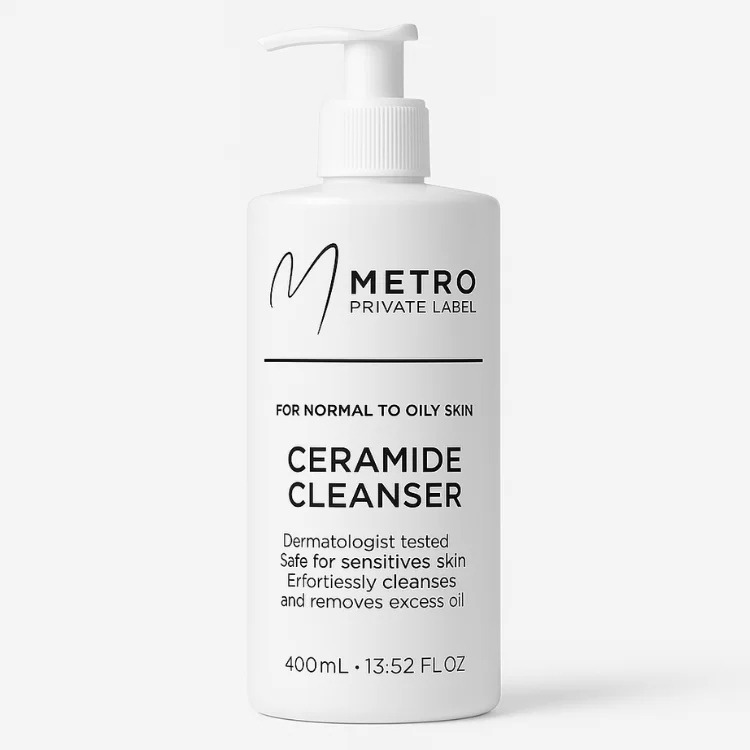
Ceramide Cleanser

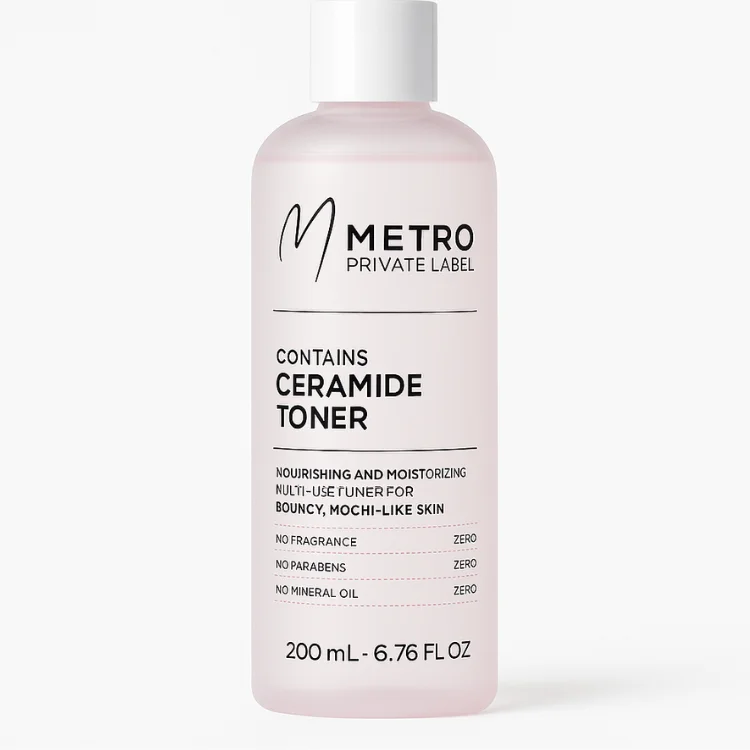
Ceramide Toner

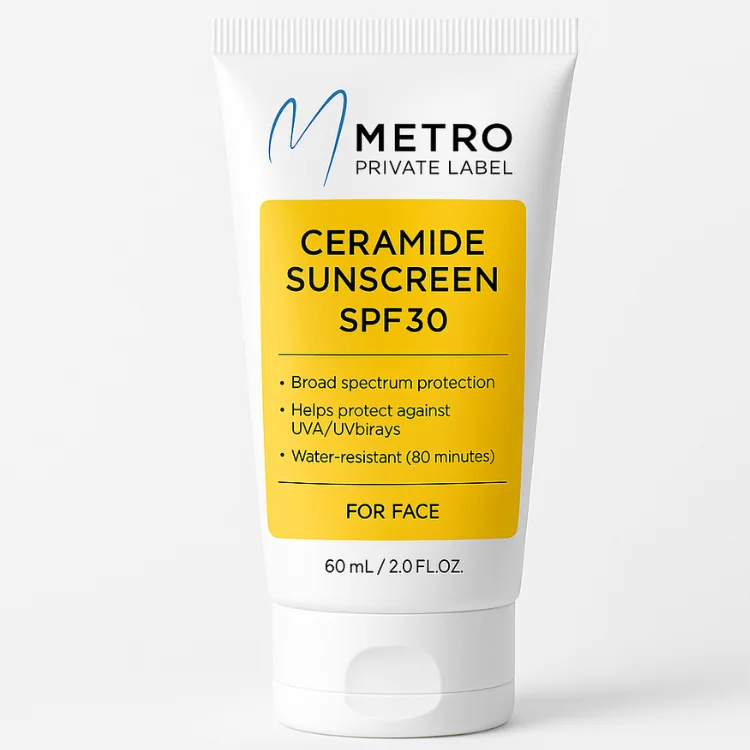
Ceramide Sunscreen SPF 30–50

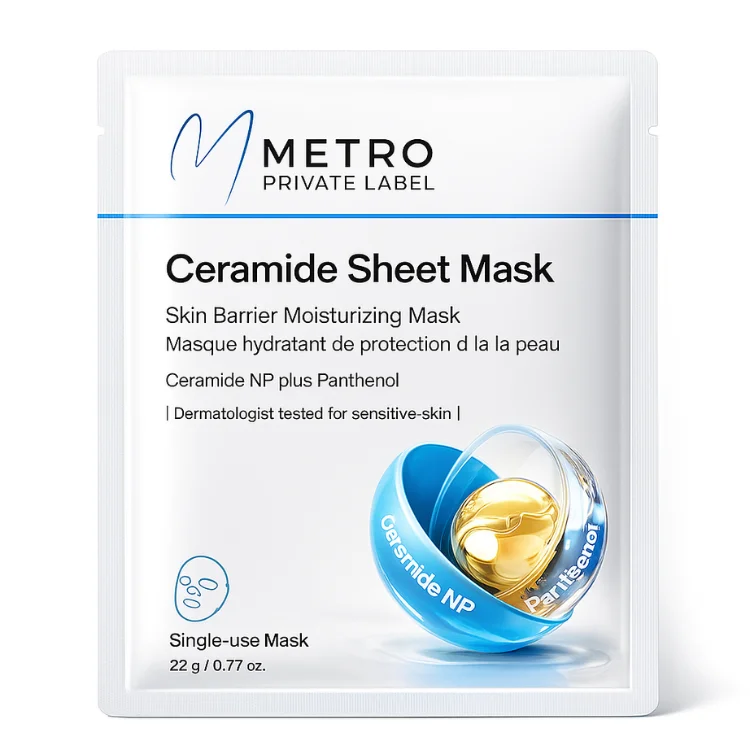
Ceramide Sheet Mask

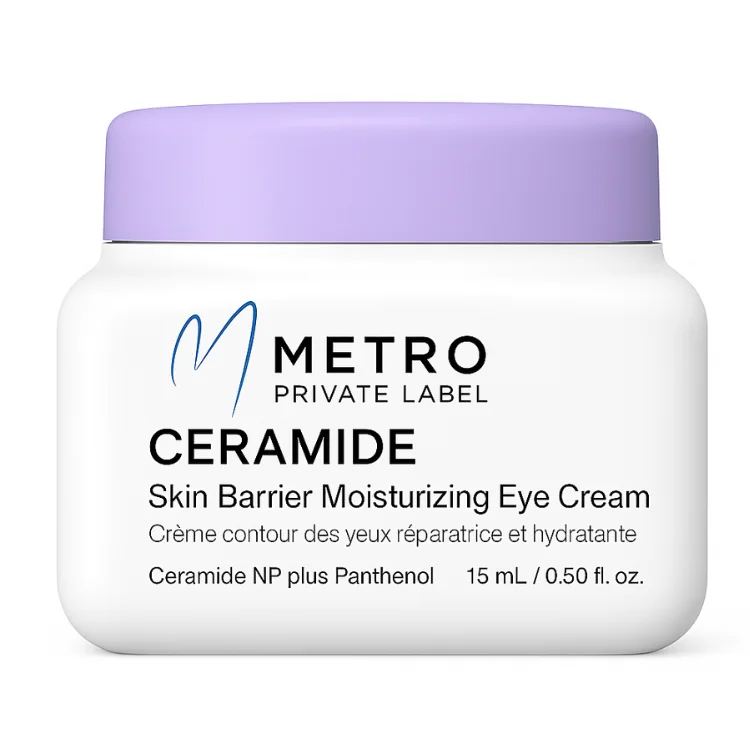
Ceramide Eye Cream

Build a Ceramide Skincare Line That Strengthens Your Brand

At Metro Private Label, we know ceramide skincare isn’t just another “nice to have” product—it’s the core of every barrier-repair routine and one of the fastest-growing categories in dermocosmetics. When your customers choose a ceramide serum, cream, or cleanser, they’re really choosing comfort, stability, and long-term skin health. That’s why we develop private label Ceramide Skincare that’s gentle, effective, and aligned with what real shoppers are searching for.
 
Whether your audience wants a repair serum for sensitive skin, a rich moisturizing cream, a daily body lotion, a fragrance-free cleanser, a K-beauty style toner/essence, a ceramide sunscreen, sheet masks for post-treatment repair, or a targeted eye cream, we help you build a line that feels premium, works beautifully, and earns repeat purchases—not just one-time trials.
 
We study what’s trending on Amazon, TikTok, and major global retailers, as well as what dermatologists actually recommend. That means the formulas you launch with us are already close to what people are actively searching for: barrier repair, dryness relief, post-treatment soothing, SPF with skincare benefits, and solutions for tired, delicate under-eye skin. All our products follow global compliance pathways, including CPSR, EU/UK documentation, FDA-related support, and export-ready dossiers for your target market.

💡 We Don’t Just Manufacture — We Build Signature Ceramide Formulas
Here are 8 bestselling ceramide directions global brands and clinics develop with us:
1️⃣ Ceramide Repair Serum
A lightweight, fast-absorbing serum focused on barrier repair and sensitivity.
👉 Ideal for “barrier-repair” and “post-treatment” positioning in clinics and DTC brands.
2️⃣ Ceramide Moisturizer / Cream
A rich, cushiony face cream inspired by top dermocosmetic moisturizers.
👉 Ceramides + cholesterol + fatty acids for long-lasting comfort without heaviness.
3️⃣ Ceramide Body Lotion
A daily body lotion for dry or eczema-prone skin, perfect in larger sizes.
👉 Designed for North American body-care growth and Middle East dry-climate markets.
4️⃣ Ceramide Cleanser
A gentle, pH-balanced, low-foam or cream cleanser that doesn’t strip the barrier.
👉 Works well as a “dermatologist-developed” sensitive skin face wash.
5️⃣ Ceramide Toner / Essence
A hydrating toner or essence that preps and soothes the skin.
👉 Popular in Asian markets for multi-step routines and “barrier-strengthening” claims.
6️⃣ Ceramide Sunscreen SPF 30–50
A daily SPF that protects while supporting the skin barrier.
👉 Great for “moisturizing sunscreen” or “repairing SPF” concepts in hot, sunny regions.
7️⃣ Ceramide Mask / Sheet Mask
Single-use masks for intensive repair after treatments or travel.
👉 Favored by Chinese and Middle East markets for “medical beauty” and spa retail.
8️⃣ Ceramide Eye Cream
A targeted cream for fine lines, dryness, and a weakened under-eye barrier.
👉 Fits premium anti-aging and “light medical aesthetic” eye-care positioning.


🎯 Flexible MOQ & Packaging Options (Including Masks & Sunscreen)
We understand every brand is at a different stage, so we keep our structure clear and honest:
✅ Most liquid/cream SKUs (Ceramide serums, creams, body lotions, cleansers, toners/essences, eye creams) → Typically 500–800 pcs using stock bottles/jars/tubes — ideal for first launches and DTC testing.
✅ Ceramide Sheet Masks (single-use)
Standard production: 1,000 boxes MOQ,e.g. 10 masks per box = 10,000 sheet masks in total
For test runs: we can also do around 500 pcs in bulk/blank style,but this requires separate outer box printing and extra packaging cost.
✅ Ceramide Sunscreen in Soft Tubes,For custom printed soft tubes, the realistic MOQ is 10,000 pcs,Better suited for brands planning retail, clinics, or wide distribution.
✅ 5,000 pcs+ When you’re ready for fully custom packaging, unique molds, or premium artwork, we can scale up with you and optimize cost per unit.
On top of that, we support airless pumps, tubes, jars, and eco-friendly options (like PCR materials), and we always run compatibility and stability checks to make sure the formula and packaging work together long-term.

More Than Just a Ceramide Skincare Manufacturer

At Metro Private Label, we don’t just produce ceramide skincare—we create barrier-repair formulas that shape how customers feel about your brand. Every serum, cream, and cleanser is designed for hydration, comfort, and long-term skin support that keeps customers coming back.

✅ We Build What the Market Already Loves

We analyze Amazon bestsellers, TikTok trends, and dermatologist-recommended routines to develop ceramide products consumers already trust. Our core directions include repair serums, rich moisturizers, body lotions, gentle cleansers, hydrating toners, SPF formulas, sheet masks, and eye creams.

✅ Start Smart. Scale Confidently.

Begin with 500–800 pcs using stock packaging to test your market. Scale to 5,000+ pcs for custom designs. Sheet masks require 1,000 boxes (10,000 masks) or 500 bulk pcs for tests, while custom sunscreen tubes require 10,000 pcs minimum.

✅ Formulas That Deliver Real Results

We focus on real barrier support using ceramides, cholesterol, and fatty acids. Our cleansers use mild surfactants, while serums and creams feature hydrating actives like HA, panthenol, and squalane. Choose fragrance-free or gently scented versions based on your audience.

✅ Compliance You Can Rely On

We provide complete documentation—INCI, COA, SDS, stability tests, and compatibility reports. All formulas follow U.S., EU, UK, and GCC requirements, helping your ceramide line launch smoothly with reliable, export-ready compliance support for global markets.
  • METRO
  • Typical OEM factory
METROTypical OEM factory
$
/year
/year
Minimum order quantity✅ 500 units for startup brands — low-risk entry for first-time founders.❌ 3,000 units minimum, limiting flexibility.
Packaging recommendations✅ Compatibility + visual templates to ensure perfect fit and premium look.❌ Not provided.
Launch support✅ Label compliance & claim copywriting included for export markets.❌ Not available.
Sample delivery time✅ 7–14 days with labeled packaging.❌ Usually 30+ days.
Compliance & Documentation✅ INCI, COA, SDS, GMP-ready — export with confidence.❌ Basic INCI only.
Buy Now

✨ Build a Ceramide Skincare Line That Defines Your Brand

When you work with us, you’re partnering with a GMPC-certified team that turns your ceramide concepts into stable, effective, export-ready products. We focus on barrier repair, hydration, skin comfort, and premium textures — so your line earns trust from the very first application.
 
Whether you want a lightweight ceramide repair serum, a rich moisturizing cream, a dermatologist-developed sensitive-skin cleanser, a hydrating toner/essence, a daily ceramide sunscreen, sheet masks for post-treatment repair, or a targeted eye cream, we design every product to feel smooth, absorb beautifully, and deliver the results your customers expect — and repurchase.
🧪 Custom Formulation That Builds Real Trust
We never rely on generic bases — we create original formulas guided by cosmetic science. Our lab works with multi-ceramide systems (NP/NS/AP/EOP), cholesterol, fatty acids, panthenol, HA, squalane, soothing botanicals, and repair-focused actives. Every prototype is tested for pH, stability, viscosity, and compatibility to guarantee consistency from sample to production.
If there’s a smarter way to improve barrier support, enhance texture, or increase your product’s market appeal, we’ll explain the science clearly and guide you through every choice. This collaborative approach helps your ceramide line stand out from “me-too” products and builds long-term credibility through visible results and premium skin feel.
 
📦 Packaging That Reflects Your Brand Identity
We believe packaging shapes the entire user experience. Start quickly with 500–800 pcs using stock bottles or jars — ideal for DTC launches, first-time SKUs, and market testing. When you’re ready to scale, move to 5,000+ pcs with custom molds, unique colors, airless packaging, and premium artwork.
Special MOQ Notes:
  • Sheet Masks: 1,000 boxes (10 pcs/box = 10,000 masks), or ~500 bulk pcs + custom boxes for test runs
  • Sunscreen Tubes: Custom-printed soft tubes require 10,000 pcs minimum
We handle labels, cartons, printing, and finishing so your packaging looks cohesive, clean, and retail-ready.
 
⚙️ A Seamless, Transparent Production Process
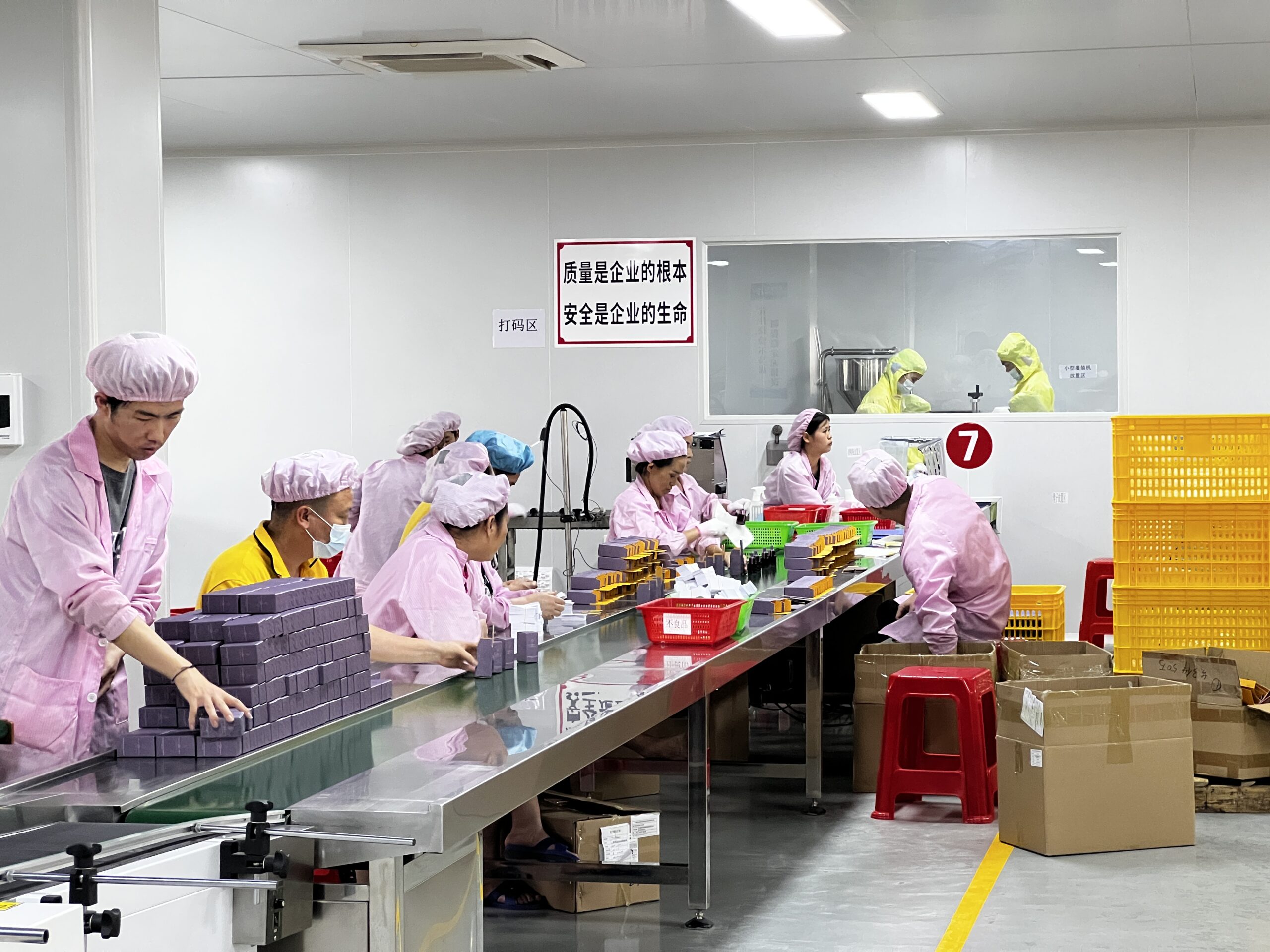
Everything happens under one roof — formulation, sampling, compatibility checks, filling, quality control, and export documentation. We keep communication clear, anticipate issues before they appear, and ensure every milestone stays on schedule. Consider us an extension of your operations team, focused on launching your ceramide products smoothly and reliably.
 
🌿 Your Growth Is Our Daily Benchmark
Our success is measured by long-term partnerships, not one-time orders. That’s why we offer consistent formulas, flexible MOQs, strong packaging solutions, and complete documentation for U.S., EU, UK, and GCC markets. With Metro Private Label, your ceramide skincare line is built to perform, impress customers, and scale with confidence.

Who We Work With (Designed Around Your Real Needs)

We build partnerships by thinking the way our clients do — understand first → provide solutions → deliver results. Every client type has different priorities, and our role is to translate those into clear, actionable outcomes.

Medical Aesthetic / SPA Professionals

You care about: post-treatment comfort, product safety, and documentation that meets regulatory and audit standards.
What we deliver:

  • Clinical-grade formulations: CICA, ceramides, and peptides; pH-balanced, fragrance-free options with full preservative logic provided.

  • Regulatory documentation: INCI, COA, SDS, stability and compatibility reports; CPSR/CPNP preparation handled with third-party testing support.

  • Professional aesthetic: minimalist, medical-style packaging suitable for back-bar or retail; traceable batches for consistent results.
    Immediate outcome: a post-treatment testing set, compliant label guide, and batch consistency plan ready for your internal validation.

Funded New Entrepreneurs

You care about: low-risk entry, a clear roadmap, and a premium finish that looks ready for market.
What we deliver:

  • Smart start: choose from proven skincare bases (serums, creams, masks); pilot runs from 500 units with optional custom cartons.

  • All-in-one process: formula → visual template → compliant label copy → production → export-ready documentation.

  • Transparent costing: clear breakdown of your key cost drivers — formula type, active concentration, and packaging complexity — so you can plan pricing and profit with confidence.
    Immediate outcome: 2–3 customized samples, a detailed quotation breakdown, and a timeline showing every stage from sample to shipment.

Boutique DTC Brand Owners

You care about: originality, visual consistency, and storytelling through ingredients.
What we deliver:

  • Ownable sensorials: bio-cellulose or vegan carrageenan textures paired with signature actives like peptides, niacinamide, or botanical blends.

  • Design alignment: typography, color, and label systems that match your brand aesthetic; compatibility checks before full production.

  • Global readiness: INCI, COA, SDS, and stability data included; EU/UK/US label claim review support for smooth registration.
    Immediate outcome: packaging mockups, ingredient story sheets, and a coordinated multi-SKU rollout plan that keeps your range cohesive.

Why this works:
We don’t sell production capacity — we deliver strategic understanding, technical precision, and verifiable results.
By connecting your goals with regulatory, design, and manufacturing expertise, we help your brand move faster, reduce uncertainty, and build trust that lasts.

FAQs Ceramide Skincare

For your convenience, we’ve gathered the most commonly asked questions about our Ceramide Skincare. However, should you have any further queries, please don’t hesitate to reach out to us.
1. What types of Ceramide Skincare can you manufacture?
We develop a full range of ceramide-based products: repair serums, moisturizers, body lotions, gentle cleansers, toners/essences, sunscreens, sheet masks, and eye creams. You can choose ready-made options or work with us to create something fully custom.
Absolutely. We can adjust ceramide levels, add actives like niacinamide or panthenol, customize texture, viscosity, scent (or fragrance-free), and tailor the skin-feel to your target market. Tell us your ideal product—we’ll build it with you.
Most skincare SKUs start at 500–800 units using stock packaging. Sheet masks follow 1,000 boxes (10 pcs/box = 10,000 masks) or ~500 bulk pcs for testing. Custom sunscreen tubes require 10,000 pcs. We’ll guide you toward the MOQ that fits your launch strategy.
Sampling usually takes 2–4 weeks, depending on complexity. Production takes 4–6 weeks after formula approval. If you’re working with a tight deadline, let us know—we’re often able to fast-track projects when possible.
Most of our ceramide products can be formulated vegan, cruelty-free, and aligned with clean-beauty standards. If your market needs additional claims or restrictions, we’ll adjust the ingredient list accordingly.
Yes—we handle bottles, jars, tubes, airless packaging, labels, and cartons.
Whether you want a premium frosted jar, a minimalist clinical look, or eco-friendly PCR materials, we’ll help you find the right packaging and finalize the artwork layout.
Both. Many clients start with our stock ceramide formulas for a quick launch, while others co-develop a custom formulation from scratch. We’ll help you choose the best path based on budget, brand positioning, and timeline.
Every formula goes through stability testing, pH and viscosity checks, compatibility testing, microbial safety testing, and final QC before filling. Our facility follows U.S., EU, UK, and GCC cosmetic standards for safe, export-ready production.
Definitely. We can help you shape claims such as “supports barrier repair,” “reduces dryness,” “soothes irritation,” “fragrance-free for sensitive skin,” and more. We can also provide ingredient highlights and suggested marketing copy for your launch.
Yes—we ship worldwide and work with brands across the U.S., EU, UK, Middle East, and Southeast Asia. We assist with export documents, customs requirements, freight coordination, and all compliance paperwork needed for smooth import.

Metro Private Label in Numbers

Happy Clients
0 +
Million-dollar Buyers
0 +
Formulation
0 +
Professional Staffs
0 +

Your Ultimate Guide to Ceramide Skincare

If you’re planning to launch a Ceramide Skincare product—whether it’s your first barrier-repair SKU or an extension of an existing line—you’re not just choosing a cosmetic trend. You’re tapping into one of the fastest-growing and highest-trust segments in the global skincare market. Ceramide formulas speak to today’s consumers on an emotional level: people want comfort, repair, stability, and products that feel safe on sensitized or over-treated skin. And that’s exactly why this category has become so competitive—and so profitable.
 
Over the years, we’ve watched ceramide products evolve from simple moisturizers into full barrier-repair systems: cleansers, essences, serums, creams, sunscreens, even overnight masks. And during that evolution, we’ve partnered with founders launching their very first hero product, Amazon and DTC operators optimizing conversion and review velocity, clinic and aesthetic brands looking for dermocosmetic-level actives, and distributors who depend on stable, compliant formulas that can succeed in multiple markets. What we’ve learned is that ceramide skincare requires far more strategy than most people expect.

Table of Contents

What Ceramides Actually Do in Skincare (And Why They Matter)

When I talk about ceramides with brands or clinic owners, I always start by explaining something most consumers never realize: ceramides make up nearly half of the skin barrier. That means they aren’t just “one ingredient among many”—they are literally part of the skin’s structural foundation. Whenever I look at a formula that claims to support sensitive or compromised skin, one of the first things I check is whether it includes ceramides, because without them, it’s almost impossible to rebuild the skin’s ability to protect itself. Ceramides are the reason the outermost layer of the skin can hold moisture, resist environmental damage, and maintain a smooth, healthy appearance.
 
In my experience developing skincare for different markets—from dermocosmetic European lines to Asian routine-based brands—one thing stays consistent: when ceramides are low, everything else in the skin starts to malfunction. Moisture evaporates faster, redness becomes more frequent, and the skin becomes more reactive to even the gentlest formulas. I’ve seen this pattern in people who over-exfoliate, use strong acne treatments, undergo aesthetic procedures, live in harsh climates, or simply have naturally sensitive skin. Whenever the barrier is stressed, ceramides are one of the first components to decline. That’s why replenishing them makes such a dramatic difference in how the skin feels and behaves.
 
What I find most interesting—and what I often explain to brand founders—is that ceramides don’t work in isolation. Healthy skin relies on a very specific combination of ceramides, cholesterol, and fatty acids. This “lipid matrix” determines how well the barrier seals in moisture. When I help clients evaluate a ceramide formula, I always look for this synergy. A formula overloaded with only ceramides may sound impressive on paper, but without the correct balance of companion lipids, it won’t perform the way the consumer expects. The magic isn’t just in adding ceramides—it’s in recreating the architecture of a healthy skin barrier.
 
Another detail I emphasize is that ceramide delivery systems matter just as much as ceramide concentration. Some ceramides are oil-loving and need stable emulsions to stay effective; others require encapsulation to avoid degradation. When I’m guiding a brand through formulation choices, I explain how different emulsifiers, pH levels, and preservatives affect ceramide stability over time. Ceramides are powerful, but they can be delicate; if you don’t design the formula correctly, you risk creating a product that loses its effectiveness before the customer even finishes the bottle. This is why professional-grade ceramide products often feel more elegant and perform more consistently—they’re engineered with these scientific nuances in mind.
 
I also like to bring attention to how versatile ceramides are across different product formats. Many people associate ceramides only with creams, but in practice, I’ve helped brands create everything from repair serums and moisturizers to barrier cleansers, hydrating essences, eye creams, body lotions, and even sunscreens using ceramides. In each category, the role of ceramides shifts slightly—sometimes they soothe irritation, sometimes they enhance hydration, and sometimes they make the formula gentler and more supportive for daily use. The flexibility of ceramides is a big part of why they’ve become a backbone ingredient for barrier-focused skincare lines.
 
Perhaps the most important reason ceramides matter is this: barrier health has become the center of modern skincare. Consumers are finally understanding that treating the barrier—rather than attacking the symptoms—creates longer-lasting results. Whether someone is dealing with dryness, acne irritation, eczema-prone skin, or post-peel sensitivity, strengthening the barrier is the universal first step. And ceramides are the ingredient category that directly restores the skin’s natural defenses. I’ve watched countless customers experience improvements in texture, softness, and tolerance simply by incorporating a ceramide product into their routine.
 
When I help brands design a new skincare line, I always remind them that ceramides aren’t just another marketing trend—they are a scientifically grounded solution to challenges that millions of people face every day. They make skin more resilient, more hydrated, and more comfortable. That’s why ceramide skincare continues to gain global traction, and why it has become a foundational category for brands, clinics, distributors, and retailers aiming to deliver real, visible results.

The Science Behind Ceramide Formulation

When I think about ceramide formulation, I don’t just think about adding an ingredient — I think about engineering a miniature ecosystem. Ceramides, by themselves, are only one part of a much larger biological architecture. Over the years, as I’ve worked with different brands, clinics, and R&D teams, I’ve learned that a ceramide formula only truly works when it respects the same structural logic that the skin uses naturally. And that begins with understanding that ceramides are never meant to work alone. In healthy skin, ceramides operate in a partnership with cholesterol and fatty acids, forming a layered, highly organized structure known as the lamellar lipid matrix. This matrix is the reason a strong barrier can keep moisture locked in while keeping irritants out.
 
Whenever I teach new brand founders about ceramides, I often use the analogy of a tiled roof — but scientifically, it’s even more complex than that. If I zoom in mentally to the microscopic level, I imagine sheets of lipids stacking in a very precise, repeating pattern. Ceramides form the backbone of these sheets, cholesterol adds flexibility, and fatty acids bind everything tightly together. When I create or analyze a formula, I pay close attention to how these lipids interact. If the ratios are not close to what the skin naturally produces — typically a carefully balanced proportion that scientists often describe as “barrier-mimicking” — the formula might feel pleasant on first application, but it will not deliver the deep, sustained repair that consumers desperately look for in ceramide products.
 
One thing I’ve learned through trial, testing, and many experimental batches is that ceramides are incredibly sensitive to their environment. They don’t tolerate random emulsifiers, they dislike unstable pH levels, and they struggle to remain effective in poorly-structured formulas. Early in my formulation work, I watched beautiful concepts fall apart during stability testing — ceramides would precipitate, the emulsion would separate, or the barrier effect simply didn’t show in skin-feel tests. That’s when I began to appreciate how essential cholesterol and fatty acids are, not just as ingredients but as stabilizing partners that help ceramides organize into the multilamellar structures the skin recognizes. When this structure forms correctly, I can immediately see the difference: the texture becomes silkier, the moisturization curve improves dramatically over 8–12 hours, and the skin maintains hydration far more effectively.
 
What often surprises people is that different ceramide types have different jobs, and choosing the wrong combination can weaken the entire formula. Ceramide NP, for instance, excels at long-term barrier reinforcement; Ceramide AP supports natural exfoliation rhythms; Ceramide EOP helps structure the lipid layers and improves resilience. When I’m reviewing a formula for a brand, I don’t just ask “does it contain ceramides?” — I ask which ceramides, in what combination, and how they’re supported by the surrounding lipid system. This level of detail is what separates a superficial ceramide product from one that actually improves barrier function in measurable, real-world use.
 
I’ve also learned to respect how packaging interacts with ceramide formulations. Because ceramides are hydrophobic and prone to degradation, the formula must be paired with packaging that preserves its stability. Airless pumps, opaque tubes, and well-tested compatibility systems are just as important as the ingredient list itself. I’ve seen formulas with perfect architecture lose their potency simply because the packaging allowed oxidation or disrupted the emulsion over time. Whenever I evaluate ceramide stability reports, I’m reminded that formulation science doesn’t end in the beaker — the packaging completes the system.
 
Perhaps the most fascinating part of ceramide formulation, at least to me, is how quickly the skin responds when the lipid ratios are correct. During testing phases, I’ve watched people with reactive, irritated, or over-exfoliated skin show visible improvements within days: reduced redness, smoother texture, calmer sensations, and stronger hydration. This immediate feedback is exactly why ceramides have become a core category in modern skincare. The skin recognizes these lipids as “home,” and when the formula mirrors the skin’s own design, the results are not only noticeable — they’re reliable.
 
So when I talk about the science behind ceramide formulation, I’m really describing a process of reconstruction: rebuilding what the skin naturally produces but has lost due to age, environment, stress, or treatments. The most effective ceramide products are not accidents — they’re the outcome of designing formulas that honor biology, respect chemistry, and recreate the protective architecture the skin depends on. That’s the kind of formulation science I’ve seen make the biggest difference, both in clinical environments and in consumer products that build long-term brand loyalty.

The Most Common Ceramide Product Formats in Today’s Market

When I study how ceramides are used across today’s skincare landscape, I’m always struck by how dramatically the category has evolved. There was a time when ceramides were limited almost exclusively to thick moisturizers. Now, I see them appearing in serums, cleansers, sunscreens, essences, sheet masks, and even eye treatments. This shift didn’t happen randomly; it’s a direct response to how consumers now think about their skin. “Barrier repair” has transitioned from a niche concern into the foundation of modern skincare, and I see this reflected in the product formats I help brands create.
 
When I begin consulting on a ceramide line, I often start by discussing repair serums, because serums are the format where ceramides can achieve the fastest and most visible impact. What I’ve learned is that consumers reach for serums when they want something lightweight yet highly functional. When the skin feels irritated, tight, or heat-sensitive — whether from over-exfoliation, retinol use, or aesthetic treatments — a well-formulated ceramide serum almost always becomes the hero rescue product. I enjoy working on serums because they allow me to design elegant emulsions that deliver ceramides in small, skin-identical structures, often paired with panthenol, niacinamide, or hyaluronic acid. In testing, I’ve seen people experience noticeable comfort within just a few minutes of application.
 
From there, I usually move into moisturizing creams, which I consider the cornerstone of any ceramide routine. Creams give me the opportunity to build more complex lipid matrices — the kind that mimic the skin’s natural 3-part system of ceramides, cholesterol, and fatty acids. When these ratios are balanced correctly, the cream feels instantly cushioning without being greasy. What I love about working on ceramide creams is seeing how dramatically they change the daily experience for people with sensitive skin. The right cream can act almost like a seal, reducing micro-irritation and restoring the “comfort” sensation that many people don’t even realize they’re missing.
 
Another format I work on frequently is ceramide body lotions, and I find them especially important for markets like the U.S. and the Middle East. The body is exposed to cold climates, dry air, friction, and harsh cleansers — yet it’s rarely treated with the same care as the face. When I design ceramide body lotions, I focus on creating lightweight, fast-absorbing, non-tacky textures that still deliver barrier-strengthening benefits. Large-size formats (300–500ml) often perform well because they align with consumer expectations of practicality and daily use.
 
Ceramides also play a central role in gentle cleansers, and this is an area where the science becomes particularly interesting. Many traditional surfactants impair the skin barrier during cleansing, which is why barrier-supportive cleansers are now in such high demand. When I create a ceramide cleanser, my goal is always to balance mild surfactants with lipid-replenishing systems so the cleansing step becomes part of the repair process, not a source of damage. This category is essential for dermatologist-aligned brands and for post-treatment routines in medical aesthetics.
 
For clients targeting Asian markets — especially China, Japan, and Korea — hydrating toners and essences are indispensable. These markets value multi-step routines, and ceramide essences fit beautifully into that philosophy. What excites me here is how flexible these formats can be; I can create water-light systems that deliver ceramides through finely dispersed lamellar structures. I often observe that these formulas become hydration boosters, prepping the skin so serums and creams work even better.
 
Another format I’m seeing rapid growth in is ceramide-based sunscreens. UV filters can be drying or irritating, so adding ceramides helps offset those potential drawbacks. When I develop ceramide sunscreens, I aim for textures that feel elegant, spread easily, and leave no chalkiness. The ceramides not only support the barrier but also improve the overall sensory experience, making daily sunscreen use far more pleasant.
 
For brands connected to aesthetic clinics or spa chains, ceramide sheet masks are extremely valuable. These masks deliver an immediate sense of relief, especially after micro-needling, peels, or laser treatments. When I formulate sheet masks, I prioritize soothing actives alongside ceramides — ingredients like centella, allantoin, or ectoin — so that the mask delivers both instant comfort and deeper repair. I’ve watched patients visibly relax after applying a well-designed ceramide mask, which is one of the most rewarding parts of this work.
 
And finally, ceramide eye creams hold a special place in barrier-focused skincare. The eye area has thinner skin, fewer oil glands, and a naturally weaker barrier, which makes it the first place to show irritation and dehydration. When I create ceramide eye formulas, I design them to be both barrier-strengthening and gentle enough to avoid migration into the eyes. Peptides, panthenol, and micro-dose retinoids often pair beautifully with ceramides here. The result is a product that supports firmness, reduces dryness, and enhances resilience.
 
What ties all these product formats together is a single theme: ceramides allow consumers to build complete routines that protect, soothe, hydrate, and strengthen the skin from start to finish. From the first cleansing step to the final overnight treatment, ceramides create continuity and stability — the kind of long-term support that modern skincare consumers have begun to expect in every category. For me, this evolution is not just a trend; it’s a shift toward more science-driven, skin-respecting routines, and ceramide products are at the very heart of that movement.

Global Market Trends Driving Ceramide Demand

When I look at the global skincare landscape, one of the biggest shifts I’ve witnessed in recent years is how strongly the world has moved toward barrier-first skincare—and ceramides are at the heart of that shift. What fascinates me is that this trend didn’t emerge from marketing campaigns; it emerged from real consumer frustration. I’ve spoken with countless brand founders, dermatologists, and distributors who tell me the same story: people are tired of irritation, dryness, redness, over-exfoliation, and the unpredictable reactions caused by harsh actives. As this frustration spread, “skin barrier repair” rose to the top of search trends, product reviews, and consultation requests. And naturally, ceramides became the ingredient most closely associated with restoring calm, stability, and resilience.
 
In the United States, I’ve seen the ceramide trend explode almost like a cultural moment. Brands like CeraVe and La Roche-Posay didn’t just gain popularity—they changed the entire vocabulary of American skincare. When I talk to U.S. consumers or analyze top Amazon reviews, I notice how often people now say things like “my barrier is damaged,” “I need to repair my moisture barrier,” or “I switched to fragrance-free ceramide products.” This language was almost unheard of ten years ago. What triggered it was a combination of dermatologist education, TikTok creators spreading information about barrier damage, and consumers becoming more ingredient-literate. I often remind founders that U.S. consumers value function over flash—and ceramides perfectly embody that preference: simple, science-based, and effective.
 
In the European Union, ceramide demand is driven by a slightly different force: the long-standing trust in dermocosmetic pharmacy brands. Europeans have always leaned toward clinical, fragrance-free, sensitive-skin-friendly formulas. When I walk through a European pharmacy, I can see clearly why ceramide skincare flourishes there. The shelves are filled with products designed for eczema, rosacea, dryness, and compromised skin. The EU market cares deeply about allergen safety, low-irritation formulas, and ingredient transparency. So when ceramide-focused messaging entered the mainstream, European consumers immediately recognized its scientific credibility. In my discussions with EU distributors, they often emphasize that ceramide serums and creams perform well not just because of the ingredient, but because the entire category aligns with Europe’s skincare culture: clinical, minimalist, intentional.
 
Asia, however, offers one of the most fascinating case studies for me. The region didn’t simply adopt ceramides—it shaped ceramides into a whole different product universe. Asian beauty philosophy, especially in Japan and Korea, has always been deeply centered on hydration, layering, and long-term skin health. When I work with Asian brands, they treat ceramides not as a heavy cream ingredient, but as something that can be infused into lightweight essences, toners, and masks. This is why Asian consumers frequently gravitate to water-based ceramide essences, ultra-thin sheet masks, and multi-layer hydrating routines. Ceramides in Asia align perfectly with the ritualistic nature of skincare—something that is done patiently, step by step, with a long-term mindset. I often say that Asia made ceramides “beautiful,” not just functional.
 
Another global pattern that stands out to me is the rise of skin sensitivity as the new normal. Everywhere I look—social media, clinic consultations, customer feedback—people describe their skin as easily irritated, dehydrated, or fickle. This growing sensitivity epidemic is closely linked to modern skincare behavior: overuse of acids, aggressive actives, too many steps, sun exposure, pollution, and even stress and sleep patterns. When I speak to aestheticians and dermatologists, they tell me they’ve never seen this many compromised barriers. Naturally, consumers began searching for something that could restore balance, and ceramides quickly became the universal solution.
 
I’ve also noticed that dermatologist content has become a defining force in global skincare education. When dermatologists on TikTok and YouTube talk about ceramides as essential for repairing and maintaining the barrier, consumers internalize it immediately. I’ve watched entire product categories spike simply because a dermatologist explained how ceramides support barrier function. This medical authority gives ceramides a credibility that few other ingredients enjoy.
 
Retail behavior also reveals a lot about ceramide demand. When I analyze online retailers like Amazon, Sephora, Boots, or Tmall, I consistently see ceramide products placed in categories such as “sensitive skin,” “hydrating,” “post-treatment care,” “dermatologist recommended,” and “gentle skincare.” This kind of merchandising trains consumers to associate ceramides with trust, safety, and recovery. In China, I’ve seen ceramide SKUs consistently dominate Tmall categories during Double 11, not because they are trendy, but because the market recognizes their reliability.
 
What ties all these regional behaviors together is something I find very meaningful: ceramides satisfy a universal psychological need for safety in skincare. Whether someone is in New York, Paris, Dubai, Seoul, or Toronto, the desire to calm irritation, strengthen the barrier, and restore comfort is the same. Ceramides are perceived not as dramatic, transformative ingredients, but as grounding, stabilizing, protective ones. And in a world where consumers feel overwhelmed by complicated actives, ceramides offer a sense of clarity and reassurance.
 
So when I look at global ceramide demand, I don’t just see a trend—I see a shift in how people relate to skincare itself. Ceramides have become the ingredient people trust when everything else fails, the ingredient that bridges clinical credibility with daily comfort, and the ingredient that sits at the heart of barrier-first routines across continents.

Choosing the Right Ceramide Product Type for Your Market

When I guide brands through developing a ceramide line, one of the first things I emphasize is that ceramides themselves are universal, but the formats consumers trust are not. Over the years, working with founders, distributors, dermatologists, and retailers across different continents, I’ve learned to pay close attention not just to ingredient science—but to cultural habits, climate-driven needs, historical preferences, and even lifestyle behaviors. Every region has its own rhythm. And when a ceramide product format matches that rhythm, sell-through becomes smoother, customer loyalty becomes stronger, and the entire brand feels more aligned with its audience.
 
In North America, for example, I’ve noticed that consumers think about skincare in a very “functional and practical” way. When I analyze U.S. purchasing behavior, I see an unmistakable preference for body lotions, gentle cleansers, and daily moisturizers. These aren’t products people buy for fun—they’re products people buy because their skin needs them. The climate alone influences this: harsh winters, strong indoor heating, air conditioning, and fluctuating humidity levels all contribute to dryness and irritation. Americans want something that feels simple, dependable, and dermatologist-approved. Whenever I evaluate top-selling ceramide SKUs on Amazon, the patterns are clear: big bottles, family-friendly positioning, fragrance-free claims, and a focus on restoring comfort. Ceramide cleansers and body lotions fit directly into this demand because they feel like essential, repeat-use items rather than specialty treatments.
 
The EU and UK markets behave differently. Europeans have grown up with a deep trust in pharmacy skincare, and that shapes almost every ingredient trend I see there. When I talk to EU consumers or review retailer assortments in France, Germany, and the UK, I notice that they gravitate toward serums, emulsions, and fragrance-free creams. They expect formulas to be minimalist, hypoallergenic, and clinically aligned. Ceramide serums do especially well because they offer concentrated repair without heaviness, and because EU consumers often layer them under richer creams or treatment products. Another thing that stands out to me is how strict European attitudes toward fragrance have become—many shoppers simply won’t buy a ceramide cream unless it’s fragrance-free. This fits perfectly with the sensitive-skin narrative that dominates EU skincare.
 
Asia, on the other hand, approaches ceramides through a completely different philosophy—one that I personally find inspiring. Asian skincare culture values hydration, layering, translucency, and texture refinement, and ceramides are woven into these rituals in a very elegant way. When I work with brands expanding into China, Japan, or Korea, I almost always prioritize ceramide toners, essences, and sheet masks. Asian consumers love formulas that feel light, fluid, and silky; they want barrier repair that doesn’t feel heavy or occlusive. Ceramide essences fit beautifully into the multi-step routines that are so foundational in Asia. And sheet masks are practically a cultural icon—used not only for hydration, but also for relaxation, recovery, and post-treatment comfort. I’ve even seen ceramide masks become staples in evening routines simply because the climate, pollution levels, and fast-paced lifestyles create constant dehydration and irritation.
 
Then there is the Middle East, where climate plays a more influential role than any other region I’ve studied. Hot temperatures, intense sunlight, low humidity, and strong indoor air conditioning all contribute to skin dehydration, and this shapes consumer behavior more than people realize. When I develop ceramide products for Middle Eastern markets, the strongest performers are usually ceramide sunscreens and deeply hydrating body care. Sunscreen is not optional there—it’s a daily necessity—and when the formula includes ceramides, it helps counter the dryness and irritation that UV filters sometimes cause. At the same time, rich ceramide body creams and lotions perform exceptionally well because people genuinely feel the difference in their skin when the formula supports long-term moisture retention.
 
One thing I’ve learned after years of observing these patterns is that choosing the right ceramide product type is really about understanding how each culture thinks about “comfort.” – In the U.S., comfort means practicality and everyday usability. – In Europe, comfort means gentle, clinical performance and minimalism. – In Asia, comfort means hydration layered elegantly across multiple steps. – In the Middle East, comfort means moisture and sun protection working together.
 
When a product format aligns with the local definition of comfort, everything becomes easier:
• your marketing feels intuitive
• your retailers reorder more confidently
• your reviews become stronger
• and your repurchase rate increases naturally
 
I’ve watched brands struggle simply because they launched the wrong ceramide SKU in the right market. And I’ve seen other brands grow rapidly because they listened deeply to regional behavior—choosing a ceramide cream for Europe, a cleanser for the U.S., an essence for Asia, and a sunscreen for the Gulf. The lesson, for me, is very clear: ceramides succeed everywhere, but the format has to respect the culture.

Ingredient Pairings That Strengthen Ceramide Formulas

When I’m working on a ceramide formula—whether it’s a serum, cream, cleanser, or body lotion—the first thing I remind myself is that ceramides are incredibly powerful, but rarely at their best alone. In healthy skin, ceramides live within a complex network of lipids, water-binding molecules, and repair signals. So when I formulate, I try to recreate that same ecosystem inside the bottle. Over time, I’ve learned that the most successful ceramide products share the same strategy: they pair ceramides with ingredients that enhance their function, deepen their impact, and create a more complete repair experience for the consumer.
And the moment I began to look at ceramides this way—not as isolated actives but as members of a collaborative team—my formulas became dramatically more effective.
 
Hyaluronic Acid: The Essential Water Partner
One pairing I return to again and again is ceramides + hyaluronic acid. Whenever I explain this to brand founders, I describe ceramides as the “roof tiles” of the skin barrier and hyaluronic acid as the “water reservoir” beneath them. They work beautifully together because the barrier cannot retain water unless water is present to be retained.
When I test ceramide formulas that include multiple molecular weights of hyaluronic acid, I always see the same pattern:
• immediate plumpness,
• smoother texture,
• and longer-lasting hydration, even hours later.
What I find especially interesting is how this pairing enhances the feel of the formula. Hyaluronic acid adds bounce and slip, while ceramides add substance and resilience—it’s the combination that makes the texture feel alive rather than flat.
 
Panthenol: The Soothing, Strength-Building Companion
Panthenol is one of the first ingredients I consider when a brand aims for a “recovery” or “sensitive skin” narrative. I’ve worked with panthenol in countless prototype rounds, and I’ve seen how dramatically it reduces tightness, irritation, and that uncomfortable “hot” feeling on compromised skin.
What makes it such a powerful partner for ceramides is not just its soothing effect, but its ability to improve the skin’s ability to utilize ceramides more effectively. I’ve watched patch tests where a ceramide formula with panthenol outperformed the same formula without it—not by a small margin, but by a visible, measurable degree.
When panthenol and ceramides appear together, the formula gains a gentleness that customers immediately notice.
 
Niacinamide: The Ingredient That Amplifies Ceramide Production
Niacinamide is one of those ingredients that, the more I work with it, the more respect I have for it. I often call it the “ceramide amplifier,” because it supports the skin in producing more of its own barrier lipids.
When I pair niacinamide with ceramides, I’m not just giving the skin external lipids—I’m teaching it to rebuild itself. I’ve seen this especially in consumers dealing with chronic dryness, barrier damage, or post-retinoid irritation.
What I love most about this pairing is how comprehensive it becomes:
• ceramides strengthen the barrier structure,
• niacinamide reduces inflammation,
• and together they create a calmer, more stable skin environment.
In markets like the U.S. and EU, where shoppers actively look for “niacinamide + ceramide” combinations, this pairing has strong commercial value as well.
 
Squalane: The Silky, Sensory Enhancer
When I add squalane to a ceramide system, I’m thinking as much about feel as I am about function. Squalane brings a softness that transforms the entire sensorial profile of a formula. It improves spreadability, reduces drag, and adds a smooth, breathable layer that gives the product a premium finish.
I’ve learned that textures matter almost as much as performance. Even the best ceramide formula will fail if it feels heavy, greasy, or sticky. Squalane solves that problem by enhancing elegance without diluting the barrier benefits.
I tend to use squalane more in moisturizers and sunscreens, but even in serums and toners, it adds a subtle richness that makes the formula feel more complete.
 
Peptides: The Sophisticated Repair Partners
When I work on formulas intended for advanced repair—especially eye creams, night treatments, or anti-aging lines—peptides become essential. Peptides are signaling molecules: they tell the skin to rebuild, firm up, and behave more youthfully.
When I combine peptides with ceramides, I’m effectively supporting the skin on two levels:
• ceramides rebuild the physical barrier,
• peptides reinforce deeper structural integrity.
This pairing consistently performs well in clinical-style brands and premium lines because it delivers visible results without relying on harsh actives. I’ve seen clients move away from aggressive retinoid systems and toward peptide + ceramide systems simply because the consumer experience is more comfortable and sustainable.
 
Why These Pairings Matter More Than Ever
One thing I’ve learned from watching global skincare behavior is that consumers today are more ingredient-savvy than at any other point. They don’t just want a ceramide cream—they want to know what else is in it and why.
When I see shoppers evaluating products online, they’re looking for combinations like:
• “Ceramides + HA”
• “Ceramides + Niacinamide”
• “Cica + Ceramides”
• “Peptides + Ceramides”
These searches reflect a shift: people no longer think of skincare as single ingredients—they think in systems. And a good ceramide formula is a system: a network of hydration, repair, soothing, softness, and structural reinforcement.
When I formulate with that mindset, the products don’t just pass stability tests—they resonate with consumers in a way that builds trust and long-term loyalty.

How to Ensure Ceramide Product Stability & Safety

When I’m developing a ceramide formula — whether it’s a serum, cream, cleanser, or body lotion — the very first thing I remind myself is that ceramides are only as good as the environment they’re placed in. They’re powerful, skin-identical lipids, but they’re also technically demanding. I’ve seen beautiful prototypes fail simply because the formula wasn’t stabilized correctly, or because the packaging materials interacted with the lipids in unexpected ways. So for me, ensuring stability and safety is not just a step in the process — it is the backbone of the entire development journey.
 
One of the biggest challenges I face with ceramides is their sensitivity to pH fluctuations. Ceramides have a very narrow comfort zone; once the formula drifts outside that range, they can degrade, crystallize, or lose their ability to align into the lamellar structures the skin needs for barrier repair. I always monitor pH not only during formulation, but repeatedly across stability cycles. It’s not uncommon for certain humectants, buffers, or actives to shift pH over time — and ceramides feel that immediately. Keeping the pH consistent is like tuning a musical instrument: if one string goes off, the whole system stops sounding right.
 
Another layer of complexity comes from the emulsifier system. Ceramides don’t behave like typical oils — they’re waxy, structured molecules that need the right emulsifiers to remain stable. When I test emulsifiers, I’m not just looking for “does this hold?” — I’m looking for systems that create lamellar organization, the same layered patterns found naturally in the skin barrier. When the emulsifier system supports lamellar formation, I can almost predict that the formula will show better moisturization curves, smoother sensory feel, and more consistent long-term performance. But when the emulsifier doesn’t support ceramides, I see separation, grittiness, or visible lipid pooling — all signs that the formulation architecture isn’t strong enough.
 
Packaging introduces another set of variables that many people underestimate. I’ve seen ceramide formulas destabilize simply because the bottle material was slightly permeable to oxygen or because the tube’s internal coating interacted with the lipids. There were times when a formula passed all laboratory testing but failed the moment it was filled into a certain tube. The viscosity thinned, the color shifted slightly, or the scent turned — subtle signs, but important ones. This is why I always insist on packaging compatibility tests. I test formulas in PP, PET, HDPE, acrylic, airless pumps, multilayer tubes — because every material affects a ceramide emulsion differently. Even small details like pump springs, cap liners, and inner coatings can influence stability.
 
Once the formula and packaging system are aligned, I move into full stability testing, which is where I see the real personality of the product emerge. Accelerated aging at 40°C, freeze-thaw cycles, mechanical vibration, high-humidity exposure — all of these tests stress the formula in ways consumers never see. And it’s fascinating how much these tests reveal. I’ve seen ceramide creams that felt perfect at room temperature but separated after two freeze-thaw cycles. I’ve seen serums that oxidized under heat despite looking flawless initially. I’ve watched body lotions become more fluid over time because the emulsifier-lipid balance was too fragile. These tests don’t just validate the formula — they teach me how the product will age, how it will travel, and how resilient it will be on store shelves.
 
Another key aspect of safety is the preservation system. Ceramide formulas often contain high levels of lipids and low-fragrance or fragrance-free systems, which makes them more prone to microbial growth if the preservative isn’t chosen carefully. I conduct preservative efficacy tests (PET or challenge tests) to ensure the formula withstands contamination from bacteria, yeast, and mold under real-world conditions. I’ve learned that certain preservatives partition differently in high-lipid systems, so what works in a simple gel might not work in a ceramide cream. Getting this right is critical because consumers who buy ceramide products often have sensitive or compromised skin — the margin for error is extremely small.
 
What I find most rewarding is seeing how all these elements — pH control, emulsifier architecture, packaging compatibility, stability testing, and microbial safety — come together to create a formula that finally feels ready for the real world. A ceramide product isn’t truly “finished” until it maintains its structure, texture, scent, and performance from the first pump to the very last. When everything is aligned, I can feel it immediately: the formula applies smoothly, absorbs consistently, stays homogeneous over months, and delivers the same comforting sensation every time the consumer uses it.
 
And for me, that is the true measure of success in ceramide formulation: a product that remains stable, safe, and effective — not just in the lab, but throughout its entire life in the hands of the people who rely on it.

Packaging Considerations for Ceramide Skincare

Whenever I develop a ceramide-based product, the formula is only the beginning. In reality, packaging plays a decisive role in both performance and consumer perception, often more than people expect. Ceramide skincare has a very specific identity in the global market — clinical, gentle, barrier-restoring, trustworthy — and the packaging must reinforce that identity while also protecting the formula from degradation. Over the years, I’ve learned that the difference between a good ceramide product and a great one often comes down to the choices we make long before filling: the packaging material, the dispensing system, the coating, the opacity, even the touch of the surface.
 
When I work on ceramide formulas, I almost always gravitate toward airless pumps. This isn’t just about aesthetics — it’s about protecting the integrity of the formula. Ceramides are vulnerable to oxidation and structural disruption when repeatedly exposed to air. I’ve seen jar-packaged prototypes oxidize faster, form subtle graininess, or lose viscosity over time simply because the barrier was broken with every use. Airless systems prevent oxygen exposure, keep the formula hygienic, and maintain the lamellar structure that’s so essential for barrier repair. They also add a clinical sense of precision — a feeling that the product is engineered for sensitive skin, not just for fragrance or luxury.
 
For formulas aimed at a more premium or dermocosmetic audience, I often choose frosted bottles. There’s a psychological dimension to frosted packaging that I’ve always loved: the semi-opacity makes the product feel pure, calming, and trustworthy. Frosted glass or high-end frosted plastic also protects light-sensitive actives, shields ceramide structures from UV damage, and gives weight to the consumer experience. When I hold a frosted bottle filled with a ceramide emulsion, it feels both scientific and comforting — exactly the emotional balance consumers seek in a barrier-repair product.
 
When it comes to creams, body lotions, and sunscreens, soft-touch tubes are one of my favorite options. There’s something incredibly intentional about the velvety matte texture, as if the packaging itself is part of the skincare ritual. In usability tests, I’ve seen people describe soft-touch tubes as “gentle,” “soothing,” and “clean” before they even squeeze out the product. In my view, soft-touch packaging communicates empathy — a quiet message that the formula inside is designed for stressed, compromised, or sensitive skin. Technically, these tubes are also effective for ceramide stability because they shield the formula from oxygen and minimize air backflow after dispensing.
 
Of course, visual design plays a major role as well. Ceramide skincare has become synonymous with minimalist labels, and there’s a reason for that. When people shop for barrier-repair products, they’re not looking for ornate graphics or bright colors—they want clarity, honesty, and clinical integrity. That’s why I prioritize clean typography, ingredient-focused copy, and a color palette that feels soft: whites, creams, light blues, pale greens, neutrals. These colors quietly signal gentleness, purity, and dermatological reliability. In fact, I’ve observed that consumers often trust ceramide products more when the packaging looks medical rather than cosmetic.
 
Behind the scenes, I also evaluate the material compatibility between the formula and the packaging. Ceramide systems contain lipids, emulsifiers, and sensitive actives that can interact unpredictably with certain plastics. I’ve watched formulas destabilize inside PET bottles, soften certain tube linings, or pick up a faint odor from incompatible polymers. That’s why I always run compatibility testing with multiple materials—PP, HDPE, PET-G, acrylic, multilayer EVOH tubes, aluminum-coated tubes. Sometimes a formula that behaves perfectly in PP will degrade slightly in PET, or a body cream will hold viscosity in an airless pump but lose structure in a basic squeeze tube. These nuances can only be uncovered through real-world testing.
 
Another subtle but important factor is light protection. Ceramides may not oxidize as rapidly as some vitamins, but the lipid network can gradually weaken when exposed to sustained UV light. For that reason, I avoid fully transparent packaging. I look for opaque or semi-opaque designs that reinforce both stability and the “clinical” brand identity consumers expect.
 
Finally, I always think about the emotional journey of the end user. People who reach for ceramide skincare are often dealing with discomfort: dryness, tightness, flaking, irritation, or post-treatment sensitivity. The packaging becomes part of the healing experience. Clean lines, soft textures, hygienic pumps, muted colors — all these elements shape how safe and supported the consumer feels. And when the packaging aligns perfectly with the formula’s purpose, the entire product tells a coherent, trustworthy story.
 
To me, the goal is always the same: Create packaging that protects the formula, respects the skin, and communicates confidence before the consumer even opens the cap.
When that happens, the product doesn’t just sit on a shelf — it becomes part of someone’s daily routine, a small moment of reassurance in their skincare journey.

Regulatory & Documentation Requirements for Ceramide Products

When I start preparing a ceramide-based product for market, I always shift into a different mindset — one that blends formulation science with regulatory foresight. Even though ceramide skincare technically falls under “general cosmetic regulations,” I’ve learned firsthand that regulators often treat them more like dermocosmetic or functional skin health products. This is because ceramide formulas are almost always tied to sensitive skin, barrier repair, redness reduction, or post-treatment recovery. The moment those claims appear, compliance expectations rise dramatically. I’ve seen brands underestimate this, and I’ve seen launches delayed because of missing data that no one thought would matter.
 
One of the first things I focus on is the INCI list, and I treat it with almost obsessive precision when ceramides are involved. Unlike simple moisturizers, ceramide products often contain multiple lipids — Ceramide NP, Ceramide AP, Ceramide EOP, phytosphingosine, cholesterol — and every one of these must be declared correctly. I remember a project early in my career where a brand submitted an INCI list using vague terms like “ceramide blend” and “lipid complex.” The EU assessor immediately rejected it, citing lack of clarity and potential allergen ambiguity. After that experience, I never leave any ceramide-related term open to interpretation. Sensitive-skin consumers want transparency, and regulators demand specificity.
 
Then there’s the stability documentation, which is absolutely non-negotiable with ceramide products. Ceramide emulsions depend on lamellar structures — these delicate layers of oils, water, and emulsifiers that mimic the skin barrier. What many new formulators don’t realize is how temperature, mechanical stress, and pH drift can subtly break down those lamellar structures over time. I’ve seen ceramide formulas that looked perfect in the first week but slowly developed granularity or viscosity loss after repeated exposure to heat. So when I perform stability tests, I don’t just do the basic 40°C cycle; I test freeze-thaw resilience, UV exposure sensitivity, packaging interaction, and long-term room-temperature endurance. These results always go into the regulatory file because they show not just safety, but functional integrity — something regulators increasingly value.
 
A crucial part of the documentation package is the COA (Certificate of Analysis) and SDS (Safety Data Sheet). I’ve worked with distributors who request extremely detailed COAs for ceramide products, sometimes even asking for lipid-phase breakdowns, peroxide values, or specific microbiological counts. This is far more scrutiny than you’d see with a simple hyaluronic acid serum. And the SDS becomes particularly important if the formula contains complex emulsifiers or multiple lipid sources, as some regions want to verify that the product has no hazardous components and that storage requirements are consistent with sensitive formulations.
 
The most rigorous documentation, though, comes with the EU/UK CPSR (Cosmetic Product Safety Report). In my experience, assessors take a closer look at ceramide products for several reasons: • barrier-repair claims are quasi-functional • formulas often target vulnerable or reactive skin • emulsions contain lipid systems that can degrade • packaging interactions may influence stability During CPSR preparation, I often provide additional data — batch consistency results, raw material certificates, microbiological challenge tests, pH drift graphs, even detailed explanations of my emulsifier choices. I’ve learned that assessors appreciate this level of clarity because ceramide formulas don’t behave like typical creams.
 
Another area that requires careful attention is the allergen declaration. Even when a ceramide product is fragrance-free, emulsifiers, botanical extracts, or oils can introduce trace allergens. With sensitive-skin consumers, even minimal allergen exposure matters. I once worked on a ceramide cream where the assessor asked for confirmation that the oat extract’s protein fraction was removed to avoid triggering reactions. Since then, I always ensure allergen documentation is thorough, clean, and aligned with EU regulatory thresholds.
 
Global regulations add another layer of complexity. Each region has a different expectation for what a “barrier-repair” or “sensitive-skin” product should demonstrate: • EU/UK — CPSR, CPNP/SCPN, detailed allergen reporting • U.S. (MoCRA) — facility registration, product listing, adverse event tracking • Middle East — notarized COA, sometimes formula disclosure, brand authorization letters • Southeast Asia — stability reports, ingredient percentages, halal considerations • China (non-special use) — full INCI clarity, registration documentation, sometimes safety substantiation depending on claims Navigating these markets has taught me that ceramide products require more than just formula knowledge; they require strategic understanding of global documentation culture.
 
What I’ve learned through all this is simple: Ceramide skincare earns trust through proof.
Not just through results on the skin, but through the regulatory clarity behind it. When the documentation is clean, complete, and scientifically grounded, the product is far more likely to pass audits, satisfy safety assessors, reassure distributors, and reach the market without surprises. And for a consumer dealing with compromised or reactive skin, that reliability is everything.
 
Regulatory work may not be glamorous, but in the world of ceramide skincare, it’s one of the strongest signals of credibility a brand can offer — and I’ve seen over and over again how it becomes a quiet but essential part of the product’s story.

How Ceramide Products Fit Into Modern Skincare Routines

Whenever I look at how people structure their skincare routines today, I can see a dramatic shift from what the industry used to prioritize. Not too long ago, routines centered around brightening, anti-aging, exfoliation, and aggressive “transformation.” But in the last few years, I’ve watched consumers reshape their priorities around barrier repair — a concept that used to be confined to dermatologists’ offices. And ceramide products fit so naturally into this new mindset that I often describe them as the threads that hold modern routines together.
 
When I speak with consumers or study their online skincare habits, a pattern consistently emerges: people want routines that feel protective, not punishing. They want steps that comfort their skin, especially after years of overusing acids, retinoids, scrubs, perfumes, and harsh cleansers. So ceramides don’t just appear in routines — they anchor them.
 
The first place where I see ceramides making a profound difference is in cleansers, particularly morning cleansing. Many people have moved away from foamy, stripping washes and are gravitating toward gentle, creamy cleansers with ceramides and fatty alcohols. I’ve formulated several of these myself, and I always emphasize mild surfactants and lamellar lipid support. When consumers use a ceramide cleanser in the morning, they’re not trying to deep clean — they’re trying to avoid removing overnight hydration. They want a soft start to the day, and ceramide cleansers are the perfect expression of that philosophy.
 
After cleansing, the next step where ceramides shine is in serums. If there’s one product category where I can feel consumer expectations shift the most, it’s here. People want lightweight, fast-absorbing serums that deliver serious barrier support without heaviness. When I build ceramide serums, I pay special attention to how cholesterol, fatty acids, and humectants work together. I’ve learned that people see serums as the “active” heart of their routine — the step that makes visible improvements. So even though ceramides are barrier-repairing and not necessarily dramatic, consumers rely on them as the stabilizing force that lets them continue using retinoids or AHAs without burning their skin barrier.
 
But the role of ceramides becomes most emotionally significant in moisturizers. Every time I test ceramide creams — either in the lab or on myself — I immediately understand why consumers fall in love with them. There’s a calming quality in the texture, a sense of instant relief. I often hear people describe ceramide moisturizers as “my skin’s safety blanket,” and I agree completely. For people struggling with irritation, dryness, flaking, or post-procedure sensitivity, ceramide creams become non-negotiable. They form the final cushion in both morning and evening routines, sealing in hydration and supporting the lipid structure throughout the day or night.
 
One of the most interesting developments I’ve seen is the rise of ceramide sunscreens. Sunscreen used to be a standalone category, but now consumers expect SPF to multitask. When I work on these formulas, I think about how to integrate ceramides without altering the SPF film or compromising UVA/UVB protection. The feedback from users is remarkable — people notice that ceramide sunscreens don’t leave their skin tight or chalky, and they feel more comfortable wearing SPF daily. This step fits neatly at the end of the morning routine, combining protection with nourishment.
At night, ceramide overnight masks and sleep creams have become incredibly popular. I personally enjoy working on these formulations because they allow for higher lipid loading and richer sensorial experiences. When I test them, I often apply them on nights when my skin feels overworked or unusually reactive. By morning, I can feel the difference in smoothness and elasticity, and this mirrors exactly what consumers report: ceramide masks give them a sense of overnight recovery. These products fit effortlessly into evening routines, either replacing the moisturizer or supplementing it during colder months or after active treatments.
 
What fascinates me most is how people today use ceramides not as occasional treatments but as systematic components of their skincare architecture. When I read customer feedback or observe routine videos, I frequently see ceramide cleansers paired with ceramide serums, ceramide moisturizers layered under ceramide SPF, and ceramide masks added as a weekly recovery ritual. Consumers build “barrier repair systems” intuitively, even without formal skincare knowledge.
 
As a formulator, this shift tells me something important: people are craving reliability. Ceramides offer that. They allow users to maintain a routine without fear of irritation. They let people continue using potent actives without wrecking their barrier. They support daily recovery in environments filled with pollution, UV exposure, stress, and dehydration. In today’s world, ceramide products don’t just fit into routines — they define them.
To me, seeing ceramides woven throughout morning and evening routines is a sign of how skincare has evolved. It’s no longer about fighting your skin; it’s about supporting it. And ceramides are one of the few ingredients that truly embody that philosophy.
 

Why Partner with Metro Private Label for Your Ceramide Skincare Line?

f you’re planning to launch a ceramide skincare line in 2025 or 2026, you’re entering one of the most trusted, science-backed, and retention-driven categories in modern beauty. Unlike regular moisturizers, ceramide products must deliver real barrier repair, consistent hydration, gentle sensory experience, and visible comfort on sensitized skin. And from a brand owner’s perspective, this category requires thoughtful lipid balancing, emulsifier selection, packaging compatibility, long-term stability, and strong regulatory preparation.
At Metro Private Label, we don’t just make creams and serums—we build complete ceramide systems tailored to your brand positioning, your target market, and your channel strategy. Whether you’re a startup founder creating your first hero SKU, a DTC or Amazon seller expanding into dermocosmetics, a clinic brand needing clinical-grade repair formulas, or a distributor sourcing stable, compliant barrier-care products, we align every ingredient choice, texture, and packaging detail to match your audience.
 
🎯 We Create Ceramide Products Consumers Are Already Searching For & Repurchasing
Our development process always begins with real market data—not generic “OEM lists.”
We study Google search patterns, TikTok skin barrier trends, dermatologist recommendations, and Amazon bestsellers to understand what ingredients, textures, and claims shoppers are actually demanding.
Here are some of our top-performing ceramide development directions:
  • Ceramide Repair Serum — lightweight lipid-repair serums with ceramides NP/AP/EOP
  • Barrier Repair Moisturizer — rich, cushiony creams with cholesterol + fatty acids
  • Ceramide Body Lotion — fast-absorbing, non-greasy body repair for dry climates
  • Gentle Ceramide Cleanser — hydrating, non-stripping amino acid or glucoside systems
  • Ceramide Toner/Essence — Asian-style hydrating waters for routine layering
  • Ceramide Sunscreen SPF 30–50 — hybrid formulas that stay comfortable all day
  • Ceramide Sheet Masks — rapid-repair formats for post-treatment skin
  • Ceramide Eye Cream — peptide + ceramide blends for fine-line and barrier support
We don’t guess which formulas might work—we develop ceramide products aligned with proven demand so your brand competes directly with category leaders like CeraVe, La Roche-Posay, and dermocosmetic K-beauty brands.
 
🧪 Custom Formulations Built Around Your Brand’s DNA
Ceramide products are not “one formula fits all.”
Every brand has a different audience, texture preference, ingredient philosophy, and price strategy—so we customize each element to match your positioning.
We tailor:
  • Lipid ratios: ceramides + cholesterol + fatty acids in skin-identical structures
  • Textures: gel-cream, balm, lotion, silky serum, milky toner, airless cream
  • Skin concerns: dryness, sensitivity, barrier damage, redness, retinoid irritation
  • Actives: niacinamide, panthenol, peptides, squalane, HA, allantoin, oat extract
  • Sensory profile: cushion, spreadability, absorb time, finish (dewy/matte/soft-touch)
  • Fragrance strategy: fragrance-free (most common for ceramides), low-allergen, or subtle clinical scents
  • Claims: “barrier repair,” “non-comedogenic,” “dermatologist-inspired,” “sensitive-skin safe”
Whether your formula begins entirely from scratch or starts from our highest-performing ceramide bases, every product is engineered for consistency, stability, and global regulatory approval.
 
🔬 Global Compliance & Stability Testing That Protect Your Launch
Ceramide systems must remain stable through temperature swings, long transport routes, retail shelf time, and international humidity conditions.
That’s why we test extensively before production begins.
Every project includes:
  • Full INCI list, COA, SDS & raw material documentation
  • Allergen declarations for global markets
  • Microbial challenge & preservation testing
  • Stability testing: pH tracking, viscosity curves, 40°C cycling, freeze–thaw
  • Packaging compatibility for airless pumps, tubes, frosted bottles & HDPE
  • EU/UK CPSR-ready documentation
  • FDA MoCRA-compliant label structure for U.S. retail & Amazon
  • Support for GCC / Dubai ESMA compliance
Ceramide customers—clinics, distributors, and retailers—expect clean documentation and strong compliance.
Our system ensures your launch is smooth, import-ready, and retail-compliant from day one.
 
📦 Packaging That Reinforces the “Barrier Repair” Identity
Ceramide skincare has a very specific visual language: clinical, calming, and trustworthy.
We guide you through packaging choices that match your formula and audience.
We specialize in:
  • Airless pumps (ideal for stability and hygiene)
  • Frosted bottles with “dermocosmetic” appeal
  • Soft-touch tubes that feel gentle and premium
  • Minimalist labels aligned with barrier-repair positioning
  • 1–5L bulk packaging for clinics & distributors
  • Amazon/FBA-friendly packaging engineered to prevent leakage
We test every packaging system for viscosity performance, oxygen exposure, formula interaction, fragrance retention, and durability to avoid issues like separation, thinning, or oxidation.
 
⚙️ Flexible MOQ Designed to Support Real Brand Growth
We know ceramide products often start as a brand’s hero SKU—so our MOQs help you test, scale, and expand at your own pace.
  • 500–1,000 units — ideal for pilot launches, DTC testing & influencer onboarding
  • 2,000–5,000 units — perfect for Amazon, boutique retail & clinics
  • 10,000+ units — optimized for distributors & multi-country expansion
We store every formula with complete batch records so your repeat orders remain 100% consistent—even years later.
 
🤝 More Than a Manufacturer — We’re Your Strategic Ceramide Skincare Partner
Working with us means partnering with a team that understands formulation science, clinical positioning, barrier repair psychology, e-commerce behavior, and global compliance requirements.
We support:
  • 🚀 Founders building their first barrier-repair hero product
  • 💡 DTC & Amazon operators optimizing conversion and review velocity
  • 🧴 Clinics, medspas & dermatology brands needing sensitive-skin-safe formulas
  • 🌍 Distributors expanding into ceramide-focused skincare collections
Most brands we work with begin with one ceramide SKU—and later build full repair lines because the demand, performance, and customer retention are so strong.
At Metro Private Label, we don’t just manufacture ceramide skincare. We help brands create products that comfort the skin, earn customer trust, and stay competitive for years.

Ready to Launch Your Skincare Line?

*Metro Private Label takes your privacy very seriously. All information is only used for technical and commercial communication and will not be disclosed to third parties.
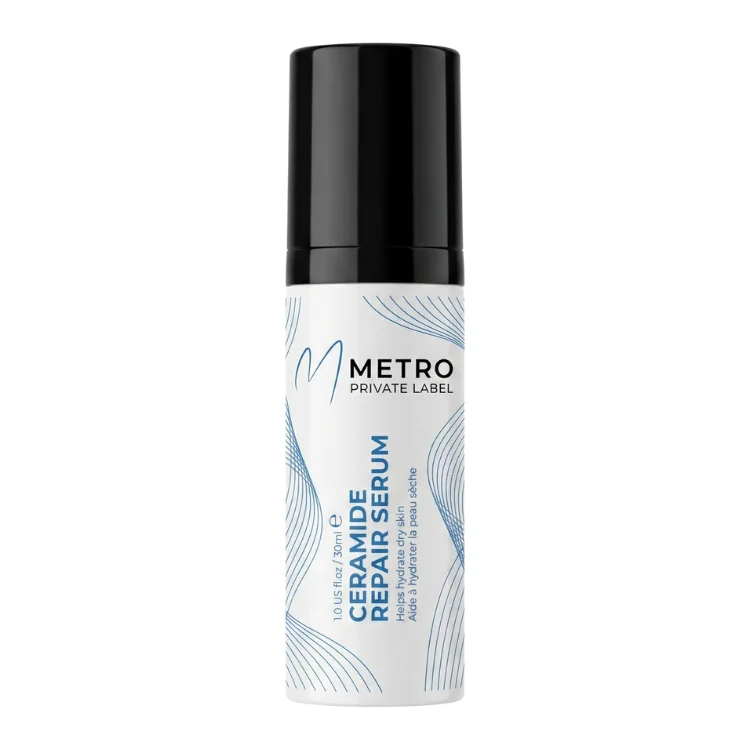
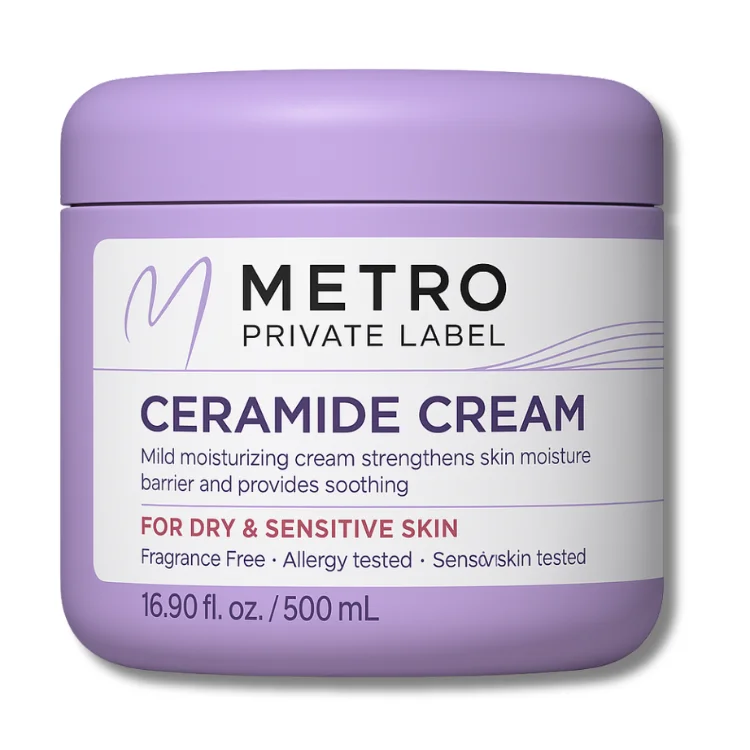
Get Your Custom Skincare Solution Today!

Don’t wait—fill out the form and let our team create the perfect skincare solution for your brand. Expect a personalized quote within 24 hours and start building your brand’s success now!

Submit Your
Private Label Skin Care Request

Fill out this form with your detailed needs and our customer support team will contact you shortly. We will assign a professional agent to follow up on your project and provide personalized assistance.

To get the fastest response, submit your inquiries using the form. If you encounter any issues with submission, you can also email us directly at info@metroprivatelabel.com .

*Metro Private Label takes your privacy very seriously. All information is only used for technical and commercial communication and will not be disclosed to third parties.
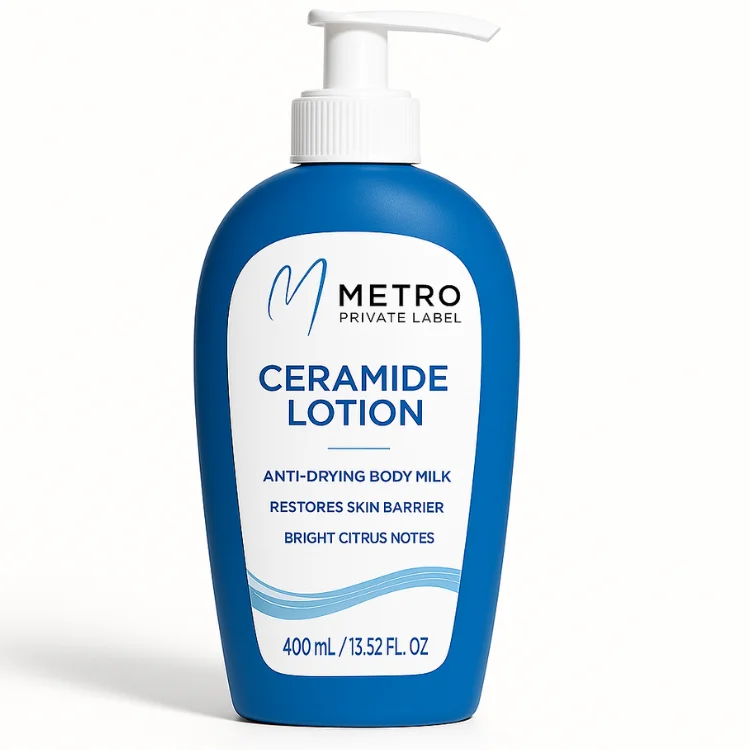
Submit Your
Private Label Skin Care Request

Fill out this form with your detailed needs and our customer support team will contact you shortly. We will assign a professional agent to follow up on your project and provide personalized assistance.

To get the fastest response, submit your inquiries using the form. If you encounter any issues with submission, you can also email us directly at info@metroprivatelabel.com .

*Metro Private Label takes your privacy very seriously. All information is only used for technical and commercial communication and will not be disclosed to third parties.