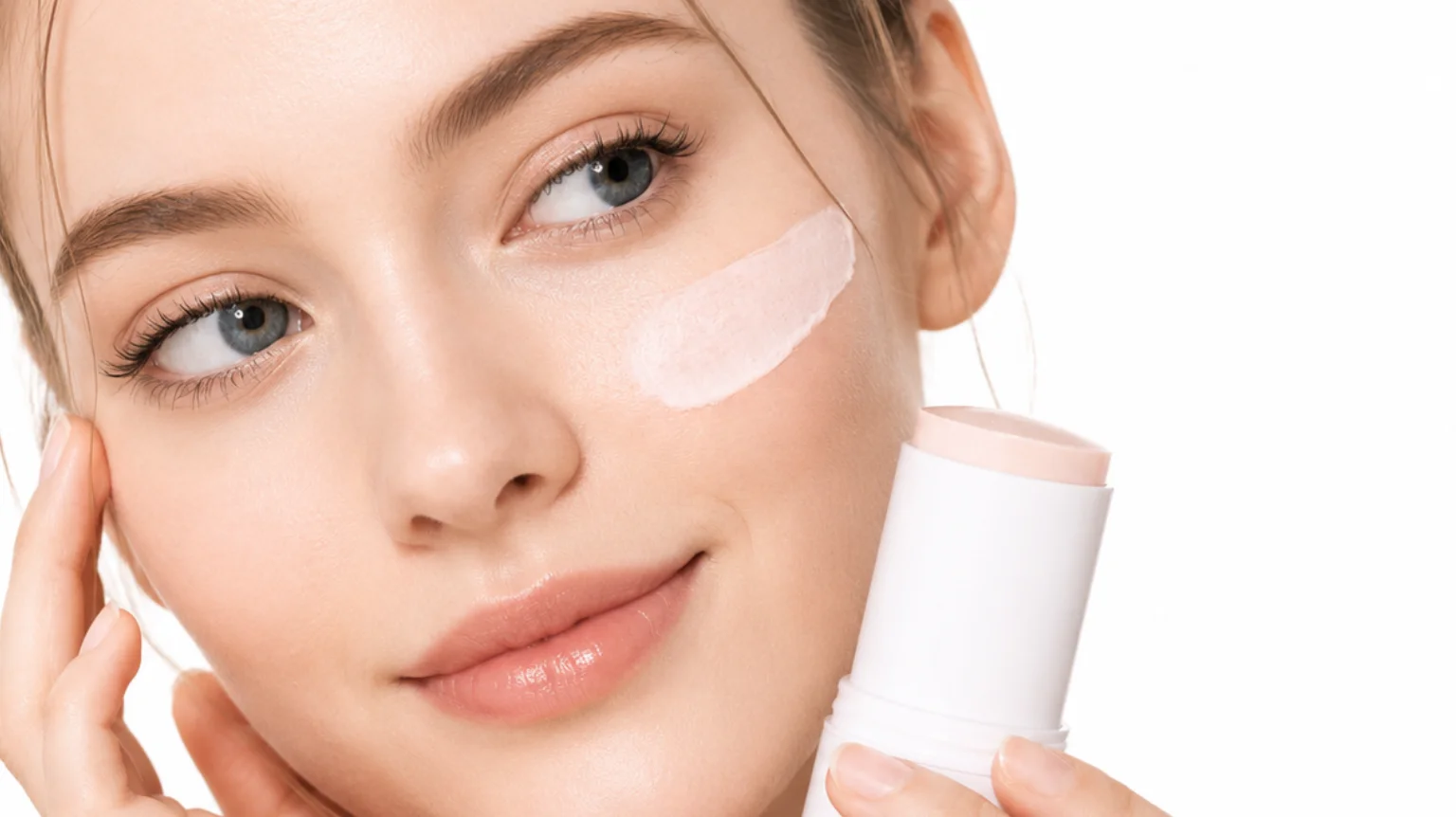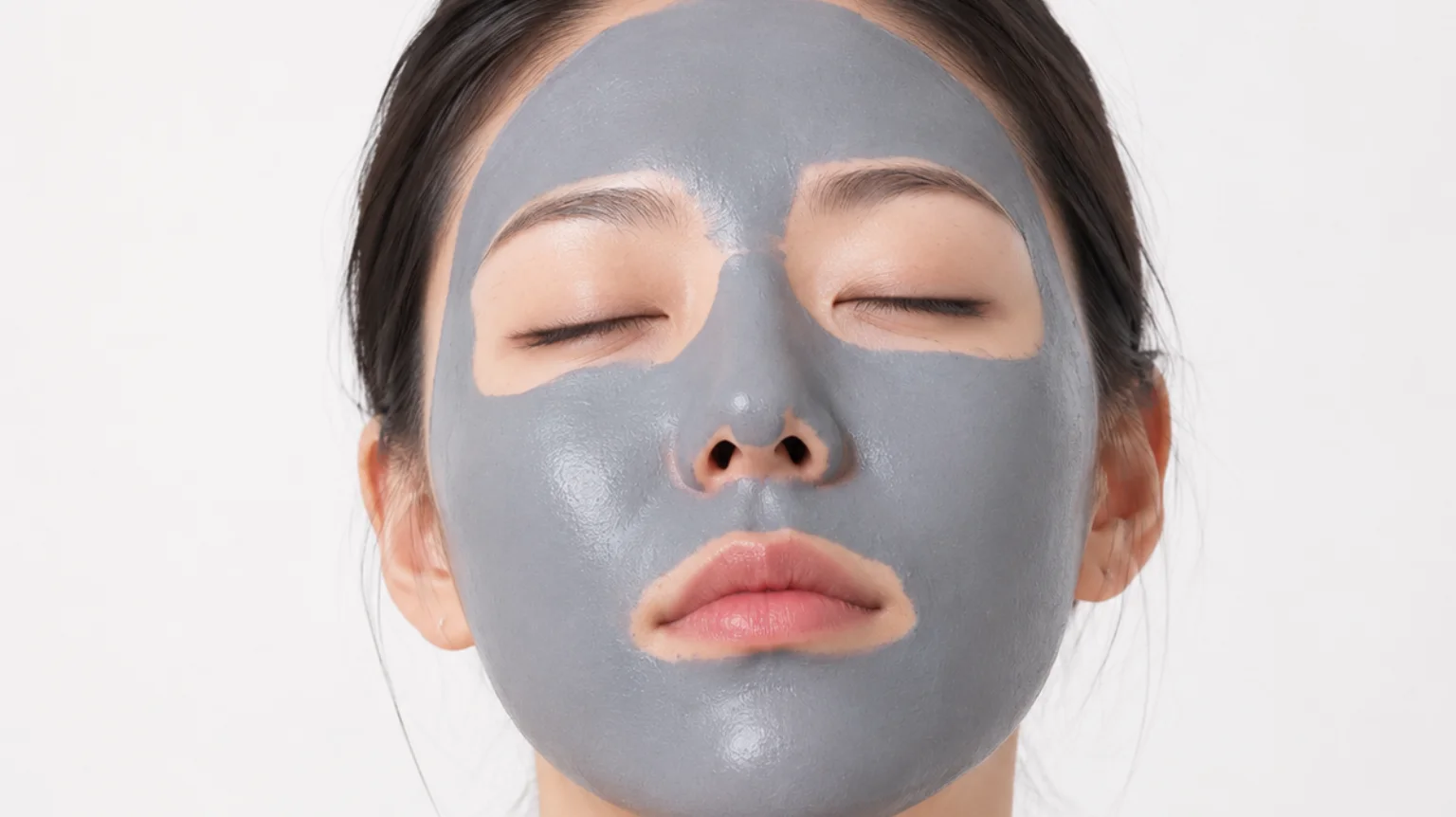
Your Trusted Clay Mask Stick Manufacturer
We help skincare brands develop market-ready products with reliable formulations, professional packaging, and scalable manufacturing support—so you can launch confidently and grow your product line with a stable supply chain.


Private Label Clay Mask Stick
At Metro Private Label, we understand that a successful clay mask stick is about much more than putting clay into a convenient stick format. Today’s consumers are looking for products that target specific concerns such as clogged pores, excess oil, visible blackheads, sensitivity, and uneven-looking skin. That’s why we develop our private label clay mask stick solutions around real market demand, not just ingredients.
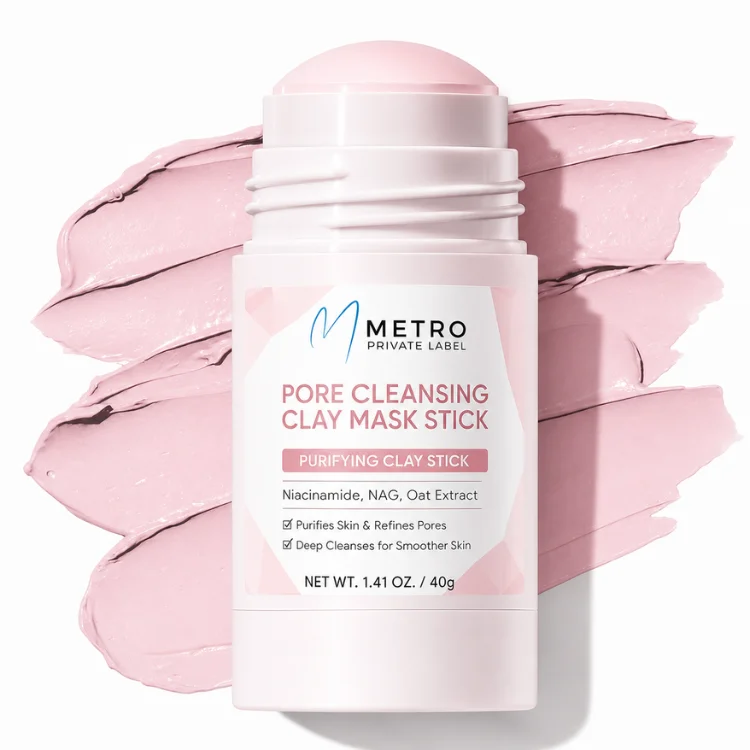
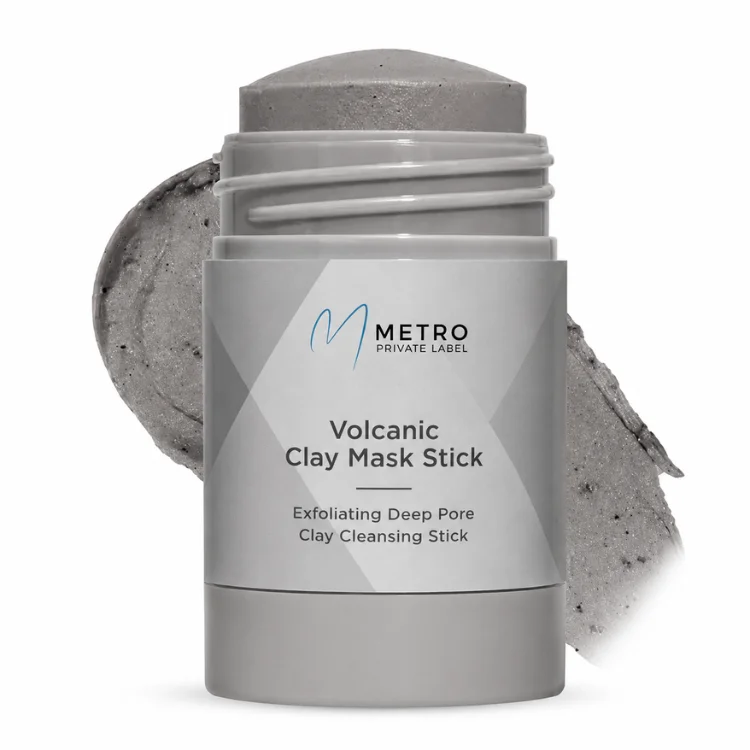
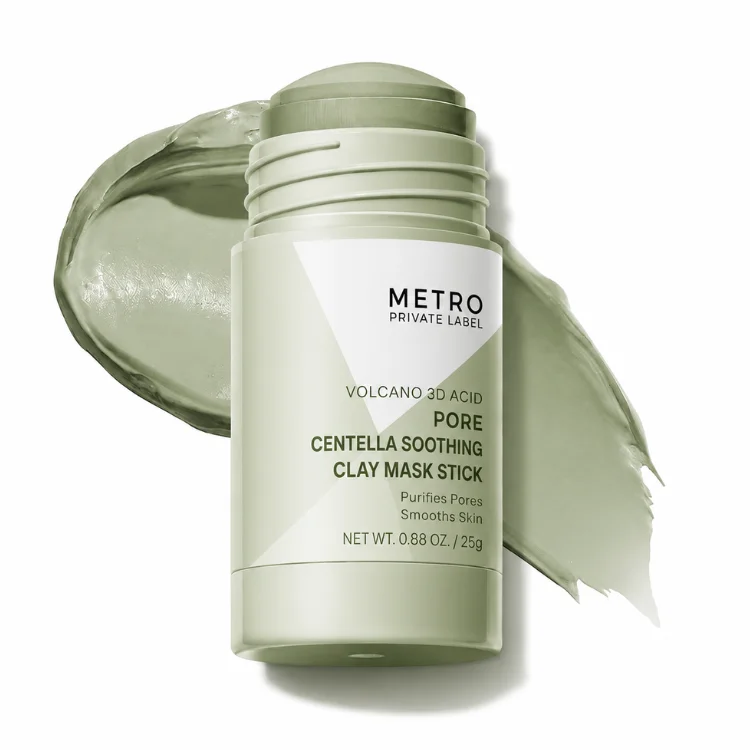
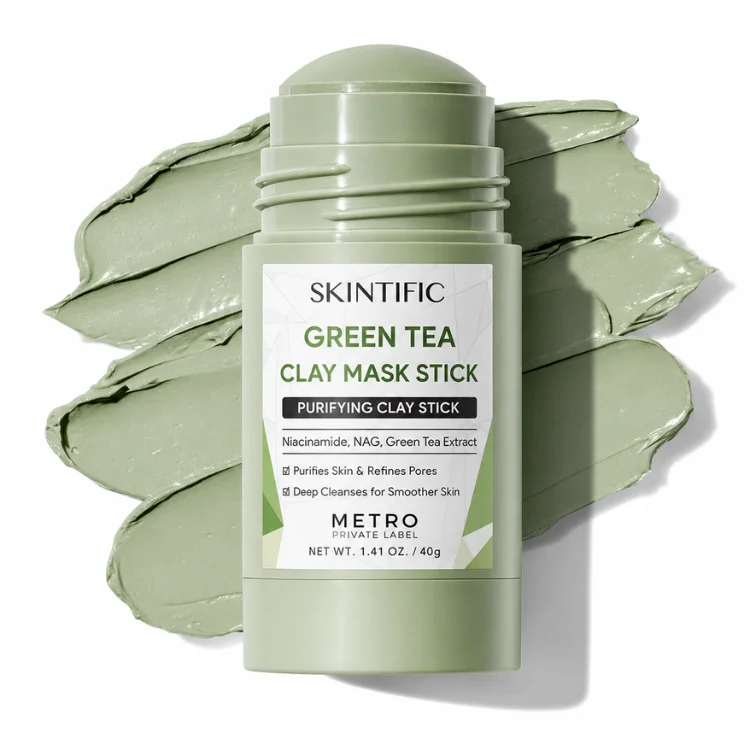
Our most requested concepts include Pore Cleansing Clay Mask Sticks, Green Tea Oil Control Clay Mask Sticks, Mugwort & Centella Soothing Clay Mask Sticks, and Volcanic Mineral Clay Mask Sticks. These are the product directions we consistently see performing well across Amazon, TikTok Shop, beauty retailers, and K-beauty inspired skincare brands. We continuously monitor ingredient trends, consumer reviews, and emerging product launches to help our partners stay aligned with what customers are actively buying.
As your manufacturing partner, we do more than produce a formula. We help you create a market-ready product by supporting formula customization, packaging selection, branding requirements, and compliance documentation, allowing you to launch with greater confidence and efficiency.

Pore Cleansing Clay Mask Stick
Green Tea / Oil Control Clay Mask Stick
Mugwort / Centella Soothing Clay Mask Stick
Volcanic / Mineral Clay Mask Stick
Build a Private Label Clay Mask Stick Line That Matches How Modern Skincare Brands Actually Sell
If you’re looking for a Private Label Clay Mask Stick Manufacturer, you’re probably not searching for just another skincare product. You’re looking for a product category that already has proven demand and can fit naturally into today’s beauty market.
At Metro Private Label, we don’t see Clay Mask Sticks as a single product. We see them as a collection of different consumer needs and brand opportunities. Over the years, we’ve noticed that the most successful Clay Mask Stick launches are usually built around a clear skincare concern rather than simply choosing a trendy ingredient.
That’s why we help our clients develop Clay Mask Stick products based on how consumers actually shop, compare products, and make purchasing decisions on Amazon, TikTok Shop, Shopify stores, beauty retailers, and clinic channels.
Our 4 Core Private Label Clay Mask Stick Types
Pore Cleansing Clay Mask Stick
This is one of the most commercially proven directions in the category. It is designed for consumers concerned about visible pores, excess oil, blackheads, and skin congestion. This type of product works particularly well for Amazon sellers, TikTok beauty brands, and mass-market skincare collections looking for a strong “deep cleansing” product story.
Green Tea Oil Control Clay Mask Stick
Green Tea Clay Mask Sticks remain highly popular because they combine oil-control positioning with a familiar ingredient consumers already trust. This direction is especially suitable for younger consumers, oily skin product lines, and brands targeting daily skincare routines.
Mugwort & Centella Soothing Clay Mask Stick
Inspired by growing K-beauty demand, this category focuses on skin comfort, soothing care, and gentle cleansing. It is often selected by brands serving sensitive skin consumers, beauty clinics, and skincare companies looking for a more modern ingredient story.
Volcanic Mineral Clay Mask Stick
This direction combines the appeal of volcanic mud, mineral-rich clays, and natural skincare positioning. It is frequently chosen by premium skincare brands, spa collections, and beauty businesses looking to create a more elevated product experience.
MOQ & Production Strategy Designed for Real Brand Launches
We also believe it’s important to be transparent about how Clay Mask Stick manufacturing actually works.
While the concept may seem simple, the success of the final product depends on much more than the clay itself. Texture performance, glide, drying time, wash-off experience, fragrance selection, ingredient compatibility, packaging stability, and overall user experience all play a role in how consumers perceive the product.
For most projects, our standard MOQ starts from 1,000 units per SKU when using stock packaging options. This gives Amazon sellers, Shopify brands, distributors, and clinic operators a practical way to test the market while maintaining reasonable production economics.
More importantly, we don’t simply manufacture a formula and leave the rest to you. We help you evaluate product positioning, ingredient direction, packaging options, branding requirements, compliance documentation, and launch considerations so your Clay Mask Stick project is built around real commercial opportunities—not just production specifications.

More Than Just a Private Label Clay Mask Stick Manufacturer
At Metro Private Label, we understand that launching a successful Clay Mask Stick is about much more than manufacturing. Most brands don’t need another supplier—they need a partner who understands how skincare products are positioned, launched, and scaled in real markets. That’s why we focus on helping clients build products that are commercially practical, easier to sell, and easier to grow over time.

Built Around Product Concepts Customers Already Understand
We help brands develop Clay Mask Stick concepts that already have proven market demand. Popular directions such as Pore Cleansing, Green Tea Oil Control, Mugwort & Centella Soothing, and Volcanic Mineral Clay Mask Sticks are easier for customers to understand and easier for brands to market. Instead of creating demand from scratch, we help you build around categories consumers are already searching for.

Practical MOQ for Real Market Testing
Our standard MOQ starts from around 1,000 units per SKU using stock packaging options. This gives Amazon sellers, Shopify brands, distributors, and beauty founders a practical way to test the market without taking on excessive inventory risk. The goal is to launch professionally while maintaining flexibility for future growth.
Stable Quality That Supports Repeat Purchases
Clay Mask Sticks are highly experience-driven products. Customers quickly notice differences in texture, application, and overall performance. We focus on formula consistency, packaging compatibility, and production control to help ensure your customers receive the same experience every time they purchase, supporting stronger reviews and repeat sales.
Support Beyond Manufacturing
We help simplify the product development process by supporting formula selection, packaging coordination, labeling guidance, and documentation preparation. Instead of managing multiple suppliers and service providers, you can work with one manufacturing partner focused on helping you move from concept to launch more efficiently.
✨ Build a Private Label Clay Mask Stick Line That Feels Ready for the Real Market
At Metro Private Label, we don’t believe a successful Clay Mask Stick is created simply by choosing a popular ingredient and putting it into a stick package.
The brands that succeed in this category usually understand something important: consumers buy solutions, not ingredients. Most customers aren’t searching for a specific clay. They’re looking for products that help with visible pores, excess oil, blackheads, skin congestion, or overall skin clarity.
That’s why we focus on helping brands create Clay Mask Stick products that feel relevant to how consumers actually shop and make purchasing decisions today.
🌿 Developed Around Real Consumer Expectations
Over the years, we’ve seen that the strongest-performing Clay Mask Stick products are usually built around clear skincare concerns rather than complicated formulation stories.Whether you’re developing a Pore Cleansing Clay Mask Stick, a Green Tea Oil Control Clay Mask Stick, a Mugwort & Centella Soothing Clay Mask Stick, or a Volcanic Mineral Clay Mask Stick, we help align the product with the audience you’re trying to reach.Our goal is simple: create a product customers understand quickly, enjoy using consistently, and feel confident repurchasing.
📦 Packaging & MOQ Designed for Practical Brand Launches
Launching a new skincare product involves much more than the formula itself.Packaging appearance, product stability, shipping performance, labeling requirements, and retail pricing all influence whether a product launch succeeds.For most projects, our standard MOQ begins at approximately 1,000 units per SKU using stock packaging options. This provides a practical entry point for Amazon sellers, Shopify brands, clinic operators, and distributors who want to validate demand before scaling larger production runs.
⚙️ A Development Process Built Around Transparency
Many clients come to us after dealing with suppliers who provided unclear timelines, inconsistent communication, or unrealistic expectations.We believe manufacturing should be straightforward.From formula selection and sample development to packaging confirmation, production scheduling, and shipment preparation, we keep clients informed throughout the process so they can make decisions with greater confidence and fewer surprises.
🚀 Supporting Brands Beyond a Single Product Launch
Most successful skincare brands don’t stop at one SKU.They build collections, routines, and repeat-purchase ecosystems that encourage long-term customer loyalty.That’s why we view Clay Mask Stick as more than a standalone product. We help clients think about how it fits within a broader skincare collection, whether that includes cleansers, serums, moisturizers, exfoliating treatments, or future product expansions.Our goal isn’t simply to manufacture a Clay Mask Stick.It’s to help you launch a product that feels commercially relevant today and scalable for future brand growth.
FAQs Clay Mask Stick
For your convenience, we’ve gathered the most commonly asked questions about our Clay Mask Stick . However, should you have any further queries, please don’t hesitate to reach out to us.
1. What types of Clay Mask Stick products can you manufacture?
We can manufacture a wide range of Clay Mask Stick products, including Pore Cleansing Clay Mask Sticks, Green Tea Oil Control Clay Mask Sticks, Mugwort & Centella Soothing Clay Mask Sticks, and Volcanic Mineral Clay Mask Sticks. We also support custom ingredient combinations, textures, fragrances, colors, and packaging concepts based on your brand positioning.
2. Can you customize the Clay Mask Stick formula for our brand?
Yes. We can customize ingredients, clay types, skin-feel, fragrance, color, texture, and product positioning. Whether you’re targeting oily skin, sensitive skin, pore care, or a premium spa market, we’ll help develop a formula that aligns with your target customer and business goals.
3. What is your minimum order quantity (MOQ)?
Our standard MOQ typically starts from 1,000 units per SKU when using stock packaging options. MOQ may vary depending on packaging selection, custom molds, and formulation requirements. We’ll help you choose the most practical solution based on your launch plan and budget.
4. Do you offer both white label and custom formula options?
Absolutely. If speed to market is your priority, we can provide ready-to-launch stock formulas. If you’re looking for greater differentiation, we can help develop a custom Clay Mask Stick formula tailored to your brand concept, ingredient preferences, and target market.
5. How long does the development and production process take?
Most projects require approximately 7–14 days for sample development and approval. Once packaging and artwork are confirmed, bulk production typically takes around 25–35 days. Exact timelines depend on formula complexity, packaging availability, and order volume.
6. Can you help with packaging selection and design?
Yes. We support packaging sourcing, label application, paper box production, and packaging recommendations. Whether you’re creating an Amazon-ready product, a clinic-focused skincare line, or a premium retail collection, we can help you select packaging that fits your positioning and budget.
7. What compliance documents can you provide?
We can provide common manufacturing documentation such as INCI ingredient lists, COA, SDS, specification sheets, and GMP/ISO-related documents where applicable. If your market requires additional testing or regulatory support, we’ll help guide you through the available options.
8. How do you ensure product quality and consistency?
We follow established manufacturing procedures, raw material controls, batch production records, and quality inspections throughout the production process. We also perform compatibility and stability evaluations to help ensure your Clay Mask Stick delivers a consistent customer experience from batch to batch.
9. Can you help us choose the right Clay Mask Stick concept for our market?
Yes. Many clients come to us with an idea but aren’t sure which direction will perform best. Based on your sales channel, customer profile, price point, and market goals, we can recommend product concepts that are more likely to fit your brand and audience.
10. Do you work with Amazon sellers, Shopify brands, clinics, and distributors?
Yes. These are some of the most common types of clients we work with. Whether you’re launching your first skincare SKU, expanding an existing ecommerce brand, developing a clinic-exclusive product line, or sourcing products for retail distribution, we can help support the manufacturing process from concept to production.
We were looking for a Clay Mask Stick manufacturer that understood both product development and brand positioning. Metro Private Label helped us refine the formula, select the right packaging, and create a product that fit our target audience perfectly. Communication was clear throughout the process, and the final result felt ready for market from day one.
Sarah Mitchell, Founderfrom United Kingdom
What impressed us most was how practical Metro Private Label's approach was. Instead of simply offering a formula, they helped us evaluate product positioning, packaging options, and launch strategy. Their team understood the needs of ecommerce brands and helped us move from concept to production much faster than we expected.
Michael Rodriguez, Ecommerce Brand Managerfrom United States
We've worked with several manufacturers before, but Metro Private Label stood out because they focused on the commercial side of product development as much as the formula itself. Their recommendations on texture, packaging, and customer experience helped us create a Clay Mask Stick that aligned well with our brand vision.
Sophie Laurent, Product Development Consultantfrom France
Consistency and reliability were our main concerns when selecting a manufacturing partner. Metro Private Label provided clear timelines, professional documentation, and a structured production process. The quality of the finished product met our expectations, and the entire project was handled with a level of professionalism that gave us confidence from the beginning.
Daniel Schneider, Purchasing Directorfrom Germany
We wanted a private label Clay Mask Stick that felt professional, easy for clients to use, and suitable for our skincare program. Metro Private Label guided us through formula selection, packaging decisions, and production planning. Their team understood what clinic clients expect and helped us launch a product that fits naturally into our treatment offerings.
Olivia Carter, Clinic Ownerfrom Canada



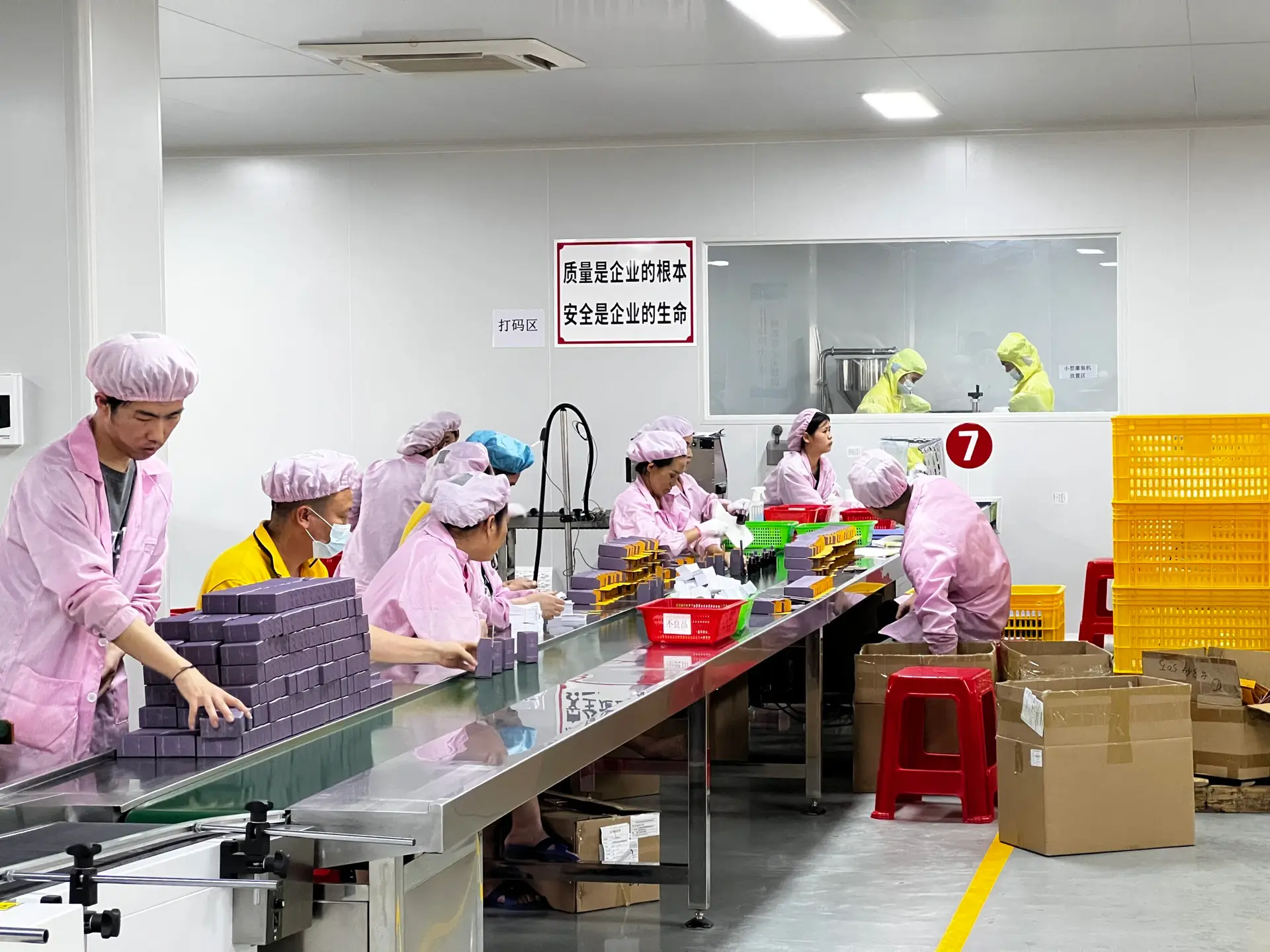



Metro Private Label in Numbers
Happy Clients
0 +
Million-dollar Buyers
0 +
Formulation
0 +
Professional Staffs
0 +
Your Ultimate Guide to Clay Mask Stick
If you’re considering launching a Clay Mask Stick under your own brand—whether you’re an Amazon seller, a Shopify beauty founder, a distributor, or a skincare entrepreneur developing your first product idea—you’re entering a category that has quietly become one of the most commercially attractive segments within the skincare market. Clay Mask Sticks combine the cleansing and purifying benefits consumers already associate with traditional clay masks while solving one of the biggest frustrations of the category: convenience. Consumers increasingly prefer skincare products that are simple to apply, easy to carry, and less messy to use. This shift has helped Clay Mask Sticks gain popularity across ecommerce platforms, social media channels, and retail environments. More importantly, they are highly visual products that are easy to demonstrate through videos, product photography, and user-generated content, making them particularly attractive for modern direct-to-consumer brands. When positioned correctly, a Clay Mask Stick can become more than a single product launch—it can become an effective customer acquisition product that introduces consumers to a broader skincare collection.
Over the past few years, we’ve watched Clay Mask Sticks evolve from novelty products into established skincare categories with multiple commercial directions. What initially started as simple pore-cleansing products has expanded into oil-control solutions, soothing formulas featuring ingredients such as Mugwort and Centella Asiatica, volcanic mineral clay concepts, brightening formulations, and other targeted skincare applications. At Metro Private Label, we’ve worked with beauty founders, ecommerce operators, distributors, and clinic-focused brands developing products for different markets and customer profiles. One of the most valuable lessons we’ve learned is that successful Clay Mask Stick brands rarely succeed because of ingredients alone. The brands that scale effectively usually combine the right product positioning, packaging strategy, customer targeting, pricing structure, and launch planning from the very beginning. The formula matters, but commercial success is often determined by the decisions made around the formula rather than the formula itself.
This guide is built around the questions we hear most frequently from brands preparing to enter the Clay Mask Stick category. Instead of focusing exclusively on ingredients or manufacturing processes, we want to share the practical insights that influence real-world business outcomes. Topics such as selecting the right product concept, determining realistic inventory levels, choosing packaging that supports premium positioning, understanding compliance requirements, differentiating products in crowded markets, and building a long-term product portfolio all play important roles in commercial success. Throughout this guide, we’ll share the lessons we’ve learned from working with skincare brands across multiple sales channels and growth stages. Our goal is not simply to explain how Clay Mask Sticks are manufactured. Our goal is to help you understand how successful brands approach the category, avoid common mistakes, and create products that support sustainable business growth long after the initial launch.
Table of Contents
Why Are Clay Mask Sticks Becoming a Popular Product Category?
Over the past few years, I have seen Clay Mask Sticks evolve from a niche skincare format into a product category that attracts attention from beauty brands, ecommerce sellers, distributors, and skincare entrepreneurs around the world. While traditional clay masks have been part of skincare routines for decades, the stick format has changed how consumers interact with the product. In my experience, the growing popularity of Clay Mask Sticks is not driven by ingredients alone. It is largely driven by convenience, consumer behavior, and the way modern skincare products are discovered and purchased online.
Consumers Want Convenience Without Sacrificing Results
One of the biggest shifts I have noticed in the skincare industry is that consumers increasingly expect products to fit seamlessly into their daily routines. Many traditional clay masks require users to open a jar, scoop out the product, apply it with their fingers, and clean up afterward. While this process may seem simple, many consumers perceive it as inconvenient compared to newer skincare formats.
Clay Mask Sticks solve this problem in a surprisingly effective way. The product can be applied directly to the face without additional tools, creating a cleaner and more controlled experience. From a consumer’s perspective, this feels modern and practical. From a brand’s perspective, products that are easier to use often generate higher customer satisfaction because consumers are more likely to use them consistently. Throughout my conversations with beauty brands, I have repeatedly seen convenience become a major factor influencing product selection and repeat purchases.
The Format Is Naturally Suited for Social Media Marketing
Another reason I believe Clay Mask Sticks continue to gain popularity is their strong visual appeal. Many skincare products require lengthy explanations before consumers understand their value. Clay Mask Sticks are different. Within a few seconds of watching a video, consumers can immediately understand how the product works.
This matters because social media platforms have become one of the most important product discovery channels in the beauty industry. When I look at successful Amazon listings, TikTok campaigns, and Shopify brands, I often find that visually demonstrable products perform better because they create engaging content more easily. A Clay Mask Stick can be applied directly on camera, allowing brands to showcase texture, coverage, application, and user experience in a way that feels authentic and easy to understand.
For ecommerce-focused businesses, this creates a significant advantage. Products that are easy to demonstrate often require less customer education and can generate stronger engagement through short-form video content, influencer collaborations, and user-generated reviews.
Consumers Already Understand the Core Product Story
One challenge many skincare brands face when launching a new product is the need to educate consumers about unfamiliar concepts. I have seen brands spend considerable marketing budgets explaining highly technical ingredients or complex formulations before customers are willing to purchase.
Clay Mask Sticks benefit from an existing foundation of consumer awareness. Most consumers already associate clay masks with pore care, oil control, deep cleansing, and skin purification. Because the category is familiar, brands can focus their messaging on specific concerns and lifestyle benefits rather than introducing an entirely new concept.
This significantly reduces the barrier to purchase. In my experience, products built around familiar skincare categories often scale more efficiently because consumers can quickly understand where the product fits within their routine.
The Category Supports Multiple Market Positions
One aspect of Clay Mask Sticks that I find particularly attractive from a product development perspective is their versatility. The same product format can support very different brand strategies depending on ingredient selection, positioning, and target audience.
Some brands focus on pore cleansing and oil control. Others position their products around soothing care with ingredients such as Mugwort and Centella. Premium brands may highlight volcanic minerals, while clean beauty brands often emphasize botanical ingredients and minimalist formulations. This flexibility allows businesses to enter the category without directly competing against every other product on the market.
As a manufacturer, I have found that categories with multiple positioning opportunities tend to have stronger long-term potential because brands can continue creating differentiation even as competition increases.
Why More Beauty Businesses Are Entering the Clay Mask Stick Market
When I speak with Amazon sellers, Shopify founders, beauty entrepreneurs, and distributors, I often notice that they are searching for products that balance consumer demand, visual appeal, and operational simplicity. Clay Mask Sticks satisfy all three requirements surprisingly well.
The category benefits from established consumer awareness, strong social media compatibility, and clear skincare positioning. At the same time, it offers brands enough flexibility to develop unique product stories and build long-term product lines around a familiar format.
For these reasons, I believe Clay Mask Sticks are no longer simply a skincare trend. They have become a commercially attractive product category that aligns closely with how modern consumers discover, evaluate, and purchase beauty products. For brands looking to expand their product portfolio or launch a new skincare line, the category continues to offer meaningful opportunities for growth.
Which Clay Mask Stick Concept Should You Launch First?
Selecting the right Clay Mask Stick concept is one of the most important decisions a skincare brand will make during product development. In my experience, brands often spend too much time comparing ingredients and not enough time understanding customer psychology. The reality is that consumers rarely purchase a product because a specific ingredient appears on the label. They purchase because they believe the product will solve a problem they care about. This is why I consistently tell clients that choosing the right product concept is often far more important than choosing the most expensive ingredients. The most successful Clay Mask Stick launches are usually built around a clear customer concern, a defined target audience, and a product story that is easy to understand. Before thinking about packaging, marketing, or even formulation details, I always recommend starting with one fundamental question: who is the customer, and what problem are they trying to solve?
Why Most Brands Choose the Wrong Starting Point
One pattern I frequently observe when working with new beauty founders is that they begin product development by focusing on ingredients. They may become excited about Green Tea, Centella Asiatica, Volcanic Clay, Mugwort, or another trending ingredient they have seen on social media. While ingredient trends certainly matter, they are rarely the primary reason a product succeeds.
When consumers browse Amazon, scroll through TikTok, or compare products on a Shopify store, they are not typically searching for a complex formulation. They are searching for solutions. They want to address visible pores, oily skin, skin congestion, blackheads, sensitivity, or dull-looking skin. If a product communicates a solution clearly, consumers can immediately understand its purpose. If the positioning is confusing, even an excellent formula may struggle to gain traction.
Over the years, I have learned that products become easier to market when consumers instantly recognize what they are designed to do. A product that attempts to solve every possible skincare concern often ends up communicating nothing clearly. A product that solves one problem exceptionally well usually has a much stronger chance of success.
Understanding Your Customer Before Choosing Your Formula
Before I recommend a specific Clay Mask Stick direction, I always try to understand the intended customer profile. This step may seem obvious, but it is frequently overlooked.
A product designed for a teenager struggling with excess oil will likely require a completely different positioning strategy than a product developed for a clinic client focused on maintaining healthy-looking skin. The same principle applies to ecommerce channels. An Amazon shopper often makes purchasing decisions differently than someone purchasing from a premium Shopify beauty brand.
I have found that many product development mistakes occur because brands attempt to serve multiple audiences simultaneously. They want a product that appeals to teenagers, spa clients, skincare enthusiasts, and luxury beauty consumers all at once. While the intention is understandable, the result is often a product with a weak identity.
The strongest brands usually understand exactly who they are speaking to. Once the target audience becomes clear, every other decision becomes easier, including ingredient selection, packaging design, pricing strategy, and marketing content.
Pore Cleansing Concepts Continue to Offer Broad Commercial Appeal
Among all the Clay Mask Stick directions I have seen, pore cleansing remains one of the most commercially reliable concepts.
There is a simple reason for this. Consumers immediately understand the benefit. They can see visible pores, excess oil, blackheads, and congestion in the mirror. They do not require extensive education to understand why a pore-focused product might be relevant to them.
For Amazon sellers especially, this can be a significant advantage. Products that address highly recognizable concerns often generate stronger click-through rates because the customer immediately understands the value proposition. I frequently see pore-cleansing concepts perform well because they align with existing consumer demand rather than attempting to create entirely new demand.
When brands ask me where to start, a pore-focused Clay Mask Stick is often one of the safest and most commercially practical recommendations.
Oil Control Concepts Align Well With Younger Consumer Demographics
Another category that continues to perform strongly is oil control. Throughout my experience working with ecommerce brands, I have noticed that younger consumers are often highly concerned about shine, oily skin, and maintaining a fresh appearance throughout the day.
This is one reason why Green Tea Clay Mask Sticks have become so popular. Consumers already associate green tea with cleansing, freshness, and balance. The ingredient itself carries a familiar story that requires little explanation.
What makes this concept particularly attractive from a commercial perspective is its compatibility with social media marketing. Oil control products often produce highly visual content opportunities, making them suitable for TikTok campaigns, influencer partnerships, and short-form video demonstrations.
For brands targeting younger demographics, I often view oil-control positioning as a strong option because the problem is easy to understand and the marketing opportunities are extensive.
Soothing Concepts Benefit From the Growth of Sensitive Skin Skincare
One trend I have been watching closely over the past several years is the growing consumer interest in sensitive skin products.
More consumers are paying attention to skin barrier health, ingredient sensitivity, and long-term skin comfort. As a result, products positioned around soothing care have become increasingly attractive.
Mugwort and Centella Asiatica are two ingredients that frequently appear in this category because they have become closely associated with calming and comforting skincare routines. However, what I find most interesting is that consumers are often buying into the concept of gentle care rather than the ingredient itself.
For beauty founders targeting K-beauty-inspired audiences, clinic environments, or consumers who prioritize skin comfort, a soothing Clay Mask Stick concept can create a highly differentiated position within the market.
Detox and Volcanic Clay Concepts Support Premium Positioning
For brands looking to establish a more premium image, detox-oriented concepts often provide unique opportunities.
Volcanic clay and mineral-rich formulations carry strong associations with deep cleansing, natural sourcing, and premium skincare experiences. Consumers often perceive these products as more sophisticated and specialized, which can support higher retail pricing and stronger brand storytelling.
I have noticed that premium skincare brands frequently use detox and mineral narratives to create a sense of exclusivity. In many cases, customers are purchasing not only the skincare benefit but also the overall experience and perception associated with the product.
This makes detox-focused Clay Mask Sticks particularly attractive for boutique skincare brands, premium ecommerce stores, and spa-oriented product collections.
The Best Concept Depends on Where You Plan to Sell
One lesson I have learned repeatedly is that there is no universally perfect Clay Mask Stick concept.
The best concept depends heavily on the sales channel, target audience, pricing strategy, and overall brand positioning. A pore-cleansing product that performs exceptionally well on Amazon may not be the best choice for a luxury spa collection. Similarly, a premium volcanic clay concept may not resonate with highly price-sensitive shoppers focused primarily on practical skincare solutions.
Whenever I evaluate a new product opportunity, I try to consider the entire commercial ecosystem rather than the formula alone. The most successful launches occur when the product concept, customer profile, marketing strategy, and sales channel work together in a logical and consistent way.
Why I Always Recommend Starting With One Clear Product Story
If there is one piece of advice I consistently give to new beauty founders, it is this: start with a focused concept.
In my experience, products become much easier to market when customers can immediately understand what they are designed to do. A focused product story creates stronger branding, clearer marketing, and more effective customer communication.
Once a brand establishes traction, additional variations can always be introduced. A company that starts with a successful pore-cleansing Clay Mask Stick can later expand into oil-control, soothing, or detox-focused versions. However, trying to launch every concept simultaneously often creates unnecessary complexity.
When deciding which Clay Mask Stick concept to launch first, I believe the most important question is not which ingredient is currently trending. The more important question is which customer problem you are uniquely positioned to solve. Brands that answer that question clearly are often the ones that build products with lasting commercial potential.
What Are the Most Commercially Successful Clay Mask Stick Types?
When I discuss Clay Mask Stick development with Amazon sellers, Shopify beauty brands, distributors, and skincare founders, one question appears repeatedly: which type of Clay Mask Stick actually has the highest chance of commercial success? While many people assume the answer depends on the newest ingredient trend, I have found that market success is usually driven by something much simpler. The products that consistently perform well are those built around customer concerns that consumers already recognize and actively search for. In today’s market, Pore Cleansing Clay Mask Sticks, Green Tea Oil Control Clay Mask Sticks, Mugwort & Centella Soothing Clay Mask Sticks, and Volcanic Mineral Clay Mask Sticks continue to stand out because they align with existing consumer demand rather than trying to create entirely new demand. What makes these categories attractive is not only their ingredients, but also the fact that consumers already understand their purpose, making them easier to position, market, and scale.
Why Pore Cleansing Clay Mask Sticks Remain the Most Universal Commercial Opportunity
Among all the Clay Mask Stick concepts I have evaluated, pore cleansing remains one of the easiest categories for brands to commercialize successfully. The reason is straightforward. Consumers do not need to be educated about the problem. Visible pores, blackheads, excess oil, and congested skin are concerns that millions of people already recognize every time they look in the mirror.
What I find particularly interesting is that pore-focused products work across almost every sales channel. On Amazon, consumers frequently search for solutions related to pores and blackheads. On TikTok, pore-cleansing demonstrations generate highly visual content that attracts attention quickly. Even in retail environments, the concept is simple enough that customers can immediately understand what the product is designed to do.
From a product development perspective, I often recommend pore-cleansing concepts to brands entering the category for the first time because they provide a clear value proposition. Consumers understand the benefit, marketers can communicate the story easily, and the category already has proven demand. In my experience, products that require less consumer education generally have a smoother path to commercialization.
Why Green Tea Oil Control Clay Mask Sticks Continue to Appeal to Younger Consumers
One trend I have observed repeatedly is the growing influence of younger consumers on skincare purchasing behavior. Many of these consumers are highly focused on managing excess oil, maintaining a fresh appearance throughout the day, and preventing visible skin congestion. As a result, oil-control products continue to perform well across ecommerce channels.
Green Tea Clay Mask Sticks benefit from a unique advantage. Green tea is already a familiar ingredient to most consumers. They associate it with balance, freshness, and skincare wellness. This familiarity reduces skepticism and helps consumers feel comfortable trying the product without needing extensive explanation.
I have also noticed that Green Tea Clay Mask Sticks perform particularly well in content-driven environments such as TikTok and Instagram. The product story is easy to communicate, and the visual connection between oil control and clearer-looking skin creates strong content opportunities. For brands targeting younger demographics, this category often provides an effective combination of broad consumer appeal and marketing flexibility.
Why Mugwort and Centella Concepts Are Benefiting From the Sensitive Skin Movement
Over the last several years, I have seen a significant shift in how consumers approach skincare. Instead of focusing exclusively on aggressive treatments, many people are becoming increasingly interested in maintaining skin comfort, supporting their skin barrier, and minimizing irritation.
This change has created strong momentum for Mugwort and Centella-based Clay Mask Sticks. What makes this category commercially attractive is that it speaks directly to consumers who are actively searching for gentler skincare solutions. These consumers are often willing to spend more time researching products and are generally more engaged with ingredient education and skincare routines.
In my experience, Mugwort and Centella products resonate particularly well with K-beauty enthusiasts, clinic-oriented skincare customers, and consumers who describe their skin as sensitive or reactive. The category also benefits from a strong emotional component. Customers are not simply looking for cleansing. They are looking for reassurance, comfort, and a skincare experience that feels supportive rather than aggressive.
Because sensitive skin concerns continue to receive attention across social media and skincare communities, I believe this category has substantial long-term growth potential.
Why Volcanic Mineral Clay Mask Sticks Support Premium Brand Positioning
While some Clay Mask Stick categories compete primarily on mass-market appeal, Volcanic Mineral Clay Mask Sticks often succeed by creating a premium perception.
When I work with brands targeting higher price points, I frequently find that consumers are purchasing more than a functional skincare benefit. They are buying into a story. Volcanic clay naturally supports this type of positioning because it carries associations with natural sourcing, mineral-rich ingredients, deep cleansing rituals, and elevated skincare experiences.
What makes this category particularly attractive is its ability to support premium branding. Consumers often perceive volcanic and mineral-based products as more specialized than conventional cleansing products. This perception can justify higher retail pricing and create stronger differentiation in competitive markets.
I have seen spa brands, boutique beauty companies, and premium ecommerce brands use volcanic clay narratives to create a stronger emotional connection with consumers. In many cases, the ingredient story becomes part of the brand identity itself rather than simply another feature on the packaging.
Why Familiar Product Stories Usually Outperform Complex Ingredient Trends
One lesson I have learned repeatedly throughout product development is that familiarity often creates stronger commercial results than complexity.
Many brands become excited about discovering the next trending ingredient, believing that innovation alone will drive sales. However, consumers generally purchase products they can understand quickly and confidently. The most commercially successful Clay Mask Stick categories all share a common characteristic: consumers already know what they are supposed to do.
People understand pore cleansing. They understand oil control. They understand soothing care. They understand detoxification and mineral-rich skincare narratives. Because these concepts already exist in the consumer’s mind, brands can focus their efforts on differentiation, branding, and customer experience rather than spending excessive resources educating the market.
In my experience, products that align with existing consumer understanding often achieve faster adoption because they reduce uncertainty and make purchasing decisions easier.
The Most Successful Clay Mask Stick Is the One That Matches Your Customer
Whenever a client asks me which Clay Mask Stick category is the most profitable, I rarely give a universal answer. Instead, I focus on the customer they are trying to reach.
A pore-cleansing product may perform exceptionally well on Amazon. A Green Tea Oil Control concept may resonate strongly with younger social-commerce consumers. A Mugwort and Centella formula may appeal to skincare enthusiasts focused on skin comfort. A Volcanic Mineral concept may fit perfectly within a premium beauty collection.
The most successful product is rarely determined by ingredients alone. It is determined by how effectively the product concept aligns with consumer expectations, brand positioning, pricing strategy, and sales channel. When those elements work together, commercialization becomes significantly easier.
For that reason, I always encourage brands to think beyond ingredients and focus on the customer first. The most commercially successful Clay Mask Stick is not necessarily the most technically advanced formula. It is the one that solves a recognizable problem for a clearly defined audience and communicates that solution in a way consumers immediately understand.
White Label vs Custom Formula: Which Approach Makes More Sense?
One of the most important conversations I have with skincare founders happens long before we discuss packaging, artwork, or production schedules. It usually starts with a simple question: should the brand launch with a white label Clay Mask Stick or invest in a custom formula? At first glance, many entrepreneurs assume that custom development is automatically the better choice because it sounds more exclusive and brand-focused. However, after working with ecommerce brands, distributors, clinic owners, and beauty founders across different stages of growth, I have found that the answer is rarely that straightforward. In reality, both approaches can be successful when used at the right stage of a business. White label products often help brands move faster, reduce risk, and validate demand, while custom formulas can create stronger differentiation and long-term brand value. The challenge is not deciding which option is better in general. The challenge is deciding which option makes the most sense for where your business is today.
Why Many New Brands Overestimate the Importance of Formula Exclusivity
One pattern I have noticed repeatedly is that first-time founders often become highly focused on uniqueness before they have proven demand. They spend months discussing ingredients, requesting multiple revisions, and searching for a formula that no competitor has ever created before. While the intention is understandable, I often find that this approach places attention in the wrong area of the business.
Consumers rarely discover a new skincare brand because the formula is technically unique. Most consumers discover products through marketing, recommendations, content, reviews, social media exposure, or marketplace searches. Before a customer can appreciate the difference between two formulations, they first need to discover the product, trust the brand, and decide to purchase.
This is why I often encourage founders to separate product uniqueness from business validation. A unique formula has value, but only after the business has proven it can consistently attract customers and generate sales. Without demand, even the most sophisticated formula remains an expensive experiment.
Why White Label Often Creates the Fastest Path to Market
When I look at brands that successfully enter the skincare industry, I frequently notice that speed plays a much larger role than most people expect. The beauty industry moves quickly. Consumer trends evolve, competitors launch new products, and customer attention shifts constantly.
A white label Clay Mask Stick allows brands to enter the market without spending months in development. Instead of starting from a blank page, they begin with a formula that has already been tested, evaluated, and manufactured successfully. This significantly reduces development timelines while also lowering the financial investment required to get started.
What I find particularly valuable about white label launches is the ability to gather real-world feedback. Rather than making assumptions about what consumers may want, brands can observe how actual customers respond. They can analyze reviews, identify common questions, evaluate repurchase behavior, and understand which marketing messages resonate most effectively.
In many cases, this information becomes far more valuable than the theoretical advantages of a custom formula developed before any market validation exists.
Why Custom Formulas Become More Valuable as Brands Mature
As a brand grows, the conversation begins to change. Once customer demand is established and sales become more predictable, differentiation starts to play a larger role in future growth.
At this stage, custom development becomes much more attractive because the brand has something many new businesses lack: data. Instead of guessing what customers want, the company can make decisions based on actual purchasing behavior, customer feedback, and market performance.
I often explain to clients that custom development is not simply about adding a trendy ingredient. The real value comes from creating a product experience that feels uniquely connected to the brand. This may involve adjusting texture, refining application performance, improving wash-off characteristics, enhancing sensory experience, or developing a more distinctive positioning strategy.
When executed properly, custom development can help a brand move beyond price competition and create products that customers actively seek out and remember.
The Hidden Costs Behind Custom Development
One of the reasons I encourage brands to think carefully before pursuing a custom formula is because many entrepreneurs only calculate the visible costs.
They focus on formulation expenses but overlook the additional investment required throughout the development process. Sample revisions, ingredient sourcing, compatibility evaluations, stability observations, packaging testing, artwork modifications, regulatory reviews, and production planning all require time and resources.
What appears to be a simple customization request can sometimes extend project timelines significantly. I have seen brands underestimate how many decisions must be made before a custom product is ready for production.
This does not mean custom development should be avoided. In fact, I strongly believe it can become a powerful asset for the right business. However, I also believe founders should enter the process with realistic expectations regarding the time, complexity, and investment involved.
Why Many Successful Brands Use Both Strategies
One of the most interesting observations I have made over the years is that many successful skincare companies do not treat white label and custom development as competing approaches.
Instead, they use them as different tools at different stages of growth.
A brand may begin with a proven white label Clay Mask Stick to test demand and generate initial sales. Once the market opportunity becomes clearer, the company may gradually invest in custom development to strengthen differentiation and build a more defensible product portfolio.
From a commercial perspective, this approach often provides the best balance between speed and long-term brand building. It allows the business to learn from actual customers before making larger investments in product development.
Whenever I study brands that scale successfully, I frequently see this progression. They launch efficiently, validate demand, gather customer insights, and then invest strategically in customization once the opportunity has been proven.
The Best Choice Depends on the Stage of Your Business
After years of working with skincare brands, I have learned that there is no universal answer to the white label versus custom formula debate. The right decision depends on where the company is today, not where it hopes to be in the future.
If a brand is entering the market for the first time, testing a new category, or launching through channels such as Amazon, TikTok Shop, or Shopify, I often see tremendous value in starting with a proven white label solution. The reduced risk, faster launch timeline, and lower development costs create a practical foundation for growth.
If a brand already has established sales channels, a loyal customer base, and a clear understanding of its market position, custom development often becomes a logical next step. At that point, differentiation can support higher margins, stronger customer loyalty, and a more unique brand identity.
Ultimately, I do not believe the most successful skincare brands are defined by whether they choose white label or custom formulas. I believe they are defined by their ability to make the right decision at the right stage of growth. The brands that understand this distinction are often the ones that build products with both commercial success and long-term sustainability in mind.
How Much Inventory Should You Order for Your First Launch?
One of the most important decisions a new skincare brand will make is determining how much inventory to purchase for its first product launch. Over the years, I have found that this decision often has a greater impact on a brand’s long-term success than many founders realize. While product formulation, packaging design, and marketing strategy receive a great deal of attention, inventory planning is frequently overlooked until late in the process. Unfortunately, this is also where many new brands make costly mistakes. The most common issue is not ordering too little inventory. It is ordering too much based on assumptions rather than evidence. In my experience, successful first launches are rarely built on aggressive inventory commitments. They are built on careful market validation, customer feedback, and a strategy designed to create sustainable reorder momentum. For most brands entering the Clay Mask Stick category, the goal should not be maximizing the size of the first production run. The goal should be learning how the market responds and building a foundation for future growth.
Why Excitement Often Creates Unrealistic Demand Forecasts
One of the challenges I frequently observe among new founders is that they become emotionally invested in their product long before customers ever see it. After spending months developing a concept, refining packaging, reviewing samples, and planning a launch, it is natural to feel confident about the product’s potential.
The problem is that internal enthusiasm does not automatically translate into customer demand. Consumers have not participated in the development journey. They have not spent weeks comparing packaging options or evaluating formulations. They simply encounter the product for the first time and decide whether it deserves their attention.
I have seen founders build inventory forecasts based on what they hope will happen rather than what the market has already demonstrated. While optimism is an important part of entrepreneurship, inventory decisions require a different mindset. Inventory ties up capital, affects cash flow, and influences future flexibility. Once inventory is produced, it becomes a fixed commitment that cannot easily be reversed.
Because of this, I generally encourage brands to separate confidence in their product from assumptions about sales volume. The market ultimately determines demand, not the founder.
Why I View the First Production Run as a Market Test
When I work with emerging brands, I often encourage them to think differently about their first order. Instead of viewing it as the beginning of large-scale growth, I suggest viewing it as a controlled market experiment.
The first launch provides valuable information that cannot be obtained through planning alone. Customer reviews reveal what consumers actually think about the product. Advertising campaigns reveal which messages resonate most effectively. Social media engagement reveals which aspects of the product generate curiosity and discussion.
In many cases, the insights gathered during the first few months become far more valuable than the initial revenue generated. I have seen brands adjust packaging, improve product descriptions, refine pricing strategies, and even reposition their products entirely based on what they learned after launch.
This learning process becomes much easier when inventory levels remain manageable. A smaller commitment creates flexibility. It allows founders to respond to real-world feedback rather than feeling locked into decisions made months earlier.
Why a Manageable MOQ Creates Strategic Advantages
Many new entrepreneurs focus heavily on manufacturing economics. They naturally want to achieve the lowest possible cost per unit, and larger production quantities often appear attractive because they reduce manufacturing costs.
However, I have learned that lower unit costs do not always create better business outcomes.
Inventory that remains unsold carries its own costs. It occupies warehouse space, consumes working capital, and limits a company’s ability to invest in marketing, product development, and future opportunities. In some situations, a slightly higher unit cost can actually be beneficial if it allows the business to remain flexible and preserve cash flow.
This is one reason why I generally support starting with a manageable MOQ when launching a new Clay Mask Stick. A practical production quantity provides enough inventory to support advertising campaigns, fulfill customer orders, and gather meaningful market feedback without creating excessive financial pressure.
The most successful founders I have worked with are usually focused on learning quickly rather than producing as much inventory as possible.
Why Inventory and Marketing Must Be Planned Together
Another mistake I frequently encounter is treating inventory planning and marketing planning as separate activities.
In reality, the two are closely connected. Inventory should reflect the brand’s ability to generate awareness, traffic, and conversions. A product with a strong marketing strategy may require different inventory planning than a product entering the market with minimal promotional support.
For example, an Amazon seller investing heavily in advertising may need sufficient inventory to maintain ranking momentum and avoid stockouts. A Shopify brand testing a new audience may choose a more conservative approach while optimizing customer acquisition costs. A distributor may initially focus on channel validation before expanding order volumes.
Whenever I evaluate launch plans, I try to understand not only how much inventory a company intends to purchase, but also how it intends to create demand. Inventory without a customer acquisition strategy creates risk. Inventory supported by a realistic marketing plan creates opportunity.
Why Reorders Matter More Than First Orders
One lesson I have learned repeatedly throughout the skincare industry is that first orders rarely determine long-term success.
Many brands celebrate a large production run because it feels like a major milestone. While achieving production is certainly an accomplishment, sustainable growth is ultimately driven by reorders rather than initial inventory levels.
The strongest skincare businesses are not built around a single launch event. They are built around repeat purchasing behavior. Customers discover the product, use it, enjoy the experience, and decide to purchase again. That cycle is where real business value begins to emerge.
Whenever I analyze successful beauty brands, I focus heavily on their ability to create reorder momentum. A modest launch followed by healthy replenishment orders often indicates stronger market validation than a large initial production run followed by slow inventory movement.
For this reason, I believe founders should spend less time asking how much inventory they can order and more time asking how they can create a product experience that encourages repeat purchases.
Why Sales Channels Influence Inventory Decisions
The ideal inventory strategy is rarely universal because every sales channel behaves differently.
Amazon sellers often need to balance inventory levels with ranking performance and fulfillment requirements. Shopify brands may prioritize testing and optimization before scaling aggressively. Distributors typically focus on evaluating retailer interest and reorder patterns before expanding inventory commitments. Beauty founders launching a new concept often need enough inventory to gather reliable customer feedback without overextending financially.
Because every channel operates differently, I believe inventory planning should always be connected to the realities of the chosen sales model. The most effective inventory strategy is not necessarily the largest or smallest order. It is the order size that supports the brand’s specific commercialization strategy.
Why Conservative Inventory Planning Often Leads to Faster Growth
At first glance, conservative inventory planning may appear cautious. However, I have found that it often creates stronger long-term growth opportunities.
When brands avoid excessive inventory commitments, they preserve resources that can be used for advertising, content creation, influencer partnerships, customer acquisition, and future product development. They also gain the ability to adapt quickly when customer feedback reveals new opportunities.
Many of the most successful skincare brands I have observed did not begin with massive inventory investments. They began with focused product launches, collected real-world data, improved continuously, and scaled based on evidence rather than assumptions.
Ultimately, I believe the purpose of a first Clay Mask Stick launch is not to prove how much inventory a company can manufacture. The purpose is to prove that customers genuinely want the product and are willing to purchase it repeatedly. Once that validation exists, increasing production becomes a strategic growth decision rather than a speculative gamble. That distinction often separates brands that grow sustainably from those that struggle under the weight of excess inventory.
How Important Is Packaging for Clay Mask Stick Products?
When I work with beauty founders, Amazon sellers, Shopify brands, and distributors developing a Clay Mask Stick, I often notice that most of the early discussions focus on formulation. People naturally become excited about ingredients, product claims, textures, and skincare benefits. While all of these elements are important, I have learned that packaging often has a much greater impact on commercial success than many brands initially realize. Long before a customer experiences the formula, they experience the packaging. The packaging creates the first impression, communicates the brand’s positioning, influences perceived value, and shapes expectations about product quality. In highly competitive skincare categories, consumers frequently make purchasing decisions before they have any opportunity to evaluate performance. This is why I believe packaging should never be viewed as simply a container. It is one of the most influential components of the overall product experience and one of the most powerful tools a brand can use to differentiate itself in the market.
Why Packaging Often Influences the First Purchase More Than the Formula
One of the most important realities of consumer behavior is that customers cannot evaluate a formula they have never used. Before making a purchase, they can only evaluate what they can see.
Whether a consumer discovers a Clay Mask Stick on Amazon, TikTok Shop, Instagram, or a Shopify store, the first interaction almost always happens visually. The packaging immediately communicates information about quality, positioning, professionalism, and brand identity. Within seconds, consumers begin forming opinions about whether the product appears trustworthy, premium, affordable, innovative, or generic.
Over the years, I have seen excellent formulas struggle because their packaging failed to create a compelling first impression. I have also seen relatively simple products outperform expectations because the packaging communicated a strong sense of value and professionalism.
This is why I often tell clients that consumers purchase packaging before they purchase performance. The formula may determine whether customers reorder, but packaging frequently determines whether they purchase in the first place.
Why Clay Mask Stick Packaging Is Different From Traditional Skincare Packaging
Clay Mask Sticks occupy a unique position within the skincare industry because the packaging is not only part of the presentation—it is also part of the application process.
Unlike creams stored in jars or serums dispensed through droppers, Clay Mask Sticks require consumers to interact directly with the packaging every time they use the product. The twisting mechanism, cap design, stick stability, and dispensing experience all become part of the customer’s perception of quality.
I have found that customers quickly notice when these details are executed poorly. A cap that feels loose, a mechanism that sticks during use, or a package that feels lightweight and fragile can reduce confidence in the product even if the formula performs well.
Conversely, when the stick twists smoothly, closes securely, and feels durable in the hand, consumers often associate those characteristics with higher overall quality. These seemingly small details contribute significantly to the user experience and can influence customer reviews, recommendations, and repeat purchases.
Why Packaging Has a Direct Impact on Perceived Value
One of the most fascinating aspects of the beauty industry is how strongly packaging influences value perception.
When consumers compare two products online, they often have limited information available. They may not fully understand ingredient percentages, manufacturing processes, or formulation complexity. As a result, they rely heavily on visual cues to assess value.
I have worked with brands that successfully positioned their products at premium price points largely because the packaging supported that positioning. The formula was important, but the packaging created the expectation of a premium experience before the product was ever opened.
Matte finishes, sophisticated color palettes, clean typography, high-quality labeling, and thoughtful structural design all contribute to how consumers perceive value. These design decisions influence whether a product feels like a budget purchase, a mid-range offering, or a premium skincare solution.
For brands entering crowded categories such as Clay Mask Sticks, packaging often becomes one of the most effective ways to justify higher retail pricing and improve profitability.
Why Ecommerce Brands Must Pay Special Attention to Packaging
The importance of packaging becomes even greater when products are sold through ecommerce channels.
In a physical retail environment, customers can pick up products, examine textures, and interact with displays. Online shoppers do not have that luxury. Their entire perception of the product is based on images, videos, descriptions, and reviews.
Because of this, packaging effectively becomes part of the marketing strategy. Every product photo, unboxing video, influencer review, and customer-generated image showcases the packaging alongside the product itself.
I have observed that products with visually distinctive packaging often generate stronger engagement on social media because they are easier to recognize and remember. They also tend to photograph better, which improves content quality and strengthens overall brand presentation.
For Amazon sellers and Shopify brands competing for attention in crowded marketplaces, these advantages can have a measurable impact on conversion rates and customer acquisition performance.
Why Label Design Is About More Than Visual Appearance
When founders think about packaging, many focus primarily on aesthetics. While appearance is certainly important, I believe the label serves a much broader purpose.
A well-designed label helps consumers immediately understand what the product is, who it is for, and why it deserves attention. In many cases, customers spend only a few seconds evaluating a product before deciding whether to continue reading.
During those few seconds, the label must communicate a clear and focused message. It should reinforce the product’s positioning while supporting the overall brand identity.
I have seen brands create confusion by attempting to communicate too many benefits simultaneously. Others fail to highlight the primary customer concern they are solving. The strongest packaging designs are usually those that communicate a simple and compelling story that aligns closely with customer expectations.
In my experience, clarity often creates stronger commercial results than complexity.
Why Packaging Must Reflect the Brand’s Target Market
Another lesson I have learned is that great packaging is not necessarily expensive packaging. Great packaging is packaging that matches the expectations of the intended customer.
A premium spa brand may require a very different presentation than a TikTok-focused beauty brand. A clinic-oriented skincare line may benefit from a clean and professional appearance, while a younger ecommerce brand may prefer a more playful and trend-driven design approach.
Whenever I evaluate packaging options, I try to consider the customer’s perspective. What visual cues will create trust? What design elements will support the desired price point? What presentation style aligns with the brand’s positioning?
The answers to these questions often determine whether packaging contributes to commercial success or becomes a missed opportunity.
Why Packaging Influences Repeat Purchases as Well
While packaging plays a major role in generating the first sale, I have found that its influence extends much further.
Once consumers begin using the product, packaging becomes part of the daily experience. Every interaction reinforces perceptions about quality, convenience, and overall satisfaction. Products that are easy to store, easy to use, and enjoyable to handle often create stronger emotional connections with customers.
This is particularly important for Clay Mask Sticks because the packaging is integrated into the application process itself. Customers are repeatedly reminded of the product’s quality through the way the package functions.
Over time, these experiences contribute to customer loyalty and repurchase behavior. A positive packaging experience supports the overall perception of the brand, while a negative experience can undermine even a strong formula.
Why I Consider Packaging an Investment Rather Than a Cost
After years of working with skincare brands, I have come to view packaging as one of the highest-leverage investments a company can make during product development.
Packaging influences first impressions, perceived value, customer experience, ecommerce performance, brand positioning, and long-term loyalty. Few elements within a skincare product have such a broad impact across the entire customer journey.
For this reason, I always encourage brands to approach packaging strategically rather than treating it as a final step in the development process. A great Clay Mask Stick formula may create product performance, but great packaging helps create commercial success.
In today’s competitive skincare market, where consumers have endless choices and limited attention spans, the brands that invest thoughtfully in packaging often gain an advantage long before customers experience what is inside the tube.
What Compliance Documents Should You Request From Your Manufacturer?
One of the biggest surprises I see among first-time beauty founders is how little attention is initially given to compliance documentation. Most entrepreneurs begin their journey by focusing on product ideas, ingredient trends, packaging design, branding, and marketing. Those elements are certainly important, but over the years I have learned that some of the most expensive delays in skincare development have nothing to do with formulas or packaging. They happen because brands discover too late that they are missing the documentation required to enter their target market.
The reality is that launching a Clay Mask Stick is not simply about manufacturing a product. It is about preparing a product to move through a complex ecosystem of regulations, distributors, retailers, ecommerce platforms, customs authorities, and professional buyers. Different countries have different expectations. Different sales channels ask different questions. A distributor may request one set of documents, while an Amazon compliance review may require another. What I have found is that brands that understand documentation requirements early tend to move through the launch process much more smoothly than brands that treat compliance as something to worry about later.
Why Compliance Planning Should Begin Before Product Development Is Finished
One mistake I see repeatedly is brands waiting until production is complete before asking about compliance documents.
At first, this may seem logical. Many founders assume they can focus on the product first and handle paperwork later. Unfortunately, the opposite is often more effective.
Over the years, I have watched brands delay product launches, postpone distributor discussions, and miss seasonal sales opportunities because they discovered documentation requirements after production had already begun. By that point, timelines become compressed and options become limited.
Whenever I begin discussing a new Clay Mask Stick project with a client, I prefer to understand where the product will ultimately be sold. A product destined for Amazon US may require a different preparation strategy than one targeting European distributors or professional clinic channels. Understanding the destination market early allows the documentation process to develop alongside the product itself rather than becoming an obstacle after manufacturing is complete.
In my experience, compliance planning is not separate from product development. It is part of product development.
Why the INCI Ingredient List Becomes the Foundation of Everything
Among all compliance documents, the INCI ingredient list is usually one of the first and most important documents I discuss with clients.
Many new founders underestimate how central this document becomes throughout the entire launch process. The INCI list influences packaging design, ingredient declarations, retailer submissions, compliance reviews, and product registrations. Without an accurate ingredient listing, many other aspects of the commercialization process become difficult to complete properly.
What I find particularly interesting is that consumers often know ingredients by their marketing names, while regulators and industry professionals rely on standardized INCI terminology. This distinction can create confusion for founders who are entering the industry for the first time.
A properly prepared INCI list creates consistency across labeling, documentation, and regulatory requirements. More importantly, it helps prevent costly revisions later in the process. In my experience, getting the INCI list right from the beginning saves far more time than most people realize.
Why Safety Data Sheets Become Important Long Before Problems Occur
Another document that many founders overlook is the Safety Data Sheet, commonly referred to as the SDS.
Interestingly, I often find that brands do not appreciate the importance of an SDS until someone requests it unexpectedly. A logistics company may ask for it. A distributor may require it during supplier evaluation. A retailer may request it during onboarding. Customs procedures may involve it depending on the destination market.
Although consumers rarely see this document, it plays an important role behind the scenes. It helps communicate information related to product composition, transportation considerations, storage recommendations, and safety procedures.
What I have learned is that having an SDS prepared before it is requested can eliminate significant friction later. Many compliance-related delays occur not because documentation is difficult to obtain, but because nobody anticipated needing it until the last moment.
Why Certificates of Analysis Help Build Commercial Credibility
As brands begin working with larger buyers, distributors, and professional channels, I often see increasing attention placed on Certificates of Analysis, commonly known as COAs.
A COA demonstrates that a specific production batch has been evaluated according to predetermined quality standards before being released. While consumers may never ask for this document, professional buyers frequently appreciate the additional transparency it provides.
In my experience, business relationships are often built on confidence. Buyers want reassurance that quality systems exist and that products are being manufactured consistently. The COA becomes one of the documents that supports that confidence.
What I find particularly valuable is that quality documentation often becomes more important as a business grows. Small orders may proceed based primarily on trust, but larger commercial relationships frequently require objective evidence of manufacturing controls.
Why Product Specifications Help Prevent Misunderstandings
One document that rarely receives much attention but consistently proves valuable is the product specification sheet.
Whenever multiple parties become involved in a project, communication becomes increasingly important. Manufacturers, brand owners, distributors, designers, logistics providers, and retailers may all need access to the same product information.
A specification sheet helps create alignment by documenting key product characteristics in a standardized format. It establishes expectations regarding appearance, texture, packaging, storage conditions, and other technical details.
Throughout my career, I have noticed that many operational problems stem from assumptions rather than actual mistakes. Clear specification documents reduce assumptions and create a common reference point for everyone involved in the project.
Why Manufacturing Certifications Matter More as Brands Scale
As skincare brands grow, manufacturing certifications often become increasingly relevant.
When working with distributors, retailers, and professional buyers, I frequently encounter questions about manufacturing standards and quality systems. Certifications such as ISO 22716 and Good Manufacturing Practice compliance often become part of supplier evaluation processes because they help buyers assess operational reliability.
I always explain to clients that certifications do not automatically create great products. However, they do provide reassurance that products are being manufactured within structured systems designed to promote consistency and quality control.
For brands pursuing larger distribution opportunities, certifications often become part of the conversation much earlier than expected. Preparing for those discussions in advance can significantly strengthen a brand’s credibility.
Why Documentation Requirements Change Across Different Markets
One lesson I have learned repeatedly is that there is no universal documentation package that works for every market.
A Clay Mask Stick sold through a Shopify store in the United States may face different documentation expectations than one entering European distribution networks, Middle Eastern retail channels, or Southeast Asian marketplaces.
Many founders assume that if a product is compliant in one country, it will automatically be compliant everywhere else. Unfortunately, international commerce rarely works that way. Regulatory frameworks, retailer expectations, and import requirements often vary considerably between regions.
This is why I always encourage brands to define their target markets as early as possible. The sooner a manufacturer understands where the product will be sold, the easier it becomes to prepare the documentation strategy accordingly.
Why Strong Documentation Creates Faster Growth Opportunities
One observation I have made over the years is that brands with strong documentation systems tend to scale more efficiently.
When a distributor requests information, they can respond quickly. When a retailer performs due diligence, they can provide supporting documents confidently. When expansion opportunities emerge, they are already prepared.
In contrast, brands that treat compliance documentation as an afterthought often find themselves scrambling to gather information when opportunities arise. This can slow decision-making and create unnecessary delays.
For this reason, I no longer view compliance documents as merely regulatory paperwork. I view them as business assets. They support credibility, simplify expansion, and create operational readiness.
Ultimately, requesting the correct compliance documents from your Clay Mask Stick manufacturer is not simply about satisfying regulations. It is about building a brand that is prepared for growth. The brands that understand this early often find it much easier to enter new markets, secure stronger partnerships, and scale their businesses with confidence.
How Do Successful Brands Differentiate Their Clay Mask Stick Products?
One of the most interesting observations I have made after working with skincare brands for many years is that consumers rarely buy products for the reasons founders initially expect. When entrepreneurs begin developing a Clay Mask Stick, they often become focused on ingredients. They compare clay sources, botanical extracts, active ingredients, and formulation innovations. They spend months trying to create something technically different from what already exists in the market. However, when I look at the brands that consistently achieve strong sales, build loyal customer bases, and generate repeat purchases, I rarely find that their success comes from ingredients alone.
In reality, most successful Clay Mask Stick brands do not compete by having the longest ingredient list or the most complicated formula. They compete by creating a product that feels different in the eyes of the customer. They understand exactly who they are targeting, what problem they are solving, and how they want customers to perceive the brand. The formula matters, but it is only one piece of a much larger commercial equation. In today’s skincare market, differentiation is usually built through positioning, packaging, customer understanding, storytelling, and user experience rather than ingredients alone.
Why Consumers Buy Solutions Instead of Ingredients
One of the biggest mistakes I see new founders make is assuming that customers evaluate products the same way manufacturers do.
As manufacturers, we naturally focus on formulation details. We discuss ingredients, percentages, textures, stability, and technical performance. Consumers rarely think this way.
When customers shop for skincare products, they are usually looking for solutions. They are trying to address visible pores, oily skin, skin congestion, sensitivity, uneven texture, or overall skin appearance. Most consumers are not comparing ingredient percentages. They are asking themselves whether a product appears capable of solving their problem.
This distinction is incredibly important because it changes how differentiation should be approached. A Clay Mask Stick built around a clearly defined customer concern will often outperform a technically superior product that lacks a compelling product story.
Throughout my experience, I have repeatedly seen consumers choose the product they understand over the product with the more sophisticated formula. Clarity often wins.
Why Positioning Creates More Value Than Formula Complexity
Whenever I evaluate a successful skincare brand, one of the first things I examine is not the ingredient list. I look at how the product is positioned.
Strong positioning creates immediate understanding. Consumers know who the product is for, what concern it addresses, and why it deserves attention. Weak positioning forces consumers to do the work themselves.
I have found that some of the most successful Clay Mask Stick brands are actually remarkably simple in their messaging. They focus on one primary benefit and communicate it consistently across every customer touchpoint.
A pore-cleansing Clay Mask Stick speaks to a different audience than a soothing Mugwort and Centella Clay Mask Stick. A Volcanic Mineral Clay Mask Stick tells a different story than a Green Tea Oil Control product. The differentiation comes not from making the product more complicated but from making the purpose more obvious.
The most commercially successful brands understand that consumers do not reward complexity. They reward relevance.
Why Packaging Often Becomes the First Differentiator
Another lesson I have learned is that packaging frequently influences purchasing decisions before consumers ever have the opportunity to experience the formula.
In ecommerce environments, customers cannot touch the product, smell the product, or test the product. Their first impression is created entirely through visual presentation. Packaging therefore becomes part of the product itself rather than merely a protective container.
I have seen brands invest heavily in formula development while using packaging that looks nearly identical to dozens of competitors. At the same time, I have watched brands with relatively straightforward formulations create powerful market positions because their packaging immediately communicated a unique identity.
Packaging affects perceived value, perceived quality, and perceived trustworthiness. It influences whether a product feels premium, professional, youthful, natural, clinical, or luxurious.
When consumers scroll through hundreds of competing products, packaging often determines which products receive attention and which products are ignored.
Why Understanding a Specific Customer Creates Stronger Brands
One pattern I notice repeatedly among successful skincare brands is that they understand exactly who they are serving.
Many new brands attempt to appeal to everyone. They want their Clay Mask Stick to attract teenagers, skincare enthusiasts, spa clients, Amazon shoppers, and luxury beauty consumers simultaneously. While this may seem like a way to maximize sales potential, it often creates the opposite result.
Products become stronger when they are built around a clearly defined customer profile.
When I work with clients, I often spend more time discussing customers than discussing ingredients. Understanding who the customer is affects every decision that follows. It influences packaging design, pricing strategy, product claims, marketing messages, and even distribution channels.
The brands that understand their audience most deeply often create the strongest differentiation because every element of the product feels intentional and aligned.
Why Brand Story Has Become Increasingly Important
The skincare industry has become incredibly competitive. Consumers are exposed to thousands of products, hundreds of advertisements, and countless influencer recommendations every day.
In this environment, functional benefits alone are often insufficient.
Consumers increasingly want to know why a brand exists, what it stands for, and why they should trust it. This is where brand storytelling becomes valuable.
A Clay Mask Stick can be positioned around clean beauty principles, botanical traditions, professional skincare expertise, wellness-focused routines, or modern self-care experiences. The specific story is less important than its authenticity.
What I have found is that strong brand stories create emotional connections. Consumers may initially purchase because of a product benefit, but they often remain loyal because they identify with the brand itself.
The most memorable brands rarely sell products alone. They sell beliefs, lifestyles, and experiences.
Why User Experience Creates Long-Term Differentiation
One area that many founders underestimate is the importance of user experience.
Consumers interact with products repeatedly. Every use reinforces their perception of the brand. The way a Clay Mask Stick twists, glides across the skin, applies evenly, and fits into a skincare routine all contribute to the overall experience.
These details may appear small individually, but collectively they influence customer satisfaction, reviews, and repurchase behavior.
I have observed that products generating strong customer loyalty often focus heavily on usability. The experience feels intuitive, enjoyable, and consistent. Consumers may not consciously analyze every detail, but they notice when the experience feels effortless.
Over time, this creates a form of differentiation that competitors often struggle to replicate.
Why Solving One Problem Extremely Well Is Usually the Best Strategy
Perhaps the most important lesson I have learned about product differentiation is that focus is often more valuable than innovation.
Many founders attempt to create products that address every possible skincare concern. They want a Clay Mask Stick that cleanses pores, controls oil, hydrates, soothes irritation, brightens skin, and supports overall skin health simultaneously.
The result is often a product with a confusing identity.
Consumers respond more strongly to products with a clear purpose. A Clay Mask Stick that becomes known for solving one specific problem effectively is often easier to market, easier to remember, and easier to recommend.
The brands that consistently succeed are usually not the brands trying to do everything. They are the brands that understand one customer, solve one problem, and communicate one clear message exceptionally well.
Why Differentiation Is About the Entire Customer Journey
When founders ask me how they can make their Clay Mask Stick stand out, I rarely begin by discussing ingredients. Instead, I encourage them to examine the entire customer journey.
Differentiation is created when positioning, packaging, branding, storytelling, customer targeting, and product experience all work together. Each element reinforces the others and contributes to how consumers perceive the brand.
Over the years, I have learned that customers rarely remember products because of a specific ingredient. They remember products because of how those products made them feel, how clearly they solved a problem, and how strongly they connected with the brand behind them.
For that reason, I believe the most successful Clay Mask Stick brands are not necessarily the most innovative from a formulation perspective. They are the brands that understand their customers better than their competitors and build every aspect of the product around that understanding. In today’s skincare market, that type of differentiation is often far more powerful than any individual ingredient trend.
How Can Clay Mask Sticks Support Long-Term Brand Growth?
When I first started working with emerging skincare brands, I assumed that the biggest challenge founders faced was launching their first product. Over time, however, I realized that launching is often the easiest part. The far greater challenge is building a business that continues growing after the initial excitement fades. I have seen countless brands successfully launch a product, generate some early sales, receive positive customer feedback, and then struggle to maintain momentum. I have also seen brands start with a single product and gradually evolve into highly profitable skincare businesses with multiple product lines, strong customer retention, and repeat purchasing behavior. The difference rarely comes down to the first product itself. More often, it comes down to how the founder views that first product. The most successful entrepreneurs see their first SKU as the beginning of a larger customer journey rather than the final destination. In this context, Clay Mask Sticks can play an incredibly valuable role. They are not simply products that generate sales. When positioned strategically, they can become customer acquisition tools, brand-building assets, and the foundation for a broader skincare ecosystem that supports long-term growth.
Why Most Skincare Brands Fail to Grow Beyond Their First Product
One of the most common patterns I observe among new beauty brands is an overwhelming focus on launch day.
Founders spend months discussing formulas, packaging, logos, product photography, and marketing campaigns. Everything revolves around getting the product to market. While this effort is understandable, it often creates a dangerous blind spot.
Very few brands fail because they never launch. Many fail because they never develop a strategy for what happens after launch.
Once the first customers arrive, the real business begins. Customers start asking questions. They leave reviews. They share feedback. They reveal how they actually use the product. This information becomes incredibly valuable because it exposes future opportunities for growth.
What I have noticed is that founders who remain focused solely on their initial SKU often reach a ceiling relatively quickly. Their revenue becomes dependent on acquiring new customers continuously because there are limited opportunities to generate additional value from existing customers.
In contrast, brands that begin planning future product categories early often create stronger foundations for sustainable expansion.
Why Clay Mask Sticks Make Powerful Customer Acquisition Products
One reason I find Clay Mask Sticks particularly interesting from a business perspective is that they often perform exceptionally well as entry-point products.
Consumers immediately understand the concept. The format is visually distinctive. The application process is easy to demonstrate. Social media content naturally showcases how the product is used. Ecommerce product pages can communicate the value proposition quickly.
These characteristics make Clay Mask Sticks highly effective for attracting attention and generating initial purchases.
However, what many founders overlook is that attracting customers is only the first stage of the process.
The most valuable customer is not necessarily the person who buys a Clay Mask Stick today. The most valuable customer is the person who continues purchasing from the brand for years.
This is why I often encourage brands to think beyond the initial transaction. The Clay Mask Stick may be the product that acquires the customer, but it should not necessarily be the last product that customer purchases.
Why Customer Retention Drives Most Long-Term Profitability
One lesson I have learned repeatedly throughout the skincare industry is that acquiring customers is expensive.
Whether a brand relies on Amazon advertising, TikTok creators, Meta campaigns, influencer partnerships, SEO, or content marketing, customer acquisition requires resources. Every new customer has a cost.
The problem emerges when a customer purchases only once.
If a business constantly spends money acquiring customers but struggles to retain them, growth becomes increasingly difficult. Marketing expenses rise while profitability remains limited.
What I find fascinating is that many founders spend enormous amounts of time discussing product costs while paying very little attention to customer lifetime value.
In reality, a customer who purchases five products over two years is dramatically more valuable than five customers who each purchase once.
This is where long-term product strategy becomes incredibly important. Every additional product creates another opportunity to strengthen the customer relationship and increase lifetime value.
Why Product Collections Create More Stable Businesses
As I study successful skincare brands, one pattern appears consistently.
The strongest brands rarely depend on a single product.
Instead, they build interconnected product collections that solve multiple customer needs. The customer enters through one product and gradually expands into additional categories.
A consumer may initially purchase a Clay Mask Stick to address visible pores and excess oil. Later, that same customer may purchase a cleanser designed for the same concern. After that, they may add a serum, moisturizer, or targeted treatment.
Each product strengthens the relationship between the customer and the brand.
What I find particularly valuable about this model is that revenue becomes more diversified. The business is no longer dependent on a single SKU. Multiple products contribute to growth, making the company more resilient and less vulnerable to changing trends.
Why Clay Mask Sticks Fit Naturally Into Larger Skincare Systems
One reason I believe Clay Mask Sticks have strong long-term commercial potential is their ability to integrate naturally into broader skincare routines.
Unlike highly specialized products that solve only one specific problem, Clay Mask Sticks often complement multiple categories.
A customer using a pore-cleansing Clay Mask Stick may also benefit from an oil-balancing cleanser, a niacinamide serum, or a lightweight moisturizer. A customer using a soothing Mugwort and Centella Clay Mask Stick may naturally progress toward barrier-support products, calming serums, and sensitive-skin treatments.
This interconnectedness creates opportunities for brands to expand strategically rather than randomly.
Instead of continuously chasing new product ideas, successful brands often build logical product pathways that encourage customers to remain within the brand ecosystem.
The result is a stronger, more cohesive customer experience and a more predictable business model.
Why Repeat Purchases Create Stronger Brand Equity
One aspect of skincare that I find particularly interesting is the relationship between purchasing behavior and brand perception.
Many founders believe brand equity comes primarily from logos, packaging, and marketing campaigns. While these elements matter, I have found that brand equity is often built through repeated positive experiences.
Every time a customer purchases another product from the same brand, trust increases. Familiarity grows. Confidence strengthens.
Eventually, the customer stops evaluating individual products and starts trusting the brand itself.
This transition is incredibly powerful because it changes how consumers make purchasing decisions. Instead of asking, “Should I buy this product?” they begin asking, “What else does this brand offer?”
When a brand reaches this stage, customer acquisition becomes easier, product launches become more successful, and long-term growth becomes more sustainable.
Why Smart Founders Think Three Products Ahead
One of the habits I notice among experienced beauty entrepreneurs is that they rarely think about products individually.
Even while developing their first SKU, they are often already considering future categories.
They ask questions such as: What product naturally follows this one? What routine will customers build around it? How can this product introduce customers to the broader brand?
This mindset creates a significant advantage because every product decision supports future growth rather than existing in isolation.
I have found that founders who think this way tend to make better decisions regarding formulation, packaging, positioning, and branding because they are building a system rather than launching a product.
Why Clay Mask Sticks Can Become the Foundation of a Scalable Brand
Ultimately, I do not view Clay Mask Sticks simply as skincare products.
I view them as potential entry points into long-term customer relationships.
Their visual appeal, ease of use, ecommerce compatibility, and broad consumer familiarity make them highly effective for attracting customers. However, their greatest value often emerges after the first purchase. They create opportunities to introduce customers to additional products, expand routines, increase retention, and strengthen loyalty.
Over the years, I have learned that the most successful skincare brands are not built around individual products. They are built around systems of products that work together to create ongoing value for customers.
For founders willing to think beyond launch day, a Clay Mask Stick can become much more than a successful SKU. It can become the starting point of a scalable skincare business, a stronger customer ecosystem, and a brand capable of generating sustainable growth for years to come.
Why Partner with Metro Private Label for Your Private Label Clay Mask Stick Line
Why We See Clay Mask Sticks as More Than a Trend Product
When brands approach us about developing a Clay Mask Stick, we usually start by discussing the market rather than the formula. Over the past few years, we’ve watched Clay Mask Sticks evolve from novelty skincare products into a highly commercial category that works across Amazon, Shopify, TikTok Shop, distributor networks, and even professional skincare channels. Consumers already understand the benefits of clay-based skincare, but the stick format solves one of the biggest barriers to regular use: convenience.
What makes this category particularly attractive is that it combines practical skincare benefits with strong visual appeal. Customers can immediately understand how the product works, while brands benefit from content that is easy to demonstrate through videos, product photography, and social media. In our experience, the strongest Clay Mask Stick launches are not built around ingredient trends alone. They’re built around creating a product that customers understand quickly, enjoy using consistently, and feel confident repurchasing.
Why We Always Start With the Customer, Not the Clay
One of the biggest mistakes we see in product development is focusing too heavily on ingredients before understanding the target customer.
Many brands begin by asking whether they should use Kaolin Clay, Bentonite Clay, Volcanic Clay, Green Tea, Mugwort, or Centella. While those decisions are important, we’ve found that successful products usually start with a much simpler question: who will actually buy this product?
An Amazon customer looking for pore cleansing often has very different expectations from a clinic client seeking sensitive-skin support. A TikTok-focused beauty brand may prioritize visual appeal and trend relevance, while a distributor may focus on broad market acceptance and repeat sales potential.
That’s why we begin by understanding your target audience, sales channel, and positioning strategy first. Once we understand who the product is for, selecting the right formula direction becomes significantly easier and more commercially effective.
How We Help Brands Choose Product Concepts That Already Have Market Demand
One lesson we’ve learned from working with skincare brands is that customers rarely purchase products because they contain interesting ingredients. They purchase products because they believe those products solve specific concerns.
This is why we usually guide brands toward product directions that consumers already recognize and actively search for. Categories such as Pore Cleansing Clay Mask Sticks, Green Tea Oil Control Clay Mask Sticks, Mugwort & Centella Soothing Clay Mask Sticks, and Volcanic Mineral Clay Mask Sticks already have established demand across multiple markets.
By building around concepts customers already understand, brands can simplify their marketing, reduce customer education costs, and accelerate market acceptance. Rather than creating demand from scratch, we help position products within demand that already exists.
Why Packaging Matters Just as Much as the Formula
Many people assume customers evaluate Clay Mask Sticks primarily based on ingredients. In reality, packaging often shapes the first impression long before consumers experience the formula.
Customers notice how the stick twists, how securely the cap closes, how premium the packaging feels, and how the product appears in ecommerce images. These details influence perceived quality, customer confidence, and overall brand perception.
When we develop a project, we evaluate packaging and formula together. We consider compatibility, functionality, shipping durability, and customer experience as a single system. Our goal is not simply to create a product that looks attractive on a shelf. We want to create a product that feels consistent and professional from the first use to the last.
Why We Build Every Project Around Realistic Launch Strategies
One challenge many new brands face is balancing ambition with practicality.
It’s easy to become excited about launching multiple products, custom packaging, and extensive product lines. However, successful launches usually begin with focused execution rather than excessive complexity.
This is why we work closely with clients to define realistic launch plans. We discuss production quantities, packaging options, budget considerations, target pricing, and future expansion opportunities before production begins.
Our objective is not simply to manufacture a Clay Mask Stick. Our objective is to help create a launch strategy that can realistically generate sales, customer feedback, and future growth opportunities.
Why Compliance Should Never Be an Afterthought
Over the years, we’ve seen many skincare projects delayed because compliance planning started too late.
Different markets have different requirements, and those requirements can affect formulation decisions, labeling, documentation, and commercialization timelines. Whether you’re selling through Amazon, your own Shopify store, distributor channels, or professional markets, compliance preparation becomes significantly easier when it’s addressed early.
We help clients prepare key documentation such as INCI ingredient listings, product specifications, COAs, SDS documentation, and manufacturing certifications when required. By considering compliance during development rather than after production, we help reduce delays and simplify market entry.
Why We Focus on Long-Term Growth Rather Than Single Orders
One thing we’ve learned after working with skincare brands for years is that successful businesses are rarely built around one product.
The strongest brands view their Clay Mask Stick as the beginning of a customer relationship rather than a one-time sale. Once trust is established, opportunities emerge for complementary cleansers, serums, moisturizers, masks, and treatment products.
This is why we often discuss future product expansion even during early development conversations. We want to understand where your brand is heading, not just what you’re launching today. This broader perspective allows us to make decisions that support future growth rather than limiting future opportunities.
Why Brands Choose Metro Private Label
At the end of the day, most brands are not searching for a factory that simply fills containers. They are looking for a manufacturing partner that understands how skincare products perform in real commercial environments.
We combine formulation development, packaging support, compliance preparation, production planning, and commercialization insight into a single process designed to reduce complexity and improve decision-making.
Whether you’re launching your first Clay Mask Stick, expanding an existing skincare collection, supplying distributors, or building a long-term beauty brand, our goal is the same: helping you create a product that is easier to position, easier to sell, easier to reorder, and capable of supporting sustainable business growth long after the initial launch.
What Should You Look for in a Clay Mask Stick Manufacturer?
Choosing a Clay Mask Stick manufacturer is one of the most important decisions a skincare brand will make, yet it is also one of the decisions that many founders underestimate. When entrepreneurs first enter the skincare industry, they often compare manufacturers based on pricing, minimum order quantities, and production lead times. While those factors certainly matter, I have learned that they rarely determine whether a product becomes commercially successful. Over the years, I have seen brands launch successfully with manufacturers that were not the cheapest option, while other brands struggled despite securing lower production costs. The difference usually comes down to the quality of the partnership rather than the price of the product. A great manufacturer contributes far more than production capacity. They help reduce operational risk, improve decision-making, support product development, navigate compliance requirements, and create a foundation for future growth. When I evaluate manufacturing partners, I no longer ask who can make the product. I ask who can help the brand build a sustainable business around the product.
Why Manufacturing Is About More Than Making Products
One of the biggest misconceptions I encounter is the belief that manufacturers exist simply to produce finished goods. While manufacturing is certainly their primary function, the most valuable suppliers often contribute much more than that.
Launching a Clay Mask Stick involves countless decisions before production even begins. Formula selection, packaging compatibility, regulatory preparation, labeling requirements, product positioning, and logistics planning all influence the final outcome. A manufacturer that merely accepts an order and fills a production schedule contributes very little beyond basic execution.
In contrast, the strongest manufacturing partners actively participate in the development process. They help identify potential challenges, provide practical recommendations, and offer solutions based on previous project experience. What I have learned over time is that experience often prevents more problems than technology.
The brands that scale successfully are rarely supported by factories alone. They are supported by partners who understand how products move from concept to commercialization.
Why Communication Often Predicts Future Success
If there is one factor that consistently influences project outcomes, it is communication.
Many founders evaluate manufacturing partners based on facilities, certifications, and pricing structures, yet communication quality often proves more important once a project begins. Every skincare product requires hundreds of decisions throughout development, sampling, packaging, production, and delivery. Clear communication makes those decisions easier. Poor communication makes every stage more difficult.
I have seen projects delayed for weeks because simple questions were answered incompletely. I have seen packaging mistakes occur because expectations were never clarified properly. I have seen founders become frustrated not because problems occurred, but because nobody explained what was happening.
When evaluating a Clay Mask Stick manufacturer, I pay close attention to how they communicate during the early stages. Do they answer questions directly? Do they explain technical issues clearly? Do they provide realistic timelines rather than optimistic promises? Do they proactively identify concerns before they become larger problems?
In my experience, the way a manufacturer communicates before receiving an order often reflects how they will behave throughout the entire partnership.
Why Product Development Support Creates Competitive Advantages
Another factor I consider extremely important is the manufacturer’s ability to contribute to product development.
Many founders assume they must arrive with every product detail already finalized. In reality, I have found that the most successful skincare brands often benefit from manufacturers who actively participate in product planning and refinement.
A Clay Mask Stick may appear simple from the outside, but numerous variables influence its commercial success. Texture, application experience, drying behavior, wash-off performance, packaging compatibility, and sensory characteristics all affect customer perception.
The strongest manufacturers understand both formulation science and market realities. They know which product directions are performing well, which ingredient trends are gaining attention, and which concepts are generating demand across Amazon, TikTok Shop, Shopify, and professional skincare channels.
What I find most valuable is when a manufacturer understands not only how to make a product but also why consumers choose one product over another.
Why Packaging Resources Can Save Time and Reduce Risk
Packaging is often one of the most underestimated aspects of skincare manufacturing.
Many founders initially view packaging as a design decision. Over time, they discover that packaging is also an operational decision, a customer experience decision, and a brand positioning decision.
A Clay Mask Stick package must function properly, protect the formula, survive transportation, and create the right impression when customers receive it. Every packaging decision influences the final customer experience.
I have seen brands experience significant delays because packaging sourcing, testing, and manufacturing were managed through multiple suppliers. Coordinating these moving parts creates complexity that many new founders underestimate.
Manufacturers with strong packaging resources often simplify the process significantly. They can provide compatible packaging options, coordinate testing, support artwork implementation, and help ensure that packaging decisions align with both production requirements and commercial objectives.
Why Documentation Support Becomes More Important as Brands Grow
One lesson I have learned repeatedly is that compliance rarely becomes easier after launch.
As brands expand into new markets, sell through larger retailers, or work with distributors, documentation requirements tend to increase rather than decrease. What initially appears to be a straightforward product launch can quickly involve requests for ingredient information, quality documentation, manufacturing certifications, and technical specifications.
Manufacturers that understand compliance requirements create tremendous value because they help brands prepare before opportunities arise.
I often tell founders that documentation is not simply regulatory paperwork. It is part of the infrastructure that supports growth. Brands that prepare documentation proactively tend to move faster when new business opportunities emerge because they are already equipped to answer questions and provide supporting information.
The strongest manufacturers understand this and treat compliance support as part of the overall service rather than a separate administrative task.
Why Quality Control Protects Brand Reputation
Consumers do not know which factory manufactured a Clay Mask Stick. They only know which brand sold it.
This is why quality control has implications far beyond product consistency. Every quality issue ultimately affects brand perception.
When a customer receives a product that looks different from a previous purchase, arrives damaged, or performs inconsistently, they rarely blame the manufacturing process. They blame the brand.
For this reason, I believe quality control is one of the most important criteria when evaluating manufacturing partners. Strong quality systems help ensure consistency across batches, packaging performance, and overall customer experience.
The brands that build long-term customer loyalty are usually the brands that deliver predictable experiences repeatedly. Consistency builds trust, and trust drives repeat purchases.
Why Scalability Should Be Considered From Day One
Many founders choose manufacturers based entirely on their immediate needs. While this is understandable, I have found it is often beneficial to think further ahead.
A manufacturer that supports a launch of 1,000 units should ideally be capable of supporting 10,000 units or more if the product gains traction. Growth creates new challenges involving production scheduling, inventory planning, packaging procurement, and supply chain management.
Switching manufacturers after achieving success can introduce significant disruption. Formulas may need adjustment. Packaging sources may change. Production processes may differ.
Because of this, I often encourage brands to evaluate not only current capabilities but also future capabilities. The right manufacturing partner should be able to support the business as it evolves rather than forcing the brand to rebuild its supply chain during growth.
Why Risk Reduction Is the Most Valuable Service a Manufacturer Provides
When I reflect on the most successful manufacturer-client relationships I have seen, I rarely conclude that their greatest strength was production efficiency.
More often, their greatest strength was risk reduction.
They identified potential problems before production began. They clarified unclear expectations. They explained compliance requirements early. They recommended practical solutions when challenges emerged. They provided realistic guidance instead of simply accepting instructions.
What I have learned is that successful manufacturing partnerships are often built on preventing problems rather than solving them after they occur.
This proactive approach creates enormous value because it allows founders to focus on building their brand rather than constantly managing operational issues.
Why the Right Manufacturer Supports Long-Term Business Growth
Ultimately, I believe the best Clay Mask Stick manufacturers are not simply suppliers. They become part of a brand’s growth infrastructure.
They contribute to product development, packaging planning, compliance preparation, quality management, and future scalability. They help founders make better decisions while reducing uncertainty throughout the product development process.
Over the years, I have learned that manufacturing decisions influence far more than production outcomes. They affect launch speed, customer satisfaction, operational efficiency, and long-term profitability. For that reason, choosing a manufacturer should never be viewed as a purchasing decision alone.
The most successful brands are often supported by manufacturers that understand growth as well as production. Those partnerships create advantages that extend far beyond the factory floor and often become one of the hidden reasons why certain brands scale successfully while others struggle to move beyond their first product launch.
Ready to Launch Your Skincare Line?
*Metro Private Label takes your privacy very seriously. All information is only used for technical and commercial communication and will not be disclosed to third parties.