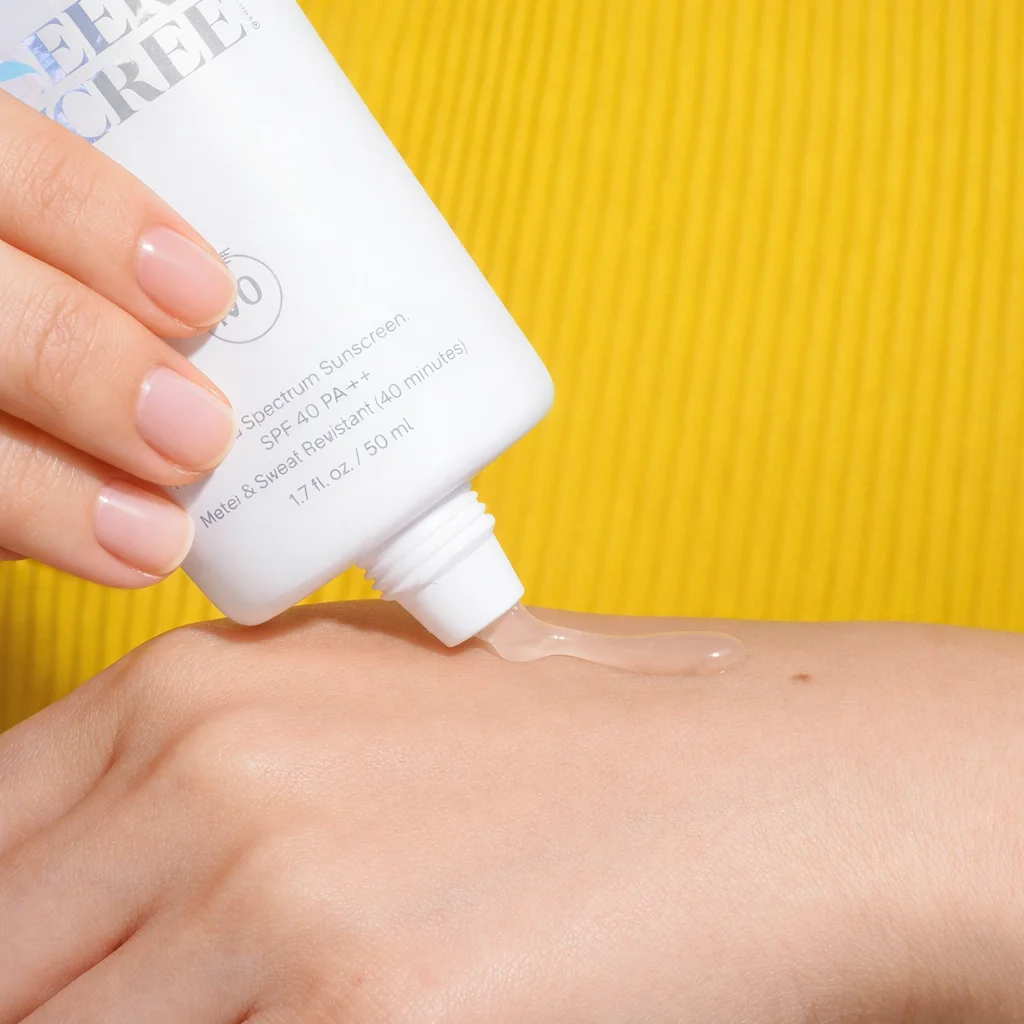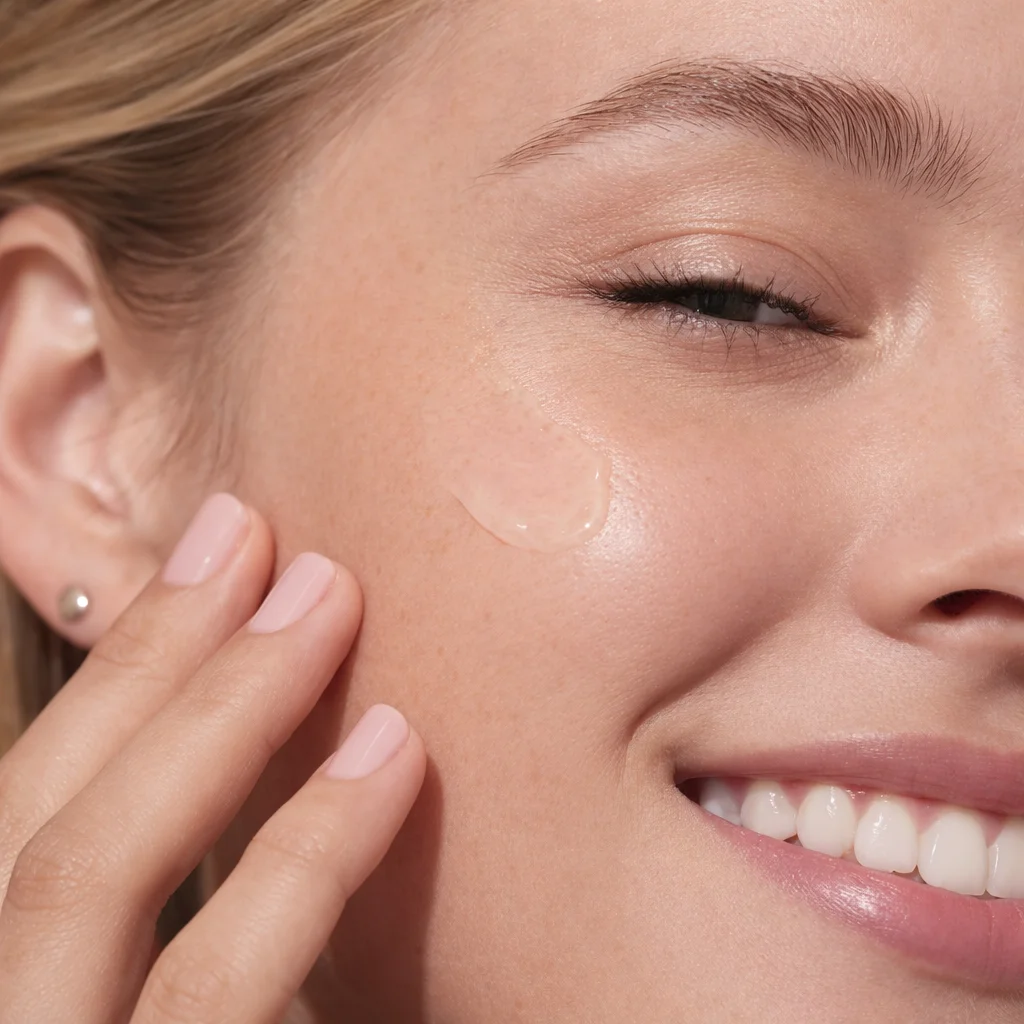
Your Trusted Sunscreen Gel Manufacturer
We help skincare brands develop market-ready products with reliable formulations, professional packaging, and scalable manufacturing support—so you can launch confidently and grow your product line with a stable supply chain.
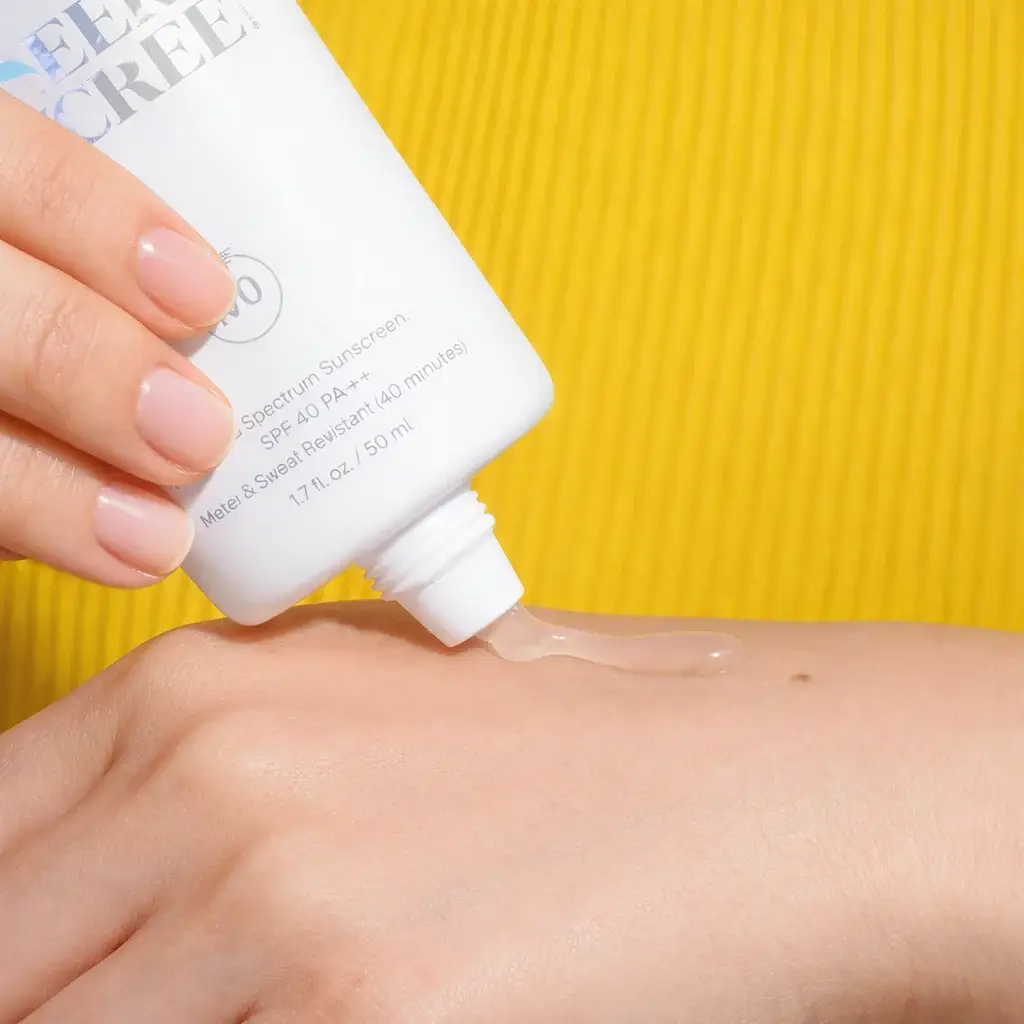

Private Label Sunscreen Gel
At Metro Private Label, we know a good sunscreen gel is not just about UV protection. For the brands we work with, it is about creating a product that feels light on the skin, fits modern daily routines, and gives customers a reason to repurchase again and again. That is why we build our private label sunscreen gel solutions around the textures, finishes, and performance claims that today’s market is already responding to.
From watery sunscreen gels that feel fresh and fast-absorbing, to invisible sunscreen gels with a clear finish, oil-control sunscreen gels designed for shine-prone skin, and mineral sunscreen gels made for sensitive-skin positioning, our range reflects the sunscreen directions buyers are actively looking for right now. We pay close attention to what is trending across Amazon, Shopify brands, Korean and Japanese-inspired skincare, and premium clinic-style sun care, so the products we help you develop are not just manufacturable, but commercially relevant.
As your manufacturing partner, we do more than produce a sunscreen gel formula. We help you shape a product that makes sense for your brand, your sales channel, and your target customer. Whether you want a lightweight daily sunscreen for e-commerce, a modern invisible gel for a premium skincare line, or a professional-looking mineral option for sensitive skin positioning, we can support the formula direction, texture selection, packaging match, and product development process to help you build a sunscreen SKU that is easier to launch and easier to sell.

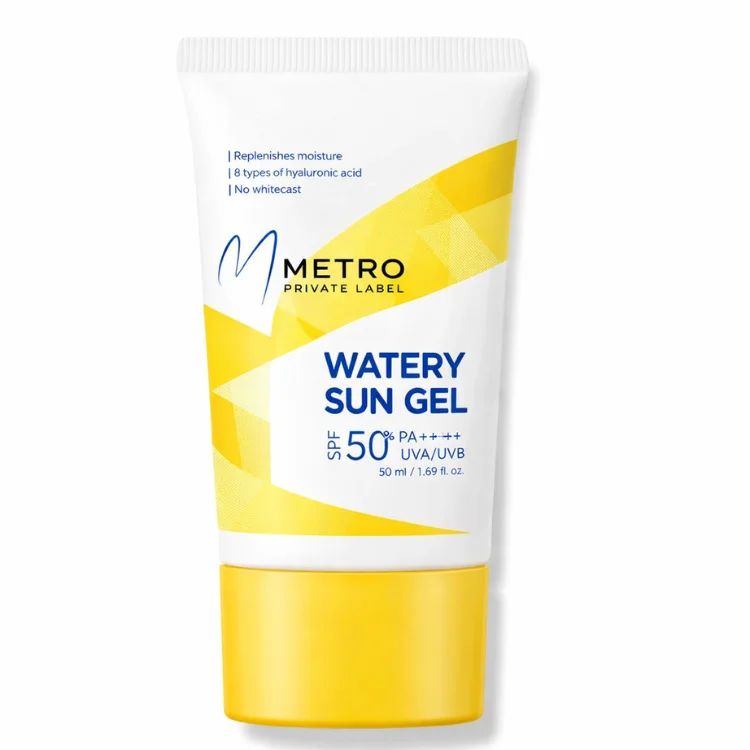
Watery Sun Gel
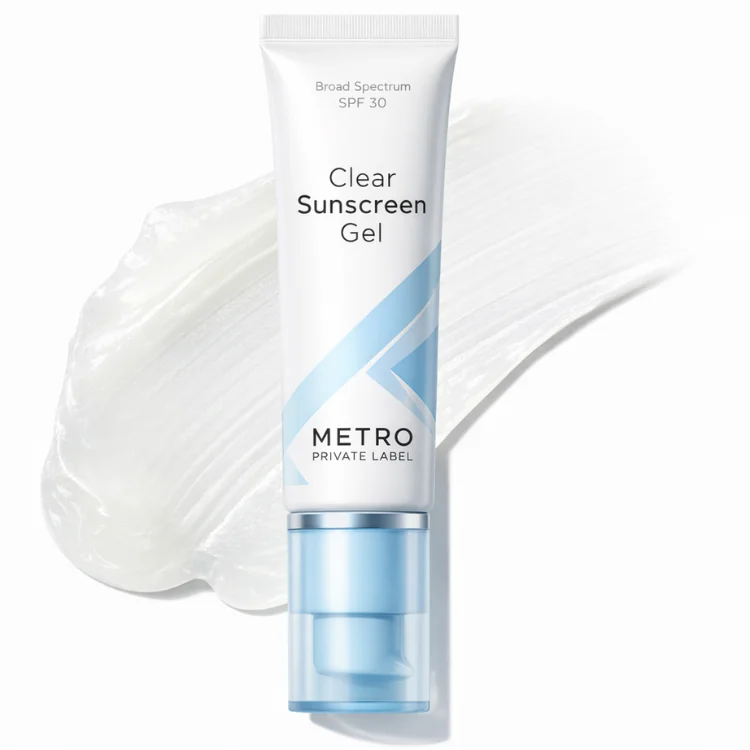
Invisible / Clear Sunscreen Gel
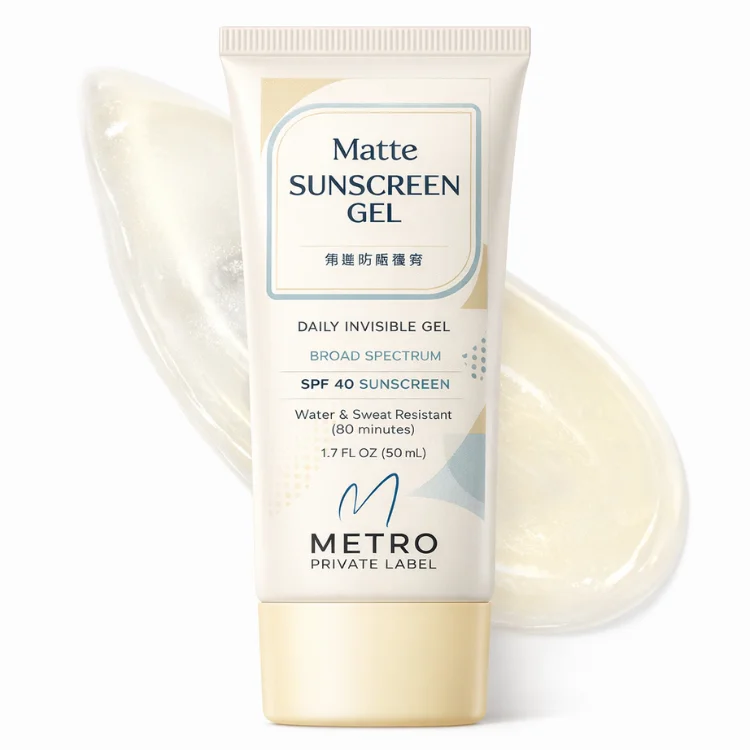
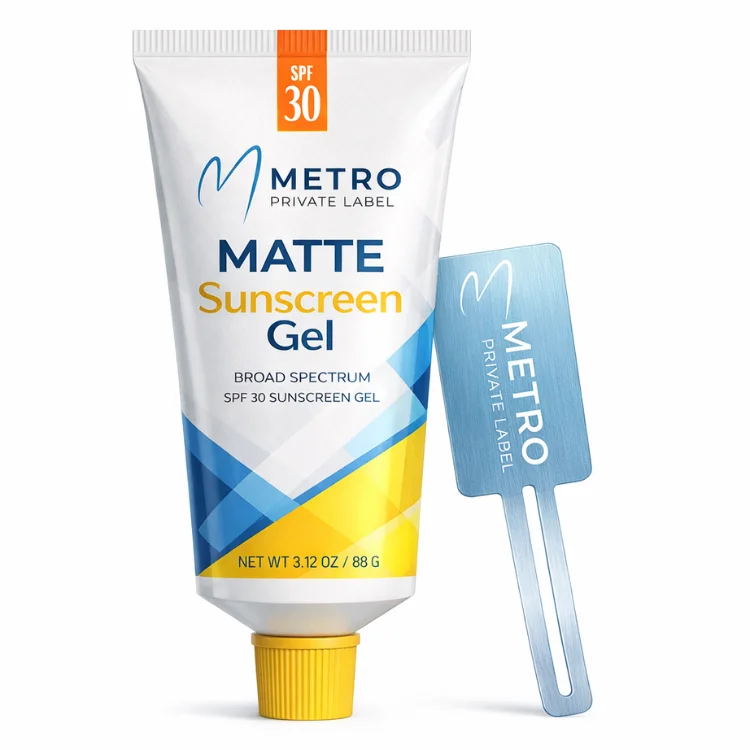
Oil-Control / Matte Sunscreen Gel
Mineral / Sensitive Skin Sunscreen Gel
Build a Private Label Sunscreen Gel Line That Actually Sells
At Metro Private Label, we understand that launching a sunscreen gel is not just about adding another sun-care product to your catalog. When consumers choose a sunscreen today, they are looking for something that fits seamlessly into their daily skincare routine—lightweight textures, comfortable wear under makeup, and reliable protection that doesn’t leave a heavy or greasy feel. If a sunscreen gel feels sticky, leaves a white cast, or separates in the bottle, customers quickly lose confidence in the product. For brand owners, the challenge is not simply finding a factory that can produce SPF formulas. The real challenge is creating a sunscreen gel that feels modern, performs consistently, and matches what today’s skincare buyers expect. That’s why we approach private label sunscreen gel development from a market-driven and performance-focused perspective rather than treating it as a basic OEM project.
When we develop sunscreen gel products, we start by looking at what is actually working in the market. Our team studies bestselling sunscreens across Amazon, fast-growing DTC skincare brands, and popular Asian beauty trends where gel-based sun protection has become extremely popular. The products that succeed usually share a few common characteristics: lightweight watery textures that absorb quickly, invisible finishes that leave no white residue, oil-control properties that work well for oily or combination skin, and gentle formulas suitable for sensitive skin positioning. Sunscreen gels fail when the formula feels heavy, the finish looks chalky on the skin, or the product doesn’t match the expectations of modern skincare users. Our role is to help you avoid those risks early by guiding formula direction, texture design, and packaging compatibility so the sunscreen gel you launch is stable, scalable, and aligned with real consumer demand.
As your manufacturing partner, we focus on helping you build sunscreen gel SKUs that match real sales environments. Whether you are launching a lightweight daily sunscreen for Amazon FBA, developing an invisible gel sunscreen for a Shopify DTC skincare brand, or introducing a mineral sunscreen gel for sensitive-skin positioning, we help define the right formula direction and packaging strategy. From sampling and texture adjustments to compliance documentation and label review, our team coordinates each step so you can move efficiently toward production. Just as importantly, we make sure the final product—from absorption speed and skin feel to bottle design and retail packaging—supports your brand positioning and price point. Our goal is simple: help you launch sunscreen gel products that are stable, compliant, and capable of generating repeat purchases, not just seasonal sales spikes.
💡 Our 4 Core Private Label Sunscreen Gel Product Types
1️⃣ Watery Sunscreen Gel One of the most popular sunscreen formats in modern skincare. This lightweight gel texture absorbs quickly and leaves the skin feeling fresh and hydrated without heaviness. It works especially well for daily facial sun protection and is widely used by e-commerce skincare brands targeting younger consumers or humid-climate markets.
2️⃣ Invisible Sunscreen Gel Designed for a clear, transparent finish that blends easily into all skin tones. Invisible sunscreen gels are highly popular among premium skincare brands because they eliminate the white cast often associated with traditional sunscreen formulas. This format works particularly well for makeup-friendly daily protection products.
3️⃣ Oil-Control Sunscreen Gel A sunscreen gel developed for oily, acne-prone, or combination skin. These formulas focus on shine control and lightweight wear, helping users maintain a matte or balanced finish throughout the day. This type of product is frequently launched by brands targeting younger consumers and active lifestyles.
4️⃣ Mineral Sunscreen Gel A gentle sunscreen option designed for sensitive skin positioning. Mineral sunscreen gels use zinc-based protection systems combined with lightweight gel textures to create formulas that feel comfortable while maintaining strong sun protection performance. This format is often favored by clinic-oriented skincare brands and sensitive-skin product lines.
🎯 MOQ & Packaging Options (Designed for Scalable Launches)
Most private label sunscreen gel projects typically begin at around 1,000 units per SKU, depending on the formula structure and packaging customization required. We support a variety of packaging options including airless pumps, squeeze tubes, and retail-ready cartons designed for both e-commerce shipping and clinic retail environments. Our team helps coordinate formula stability, packaging compatibility, and production scheduling to ensure your sunscreen gel performs consistently from sampling to full-scale production.
If you already have a sunscreen concept, a target market, or a sales channel in mind, we’re ready to help you move forward efficiently. Our focus is always on developing sunscreen gel products that are stable, market-ready, and aligned with real consumer expectations—products that strengthen your brand instead of simply expanding your SKU list.

More Than Just a Private Label Sunscreen Gel Manufacturer
At Metro Private Label, we don’t treat sunscreen gels as just another SPF product in the catalog. For many skincare brands, a well-designed sunscreen quickly becomes one of the most important products in the entire line. It’s the product customers use every single day, the one they repurchase the most, and often the one that shapes how they judge the quality of the entire brand. If a sunscreen gel feels greasy, leaves a white cast, pills under makeup, or becomes unstable in packaging, customers lose trust quickly. A successful sunscreen gel isn’t simply about achieving a certain SPF number. It’s about creating a formula that feels comfortable on the skin, stays stable in the bottle, and integrates naturally into a modern skincare routine. That’s how a sunscreen launch turns into a long-term repeat-purchase product for your brand.

✅ Sunscreen Gel Formats the Market Already Recognizes
We don’t design sunscreen gel products based only on theoretical formulations. Instead, we focus on the formats customers are already searching for and buying. By analyzing bestselling sunscreen products across Amazon, growing DTC skincare brands, and popular Asian beauty trends, we concentrate on product types that already perform well in real markets. These typically include lightweight watery sunscreen gels for daily use, invisible sunscreen gels that leave no white cast, oil-control formulas designed for oily or acne-prone skin, and mineral sunscreen gels positioned for sensitive-skin routines. When a product format is already familiar to consumers, it becomes easier for your brand to position, easier for customers to understand, and much easier to scale.
✅ Practical MOQs That Support Real Brand Growth
We structure our private label sunscreen gel programs around realistic production planning instead of extremely high minimum orders that slow down brand launches. Many brands begin with manageable quantities to test market demand, validate packaging performance, and evaluate how the product fits their customer base. As your brand grows, we can help you scale production efficiently—whether that means adjusting SPF levels, improving texture performance, upgrading packaging formats, or expanding into additional sun-care SKUs. Our goal is to grow alongside your brand without forcing you to restart development or search for a new supplier every time your product line expands.
✅ Stable Formulas That Encourage Repeat Purchases
Sunscreen is one of the few skincare products customers apply every single day. That means consistency is critical. The texture, absorption speed, and finish need to remain the same from the first bottle to the next. We pay close attention to formulation balance, SPF stability, and packaging compatibility to ensure that each production batch performs consistently. This stability helps reduce customer complaints, improve product reviews, and strengthen your brand’s credibility in a category where trust and reliability are more important than short-term trends.
✅ Execution & Compliance Support That Keeps Your Launch Moving
Our role is not only to manufacture sunscreen gels but also to prepare them for real commercial markets. From INCI documentation and COA/MSDS preparation to packaging coordination and production scheduling, our team supports the practical steps required by e-commerce brands, skincare founders, clinics, and distributors. We help make sure your sunscreen gel product moves smoothly from sampling to production and is properly prepared for the markets where you plan to sell.
- METRO
- Typical OEM factory
| METRO | Typical OEM factory | |
$ /year | /year | |
| Minimum order quantity | ✅ 500 units for startup brands — low-risk entry for first-time founders. | ❌ 3,000 units minimum, limiting flexibility. |
| Packaging recommendations | ✅ Compatibility + visual templates to ensure perfect fit and premium look. | ❌ Not provided. |
| Launch support | ✅ Label compliance & claim copywriting included for export markets. | ❌ Not available. |
| Sample delivery time | ✅ 7–14 days with labeled packaging. | ❌ Usually 30+ days. |
| Compliance & Documentation | ✅ INCI, COA, SDS, GMP-ready — export with confidence. | ❌ Basic INCI only. | Buy Now |
✨ Build a Private Label Sunscreen Gel Line That Performs Beyond Expectations
When you partner with Metro Private Label, you’re not just choosing a factory that can produce an SPF formula—you’re working with a team that understands how sunscreen gels actually perform in today’s skincare market. A successful sunscreen product isn’t defined by SPF numbers alone. What really matters is how the gel feels on the skin, how well it absorbs during daily use, and whether customers enjoy using it enough to repurchase it again and again. Lightweight textures, invisible finishes, and comfortable wear throughout the day are what build real customer loyalty. Our role is to help you launch sunscreen gels that feel modern, perform reliably, and strengthen your brand’s credibility in a category where daily use drives long-term revenue.
Whether you’re developing a refreshing watery sunscreen gel for everyday protection, an invisible sunscreen gel designed to blend seamlessly into all skin tones, an oil-control sunscreen for shine-prone skin, or a gentle mineral sunscreen gel for sensitive-skin positioning, we structure each project around real consumer expectations. In the sunscreen category, factors like absorption speed, skin finish, ingredient compatibility, and packaging stability strongly influence how customers evaluate the product. Our focus isn’t just helping you launch another sunscreen SKU—it’s helping you create one that customers immediately understand, enjoy applying daily, and incorporate naturally into their skincare routine.
🧪 Formulation Designed for Real-World Sunscreen Performance We don’t rely on generic sunscreen bases. Every sunscreen gel we develop focuses on balanced UV protection systems, lightweight gel textures, and skin-friendly ingredient combinations that support comfortable daily wear. Whether your brand is targeting hydrating watery sunscreen gels, clear invisible formulas, oil-control systems, or mineral protection for sensitive skin, we help align the formulation direction with your brand positioning, target market, and pricing strategy. Our goal is to ensure your sunscreen gel performs consistently—not only during product testing, but throughout everyday use in real customer routines.
📦 Packaging & MOQ Designed for Real Brand Launch Conditions Launching a sunscreen product requires both formula stability and packaging compatibility. Most private label sunscreen gel projects begin with practical production quantities that allow brands to validate market demand and evaluate packaging performance before scaling. We support a range of packaging formats—including squeeze tubes, airless pumps, and retail-ready cartons—selected to protect formula stability while working well for e-commerce shipping or clinic retail environments. Our team coordinates packaging selection, formulation compatibility, and production planning so your project moves smoothly from the first batch through full-scale production.
⚙️ A Clear and Structured Production Process We keep product development transparent and organized from start to finish. From initial sampling and SPF direction confirmation to packaging coordination and production scheduling, every stage is clearly communicated so you can plan your product launch timeline with confidence. Whether you’re preparing for an Amazon FBA product launch, building a Shopify DTC sunscreen line, or introducing a clinic-focused sun protection product, we help you move efficiently from concept to finished goods without unnecessary delays.
🌿 Built for Brands Ready to Launch and Scale We measure success not just by manufacturing speed, but by how well your product performs after it reaches the market. That’s why we focus on scalable formulas, stable production systems, and documentation that supports long-term brand growth. With Metro Private Label, your sunscreen gel line is designed to launch confidently, maintain product stability, earn customer trust, and scale smoothly as your brand continues to expand.

FAQs Sunscreen Gel
For your convenience, we’ve gathered the most commonly asked questions about our Sunscreen Gel . However, should you have any further queries, please don’t hesitate to reach out to us.
1. What types of Sunscreen Gel can you manufacture?
We develop several sunscreen gel formats that align with what today’s skincare market is actively buying. These include lightweight watery sunscreen gels for daily use, invisible sunscreen gels with no white cast, oil-control sunscreen gels designed for oily or acne-prone skin, and mineral-style sunscreen gels positioned for sensitive skin routines. If your brand already has a product concept, we can adjust texture, ingredient systems, and product positioning to match your target market.
2. Can we customize the sunscreen formula for our brand?
Yes. Many of the brands we work with prefer to customize their sunscreen gel formulas to match their brand positioning. We can adjust the texture, finish, hydration profile, ingredient combinations, and overall skin feel to support different product concepts. Whether you’re aiming for a lightweight daily sunscreen gel or a premium invisible finish, we help align the formula with the expectations of your target customers.
3. What is your MOQ for private label Sunscreen Gel?
Our typical minimum order quantity starts around 1,000 units per SKU, depending on the formula and packaging you choose. This allows brands to validate market demand without committing to extremely large production volumes. As your sales grow, we can help you scale production smoothly while maintaining the same formula and packaging consistency.
4. How long does it take to develop a Sunscreen Gel product?
Most projects move through two main stages: sampling and production. Sampling usually takes around 3–5 weeks, depending on formula adjustments and packaging selection. Once the sample is confirmed, mass production typically requires 4–6 weeks. If your launch schedule is tight, we can help organize the development process more efficiently.
5. Do you offer both stock formulas and custom development?
Yes, we support both options. Some brands prefer to start with ready-to-launch stock formulas, which allows for faster product development and lower initial costs. Others choose custom formulation development to create a sunscreen gel that fits their brand identity and product strategy. We help you evaluate both options based on your timeline and budget.
6. Can you help with packaging for sunscreen gel products?
Yes. We provide packaging coordination support including tube packaging, airless pump bottles, and retail cartons suitable for both e-commerce and retail environments. Our team also checks packaging compatibility with the formula to help ensure stability during shipping, storage, and daily consumer use.
7. What documentation do you provide for sunscreen gel products?
We provide the documentation typically required for cosmetic manufacturing, including INCI ingredient lists, COA, MSDS, and product specification sheets. Many brands use these documents as part of their regulatory preparation when launching products in international markets. If you are selling in specific regions, we can also help guide the documentation process needed for your market.
8. How do you ensure sunscreen gel quality and stability?
We focus heavily on formula balance, stability testing, and packaging compatibility checks. Sunscreen gel textures must remain stable during storage and daily use, so we evaluate consistency, appearance, and performance over time. Our production system is designed to maintain the same formula behavior across different batches.
9. Can you help us develop a sunscreen gel that fits our market?
Yes. Many brands approach us with a product idea but need help refining the formula direction. We analyze popular sunscreen textures, ingredient trends, and consumer preferences across e-commerce and skincare markets. This helps ensure the sunscreen gel you launch is aligned with what customers already understand and trust.
10. Do you work with international brands?
Yes, we work with brands from many regions including North America, Europe, the Middle East, and Asia-Pacific. Our team supports international clients by coordinating documentation preparation, packaging, and export logistics, helping your product move smoothly from development to production and global distribution.
Working with Metro Private Label made launching our sunscreen gel much easier than we expected. Their team helped us refine the texture and packaging so the product felt lightweight and premium, which was important for our brand. Communication was always clear, and the sampling process was efficient. When the final batch arrived, the quality was exactly what we approved during development.
Emma Carter, Founderfrom United Kingdom
We were looking for a manufacturer who understood how skincare products perform in real online markets. Metro Private Label helped us develop an invisible sunscreen gel that fits perfectly with our e-commerce audience. The formula absorbs quickly and the packaging works well for shipping. Their team was responsive throughout the process and kept production timelines organized.
Lucas Meyer, E-commerce Brand Operatorfrom Germany
Metro Private Label approached our project with a very practical mindset. Instead of just quoting a formula, they helped us think about product positioning, packaging compatibility, and long-term supply stability. The sunscreen gel we launched feels modern and lightweight, which is exactly what our customers expect from a daily sun protection product.
Sophia Bennett, Skincare Brand Founderfrom Australia
What we appreciated most was the professionalism of the Metro Private Label team. They explained the formula options clearly and helped us choose a sunscreen gel format that fits our retail channels. The production process was smooth, and the documentation and packaging coordination were handled very efficiently.
Marco Rossi, Distribution Buyerfrom Italy
As a clinic owner, product safety and consistency are extremely important to us. Metro Private Label helped us develop a gentle sunscreen gel that fits well with our skincare treatments and daily protection routines. The texture feels comfortable for sensitive skin, and the team ensured the product quality remained consistent from sampling to production.
Olivia Thompson, Aesthetic Clinic Directorfrom Canada
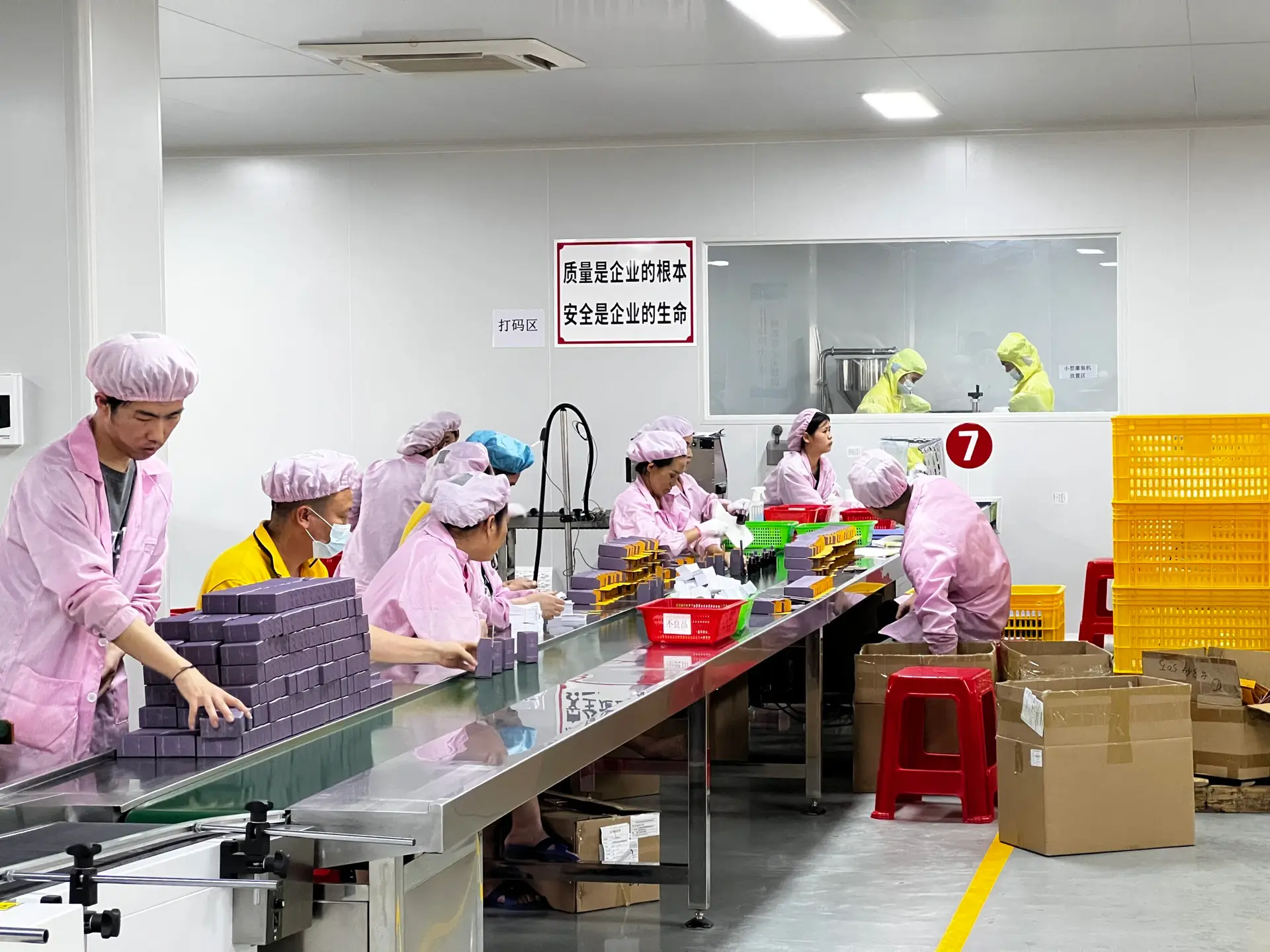






Metro Private Label in Numbers
Happy Clients
0 +
Million-dollar Buyers
0 +
Formulation
0 +
Professional Staffs
0 +
Your Ultimate Guide to Sunscreen Gel
If you’re planning to add a sunscreen gel to your skincare line—whether it’s your brand’s first daily protection product or an upgrade to an existing sunscreen range—you’re not simply adding another seasonal SKU. You’re entering one of the most consistent and behavior-driven categories in the entire skincare market. Unlike treatment products that customers may use occasionally, sunscreen is part of a daily routine. People apply it every morning, carry it in their bags, and repurchase it regularly when they run out. Because of that daily-use behavior, a well-designed sunscreen gel often becomes one of the most stable and repeatable revenue drivers in a skincare brand’s product lineup.
Over the past few years, we’ve seen sunscreen products evolve significantly across global skincare markets. Traditional heavy sunscreen creams are gradually being replaced by lighter, faster-absorbing formats that feel more comfortable for everyday use. Gel textures in particular have become extremely popular because they provide sun protection without the heaviness, greasiness, or white cast that many consumers dislike. At Metro Private Label, we’ve watched how successful brands approach sunscreen development not just as a protection product, but as a core routine product that needs to perform well under real conditions—under makeup, during humid weather, inside daily routines, and across different skin types.
From our experience working with e-commerce brands, clinic skincare developers, and international distributors, we’ve also learned that sunscreen success rarely depends on the SPF number alone. Products that perform well in the market are usually built around a combination of thoughtful formulation, comfortable texture, practical packaging, and clear positioning for the target customer. A sunscreen gel that spreads easily, absorbs quickly, and works well with other skincare products will almost always generate better customer feedback than a formula that simply focuses on protection strength but ignores daily usability.
Table of Contents
Why Sunscreen Gel Is One of the Most Strategic SKUs for Skincare Brands
When I speak with skincare founders, e-commerce operators, and clinic brand developers about product strategy, sunscreen almost always becomes one of the most important discussions. It may appear at first glance to be just another product category in a skincare catalog, but in reality sunscreen plays a very different role from most treatment products. In my experience working with brands that are building or expanding their product lines, sunscreen gel often becomes the product that customers interact with the most frequently. Because it is designed for daily protection rather than occasional treatment, it naturally integrates into a person’s routine. This daily interaction creates a powerful opportunity for brands to build long-term trust with their customers. When a sunscreen gel performs well in texture, comfort, and reliability, it quickly stops being just a seasonal item and becomes one of the most stable revenue drivers in the entire product line.
Daily-Use Products Shape Long-Term Customer Habits
One of the first things I often point out when discussing product development with skincare brands is that daily-use products behave very differently from occasional treatment items. Serums, exfoliating masks, and repair treatments might deliver impressive results, but they are usually applied only a few times per week or during specific skin concerns. Sunscreen, however, is something customers are encouraged to apply every single morning as part of their normal skincare routine. Over time this behavior forms a habit that is difficult to replace. When a customer finds a sunscreen gel that feels comfortable, spreads easily, and works well with their skin type, they tend to stay loyal to it. From my perspective, this habit-forming behavior is one of the most powerful advantages a skincare brand can have. Instead of constantly persuading customers to try new products, a well-designed sunscreen gel becomes part of their everyday lifestyle.
The Power of Repeat Purchases in the Sunscreen Category
Another reason I see sunscreen gel as such a strategic SKU is the natural repeat purchase cycle it creates. Unlike highly concentrated serums that are used sparingly, sunscreen is applied generously and often reapplied throughout the day. Because of this, bottles are finished relatively quickly. Customers who rely on a particular sunscreen product usually return to purchase the same formula again once they run out. In the brands I have worked with, this repeat purchasing pattern often becomes a major contributor to long-term revenue stability. Instead of relying entirely on new customer acquisition, brands begin to see a steady flow of returning buyers who already trust the product. From a business perspective, this kind of predictable demand is extremely valuable. A sunscreen gel that customers consistently reorder can support sustainable growth and help balance the fluctuations that often occur in other skincare categories.
Sunscreen Gel Reflects the Direction of Modern Skincare Preferences
In recent years I have noticed that consumer expectations around sunscreen textures have changed significantly. Many people no longer want thick, heavy sunscreen creams that sit visibly on the skin. Instead, they prefer formulas that feel lightweight, absorb quickly, and blend seamlessly into their skincare routine. Sunscreen gels have become increasingly popular because they deliver protection in a texture that feels more comfortable and refreshing. For brands developing products today, this shift in preference is important to understand. When I help brands think about sunscreen development, I often emphasize that texture can influence customer satisfaction just as much as the level of protection. A sunscreen gel that disappears quickly into the skin and leaves a clean finish is much more likely to earn positive reviews and repeat purchases than one that feels greasy or heavy.
A Core Product That Strengthens the Entire Skincare System
From a product strategy perspective, I often think of sunscreen as the final step that connects the entire skincare routine. Most consumers begin their routine with cleansing, follow with serums or moisturizers, and then finish with sun protection before going outside. Because sunscreen is applied at the end of the routine, it interacts with every other product that comes before it. When a sunscreen gel works well with moisturizers and treatment products, it reinforces the performance of the entire system. For brands building a skincare line, this is extremely valuable. A reliable sunscreen gel can enhance the credibility of the whole routine and encourage customers to remain loyal to the brand’s complete product ecosystem. In many successful brands I have observed, sunscreen becomes the product that ties everything together.
Long-Term Demand That Extends Beyond Skincare Trends
One more reason I consistently encourage brands to consider sunscreen gel as a strategic SKU is the long-term stability of demand in this category. Skincare trends change frequently, with new ingredients and treatment concepts appearing every year. While some of these trends gain attention quickly, they can also fade just as rapidly. Sunscreen, however, is fundamentally different because it addresses a basic and ongoing need for skin protection. Regardless of changes in beauty trends, people still require daily protection from sun exposure. This makes sunscreen one of the few categories in skincare where demand remains relatively stable over time. From my experience working with brands, products that serve a permanent need rather than a temporary trend often become the most reliable contributors to long-term growth.
Why Sunscreen Gel Often Becomes a Brand’s Hero Product
When all of these factors come together—daily use, repeat purchasing, modern texture preferences, routine integration, and stable demand—it becomes clear why sunscreen gel frequently evolves into a hero product for many skincare brands. I have seen numerous brands begin with treatment products or niche ingredients, only to discover that their sunscreen eventually becomes the most widely used and frequently repurchased item in their portfolio. This happens because sunscreen interacts with customers’ lives every single day. When a brand successfully develops a sunscreen gel that feels comfortable, performs reliably, and fits naturally into a daily routine, it creates a product that customers trust and return to repeatedly. From my perspective, that level of consistency is exactly what transforms a simple sunscreen product into a strategic cornerstone of a skincare brand.
Why Modern Consumers Prefer Sunscreen Gel Over Traditional Cream Sunscreens
As I observe the way skincare routines have evolved over the past decade, it becomes very clear why sunscreen gel formulas are gaining so much attention from both consumers and skincare brands. Sunscreen used to be viewed as a product that people applied mainly during outdoor activities or vacations. Today, however, sun protection has become a daily skincare habit for many consumers around the world. Because sunscreen is now used every morning as part of a routine rather than occasionally during leisure activities, expectations around comfort, texture, and wearability have changed dramatically. In my experience working with skincare founders, e-commerce operators, and clinic product developers, gel-based sunscreens are often preferred because they respond more effectively to the practical realities of daily skincare use.
A Texture That Feels Comfortable Throughout the Day
One of the first things I notice when discussing sunscreen products with consumers is how strongly they react to texture. Traditional sunscreen creams were originally developed with durability and protection in mind, which often meant heavier textures designed to stay on the skin during prolonged sun exposure. While these creams can still serve their purpose effectively, many people today prefer formulas that feel lighter and less noticeable after application. Sunscreen gels offer a texture that spreads easily and settles into the skin without creating the sensation of a thick layer. When I evaluate consumer feedback or test different formulations, I consistently see that people appreciate sunscreens that feel almost weightless. This comfort encourages them to use the product more consistently, which ultimately strengthens the role of sunscreen within the daily skincare routine.
Faster Absorption Fits Modern Morning Routines
Another reason I frequently see consumers gravitating toward sunscreen gels is the speed at which these formulas absorb into the skin. Morning routines are often busy, and people want products that integrate smoothly without slowing them down. Traditional sunscreen creams sometimes require more time to fully settle into the skin before makeup or additional skincare products can be applied. In contrast, gel formulations tend to absorb quickly, leaving behind a smooth finish that feels dry to the touch within a short period of time. From my perspective, this faster absorption improves the practicality of sunscreen for everyday use. When applying sunscreen becomes quick and effortless, people are much more likely to maintain the habit of using it daily rather than skipping it when they are in a hurry.
A Better Match for Humid Climates and Active Lifestyles
Climate conditions play an important role in how consumers evaluate skincare textures. In warm or humid environments, heavy creams can sometimes feel overly rich or occlusive on the skin. I often hear from consumers living in tropical or coastal regions that traditional sunscreen creams feel sticky or uncomfortable during the day. Gel-based sunscreens tend to provide a more refreshing experience because their lighter structure allows the skin to feel more breathable. When I analyze the popularity of gel sunscreens across global markets, I frequently see strong demand in regions where humidity and heat are common. For consumers who spend time outdoors, exercise frequently, or live in climates where heavy skincare products become uncomfortable, gel sunscreens offer a practical alternative that feels easier to wear throughout the day.
A More Suitable Option for Oily and Combination Skin
Skin type also plays a major role in the growing popularity of sunscreen gels. Many individuals with oily or combination skin struggle to find sun protection products that do not increase shine or leave the skin feeling greasy. In my conversations with skincare brands and consumers, this concern appears repeatedly in discussions about sunscreen performance. Gel formulas are often perceived as more compatible with oily skin types because they provide protection in a lighter base that does not feel as heavy as traditional creams. When a sunscreen spreads easily and absorbs quickly, it can help maintain a more balanced skin appearance throughout the day. This makes gel sunscreens particularly attractive to younger consumers and those who prefer skincare products that feel refreshing rather than rich.
Reducing Common Complaints Associated With Traditional Sunscreens
From the perspective of brands developing sunscreen products, one of the biggest challenges has always been managing consumer complaints related to usability. When I analyze product reviews across online platforms, many negative comments about sunscreen creams focus on issues such as greasiness, heavy residue, or an uncomfortable finish. These concerns can strongly influence how consumers evaluate a product, even if the protection itself is effective. Gel-based sunscreens naturally help reduce many of these complaints because their lighter textures feel less intrusive on the skin. When a sunscreen feels smooth, absorbs quickly, and leaves minimal residue, customers tend to perceive the product as more pleasant to use. In my experience, improving the daily experience of applying sunscreen is one of the most effective ways to build long-term customer satisfaction.
Better Compatibility With Makeup and Layered Skincare Routines
Another important shift in modern skincare routines is the growing number of products that consumers apply before leaving the house. Many routines now include cleansers, toners, serums, moisturizers, primers, and makeup products layered together. In this context, sunscreen must perform well as the final step without interfering with the products applied afterward. I often find that gel-based sunscreens integrate more smoothly into these layered routines because they create a thinner protective layer on the skin. When the sunscreen absorbs quickly and leaves a smooth surface, makeup can be applied more easily without pilling or uneven texture. For consumers who wear foundation or other cosmetic products, this compatibility becomes extremely important when choosing a sunscreen.
Reflecting the Direction of Modern Skincare Preferences
When I step back and look at the broader direction of the skincare industry, the rise of sunscreen gels reflects a larger movement toward lighter, more adaptable formulations. Consumers increasingly seek products that feel comfortable and natural while still delivering effective performance. Sunscreen gels align well with this philosophy because they offer protection without the heaviness that some traditional sunscreen creams can create. In my experience working with skincare brands and observing market trends, this shift toward lighter textures is unlikely to disappear. As daily sun protection becomes more integrated into skincare routines, gel-based sunscreens will likely continue to grow in popularity because they match the expectations of modern consumers who want protection that feels effortless and comfortable to wear every day.
The Most Popular Sunscreen Gel Product Concepts in Today’s Market
When I study the sunscreen category across global skincare markets, one pattern appears repeatedly: the products that perform best are usually built around concepts consumers already understand. Sunscreen buyers are rarely experimenting with completely unfamiliar formats. Instead, they gravitate toward product types that clearly communicate what they do and how they fit into everyday routines. When I analyze bestselling sunscreen products across Amazon, Shopify brands, dermatology clinics, and Asian skincare markets, certain sunscreen gel concepts consistently appear again and again. These concepts are successful not simply because of marketing but because they solve specific daily concerns such as comfort, skin compatibility, and cosmetic elegance. From my perspective, when a brand chooses a sunscreen concept that customers already recognize, it becomes much easier to communicate the product’s value, explain its purpose, and ultimately encourage consumers to adopt it as part of their routine.
Watery Sunscreen Gel Designed for Everyday Use
One sunscreen concept I frequently encounter in successful product lines is the watery sunscreen gel designed for effortless daily use. When I observe how people incorporate sun protection into their skincare routines today, it becomes clear that convenience plays a major role in whether sunscreen is applied consistently. Watery gel textures respond directly to this need by offering a fluid, refreshing feel that spreads quickly and evenly across the skin. Instead of feeling like a thick protective layer sitting on top of the face, these formulas behave more like a lightweight skincare essence. Many consumers appreciate this because it allows the sunscreen to blend naturally with the rest of their morning routine.
In my experience evaluating consumer reviews and product performance, watery sunscreen gels are particularly popular among people who want their sunscreen to feel almost invisible during the day. The texture tends to absorb quickly, leaving the skin hydrated but not greasy. This makes the product comfortable enough for daily use, even for people who previously disliked wearing sunscreen. For brands developing their first sunscreen product, I often explain that watery gel formulas are one of the most accessible entry points into the category because they align closely with modern skincare preferences for lightweight and breathable textures.
Invisible Sunscreen Gel With No White Cast
Another sunscreen gel concept that consistently attracts consumer interest is the invisible sunscreen gel that leaves no white cast after application. Historically, one of the most common complaints about sunscreen products has been the visible residue they leave on the skin. Traditional formulas, especially those using mineral filters, sometimes create a noticeable white layer that can affect how the skin appears. As consumers become more conscious about the aesthetic finish of their skincare products, this issue has become increasingly important.
When I review consumer feedback across e-commerce platforms, the phrase “no white cast” appears repeatedly in discussions about sunscreen satisfaction. People want protection, but they also want their skin to look natural after application. Invisible sunscreen gels address this concern by delivering protection in a formula that disappears into the skin. The finish tends to feel smooth and transparent, which allows the product to work well under makeup or on its own.
From a brand strategy perspective, I often emphasize that cosmetic elegance can be just as important as the protection itself. If the sunscreen feels comfortable and looks natural on the skin, customers are far more likely to use it consistently. This consistency ultimately determines whether the product becomes a daily essential or something that sits unused on the shelf.
Oil-Control Sunscreen Gel for Oily or Combination Skin
Skin type is another major factor influencing sunscreen preferences, and this is where oil-control sunscreen gels have become particularly important. Many consumers with oily or combination skin struggle to find sunscreen products that do not increase shine throughout the day. Traditional sunscreen creams can sometimes feel too rich, especially in warm climates or during long hours of wear.
When I examine the growth of sunscreen gel formats in markets such as Southeast Asia, Korea, and increasingly in Western skincare brands, it becomes clear that oil-control formulations address a very real consumer frustration. These formulas are typically designed to maintain a lighter finish that helps reduce the appearance of excess oil on the skin. Instead of creating a shiny layer, the sunscreen gel helps maintain a balanced look that feels comfortable even after several hours.
From my experience working with skincare brands, oil-control sunscreen gels are especially appealing for younger consumers and those living in humid environments. The lighter structure allows the skin to breathe more comfortably, which can make daily sunscreen use much more appealing. When customers feel that a sunscreen product improves the appearance of their skin rather than making it look greasy, they are much more likely to incorporate it into their daily routine.
Mineral Sunscreen Gel for Sensitive Skin Routines
Sensitive skin consumers represent another important segment within the sunscreen market, and mineral sunscreen gels have become a popular solution for this group. Many individuals with reactive or delicate skin prefer mineral-based sun protection systems because they are often perceived as gentler alternatives to traditional chemical filters. These consumers are usually very cautious about product ingredients and want reassurance that their sunscreen will not trigger irritation or redness.
In recent years I have seen brands combine mineral sun protection systems with gel textures in order to improve comfort and usability. Traditional mineral sunscreens can sometimes feel thick or heavy, but gel-based formats help reduce that sensation while maintaining the protective benefits of mineral filters. When I discuss sunscreen development with clinic-based brands or dermatology-focused skincare lines, mineral sunscreen gels frequently appear as a preferred option because they align well with gentle skincare routines.
These products are often positioned as calming or barrier-supportive sunscreens designed for daily protection without overwhelming the skin. For consumers dealing with sensitivity, rosacea, or post-treatment recovery, this positioning can be particularly appealing. When a sunscreen product emphasizes both protection and skin comfort, it becomes much easier for sensitive skin users to trust the formula and continue using it long term.
Why Familiar Sunscreen Concepts Help Brands Enter the Market Faster
When I advise skincare founders or e-commerce operators about launching sunscreen products, I usually encourage them to focus on concepts that consumers already recognize. The sunscreen category is highly competitive, and customers often rely on familiar cues to understand how a product fits into their routine. A watery sunscreen gel for daily use, an invisible sunscreen with no white cast, an oil-control gel for oily skin, or a mineral sunscreen gel for sensitive skin are all examples of concepts that consumers already understand intuitively.
From my perspective, this familiarity significantly reduces the friction involved in introducing a new product to the market. When customers immediately recognize what the sunscreen is designed to do, the brand does not need to spend as much time educating the audience. Instead, the focus can shift toward demonstrating quality, texture, and reliability. By building sunscreen products around concepts that consumers already trust, brands can launch more confidently and position their products in ways that resonate naturally with real skincare routines.
Choosing the Right Sunscreen Gel Concept for Your Sales Channel
When I discuss sunscreen product development with skincare founders, brand operators, or distributors, one of the first questions I usually ask is not about ingredients or SPF levels. Instead, I ask a much simpler question: where will this product actually be sold? Over time I have realized that the sales channel often determines the most successful sunscreen concept far more than people initially expect. A sunscreen gel designed for Amazon shoppers will behave very differently from one recommended by dermatologists or distributed through regional beauty retailers. Each channel has its own expectations, its own purchasing logic, and its own way of evaluating product performance. When brands understand this early in the development process, they can design sunscreen gels that fit naturally into the way customers discover, evaluate, and ultimately repurchase skincare products.
How E-Commerce Brands Should Think About Sunscreen Gel Development
When I analyze sunscreen products that perform well in e-commerce environments such as Amazon, Shopify, or TikTok Shop, I quickly notice that customer experience becomes the dominant factor influencing success. Online shoppers cannot physically test a sunscreen before buying it, which means they depend heavily on product descriptions, images, and customer reviews to make decisions. Because of this, the texture and daily usability of a sunscreen gel become extremely important.
From my experience reviewing product feedback across thousands of customer reviews, consumers repeatedly mention similar concerns when discussing sunscreen products online. They want something that absorbs quickly, does not feel greasy, does not leave a visible white cast, and works well under makeup. When a sunscreen gel satisfies these expectations, customers often mention the product in very enthusiastic terms. Positive reviews accumulate quickly, and the product gains credibility among new buyers who are browsing the platform.
For e-commerce brands, I often explain that sunscreen gels should be designed with simplicity and immediate comfort in mind. Lightweight textures, invisible finishes, and fast absorption create a positive first impression when customers try the product. Because sunscreen is a daily-use product, a comfortable experience during the first few uses can strongly influence whether customers continue using it and eventually reorder it. In an online sales environment where reviews heavily influence purchasing decisions, that early user experience becomes one of the most powerful drivers of product growth.
Why Clinic and Dermatology Channels Require a Different Approach
When sunscreen gels are developed for dermatology clinics, aesthetic centers, or professional skincare practices, I often see a completely different set of priorities guiding product development. In these environments, sunscreen is not only a protective product but also part of a broader treatment or skin-maintenance routine. Clients who visit clinics frequently receive procedures such as chemical peels, laser treatments, or barrier repair therapies, which can temporarily make the skin more sensitive.
Because of this, clinic-oriented sunscreen gels usually emphasize skin compatibility and gentleness above all else. When I speak with clinic owners or dermatology brand developers, their biggest concern is whether a sunscreen will feel calm and comfortable on compromised skin. A formula that stings, feels heavy, or triggers redness can immediately damage the trust that clients place in the clinic’s recommended products.
In these professional environments, sunscreen gels often become part of a structured skincare system. A dermatologist or aesthetic practitioner may recommend a cleanser, a repair serum, a barrier cream, and a sunscreen designed to protect the skin after treatment. When sunscreen fits naturally into that system, it becomes much easier for patients to follow the routine consistently. For brands entering the clinic channel, I often suggest focusing on formulas that emphasize soothing textures, reliable stability, and a gentle sensory experience that encourages daily protection without irritating sensitive skin.
How Distributors and Retail Buyers Evaluate Sunscreen Products
When the target customer is a distributor or regional retail buyer, the product development strategy usually changes again. Distributors rarely focus on a single niche skin concern. Instead, they are looking for products that can appeal to a wide range of customers across multiple retail environments. In my conversations with distributors, I frequently hear that versatility is one of the most valuable characteristics a sunscreen product can have.
Retail environments often serve customers with different skin types, lifestyles, and levels of skincare knowledge. Because of this, sunscreen gels intended for distribution channels usually aim to balance comfort, broad appeal, and practical usability. A product that feels lightweight, spreads easily, and works for many skin types can perform much better in retail settings than a highly specialized formula designed for a narrow audience.
Another factor I often discuss with distributors is how easily the product concept can be explained to consumers. Retail sales staff need to communicate product benefits quickly and clearly. When the sunscreen gel concept is simple and familiar, such as a daily lightweight sunscreen or an invisible gel formula, customers can understand its purpose immediately. This clarity helps the product move more smoothly through retail channels and encourages customers to make confident purchasing decisions.
Why Sales Channel Strategy Should Guide the Entire Development Process
One of the most important lessons I have learned while working with skincare brands is that product development becomes significantly more effective when the sales channel is considered from the very beginning. A sunscreen gel that performs beautifully in a laboratory environment may still struggle in the market if it does not match the expectations of the customers who encounter it. On the other hand, when the product concept aligns naturally with the way the product will be sold, the entire process of launching and scaling the product becomes much smoother.
When I think about sunscreen development, I try to imagine the full journey the product will take after it leaves the factory. I picture the customer discovering it online, hearing about it from a clinic professional, or seeing it displayed on a retail shelf. Each of these scenarios creates different expectations about how the product should feel, what it should promise, and how it should be positioned. By understanding those expectations early and designing the sunscreen gel accordingly, brands can create products that feel intuitive to customers and much easier to integrate into real-world skincare routines.
In my experience, the most successful sunscreen products are rarely the result of random experimentation. They are the result of thoughtful alignment between product concept, consumer expectations, and the environment in which the product will be sold. When those elements work together, the sunscreen gel does more than simply provide protection. It becomes a product that customers trust, use daily, and eventually return to again and again.
Key Ingredients Often Used in Sunscreen Gel Formulas
When I work with skincare founders developing sunscreen gel products, one thing I often emphasize is that modern sunscreen is no longer just about UV filters. In the past, sunscreen products were primarily judged by their SPF value or protection claims. Today, however, consumers evaluate sunscreen much more like a skincare product. They care about how it feels, how it behaves on the skin throughout the day, whether it hydrates or irritates the skin, and whether it integrates comfortably with their daily routine. Because sunscreen gel is typically applied every morning and worn for many hours, the ingredients surrounding the UV protection system play an extremely important role in shaping the overall user experience. When I analyze successful sunscreen products in the market, I often find that the real difference between an average formula and a product that earns strong customer loyalty comes from how well these supporting ingredients are balanced within the formulation.
UV Protection Systems as the Core Structure of the Formula
Whenever I review a sunscreen gel formulation, the first component I examine is the UV protection system itself. This system forms the backbone of the product because its primary purpose is to protect the skin from ultraviolet radiation. Without a reliable protection structure, the rest of the formula loses its meaning. However, in modern sunscreen gels, the challenge is not only providing protection but also doing so in a way that feels comfortable and cosmetically elegant on the skin.
From my experience studying sunscreen products across different markets, consumers rarely talk about the specific technical details of UV filters. Instead, they describe the overall feeling of the product after applying it. They mention whether the sunscreen feels heavy or light, whether it absorbs quickly, and whether it leaves any visible residue. This means the UV protection system must be integrated carefully into the formula so that it performs effectively without dominating the sensory experience of the product. In well-designed sunscreen gels, the protection layer works quietly in the background while the texture remains smooth, breathable, and comfortable for daily wear.
Hydrating Ingredients That Improve Long-Term Comfort
Another group of ingredients that I often see incorporated into sunscreen gel formulations are hydrating components designed to support the skin’s moisture balance. Because sunscreen is usually worn for long periods of time during the day, maintaining hydration becomes extremely important for overall comfort. If a sunscreen causes the skin to feel dry or tight after several hours, consumers may become reluctant to use it consistently.
Ingredients such as hyaluronic acid are commonly included in sunscreen gels because they help the skin retain moisture and maintain a smoother surface. When I analyze customer feedback on successful sunscreen products, hydration is often mentioned as an important factor influencing satisfaction. A sunscreen that keeps the skin feeling soft and comfortable throughout the day creates a more pleasant experience than one that simply provides protection.
In practical terms, this means hydration can influence how a sunscreen performs as part of the entire skincare routine. When the product helps maintain the skin’s natural moisture levels, it blends more easily with moisturizers and other skincare products. Over time, this improves the perception of the sunscreen as a supportive step within the daily routine rather than an additional layer that disrupts it.
Soothing Botanical Extracts That Improve Skin Compatibility
Another ingredient category I frequently encounter in sunscreen gel formulations involves soothing botanical extracts. As sunscreen becomes part of everyday skincare routines, many consumers prefer products that feel calming and gentle on the skin. This is particularly important for individuals with sensitive skin or those who have experienced irritation from heavier sunscreen formulas in the past.
When I evaluate sunscreen products designed for sensitive skin markets, I often see botanical ingredients incorporated to help create a more balanced and comfortable skin experience. These ingredients can help reduce the perception of irritation and make the sunscreen feel more compatible with delicate skin conditions. In many cases, they also reinforce the product’s positioning as a gentle, everyday protective solution rather than a harsh or purely functional product.
From a brand development perspective, this approach can significantly influence consumer trust. When a sunscreen gel communicates that it supports skin comfort as well as protection, it becomes easier for consumers to feel confident about using it daily. This confidence is extremely important in the sunscreen category because consistent daily use is the foundation of effective sun protection.
Oil-Control Ingredients That Help Maintain a Balanced Finish
Another factor I frequently consider when evaluating sunscreen gels is how the formula behaves on different skin types throughout the day. Many consumers with oily or combination skin find traditional sunscreen creams difficult to use because they can increase shine or create a greasy appearance after several hours. Because of this, oil-control ingredients have become increasingly common in modern sunscreen gel formulations.
These ingredients help regulate the skin’s surface appearance so that the sunscreen remains comfortable even in warm or humid environments. When I read customer reviews for sunscreen products that perform well among oily skin users, one theme appears consistently: the sunscreen feels light and does not leave the face looking shiny. This type of feedback indicates that the formula has successfully balanced protection with cosmetic elegance.
From a practical perspective, oil-control components also help sunscreen gels integrate more smoothly with makeup or other skincare layers. When the skin maintains a balanced finish, it becomes easier for consumers to continue their daily routine without worrying about excessive shine or discomfort.
How Ingredient Balance Shapes the Overall User Experience
While each ingredient group contributes something different to the formula, what I have learned over time is that the balance between these components ultimately determines how successful the sunscreen gel will be. A sunscreen that focuses only on UV protection without considering hydration, skin comfort, or oil balance may technically function as a protective product but still struggle to gain customer loyalty.
When I work with skincare brands developing sunscreen gels, I often encourage them to view the product as part of a complete skincare ecosystem rather than a standalone protective layer. Consumers want sunscreen that protects their skin, but they also want a product that feels pleasant to use every day. When hydration, soothing ingredients, oil balance, and protection are carefully integrated into a single formula, the sunscreen becomes something that people genuinely enjoy applying each morning.
In my experience, this balance is what transforms a sunscreen gel from a simple protective product into a daily skincare essential. When customers feel comfortable wearing the product for hours at a time, they are much more likely to incorporate it into their routine consistently. Over time, that consistency leads to stronger customer loyalty, better product reviews, and a sunscreen that becomes a core product within a brand’s skincare lineup.
The Importance of Texture and Skin Feel in Sunscreen Gel Products
When I work with skincare brands developing sunscreen gel products, one of the most important conversations we have is not only about protection but about how the product feels on the skin. Many founders initially focus on SPF values, UV filter systems, or ingredient lists, which are all extremely important from a scientific perspective. However, when I study real consumer behavior and product reviews across e-commerce platforms, I consistently see that texture and skin feel often determine whether the sunscreen is actually used every day. Because sunscreen is applied as the final step of a morning routine and remains on the skin for many hours, the sensory experience becomes a critical factor in long-term customer satisfaction. If the texture feels unpleasant, heavy, or greasy, even a technically strong sunscreen may struggle to earn customer loyalty. On the other hand, when a sunscreen gel feels comfortable, lightweight, and easy to apply, consumers naturally incorporate it into their daily routine without hesitation.
Why Daily Comfort Determines Long-Term Sunscreen Use
One insight I often share with skincare founders is that sunscreen is fundamentally different from most treatment skincare products. Many serums or masks are used occasionally, often only when a specific skin concern appears. Sunscreen, however, is designed to be applied every single day, sometimes even multiple times throughout the day. Because of this repeated use, even small discomforts in texture can become amplified over time.
When I analyze customer feedback across sunscreen products, I frequently see comments from consumers who stopped using a product simply because it felt unpleasant after application. Some describe formulas that feel too thick or leave a sticky sensation on the skin. Others mention that the sunscreen makes their face appear shiny or interferes with makeup application. These experiences show that comfort plays a crucial role in whether consumers maintain the habit of daily sun protection. When a sunscreen gel feels light and breathable on the skin, people tend to apply it automatically as part of their routine. When it feels heavy or inconvenient, it quickly becomes the step that people skip.
The Role of Absorption Speed in Morning Skincare Routines
Another important aspect of sunscreen texture that I often evaluate is how quickly the formula absorbs into the skin. Modern skincare routines are usually layered, with consumers applying cleansers, toners, serums, moisturizers, and finally sunscreen before leaving the house. In this sequence, sunscreen sits at the final step before makeup or daily activities begin.
If a sunscreen takes too long to absorb, it disrupts the flow of the entire routine. I have often heard consumers explain that they feel frustrated when they must wait several minutes before applying makeup or continuing with their day. Gel-based sunscreen textures are particularly valued because they typically absorb more quickly than traditional creams. When the product disappears into the skin within a short period of time, the user experience becomes far more convenient. In my experience reviewing product performance, fast absorption is one of the most frequently praised characteristics in successful sunscreen gel products.
Spreadability and the Importance of Even Application
Another detail that I pay close attention to when evaluating sunscreen formulas is how easily the product spreads across the skin. Sunscreen must be applied evenly to ensure that the protective layer covers the entire surface of the face or body. When the texture spreads smoothly, consumers can distribute the product quickly without feeling that they are using too much or struggling to cover certain areas.
In my experience testing different formulations, spreadability often influences the perceived elegance of the product. A sunscreen gel that glides easily across the skin creates the impression of refinement and quality. Consumers often describe these textures as “silky” or “smooth,” even if they do not fully understand the formulation behind it. When the application process feels effortless, the product immediately creates a positive sensory impression. This first impression can strongly influence how consumers evaluate the product overall.
A Natural Finish That Enhances Daily Wear
Another critical factor influencing sunscreen satisfaction is the finish the product leaves after application. Many traditional sunscreen creams leave a noticeable layer on the skin that can appear shiny, greasy, or slightly opaque. For consumers who wear sunscreen every day, this visual effect can become frustrating.
When I analyze successful sunscreen gels in the market, I often see that they aim to leave a finish that feels almost invisible. The skin appears natural rather than overly glossy or coated. This type of finish allows sunscreen to blend more easily with the rest of the skincare routine and with cosmetic products. Many consumers prefer sunscreen formulas that feel like an extension of their skincare rather than a heavy protective barrier. When the finish is clean and comfortable, people are far more likely to reapply the product throughout the day when needed.
How Texture Influences Online Reviews and Product Reputation
From a brand development perspective, texture plays a significant role in shaping customer reviews and product reputation. When I examine the review sections of high-performing sunscreen products, I often notice that consumers repeatedly highlight the same characteristics. They describe the product as lightweight, comfortable, fast-absorbing, or easy to wear under makeup. These descriptions may seem simple, but they reveal that the sensory experience of the sunscreen has met consumer expectations.
Because sunscreen is used daily, customers quickly notice even small details in how the formula behaves on the skin. A pleasant texture can lead to enthusiastic recommendations and repeat purchases. In contrast, a sunscreen that feels sticky or heavy may receive negative feedback even if the protection itself is effective. In the highly competitive sunscreen category, these differences in user experience can determine whether a product becomes a best seller or disappears from the market.
Why Texture Is One of the Most Strategic Elements in Sunscreen Development
Over time, I have come to view texture development as one of the most strategic aspects of sunscreen formulation. While UV protection remains the scientific core of the product, the sensory experience determines whether the sunscreen becomes part of a person’s lifestyle. When protection, comfort, absorption, and finish are carefully balanced, the sunscreen gel transforms from a purely functional product into something that consumers genuinely enjoy using.
In my work with skincare brands, I often explain that the goal is not simply to manufacture a sunscreen but to create a product that people want to apply every day without thinking about it. When the texture feels effortless and comfortable, sunscreen becomes a natural part of the routine rather than an obligation. This is ultimately what drives repeat purchases, strong customer reviews, and long-term product success within the sunscreen category.
Packaging Options Commonly Used for Sunscreen Gel Products
When I work with skincare founders developing sunscreen gel products, packaging is one of the topics I spend a surprising amount of time discussing. Many people initially think of packaging purely as a visual element, something that will make the product look attractive on a website or on a store shelf. However, from my experience working with both e-commerce brands and clinic skincare lines, packaging plays a much deeper role in how the product performs in real life. The container affects how the sunscreen gel is dispensed, how well the formula remains protected from air and contamination, and how convenient it feels when customers use it every day. Because sunscreen is applied repeatedly throughout the day and often carried in bags or pockets for reapplication, the packaging must support real daily behavior. When the packaging format aligns with the formula texture and the lifestyle of the target customer, the overall product experience becomes far more satisfying.
Squeeze Tubes That Support Practical Everyday Use
One packaging format I see used frequently for sunscreen gel products is the squeeze tube. From a practical standpoint, this design is one of the most intuitive and widely accepted containers in the sunscreen category. When I evaluate sunscreen products across different markets, I notice that tubes remain extremely popular because they allow consumers to dispense the product quickly without needing complicated mechanisms. This simplicity becomes especially valuable for sunscreen products that may be applied multiple times throughout the day.
In my experience observing how people actually use sunscreen, convenience strongly influences whether they reapply the product as recommended. A squeeze tube allows consumers to apply the sunscreen quickly, whether they are preparing for work in the morning, reapplying during outdoor activities, or traveling. The compact design also makes tubes easy to carry in handbags or backpacks. Because sunscreen gels are often marketed as lightweight, everyday protection products, the portability of tube packaging fits naturally with the way consumers interact with the product.
Another advantage I often consider is durability. Tubes tend to withstand travel and frequent handling well, which reduces the risk of leakage or damage. For brands targeting active consumers or people who spend time outdoors, this reliability becomes an important practical benefit.
Airless Pump Containers That Protect Formula Stability
Another packaging option I frequently discuss with skincare brands is the airless pump system. This type of packaging is designed to minimize air exposure inside the container, which can help protect the stability of sensitive ingredients over time. While sunscreen formulas are designed to remain stable during normal use, reducing unnecessary air contact can still help preserve the consistency and integrity of the product.
When I look at premium skincare brands or dermatology-focused product lines, airless pump packaging often appears as a preferred option. The pump mechanism dispenses a controlled amount of sunscreen with each press, which encourages consistent usage and prevents over-dispensing. From a user experience perspective, this creates a more refined and professional feeling during application.
Consumers also tend to associate airless packaging with higher-quality skincare products. The sleek design and smooth dispensing mechanism create the impression that the product has been carefully engineered rather than simply packaged. For brands positioning their sunscreen gels as part of a premium skincare routine, this visual and tactile experience can reinforce the overall perception of quality.
Lightweight Bottles That Match Modern Gel Textures
In recent years I have also noticed that lightweight bottle formats have become increasingly popular for sunscreen gel products, especially those with watery or fluid textures. These containers often use small dispensing openings or pump systems that allow the gel to flow naturally without requiring pressure from squeezing. When the sunscreen formula has a thinner consistency, this type of packaging can feel more natural and intuitive.
From a design perspective, lightweight bottles often align well with modern skincare aesthetics. Many contemporary skincare brands favor clean, minimal packaging designs that photograph well for digital marketing and product listings. Because sunscreen products are often discovered online through e-commerce platforms, the visual presentation of the bottle can influence how customers perceive the brand before they even try the product.
Another aspect I consider when evaluating bottle packaging is dosing control. Some bottle designs allow the sunscreen gel to be dispensed in small, precise amounts, which encourages consumers to apply the product evenly across the skin. This control can help reinforce proper usage habits, especially for customers who are conscious about applying the correct amount of sunscreen each day.
How Packaging Shapes the Daily User Experience
When I analyze sunscreen products that receive strong customer feedback, I often find that packaging contributes significantly to the user experience. Sunscreen is not a product that people use once and forget. It is part of a daily routine that may be repeated every morning and sometimes reapplied during the afternoon. Because of this repeated interaction, even small details in packaging design can influence how consumers feel about the product over time.
For example, packaging that dispenses sunscreen quickly and smoothly can make the application process feel effortless. On the other hand, packaging that is difficult to open or dispense can create frustration that eventually discourages daily use. Over time I have come to view packaging not as a passive container but as an active component of the product experience.
When the packaging format supports the natural rhythm of daily skincare routines, consumers tend to develop a stronger connection with the product. This connection often translates into higher satisfaction, stronger reviews, and more consistent repurchase behavior.
Packaging as a Reflection of Brand Identity
Beyond functionality, packaging also communicates important signals about the brand itself. When I help brands select packaging for sunscreen gel products, I often encourage them to consider how the container reflects the positioning of the product line. A sleek airless pump may convey a clinical or dermatology-inspired identity, while a simple tube may emphasize practicality and everyday accessibility.
Consumers frequently form their first impression of a skincare product through its packaging. This impression can influence how they interpret the product’s effectiveness and quality. When the packaging aligns with the brand story and the expectations of the target audience, it reinforces the credibility of the entire product.
For example, a sunscreen gel marketed as a lightweight daily protector might benefit from simple, travel-friendly packaging. A sunscreen positioned within a premium anti-aging skincare system might instead use more refined packaging that emphasizes precision and elegance. These design choices help consumers immediately understand where the product fits within their routine.
Why Packaging Decisions Influence Long-Term Product Success
Over the years, I have learned that packaging decisions can have a long-term impact on how successful a sunscreen gel becomes in the market. A well-designed container protects the formula, supports easy daily use, and communicates the product’s identity clearly to consumers. When all of these elements work together, the sunscreen feels like a thoughtfully designed product rather than simply a formula placed inside a generic container.
From my perspective, the most successful sunscreen gel products are those where formulation, texture, and packaging are developed together as part of a unified concept. When the packaging complements the gel texture and matches the lifestyle of the target customer, the product becomes easier to use, easier to understand, and ultimately easier for consumers to incorporate into their daily routines. Over time, this alignment between packaging and user behavior plays an important role in building trust and encouraging customers to continue choosing the product again and again.
Why Stability and Consistency Matter in Sunscreen Products
When I speak with skincare founders about sunscreen development, one of the topics I always emphasize early in the conversation is stability. Many brands initially focus on visible elements such as packaging design, marketing claims, or ingredient trends. While those aspects are important for positioning the product in the market, long-term success in the sunscreen category depends heavily on whether the product performs consistently over time. Because sunscreen is used every single day and often repurchased frequently, consumers become extremely familiar with how the product behaves on their skin. They remember how it spreads, how quickly it absorbs, and how it feels throughout the day. When the product performs exactly the same way each time they purchase it, trust begins to build naturally. When it behaves differently from one batch to the next, however, that trust can disappear surprisingly quickly.
Why Daily-Use Products Require Exceptional Consistency
One of the most important characteristics of sunscreen products is that they are not occasional treatments but daily essentials. In my experience observing consumer behavior, sunscreen is applied every morning by people who care about protecting their skin from long-term damage caused by sun exposure. Because it is used so frequently, customers develop a very clear expectation of how the product should behave.
When I analyze customer feedback across sunscreen brands, I often see that consumers notice even the smallest differences in the formula. They can immediately recognize if a new bottle feels thicker, spreads differently, or absorbs more slowly than the previous one. Unlike a product that is used once or twice a week, sunscreen becomes deeply integrated into a person’s routine. When that routine changes unexpectedly because the product behaves differently, customers begin to question whether the brand has changed the formula or reduced its quality.
For this reason, I often explain to skincare founders that sunscreen products require a higher level of consistency than many other cosmetic categories. Customers do not simply buy sunscreen once. They develop a relationship with the product and expect it to remain reliable every time they return to purchase it.
Texture Stability as a Key Element of Consumer Trust
Texture is one of the most noticeable aspects of sunscreen performance, and it is also one of the easiest ways for customers to detect inconsistencies. When I evaluate sunscreen gel formulations, I pay very close attention to how the product spreads across the skin and how it feels after absorption. These sensory details form part of the user experience that customers become accustomed to over time.
If the texture changes between production batches, the entire perception of the product can shift. A sunscreen gel that previously felt light and refreshing might suddenly feel heavier or slightly sticky if the formulation balance changes even slightly. From a technical perspective, these differences may seem minor, but consumers interpret them as signs that something is wrong with the product.
In my experience studying product reviews, texture inconsistencies are one of the fastest ways for a sunscreen product to receive negative feedback. When customers feel that the product no longer behaves the way they remember, they often assume the brand has altered the formula or lowered the quality. Maintaining a consistent texture across batches is therefore essential not only for product performance but also for maintaining consumer confidence.
Visual Appearance and Long-Term Formula Integrity
Another factor that strongly influences consumer perception is the visual appearance of the sunscreen formula. When customers open a bottle or tube of sunscreen, they expect the product to look exactly as it did when they purchased it previously. Changes in color, separation of ingredients, or unexpected differences in viscosity can immediately create concern.
From my experience working with sunscreen development projects, maintaining a stable visual appearance requires careful formulation and testing. Sunscreen products may be exposed to varying environmental conditions during shipping, storage, or daily use. For example, a product might sit in a warm car, travel in luggage, or remain in a humid bathroom environment. The formula must remain stable under these conditions so that the texture, color, and structure remain consistent throughout the product’s shelf life.
When customers open the product and see that it looks exactly as expected, it reinforces the impression that the brand has maintained strict quality control. This visual consistency helps reassure consumers that the sunscreen remains safe and effective for everyday use.
The Role of Stability Testing During Product Development
In sunscreen development, stability testing plays a crucial role in ensuring long-term product performance. When I discuss formulation planning with skincare brands, I often explain that stability testing simulates the environmental conditions a product may encounter during its lifecycle. These tests expose the formula to different temperatures, humidity levels, and lighting conditions to observe how it behaves over time.
The goal of these tests is not simply to meet regulatory requirements but to ensure that the product will perform reliably in real-world situations. A sunscreen gel that maintains its structure, texture, and appearance under these conditions is much more likely to deliver a consistent experience for consumers. When a formula passes these stability evaluations successfully, both the manufacturer and the brand gain confidence that the product will remain dependable throughout its shelf life.
Why Packaging Compatibility Is Part of Stability
Another factor that I always consider when evaluating sunscreen stability is packaging compatibility. The container that holds the formula can significantly influence how the product behaves over time. Certain materials may allow more air exposure, while others provide better protection from light or environmental conditions.
For example, packaging systems that limit air exposure can help preserve the integrity of the formula during repeated use. In some cases, packaging designs also protect the sunscreen from excessive light or temperature fluctuations that could affect the structure of the product. When I work with skincare brands selecting packaging, I often emphasize that the formula and the container must work together as a complete system.
Testing this compatibility ensures that the sunscreen gel will continue to perform the same way from the first application to the last. When packaging and formulation are aligned properly, the product becomes far more resilient to the challenges of daily consumer use.
Consistency as the Foundation of Long-Term Brand Loyalty
Over the years, I have come to view consistency as one of the most powerful factors influencing brand loyalty in the sunscreen category. When customers discover a sunscreen that fits comfortably into their daily routine, they often continue purchasing it for years. This long-term relationship depends heavily on the product behaving exactly as expected every time.
When a sunscreen consistently delivers the same texture, appearance, and absorption experience, customers begin to trust the brand’s commitment to quality. This trust encourages repeat purchases and positive recommendations to friends or family members. In a highly competitive skincare market, these loyal customers become one of the most valuable assets a brand can have.
From my perspective, stability and consistency are not just technical goals within the formulation process. They are essential elements that transform a sunscreen product from a simple cosmetic item into a reliable daily companion. When brands invest in maintaining this level of reliability, they create the foundation for long-term success and customer trust in the sunscreen market.
Planning a Sunscreen Product Launch for E-commerce or Retail Channels
When I work with skincare founders preparing to launch a sunscreen gel product, one thing I often emphasize is that the launch process is much more than simply finishing a formula and placing it on the market. A sunscreen product sits at the intersection of formulation science, packaging engineering, regulatory preparation, and commercial timing. Because sunscreen is a daily-use product and often purchased repeatedly by consumers, the first impression it creates can strongly influence long-term brand perception. In my experience observing many skincare product launches, the brands that succeed in this category are usually those that plan their development process carefully and coordinate each stage with a clear timeline. When formula testing, packaging decisions, documentation preparation, and production scheduling are aligned properly, the product enters the market with a sense of readiness that customers can immediately recognize.
Why Early Formula Sampling Shapes the Entire Product Direction
Whenever I start working with a brand on a sunscreen gel project, I always encourage them to treat the sampling stage as a discovery process rather than simply a technical requirement. Sampling allows the team to experience the product the same way customers will eventually use it. When I review sunscreen samples with founders, we often discuss subtle details that can significantly influence consumer perception, such as how easily the gel spreads across the skin, how quickly it absorbs, and how the skin feels several minutes after application.
These sensory observations help guide the refinement of the formula before it moves into large-scale production. In some cases, small adjustments to hydration levels or gel structure can dramatically improve the user experience. I have often seen brands initially underestimate the importance of these small changes, only to realize later that texture and comfort are among the first things consumers mention in product reviews. By spending enough time evaluating samples and making thoughtful adjustments, brands can develop a sunscreen gel that feels refined and comfortable long before the product reaches the market.
Packaging Confirmation as a Bridge Between Formula and User Experience
Once the formula direction becomes clear, packaging decisions become the next critical step in the launch process. In my experience, packaging is not simply a visual choice but a practical one that directly affects how consumers interact with the sunscreen. Because sunscreen gel is often applied daily and sometimes reapplied during the day, the container must support convenient and reliable dispensing.
When I help brands evaluate packaging options, I often ask them to imagine the situations in which consumers will use the product. Some customers may apply sunscreen quickly before leaving the house, while others may reapply it outdoors during travel or sports activities. Packaging formats such as squeeze tubes, airless pumps, or lightweight bottles each create slightly different user experiences. By testing the formula within the intended packaging early in the process, brands can ensure that the gel texture flows properly and that the product remains stable throughout its lifecycle.
Preparing Documentation and Regulatory Materials Before Launch
Another stage that often receives less attention during early planning is the preparation of documentation and compliance materials. In my work with skincare brands selling internationally, I have seen how regulatory expectations can influence the timeline of a product launch. Different markets require different types of documentation related to ingredient listings, labeling accuracy, and product safety.
Because sunscreen products are often categorized differently depending on the region, preparing these materials early can prevent delays later in the process. I often advise brands to review their labeling, ingredient disclosures, and product documentation well before the production stage begins. When the documentation is organized and aligned with the target market requirements, the brand can move into production with greater confidence that the product will be ready for sale once manufacturing is completed.
Coordinating Production Planning With Sales Strategy
Once the formula, packaging, and documentation are finalized, production planning becomes the next major step in preparing for launch. From my perspective, production scheduling should always be aligned with the brand’s sales strategy. A sunscreen gel launch often involves promotional campaigns, influencer collaborations, or retail introductions that require sufficient inventory to support early demand.
I have seen situations where brands underestimate how quickly inventory may move once a product gains attention online. When this happens, stock shortages can interrupt the momentum of the launch and reduce customer confidence. Careful production planning helps ensure that the brand has enough units available to support the initial marketing push while still maintaining flexibility to scale production if demand increases.
Understanding the Importance of Seasonal Timing
One characteristic that makes sunscreen launches unique is the influence of seasonal demand. Consumers typically become more conscious of sun protection during warmer months, when outdoor activities increase and sun exposure becomes more noticeable. Because of this, timing the launch of a sunscreen gel product can significantly influence its early success.
When I analyze sunscreen launches that perform well in the market, I often see that brands introduce their products slightly before peak sun protection season begins. This allows the product to build awareness and accumulate early reviews before demand reaches its highest level. Launching too late in the season can reduce the initial impact, while launching earlier allows the brand to capture consumer attention as sun protection becomes part of everyday conversations.
Why a Structured Launch Process Creates Stronger Market Impact
Over the years I have learned that the most successful sunscreen product launches follow a structured and carefully coordinated process. Each stage of development—from sampling and packaging confirmation to regulatory preparation and production planning—plays a role in shaping the final outcome. When these steps are rushed or disconnected from one another, small issues can appear after the product reaches consumers.
On the other hand, when the development process is planned thoughtfully, the sunscreen gel enters the market with a sense of reliability and refinement. Consumers encounter a product that feels polished, consistent, and aligned with their daily skincare routines. From my perspective, this level of preparation helps the brand create a strong first impression and lays the foundation for positive reviews, repeat purchases, and long-term growth within the sunscreen category.
How Sunscreen Gel Products Fit Into a Long-Term Skincare Product Line
When I work with skincare founders building their product strategy, sunscreen often becomes one of the most interesting discussions because it sits at a unique point within the skincare ecosystem. Many brands initially view sunscreen as a separate product category that simply needs to exist in their catalog. However, over time I have noticed that the brands which succeed in the long term treat sunscreen very differently. Instead of launching it as an isolated product, they design it as part of a complete skincare system. Sunscreen gel products naturally connect with multiple steps of a routine, from hydration and barrier support to skin repair and protection. When the formula, positioning, and user experience of the sunscreen align with the rest of the product line, the brand begins to feel more coherent and intentional. From my perspective, this integration is what allows sunscreen to become not just another SKU but a central component of a brand’s long-term strategy.
Sunscreen as the Protective Final Step of the Skincare Routine
When I analyze how consumers structure their daily skincare routines, sunscreen almost always occupies the final step in the morning. People cleanse their skin, apply serums or treatments that target specific concerns, follow with moisturizers, and then finish with sun protection before leaving the house. Because sunscreen is applied last, it becomes the layer that protects everything that came before it. In many ways, I see sunscreen as the product that safeguards the results of the entire routine.
If someone invests in brightening serums, barrier-repair treatments, or anti-aging formulas but does not protect the skin from sun exposure, the benefits of those products can be reduced over time. This is why sunscreen gels often become a critical bridge between skincare treatment and environmental protection. When the sunscreen formula complements the products applied earlier in the routine—spreading easily without disturbing serums or moisturizers—the entire experience becomes smoother for the consumer. In my experience, brands that design sunscreen with this integration in mind often create products that feel naturally connected to the rest of their line.
Creating Ingredient Harmony Across the Product Line
Another aspect I frequently discuss with skincare founders is the importance of ingredient harmony across the entire product range. When I evaluate successful skincare brands, I often notice that their sunscreen products reflect the same ingredient philosophy present in their other formulas. If a brand focuses on hydration and barrier support, the sunscreen gel may also include hydrating components that reinforce that message. If the brand emphasizes calming or sensitive-skin formulations, the sunscreen often follows the same direction.
This consistency creates a sense of cohesion that customers can easily recognize. Instead of appearing as a product that was added later simply to complete the lineup, the sunscreen becomes part of the brand’s overall narrative about skin health. When customers see that the sunscreen reflects the same values and formulation philosophy as the rest of the products, they begin to view the brand as more thoughtful and trustworthy. From my perspective, this alignment is one of the subtle factors that separates strong skincare brands from those that feel fragmented.
Encouraging Customers to Build a Complete Skincare System
One of the patterns I consistently observe in successful skincare brands is the transition from single-product purchases to complete skincare systems. Many customers initially discover a brand through one product that solves a particular problem. After trying that product and enjoying the experience, they often begin exploring other items within the same line.
Sunscreen gels play a particularly important role in encouraging this expansion because they are used every day. When the sunscreen works well with the brand’s serums, moisturizers, or treatment products, it reinforces the idea that the entire line has been designed to function together. Instead of purchasing products individually from different brands, customers start to adopt a unified routine built around one brand’s philosophy. In my experience, this shift toward a full-system approach significantly increases customer loyalty and long-term engagement.
Daily Use Strengthens the Relationship Between Customer and Brand
Another reason sunscreen gels become such valuable components of a skincare product line is the frequency with which consumers use them. Unlike some treatment products that may be applied only a few times per week, sunscreen is often applied every morning and sometimes reapplied throughout the day. This repeated interaction means that the customer experiences the product—and the brand—many times over the course of a week.
Over time, these daily interactions create familiarity and trust. When the sunscreen consistently feels comfortable and reliable, customers begin to associate the brand with protection and care. In my experience, this daily connection can strengthen the emotional relationship between the consumer and the brand. A sunscreen gel that performs well becomes something customers rely on regularly, and this reliability can influence how they perceive the rest of the product line.
Expanding Product Categories Around Sun Protection
Another strategic advantage of sunscreen gels is their ability to support the expansion of related product categories. When I look at how successful skincare brands evolve over time, I often see sunscreen serving as a foundation for additional protective or recovery-oriented products. After establishing a well-received sunscreen gel, brands may introduce complementary items such as after-sun repair treatments, calming serums designed for sun-exposed skin, or hydrating mists intended for midday refreshment.
These additional products extend the brand’s narrative around skin protection and maintenance. Instead of offering isolated products, the brand begins to present a holistic approach to managing sun exposure and maintaining skin health. From a strategic perspective, this approach allows the brand to deepen its relationship with customers by offering solutions for multiple moments within their daily skincare routine.
Strengthening Brand Identity Through Routine Integration
In the long term, I have found that sunscreen gels help strengthen brand identity because they anchor the daily routine. When consumers apply a product every morning, it becomes part of their personal ritual. If that product feels thoughtfully designed and integrates smoothly with the rest of their skincare routine, it reinforces the perception that the brand understands their needs.
This routine integration also makes it easier for brands to communicate a consistent message about skin care. Instead of promoting individual products independently, the brand can present a unified routine that guides customers from cleansing and treatment all the way to protection. When sunscreen is positioned as the final protective step in this sequence, it completes the story of how the brand cares for the skin.
Why Sunscreen Gels Often Become Core Products in a Brand Portfolio
After working with many skincare brands and observing their growth over time, I have come to see sunscreen gels as more than just protective products. Because they are used daily, connect multiple steps of the routine, and reinforce the brand’s philosophy of skin care, they often become central elements within the product portfolio. A well-designed sunscreen gel can support repeat purchases, encourage customers to explore other products, and strengthen the overall identity of the brand.
When sunscreen is developed as part of a broader skincare system rather than an isolated product, it becomes far more powerful from both a consumer and business perspective. Instead of simply filling a gap in the product lineup, it contributes to a cohesive skincare ecosystem that encourages long-term loyalty. In my experience, brands that approach sunscreen development with this level of strategic thinking often find that the product becomes one of the most reliable and valuable parts of their entire skincare collection.
Why Partner with Metro Private Label for Your Sunscreen Gel Line?
When I speak with skincare founders, e-commerce operators, and clinic product developers about launching a sunscreen gel, the conversation quickly moves beyond SPF numbers or ingredient lists. Building a successful sunscreen product line requires balancing multiple elements at the same time—formula performance, user experience, packaging practicality, compliance preparation, and production reliability. In my experience, brands that succeed in the sunscreen category are not simply choosing a manufacturer; they are choosing a development partner who understands how sunscreen products actually perform in real markets. At Metro Private Label, the way I approach sunscreen gel projects is always centered around helping brands create products that are comfortable for daily use, scalable for production, and positioned clearly for their target customers.
Building Sunscreen Products Around Real Market Behavior
When I evaluate sunscreen products that consistently perform well in the market, I notice that they share a common characteristic: they fit naturally into the daily routine of the user. Sunscreen is not a product people experiment with once and forget. It is something they apply every morning before leaving the house, often as the final step in their skincare routine. Because of that daily-use behavior, the formula must feel comfortable, spread easily, and absorb quickly without leaving a sticky or heavy layer on the skin.
At Metro Private Label, I always start sunscreen development by considering how customers will actually use the product in their daily lives. A sunscreen gel must work well under makeup, perform comfortably in humid climates, and feel lightweight enough that users will continue applying it every day. When a sunscreen product integrates smoothly into the routine, it becomes a habit for the consumer. That habit is what ultimately drives repeat purchases and long-term brand loyalty.
Supporting Brands Across Different Sales Channels
Another reason brands choose to work with Metro Private Label is that we understand how sunscreen products behave across different sales environments. In my experience, the expectations for sunscreen can vary significantly depending on where the product will be sold. An Amazon-focused skincare brand often prioritizes lightweight textures, strong user reviews, and packaging that survives e-commerce shipping. A clinic skincare brand may focus more on gentle formulas that support sensitive or post-treatment skin. A distributor or retail buyer may prefer versatile sunscreen products that appeal to a wide range of customers.
When I work with a brand on sunscreen development, I always try to understand the sales environment first. Once I know how the product will reach the customer, it becomes much easier to define the appropriate formulation direction, packaging format, and pricing structure. This channel-based thinking helps ensure that the sunscreen gel not only looks good on paper but also performs well in the real sales environment where customers will encounter it.
Designing Formulas That Balance Protection and Skin Comfort
One of the most common mistakes I see in sunscreen development is focusing too heavily on protection numbers without considering how the product feels during everyday use. Of course, sun protection is the fundamental purpose of the product, but if the formula feels greasy, leaves a visible residue, or interferes with other skincare products, customers quickly lose interest.
For that reason, when I approach sunscreen gel development, I always pay close attention to the balance between performance and comfort. The texture should spread smoothly across the skin and absorb quickly while maintaining a clean, lightweight finish. Supporting ingredients such as hydrating components or soothing botanical extracts can further improve the daily user experience. When customers enjoy using the sunscreen, they apply it more consistently, and that consistent use strengthens the credibility of the brand.
Creating Packaging That Supports Real-World Use
Packaging plays a surprisingly important role in sunscreen success, especially for products designed for daily use. In my experience, consumers want sunscreen packaging that is convenient, portable, and easy to apply. Tubes that fit easily into a handbag, lightweight bottles that can travel comfortably, and pumps that dispense the right amount of product all contribute to a better user experience.
When I help brands develop sunscreen gel products, I also think carefully about packaging compatibility and logistics. The packaging must protect the formula while also supporting the brand’s positioning. For example, minimalist tubes may work well for e-commerce brands focused on practicality, while premium airless bottles may better suit high-end skincare lines. By aligning packaging design with both brand identity and real-world usability, the final product becomes easier for customers to incorporate into their daily routines.
Providing Structured Development and Production Support
Launching a sunscreen gel product involves more than just finalizing a formula. In most projects I work on, the process includes several coordinated steps such as formula sampling, packaging confirmation, documentation preparation, production planning, and quality verification. Each stage must be managed carefully so that the brand can move toward launch without unnecessary delays.
At Metro Private Label, I focus on keeping this process transparent and organized. Clear communication about timelines, formulation adjustments, packaging decisions, and production scheduling allows brand owners to plan their product launch with confidence. When development is structured properly from the beginning, brands avoid many of the common issues that slow down product releases, such as packaging compatibility problems or documentation gaps.
Helping Brands Build Products That Scale Over Time
Ultimately, when I work with a brand on sunscreen gel development, my goal is not simply to manufacture a single product. I focus on helping the brand build something that can grow with their business over time. A successful sunscreen gel often becomes one of the most dependable products in a skincare line because customers use it every day and repurchase it regularly.
By designing formulas that perform consistently, selecting packaging that supports daily use, and aligning the product with the brand’s overall skincare philosophy, we help ensure that the sunscreen gel becomes more than just another SKU. Instead, it becomes a reliable cornerstone product that strengthens the brand’s identity and supports long-term growth. In my experience, this kind of strategic approach is what transforms a simple sunscreen launch into a product that customers trust and return to again and again.
Ready to Launch Your Skincare Line?
*Metro Private Label takes your privacy very seriously. All information is only used for technical and commercial communication and will not be disclosed to third parties.