When I speak with brand owners about launching a private label face mask, the first question is almost always the same: “Should I choose a hydrogel mask or a sheet mask?” And I completely understand why this decision feels bigger than it looks. On the surface, both formats sit in the same category, both can be infused with powerful actives, and both can be positioned as premium skincare. But in real business terms, hydrogel and sheet masks behave very differently once they enter the market. They create different first impressions, attract different price expectations, perform differently in photos and short-form videos, and even bring different levels of packaging and logistics risk. I’ve seen brands win fast with the right choice, and I’ve also seen good brands lose momentum simply because the mask format didn’t match their channel or product positioning.
Hydrogel masks typically support premium pricing and stronger content performance, while sheet masks scale faster with lower MOQs and easier reorders—so the best choice depends on your channel, packaging risk control, pricing strategy, and compliance needs, not just which format looks more “high-end.”
What makes this topic even more important today is that masks are no longer a “nice-to-have” add-on product. In many skincare brands, the mask becomes the fastest way to generate reviews, create a viral moment, or build repeat purchase behavior—sometimes all at once. A strong mask SKU can lift conversion rates, raise average order value through bundles, and strengthen brand trust because customers get instant feedback from the experience. A weak mask SKU does the opposite. It invites low-star reviews, increases refunds, and drains marketing budget because the product can’t hold its value once it lands in a customer’s hands. This is why I don’t treat hydrogel versus sheet as a simple product preference. I treat it as a strategic decision that affects your supply chain, your customer retention, and the way your brand scales over time.
Why This Choice Matters for Private Label Brands
Choosing between a hydrogel mask and a sheet mask might look like a simple packaging decision on the surface, but in private label manufacturing it’s one of those choices that quietly affects everything downstream. I’ve seen brands lose time, margin, and momentum because they picked a mask format based on what looked “premium,” without thinking about how the product would actually perform in their sales channel. The truth is that mask type influences more than the texture on the face. It shapes your product positioning, your customer experience, your review quality, your logistics risk, and even how confidently you can reorder and scale. When you make the right choice early, your launch becomes smoother and your brand can grow with fewer surprises. When you make the wrong choice, the problems usually show up later in the form of refunds, weak repurchase rates, or a product that simply doesn’t sell as fast as it should.
For E-commerce Brands
When I work with Amazon, Shopify, or TikTok-driven brands, I always remind them that online customers decide extremely fast. They do not get the luxury of touching your packaging in a store or asking a beauty advisor for reassurance. Instead, they judge your mask based on what they see in the first few seconds, how the product is described, and what other buyers say in reviews. This is exactly why hydrogel versus sheet matters so much in e-commerce. The format changes the entire “feel” of the product before the customer even opens the pouch. A hydrogel mask often creates a stronger first impression because it looks more premium and delivers a more obvious sensory experience, while a sheet mask often feels more routine-friendly and easier to position as a repeat-buy product. Both can sell well, but the format you choose will shape whether customers perceive your brand as a “treatment moment” or a “daily habit,” and that positioning affects your conversion rate more than most new brands expect.
I also pay close attention to how mask type impacts customer reviews, because for e-commerce brands, reviews are not just feedback—they are growth fuel. Many 2–3 star reviews do not happen because the formula is terrible. They happen because something about the product experience feels inconvenient, messy, or cheap, and masks are especially sensitive to this. Packaging problems such as leaking, poor sealing, or pouches that arrive damaged can instantly trigger refund requests even if the essence and ingredients are good. The moment a buyer experiences leakage or a sticky pouch, the product feels unprofessional, and they often blame the brand rather than the logistics. That is why I treat mask format as a risk-control decision, not just a marketing decision, because the wrong format combined with weak packaging planning can quietly destroy your review profile over time.
In e-commerce, the mask format also controls how strong your product story becomes in ads and content. Mask products are highly visual, and the best-performing creatives are usually the ones where the experience is easy to “see” and feel through the screen. Hydrogel masks often support that premium treatment narrative naturally, while sheet masks can support stronger bundle and value storytelling. The key is that your format determines what kind of claims, visuals, and customer expectations you can build around it. If your mask type matches your channel strategy, your content becomes clearer, your ad creative becomes easier to produce, and your product becomes easier to sell at scale without constantly needing discounts to push volume.
For Clinics and Professional Retail
Clinics, aesthetic studios, and professional skincare retailers operate under a completely different trust standard, and I think this is where many new private label brands underestimate the importance of mask format. In professional environments, customers expect the product to feel comfortable, safe, and soothing from the first minute. They are not looking for something that simply feels wet and hydrating. They want the confidence that what they are putting on their face is stable, skin-friendly, and designed with care, especially if they are using it after treatments or during sensitive skin periods. That expectation changes how hydrogel masks and sheet masks are perceived, because the format becomes part of the “clinical credibility” the customer feels when they use it.
I’ve noticed that in clinic-driven business models, mask products often work as part of a routine system rather than a one-time purchase. When a clinic owner adds a mask into post-treatment care or barrier repair programs, they want a consistent product that can be used repeatedly without creating irritation or unpredictable reactions. In this scenario, the mask type influences not only comfort but also trust and repurchase behavior. If the mask fits well, feels calming, and supports the clinic’s professional image, the customer is more likely to buy it again and again, because it becomes part of their maintenance routine. If the mask feels inconvenient, uncomfortable, or overly “cosmetic,” the customer may still finish the pouch, but it rarely becomes a repeat purchase that supports the clinic’s long-term retail revenue.
Mask choice also affects how professional your private label line appears at first glance. Clinics do not only sell products, they sell reassurance, and packaging and format contribute heavily to that perception. A mask that looks premium and feels controlled can support higher pricing with less resistance, because customers associate the experience with professional quality. This is why, when I advise clinic clients, I focus less on trends and more on repeatable results and long-term safety. The right mask format makes it easier for clinics to build a system that feels credible, consistent, and worthy of trust, which is ultimately what drives repurchase and stable cashflow.
For Distributors and Retail Buyers
Distributors and retail buyers tend to be the most operationally driven decision-makers, and I actually enjoy working with them because they evaluate products through real-world constraints. They care about stability, supply consistency, and a cost structure that makes sense for margin at scale. For them, a mask is not just a skincare item—it is a logistics and inventory product. The format choice can affect packaging durability, shipping risk, reorder predictability, and how easily the product can move through retail channels without creating complaints or returns. If the mask format creates hidden problems, it does not matter how good the formula looks on a product sheet, because the product will struggle to maintain consistent sell-through.
What I often see in retail and distribution channels is that the wrong format leads to slow movement rather than immediate failure. The product sits longer, stores reorder less aggressively, and buyers stop prioritizing it because it creates friction. Sometimes the friction comes from customers not understanding why the product is priced higher, and sometimes it comes from operational issues like packaging weakness, damage during transit, or inconsistent batch experience. Retail buyers want products that are predictable and repeatable, because their businesses run on replenishment, not one-off launches. If a mask format is harder to stabilize in supply or harder to maintain consistent cost control, distributors will lose confidence quickly, and the product may never get a real chance to scale.
The strongest distributor-oriented private label mask programs are usually the ones that feel easy to reorder and easy to sell. The buyer wants a stable supply chain partner who can provide clear lead times, consistent quality, and a pricing structure that makes sense for wholesale. That is why I treat this choice as a business decision, not a technical detail. If you select the mask format that aligns with your retail pricing model and your channel’s expectations, you build a product that can move smoothly through the market. But if you choose a format that creates uncertainty, sell-through slows down, and slow sell-through is the fastest way to lose distribution opportunities—even when the product itself is actually good.
Hydrogel Masks Explained in Simple Terms
Hydrogel masks are one of the easiest “premium upgrades” a private label brand can make, but they’re also one of the most misunderstood formats when you only look at them from a distance. I’ve noticed that many first-time founders assume a hydrogel mask is simply a sheet mask with a different texture, and that assumption usually leads to the wrong decisions in pricing, positioning, and even packaging. In reality, hydrogel masks behave differently on the skin, they create a different emotional response for customers, and they require a different mindset when you plan your product story and channel strategy. When you understand the format in simple, practical terms, you can decide much faster whether hydrogel masks truly match your brand goals or whether a sheet mask will deliver a better ROI for your first launch.
What a Hydrogel Mask Is
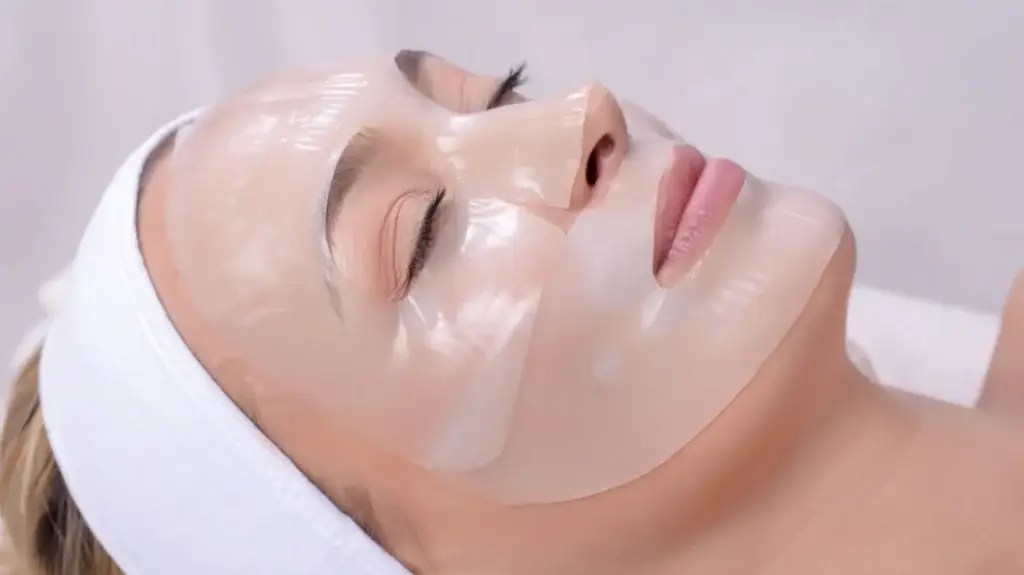
A hydrogel mask is a gel-based mask format that feels more like a flexible, skin-hugging patch than a traditional fabric sheet. When I say “gel-based,” I mean the mask itself has a soft, jelly-like structure, which is why it tends to look and feel thicker and more substantial the moment you take it out of the packaging. A lot of customers describe the first touch as smooth, slightly cool, and almost “wet but not dripping,” and this difference matters because it sets expectations immediately. Unlike many sheet masks that are fully soaked and sometimes messy, hydrogel masks often feel more controlled. They still deliver hydration and active ingredients, but the experience is usually cleaner, calmer, and more treatment-like.
What makes hydrogel masks especially recognizable is their strong adhesion. On the face, hydrogel tends to cling better, which gives customers the feeling that the mask is “locking in” moisture instead of simply sitting on top. This is a huge part of why hydrogel masks are often positioned as premium care, special treatment, or high-performance skincare. Even when a consumer doesn’t know anything about ingredients, they can still feel the difference in how the mask sits, how it moves, and how it cools the skin. That sensory proof becomes a form of trust, and in private label branding, sensory proof often sells better than complicated ingredient explanations.
From a product development perspective, I also see hydrogel masks being used by brands that want to signal sophistication without relying solely on trendy actives. If you are launching into a crowded market, it’s difficult to win by claiming “hydration” alone. Many brands can say that. But when the format itself feels premium, you start building differentiation at the experience level, which is harder for competitors to copy quickly. That’s why hydrogel masks are not just a product type, they are often a positioning tool for brands that want to enter a higher price tier or create a hero product that stands out visually and emotionally.
Why Hydrogel Masks Feel More Premium
Hydrogel masks feel more premium because they deliver a stronger “quality signal” in multiple ways at the same time, and I’ve seen this play out repeatedly in customer feedback and repurchase behavior. The first factor is fit. Many hydrogel masks contour the face more naturally because the material is heavier and smoother, so it doesn’t float or wrinkle as easily as thin sheet materials. When a mask fits well, customers subconsciously interpret that as higher quality. They feel like the product was designed properly, and that design quality is a big part of why people are willing to pay more.
The second factor is weight and stability. Hydrogel masks often have a noticeable weight when you hold them, and that weight can sound like a small detail, but it directly impacts perceived value. In beauty products, people often associate “substantial” with “premium,” and hydrogel masks usually feel substantial. On the face, that translates into less slipping, less adjustment, and a more relaxing wear time. This matters because for many consumers, masks are not just skincare—they are a self-care moment. If the mask keeps sliding down while someone is trying to relax, the experience becomes frustrating, and frustration quickly turns into negative reviews. Hydrogel masks often reduce that friction.
The third factor is the spa-like sensory experience. The cooling sensation is one of the most talked-about benefits of hydrogel masks, and I always pay attention to this because it creates immediate satisfaction. Customers may not be able to judge long-term collagen improvement after one use, but they can absolutely feel cooling, comfort, and hydration instantly. That instant feeling becomes a “proof point” that the product is working. In marketing terms, it gives your customers something tangible to describe, and that makes word-of-mouth much stronger. When people can say “this mask feels so cooling and comforting,” they are more likely to recommend it, even without technical language.
Another reason hydrogel masks look more premium is how they perform in unboxing and content creation. In e-commerce, a product must look good in real-life lighting, in short videos, and in quick photos. Hydrogel masks tend to look glossy, smooth, and expensive, and that makes them easier to feature in ads, product detail pages, and influencer-style UGC. If you are selling online, the mask’s visuals become a direct part of conversion. I’ve seen brands struggle with sheet mask visuals because fabric-based masks sometimes look too similar from brand to brand, and it’s hard to make them stand out unless you invest heavily in packaging design and branding. Hydrogel masks often have an advantage because the product itself already feels visually “premium,” which helps your creative strategy feel stronger with less effort.
Finally, hydrogel masks often feel more premium because customers treat them differently. A sheet mask can be seen as routine, daily, or normal. Hydrogel masks are often seen as “special.” That simple psychological difference changes how customers justify the purchase. A customer may hesitate to spend more on something they see as a daily item, but they are usually more comfortable spending more on something they see as an occasional upgrade. That is why hydrogel masks often fit better for premium pricing and gifting, and why they can perform well as a flagship SKU in private label brand building.
Best Use Cases for Hydrogel Masks
In my experience, hydrogel masks work best when your brand wants to create an instant, noticeable experience that customers can feel and remember. One of the strongest use cases is cooling and soothing after sun exposure or environmental stress. If your customers experience redness, heat, dryness, or discomfort after being outside, a hydrogel mask can create a strong immediate impression because the cooling sensation matches what the skin “wants” in that moment. Even if the formula is similar to a sheet mask, the hydrogel format makes the product feel more effective because the user experience supports the promise. This is extremely valuable for private label brands, because it reduces the gap between marketing claims and customer perception.
Hydrogel masks are also very effective for hydration and barrier comfort, especially when your positioning is built around sensitive skin, dryness, or recovery. I often recommend hydrogel masks for brands that want to speak to consumers who are tired of aggressive skincare trends and want something gentle and stable. These customers usually care more about comfort and consistency than harsh “quick results,” and hydrogel masks can support that story beautifully. The format naturally feels soft and protective, so it pairs well with calming product messages. It also fits the idea of “skin recovery” because the mask experience is not intense—it feels supportive.
Another major use case is glow-up and event-ready skincare. This is a category that sells extremely well in e-commerce because the intent is high and the purchase decision is emotional. People buy for weddings, parties, big meetings, travel, or simply when they want to look better fast. Hydrogel masks fit this use case because they feel more like a treatment than a routine. When customers use a hydrogel mask before makeup or before going out, they often report that their skin feels smoother, fresher, and more hydrated, which makes them feel confident. Confidence is a powerful conversion driver, and products associated with “special moments” tend to get better reviews and stronger repurchase patterns than products positioned as generic daily care.
Hydrogel masks can also be a strong match for premium brand strategies where the goal is not just to sell one product, but to elevate the brand’s overall perception. If your first hero SKU feels expensive and memorable, it raises the perceived value of your entire product line, including future serums, creams, or cleansers. I’ve watched brands use hydrogel masks as their “attention product,” and then introduce sheet masks or routine products as the repeat purchase foundation afterward. This sequencing can be very effective, because hydrogel masks attract customers with a premium experience, and then the brand can build long-term revenue through follow-up SKUs that are easier to scale.
Most importantly, hydrogel masks are a great option when your brand needs differentiation without risky innovation. Many founders want to stand out, but they don’t want to gamble on extreme actives, complicated claims, or unstable formulations. Hydrogel masks allow you to stand out through format and experience first, which is a safer path for long-term brand scaling. You can still develop a strong formula, but the format itself already gives you an advantage in perceived value, content creation, and customer satisfaction. And in private label, those three factors often matter just as much as the ingredient list when you are trying to grow from your first order into a real brand.

Sheet Masks Explained in Simple Terms
Sheet masks are one of the most underestimated products in private label skincare. Because they’ve been on the market for so long, some founders assume they are “too common” to build a strong brand around. But when I look at real consumer behavior and real sales data across different channels, sheet masks continue to be one of the most stable and repeatable categories in skincare. They are familiar, they are easy to use, and they fit naturally into how people actually take care of their skin. In private label, that matters a lot, because a product that customers understand immediately is a product that sells with less explanation, fewer objections, and faster decision-making. Sheet masks may not always create the same premium “wow moment” as hydrogel masks, but they create something equally valuable for many brands: predictable volume and consistent repurchase.
What a Sheet Mask Is
A sheet mask is a pre-cut fiber sheet that is fully soaked in an essence serum and sealed inside a pouch to keep it fresh until the moment the customer opens it. If I want to explain it in the simplest way possible, I call it a “wearable serum.” Instead of applying serum with your hands, you place the sheet on your face and let it sit for a set period of time so the skin can absorb hydration and active ingredients more gradually. This makes sheet masks feel effortless for the user, because the product does the work while they relax, scroll their phone, or watch a short video.
The sheet itself is not just a piece of fabric. It is the delivery system that controls the overall experience. A good sheet mask needs to hold enough essence, stay reasonably attached to the skin, and feel comfortable across the face without pulling or drying out too quickly. When people say they “love” a sheet mask, they usually mean the mask fit well, felt soothing, and left the skin plump and refreshed afterward. When they dislike it, it is often because the sheet was uncomfortable, the essence felt sticky, or the mask didn’t sit properly on the nose and chin area. That is why, in private label development, the sheet material and the serum texture need to be planned together, not treated as separate decisions.
Sheet masks are also what I call the classic daily-care format, because they match the way consumers think about “doing skincare consistently.” A hydrogel mask may feel like a special treatment, but sheet masks feel like a routine tool. The average customer already has a mental model for sheet masks: use them when the skin feels dry, use them before makeup, use them during a weekly reset, or keep a pack in the fridge for comfort. This built-in familiarity reduces the education cost for new brands, which can be a huge advantage when you are launching your first SKU or trying to scale quickly.
Why Sheet Masks Are Still Best-Sellers
Sheet masks are still best-sellers because they are one of the easiest skincare products for customers to buy without hesitation. Most customers don’t need to “study” a sheet mask before trying it. They already know what to expect, and that expectation makes the purchase decision smoother. For private label brands, this is one of the strongest business advantages you can have, because many new brands struggle not because their formulas are bad, but because customers feel uncertain. Uncertainty kills conversions. Familiar formats reduce uncertainty.
Another reason sheet masks continue to dominate is that they can be priced in a very flexible way, and that flexibility helps brands fit different channels without changing the product category. I’ve seen sheet masks work at entry-level pricing where the goal is mass purchase, and I’ve also seen sheet masks work at premium pricing where the brand uses upgraded sheet materials, a more elegant essence texture, and elevated packaging design to justify a higher value. The format itself doesn’t force you into a cheap market or a premium market. The brand controls that through positioning, product details, and customer experience. This is important because many founders assume hydrogel equals premium and sheet equals low-end, but that’s not always true. A well-developed sheet mask can still feel luxurious when the texture is clean, the fit is comfortable, and the after-feel is refined.
From an e-commerce perspective, sheet masks are also naturally built for bundles, subscriptions, and repeat orders, which is why I often call them a “reorder engine” for many private label businesses. Customers are willing to buy multiple sheet masks at once because they are consumable, easy to store, and easy to share. They don’t feel like a complicated purchase. This is exactly what makes sheet masks so good for increasing average order value through sets and bundles. They are also ideal for subscription models because customers use them regularly, run out naturally, and reorder without feeling like they’re overbuying. When you compare this behavior to many premium skincare items that take months to finish, sheet masks can generate faster repeat purchase cycles, which improves cashflow and customer lifetime value.
Sheet masks also support brand growth because they create simple content opportunities and easy customer education. A customer doesn’t need a tutorial to understand how to use a sheet mask, so your marketing can focus more on benefits and positioning rather than instructions. This makes it easier to build product pages, ads, and short-form content without overwhelming the audience. In many cases, the best-performing sheet mask content is not complex at all. It’s about skin mood, hydration comfort, glow before makeup, or a weekly reset ritual. These messages are universal, and that universality gives sheet masks long-term commercial power.
Best Use Cases for Sheet Masks
In my experience, the best use case for sheet masks is daily or routine hydration support, especially for customers who want consistent skin comfort without making skincare feel like a complex project. Hydration is not a “one-time fix” for most people. It’s maintenance. Sheet masks match that reality because they’re easy to use regularly and easy to include in a weekly routine. This is one of the reasons sheet masks often perform better than more premium formats when a brand wants long-term repeat purchase. If your target customer is busy, practical, and routine-driven, sheet masks often become a natural fit because they deliver that quick skin refresh without demanding extra effort.
Sheet masks also perform extremely well for brightening and tone-support positioning, especially when the brand’s promise is gradual improvement rather than instant transformation. Brightening is often misunderstood as a dramatic overnight change, but for most consumers, brightening means looking more awake, more even, and less dull over time. Sheet masks support that concept because they encourage repeat use. When customers use a brightening sheet mask several times per week, the experience becomes part of their routine, and the routine becomes the result. This is one of the most powerful things you can build as a private label brand, because consistent routines create stronger attachment to the product and make it harder for competitors to steal your customers with a single discount.
Another strong use case is building a routine-friendly product that supports repeat purchase without high decision pressure. Many customers hesitate to repurchase expensive treatment-style products too frequently because it feels like over-spending. But sheet masks feel practical. Customers can justify them more easily because they are consumed quickly and used regularly. That psychological comfort is not a minor detail. It directly impacts reorder behavior. If your private label brand relies on long-term revenue growth, you need products that customers can repurchase without friction. Sheet masks often provide that because they feel like an everyday self-care habit rather than a luxury indulgence.
Sheet masks are also a smart choice when you want to create a strong entry product that attracts new customers into your brand ecosystem. A first-time buyer may not be ready to spend on a full skincare routine from a brand they don’t know yet, but they might try a sheet mask because it feels low risk. If the experience is good, it becomes a gateway product that creates trust. Once the customer trusts the brand, it becomes easier to introduce them to higher-value SKUs such as serums, creams, or even premium hydrogel masks later. That is why I often recommend sheet masks as the foundation for brands that want to grow steadily and build a stable customer base first, rather than trying to win only through premium positioning from day one.
For private label brands, sheet masks are not the “cheap option.” They are the scalable option. When developed correctly, they become a product category that supports consistent sales volume, repeat purchase, and long-term stability. And in my opinion, stability is one of the most underrated growth advantages in skincare, because the brands that last are not always the ones with the most trendy products. They are the ones that build predictable systems, and sheet masks are one of the strongest systems you can build.
Hydrogel vs Sheet Mask Key Differences That Affect Your Business
This is the part of the article where I like to slow things down, because most private label founders don’t need another generic comparison. They need the real differences that show up after you launch, when you’re dealing with customer reviews, repeat orders, packaging failures, cashflow pressure, and the reality of scaling production. I’ve worked with brands that succeeded with hydrogel masks and brands that succeeded with sheet masks, and the biggest lesson I’ve learned is that the “best format” is never universal. The best format is the one that matches your channel, your pricing strategy, your marketing style, and your ability to reorder smoothly without breaking your supply chain. If you choose wisely, the mask becomes a growth engine. If you choose blindly, the mask becomes a silent problem you keep paying for in refunds, slow inventory movement, or missed launch windows.
Skin Feel and User Experience
The customer experience starts the moment someone opens the pouch, not when they finish the full box. That’s why skin feel and usability matter so much in masks. Hydrogel masks usually feel thicker, heavier, and more structured, and that structure tends to create better adhesion and a more noticeable cooling sensation. When customers apply hydrogel, many of them immediately feel that “this is premium” because it sits on the skin like a treatment layer rather than a thin fabric sheet. The fit also tends to feel more stable, especially on the cheeks and forehead, which reduces the small frustrations that often lead to negative comments. If a customer can put the mask on and forget about it for 15 minutes, the experience becomes relaxing, and relaxation is a big part of what customers are actually buying when they purchase masks.
Sheet masks deliver a different kind of comfort. They are lighter and often feel more natural for daily use, but their experience can vary more depending on the sheet material, the cutting shape, and how saturated the essence is. A well-designed sheet mask feels soft, evenly soaked, and easy to smooth out across the face, but a poorly designed one can slide, wrinkle, or feel messy. I’ve seen sheet masks receive average reviews even when the formula is good simply because the mask didn’t fit well around the nose or chin, or the essence dripped into the hairline. These are small details, but customers remember them. In online reviews, they rarely describe it as a “fit issue.” They describe it as “awkward,” “annoying,” or “not worth it,” and those words directly affect conversion for future buyers.
What brands often underestimate is how strongly first impressions influence review quality. A customer may not be able to judge long-term brightening after one use, but they can judge the comfort, the scent, the stickiness, and whether the mask stays in place. Hydrogel masks often make it easier to win the first impression because the experience feels more controlled and premium. Sheet masks can absolutely win too, but they need stronger attention to material choice and serum texture so the experience feels refined rather than generic.
Perceived Value and Price Positioning
Perceived value is where hydrogel masks often shine, and I say that as someone who has seen both formats perform across different price tiers. Hydrogel masks tend to support premium pricing more naturally because the consumer can feel the difference even without reading the product page. The mask feels thicker, smoother, and often more cooling, and those sensory cues create a luxury perception. When customers feel that a product gives them a “treatment moment,” they become more tolerant of a higher price. They may still compare options, but they don’t feel like they’re paying more for nothing. The experience itself becomes the justification.
With sheet masks, premium positioning is possible, but it requires more intentional design decisions. Many customers have used sheet masks for years, so they come into the experience with a mental price expectation. If your sheet mask is priced higher, customers want a clear reason. Sometimes that reason is a better sheet material, sometimes it is a richer and less sticky essence, and sometimes it is the way the mask performs before makeup or during travel. But the brand must communicate the value clearly, because the format itself does not automatically signal premium the way hydrogel does.
This is why I always connect format choice to retail pricing strategy. If your plan is to compete in a mid-to-premium range, hydrogel masks often make it easier to defend the price with fewer objections. If your plan is to build a high-volume product that can be bundled, discounted during campaigns, or used in subscription models, sheet masks often make more sense because they allow more flexible pricing without breaking the customer’s expectations. In practice, sheet masks are often the better choice for predictable repeat purchase, while hydrogel masks are often the better choice for high perceived value and premium storytelling.
Marketing and Content Performance
In modern skincare, your mask format is part of your marketing strategy whether you like it or not. I’ve worked with e-commerce sellers who had great products but weak visuals, and their ads struggled because the customer could not “feel” the difference through the screen. Hydrogel masks often solve that problem more easily because they look premium in photos and videos. The glossy texture, the thickness, and the way it sits on the face create strong visual impact. Even a simple clip of someone applying a hydrogel mask can look like a spa treatment at home, and that impression makes it easier to stop scrolling and capture attention in short-form content.
Hydrogel masks also support what I call “instant experience marketing.” Customers don’t need to wait for 30 days to believe something is happening, because the cooling and adherence create immediate satisfaction. That immediate satisfaction is perfect for TikTok-style creative where the viewer wants a quick emotional payoff. It also helps influencers and creators because they don’t need complicated scripts. They can simply show the product, apply it, react to the cooling feel, and the content already looks premium.
Sheet masks perform differently in content, but they can be extremely powerful when the message is routine-based and relatable. Sheet masks are easy to show in morning routines, night routines, travel skincare, and weekly reset videos. They work well for UGC because the format feels familiar and effortless. But visually, sheet masks can look similar from brand to brand, so differentiation often depends more on packaging design, the serum texture, the mask shape, and the story behind the product. If your brand wants scalable content creation across many creators, sheet masks can actually be easier because people are comfortable using them on camera. Hydrogel masks can be more premium visually, but sheet masks can be more scalable for everyday content.
Packaging Performance and Risk Control
If you sell online, packaging is not a secondary detail. It is part of your product performance, and I’ve seen packaging failures destroy otherwise great mask projects. Both hydrogel and sheet masks are liquid-rich products, so pouch quality and sealing stability are critical. When a pouch leaks during shipping, customers don’t see it as “a packaging issue.” They see it as a poor-quality brand, and that perception leads to refunds and low-star reviews quickly. On Amazon, one wave of leakage complaints can damage listing momentum and reduce trust for months.
Hydrogel masks sometimes feel cleaner during use, but that does not automatically mean lower risk. Hydrogel packaging still depends on the pouch material, seal strength, and how the product handles temperature changes in transit. If the brand chooses thin pouches or pushes too aggressively on cost savings, the risk increases. Some brands also underestimate how important the outer packaging is, especially if they sell boxed sets. A premium hydrogel mask needs premium packaging behavior, because customers who pay more expect a perfect unboxing experience.
Sheet masks can have higher leakage risk when the essence is very watery or when the fill volume is high. The problem is that consumers often judge a sheet mask by how “wet” it looks in the pouch, but too much free-flowing essence increases shipping mess and makes the opening experience sticky. Another common complaint for sheet masks is tearing. If the sheet is too thin or the die-cut shape is not optimized, the mask may tear during unfolding. Customers interpret tearing as cheapness, even if the serum is good. That’s why, from a risk control perspective, I always tell brands that packaging durability and material selection are more important than chasing the lowest unit price. Every refund and every three-star review costs more than the cents you saved on the pouch.
Lead Time and Production Planning
Lead time is one of the biggest real-world differences between hydrogel masks and sheet masks, and it affects how fast your brand can respond to the market. Sheet masks are often easier to develop and reorder because the production process is more standardized. Once you confirm the essence formula and the sheet material, repeat production becomes much more predictable. This is why sheet masks are often the best format for fast-reorder SKUs, bundles, and seasonal campaigns. If you are an e-commerce seller who relies on consistent inventory and frequent replenishment, sheet masks can support that pace more comfortably.
Hydrogel masks can require more planning time, especially when the brand wants customization that supports differentiation. Color design is a big part of this. Many hydrogel projects want a signature look such as translucent gold, soft pink, deep blue, or milky white, and those choices influence development. The hydrogel base and the overall aesthetic need to be stable and repeatable. Hydrogel masks also tend to be treated as a hero product, which means brands often invest more time into perfecting the experience before launch. That development effort can be worthwhile, but it requires patience and a realistic project timeline.
From a scaling perspective, I always ask brands to think about reorder rhythm. A product that sells fast is only valuable if you can keep it in stock. Sheet masks often support faster reorders. Hydrogel masks can still scale, but the brand needs stronger forecasting and earlier reorder planning to avoid stock gaps. If you’re building a brand around fast-moving trends, the operational speed of sheet masks can be an advantage. If you’re building around premium positioning and long-term differentiation, hydrogel’s marketing strength can justify the extra planning.
Compliance and Labeling Considerations
Compliance is not exciting, but it is one of the most important parts of private label growth, and I always take it seriously because I’ve seen what happens when brands ignore it. No matter which mask format you choose, you need correct INCI labeling, proper manufacturing documentation, and realistic cosmetic claims. The reason is simple: compliance protects your brand’s ability to scale. You can sometimes sell without perfect compliance in the short term, but you cannot grow a serious brand without building a compliance foundation.
The biggest risk area I see in masks is claims language, especially when brands try to sound medical or professional. Words like “repair,” “healing,” “anti-inflammatory,” or “post-treatment” can easily create regulatory risk depending on how the product is positioned and which market you sell into. Many brands want to sell calming and barrier support, and that is absolutely possible, but the wording must stay within cosmetic boundaries. Hydrogel masks can sometimes increase this risk because they feel like a treatment, and brands become tempted to write stronger claims to match the experience. That’s why I encourage brands to build strong product logic and safe messaging rather than pushing medical-like language that can backfire later.
In practice, brands should prepare the same core documents no matter the format, including clear ingredient lists, basic product specifications, and quality-related support documents when needed. Good label review and compliant wording are also part of brand protection, not just a technical requirement. And I always say this clearly because it’s the truth: compliance is not optional if you want long-term brand scaling.
MOQ Reality and What It Means for Your Launch Strategy
MOQ is where the business side becomes very real very quickly, because it decides whether your product idea is a launch-ready plan or just a concept. Hydrogel masks usually require a much higher MOQ, often starting at around 50,000 pieces, and the reason is not that manufacturers want to make it difficult. The reason is that hydrogel production is more custom-driven. Hydrogel masks are often developed with a specific visual identity, such as a certain color, translucency, or texture. That development process is not something that can be easily reused across many small projects, because each brand’s hydrogel aesthetic is part of the product’s differentiation. The production setup and material preparation require volume to make the project economically and technically feasible.
This higher MOQ is also why hydrogel masks tend to have stronger marketing power. If you are investing in 50,000 pieces, you are not usually trying to test a random idea. You are building a hero product that you plan to scale through strong visuals, premium pricing, and content performance. Hydrogel masks can become signature products because they look different and feel different. That difference gives brands a clearer story to tell, a stronger “premium moment,” and a format that is harder for small competitors to copy at low volume. In many cases, brands accept the higher MOQ because they see the marketing advantage as part of the business model.
Sheet masks typically start at a lower MOQ, often around 10,000 pieces, because the production process is more standardized and easier to run at smaller scale. Sheet masks are usually made by selecting an existing sheet material and cutting it using a mold to achieve the right shape. The development focus is on choosing the best sheet material for the target experience and building the essence formula that supports the intended benefit. This allows brands to launch faster with less inventory pressure. For many private label founders, especially those testing a first SKU, sheet masks are operationally safer because the MOQ is more accessible and repeat production cycles are easier to plan.
When I advise brands, I always connect MOQ back to sales channel logic. If you are an Amazon seller or a DTC brand that wants rapid testing, fast bundles, and repeat orders, sheet masks often give you the flexibility you need. If you are building a premium mask with strong content performance and you have the budget and channel confidence to support a larger volume, hydrogel masks can become a powerful hero SKU. The real key is not choosing the format that sounds “better,” but choosing the format that matches your launch plan, your cashflow reality, and your ability to reorder smoothly once the product starts selling.
How to Choose the Right Mask Type Based on Your Brand Model
When I help a private label founder choose between hydrogel masks and sheet masks, I never treat it as a “which one is better” debate. I treat it as a business-model decision, because the right format depends on how you sell, how fast you need to move, and what kind of customer feedback can either accelerate your growth or destroy your momentum. I’ve seen brands launch a beautiful hydrogel mask and struggle because the reorder cycle didn’t match their cashflow. I’ve also seen brands launch a well-priced sheet mask and scale quickly because the format supported repeat purchase, easy bundling, and predictable production. In my opinion, the smartest brands choose the mask format that makes their daily operations easier, protects their review profile, and supports the long-term story they want to build in the market. Once the format fits the brand model, the rest of the project becomes smoother, including sampling, pricing, packaging, and content creation.
If You Are an Amazon FBA Seller
If you sell on Amazon, I want you to think like a system operator, not only a marketer. Amazon rewards consistency and punishes friction, and masks can create friction faster than many sellers expect. The biggest danger on Amazon is not simply “low conversion,” because conversion can be improved with better images, better keywords, and more ad spend. The bigger danger is a growing pattern of customer complaints that slowly damages your listing health. When you sell masks, customers are extremely sensitive to the unboxing experience. If a pouch leaks, if the essence feels messy, if the mask tears while unfolding, or if the product looks cheap compared to expectations, customers don’t politely say it was “okay.” They leave 2–3 star reviews that drag down your rating and create long-term resistance for future buyers.
That is why I tell Amazon sellers to prioritize the mask format that generates fewer shipping complaints and fewer reasons for negative feedback. In Amazon reality, comfort and ease-of-use are review protectors. A mask that fits well, stays in place, and feels clean to apply usually earns more forgiving reviews even if results are subtle. On the other hand, a mask that slides, drips, or feels inconvenient triggers complaints even if the formula is good. If you are deciding between hydrogel and sheet, the key question becomes how easily you can control the full experience at scale, including pouch quality, sealing stability, and the after-feel customers will remember.
When I recommend a mask strategy for Amazon, I focus on what I call “review safety.” I want a best-seller-safe formula direction that delivers clear hydration, comfort, and a pleasant skin finish, because Amazon buyers often buy with practical expectations. They want to feel refreshed and moisturized, not overwhelmed by complicated ingredient marketing. At the same time, I want a strong packaging setup that survives fulfillment. This includes pouch thickness, sealing performance, and a design that feels professional even after long-distance shipping. On Amazon, every packaging failure is a cost, because it becomes both a refund and a negative review. That is why I encourage Amazon sellers to choose the format they can execute reliably at scale, not the format that sounds most premium on paper.
If You Run a Shopify DTC Brand
If you run a Shopify DTC brand, your mask choice should support storytelling, brand emotion, and long-term customer value, because DTC success is rarely about a single product. In DTC, you are building a relationship, and that relationship depends on how your customer feels when they receive your package, how the product fits into their lifestyle, and whether the experience matches the identity your brand promises. This is where hydrogel masks can become a powerful tool, because they naturally feel like premium self-care. If your brand is positioned as elevated, aesthetic, and experience-driven, hydrogel masks can work as a signature product that makes customers instantly understand your value.
When I think about DTC, I also think about the role a mask plays inside a product ecosystem. Some brands want the mask to be a hero product, and others want it to be a supporting product that increases reorder frequency and average order value. This is where the hydrogel versus sheet decision becomes strategic. Hydrogel masks often work better as a hero add-on because they feel special, look premium, and are easy to position as a “treatment moment.” They create an emotional reason to buy. They also photograph beautifully, which supports high-end branding and paid social content. Sheet masks often work better for routine and scale, because customers treat them as a repeatable habit rather than a luxury moment. If your DTC strategy includes multi-packs, refill behavior, or subscription-style ordering, sheet masks often make the business model smoother.
I also pay attention to how bundles work in DTC. A mask can be used as an upsell that makes the cart feel more complete, especially when the mask positioning matches the main product benefits. If your brand sells barrier support products, a calming mask can increase customer confidence. If your brand sells brightening products, a tone-support mask can strengthen the story. The format should match how frequently you want customers to use it. Hydrogel masks often feel like a weekly or special occasion upgrade, while sheet masks often feel like a daily or regular ritual. When the usage frequency matches the selling model, your retention improves, your reorder rate becomes more predictable, and your brand becomes easier to scale with less pressure on constant new customer acquisition.
If You Sell Through TikTok Shop
TikTok Shop is one of the clearest examples of how product format can directly influence sales performance, because TikTok is an experience-first channel. Customers buy what looks satisfying, what feels emotionally rewarding, and what delivers a story in seconds. On TikTok, a mask is not only a skincare item. It is content. It must stop the scroll, create curiosity, and show value quickly. This is why I often recommend hydrogel masks for TikTok-first brands, because hydrogel masks naturally look premium on camera. The texture is more visual, the application feels more “treatment-like,” and the cooling sensation gives creators an instant reaction that feels authentic.
In TikTok content, the customer is not only buying the promise of better skin. They are buying the feeling of the product. They want the experience, and then they want the result. Hydrogel masks are strong in this environment because the experience is easy to demonstrate without complicated explanation. A creator can show the mask, apply it, talk about the cooling comfort, and the viewer can imagine the product immediately. That imagination is what converts. Hydrogel masks also tend to create stronger unboxing moments, which is important because TikTok is full of “first impression” product tests where packaging quality becomes part of the verdict.
At the same time, I always remind TikTok sellers that content success can create operational stress. A product can sell faster than you can restock, and stockouts can destroy momentum. This is where sheet masks become an important strategic tool. Sheet masks are often easier to scale in volume, easier to bundle, and easier to reorder on a predictable timeline. If your brand gets traction and you need consistent inventory, sheet masks can protect your supply chain. Many TikTok brands do best when they combine both approaches: a hydrogel mask as a high-impact hero for content performance, and a sheet mask line as a scalable foundation once demand is validated. In my experience, this combination respects the real TikTok game, which is winning attention quickly while still building a stable business behind the scenes.
If You Are a Clinic Owner
If you are a clinic owner, your decision should prioritize safety and trust, because your clients connect every product experience back to your professional reputation. Clinics are not like e-commerce stores where customers are used to experimenting and forgiving minor issues. In clinics, a single complaint can damage the client relationship, because clients expect professional-level standards. When I advise clinic owners, I always focus on gentle skin comfort, barrier support, and an experience that feels controlled and reliable. The mask format must feel safe, soothing, and professional from the moment the client touches it.
Hydrogel masks can be an excellent fit for clinics because they often create a stronger calming and cooling experience. Many clinic clients love the way hydrogel masks adhere to the face, because it feels more secure and treatment-like. That treatment feeling supports the clinic’s authority, and it helps clients believe the product belongs in a professional environment. However, I also see many clinic programs succeed with sheet masks, especially when the sheet material is upgraded and the essence texture is refined. The key for sheet masks in clinics is comfort and cleanliness. If the sheet mask feels too watery, too sticky, or too similar to cheap retail products, it becomes harder to justify clinic pricing and harder to maintain trust.
Packaging is also a big deal in clinics because the product must look professional in real life, not only on a website. A clinic owner wants a mask pouch that looks clean, minimal, and credible. Clients need to feel that the product is safe and designed with care. This is why clinic-style packaging often works best, with a design language that feels medical-inspired but still cosmetic-compliant. When the format, formula logic, and packaging style align, clinics can build a repeat-purchase system where clients repurchase masks as part of ongoing maintenance. In my opinion, this is the real clinic opportunity: building a product that supports ongoing skin stability and repeat revenue, not just a one-time upsell.
If You Are a Distributor or Retail Buyer
If you are a distributor or retail buyer, you probably care less about what is trendy and more about what will move consistently with stable margins. This is a mindset I respect because it forces the product decision to stay grounded in real market behavior. Distributors need stable supply, clear cost structure, and products that can be reordered without operational drama. If a product is hard to reorder, inconsistent in quality, or difficult to explain at the shelf level, it becomes a slow-moving SKU that wastes shelf space and cashflow.
That is why I often recommend distributors start with ready-to-label sheet masks first. Sheet masks are easy for customers to understand and easy for stores to sell. They can be priced competitively, positioned clearly, and replenished predictably. For retail, the goal is usually to build a stable mask lineup that covers broad needs such as hydration, brightening, and calming, and sheet masks are a very efficient way to do that. They also make it easier to test demand without committing to an extremely high MOQ upfront. Once the sheet mask program proves steady sell-through and stable reorders, the distributor can introduce premium hydrogel masks as an upgrade or premium tier expansion.
Hydrogel masks can be a strong second step for distributors because they help raise the category value and give stores a premium option that supports higher price points. But I rarely recommend hydrogel as the first move in a distributor program unless the buyer already has a clear premium channel strategy and the sales volume to match the higher MOQ. Distributors win through stability, and stability comes from formats that are easy to reorder, easy to price, and easy to move in volume. When you start with a stable base and then upgrade with premium options, you build a mask portfolio that can grow without putting too much pressure on any single SKU.
Common Mistakes Private Label Brands Make When Choosing Masks
When I look back at the private label mask projects I’ve worked on, the most expensive mistakes rarely come from bad intentions. They come from oversimplifying the category. Face masks feel like an “easy win” because they are lightweight, they look visually attractive, and customers already understand the concept. Many founders assume masks are lower risk than serums or creams, because masks are single-use and the commitment seems small. But in reality, masks can be one of the fastest ways to either earn trust or lose it, because the customer experience is immediate. A customer can tell in the first minute whether a mask feels comfortable, whether the essence is messy, whether it looks premium, and whether the after-feel is pleasant. That first impression often becomes a review, and reviews become your brand reputation. That is why I take mask-format decisions seriously, and that is also why I want to share the mistakes I see most often, so you can avoid paying for them later in refunds, slow sell-through, or a product that never truly scales.
Choosing What Looks Premium Instead of What Fits Your Sales Channel
One of the biggest mistakes I see is founders choosing a mask format based on what looks premium rather than what actually fits their channel and customer behavior. Hydrogel masks often look more luxurious at first glance, so brands naturally feel attracted to them, especially if they want a premium aesthetic. I understand that instinct, because in skincare, premium visuals matter. But premium visuals do not automatically translate to higher sales, especially if the channel does not reward that kind of positioning. If you are selling on Amazon, a premium-looking hydrogel mask may still struggle if the price is too high for repeat purchase or if the packaging does not survive fulfillment. If you are running a subscription-based DTC model, a premium treatment-style product might not reorder as predictably as a routine-friendly sheet mask. And if you are selling through wholesale, a premium format with a high MOQ might not match the buyer’s risk tolerance.
What I’ve learned is that channels shape customer expectations. Amazon buyers are often more review-driven and risk-sensitive, TikTok buyers are more experience-driven and impulse-led, clinic clients are trust-driven, and distributors are margin-driven. If your mask format doesn’t match the way your customers buy, you end up forcing the market to accept a product that doesn’t naturally fit their habits. That is why I always tell founders to choose the mask format that makes the buying decision easier for the channel, not the format that simply looks best in a product photo.
Launching Too Many SKUs Before Validating Real Demand
Another mistake I see all the time is launching too many mask SKUs too early, especially when founders feel pressure to look like a “real brand” with a complete lineup. Masks make this temptation worse because it’s easy to imagine multiple variations. You can create a hydrating mask, a brightening mask, a soothing mask, an anti-aging mask, and a glow mask, and suddenly you have five products without changing the core format. On paper, that looks like a strong product line. In real business operations, it often becomes fragmented inventory that is harder to sell and harder to reorder.
What happens next is predictable. The brand’s marketing becomes unclear because the customer doesn’t know which one to pick. Ads become less efficient because the budget is split across multiple products that don’t have enough reviews to convert strongly. Packaging costs increase because you have to produce multiple designs. Sampling time expands because you are testing too many variations at once. And the founder ends up spending more time managing complexity than building momentum. I’ve seen brands stall for months because they launched too many versions without proving that one SKU can win. In my experience, one strong hero mask that earns real repeat purchase is more valuable than five average masks that sit in storage.
When I advise new brands, I prefer a simple approach. I want one mask with a clear positioning and a clear usage scenario, and I want that product to collect real feedback, real reviews, and real reorder behavior. Once demand is validated, adding a second SKU becomes strategic instead of chaotic. The worst feeling for founders is having inventory that looks beautiful but sells slowly, because slow selling turns into pricing pressure, and pricing pressure turns into brand damage.
Ignoring Compliance and Over-Promising Results
Compliance mistakes in masks are usually not dramatic at first. They start quietly, through messaging that sounds impressive but crosses into risky territory. I see this especially when brands want to use words like repair, healing, post-treatment, medical-grade, clinical recovery, or inflammatory skin solutions. I understand why brands want these claims, because customers respond emotionally to them, and hydrogel masks in particular can feel like a professional treatment. But the problem is that powerful language can create powerful consequences. Claims that sound too medical can trigger platform issues, customer complaint risks, and long-term brand vulnerability, especially when you scale into different markets.
Beyond regulation, over-promising also creates review problems. A customer may tolerate a product that is simple but honest. They do not tolerate a product that is marketed like a miracle but delivers only normal hydration. In my experience, masks win best when the brand promise is believable and the experience supports it. If you claim “instant repair” but the mask feels sticky, slides off, or leaves residue, the customer feels betrayed. That emotional reaction is what leads to harsh reviews like “scam” or “does nothing,” even if the mask was technically fine. This is why I always encourage founders to build credibility before building hype. A clear INCI label, realistic cosmetic claims, and the right supporting documents protect your brand as you grow.
I also tell founders a simple truth: compliance is not optional if you want long-term brand scaling. You can sometimes sell in small volume without perfect compliance, but once you want to scale across platforms and markets, compliance becomes the foundation that keeps your business stable.
Underestimating Packaging and Shipping Risks
Mask brands often underestimate packaging because they assume the pouch is “standard.” They treat the pouch as a simple container, not as part of the product itself. But from a customer’s perspective, the pouch is the first product experience. If the pouch feels cheap, the brand feels cheap. If the pouch leaks, the brand feels unreliable. If the pouch tears easily, the brand feels careless. I have seen amazing formulas get destroyed in the market simply because the packaging did not perform in shipping reality.
Packaging and shipping risks are especially dangerous in e-commerce because customers judge quickly and review publicly. A mask that arrives sticky or messy feels unacceptable, even if it still works. Customers don’t want to wipe their hands after opening a pouch. They want a clean, satisfying experience. The most common complaints I see are leakage during transit, weak seals, messy essence overflow, masks that stick to themselves and tear during unfolding, and packaging that looks damaged even though the product inside is still usable. These problems create refunds and low-star reviews, and they also create a psychological message that the brand is cutting corners.
For Amazon sellers, these issues can be fatal because negative reviews reduce conversion and increase ad costs. For Shopify brands, these issues break trust because customers associate packaging with brand care. For distributors, these issues reduce reorder confidence because retail buyers cannot afford inconsistent product presentation. The reason I push packaging planning so hard is because it is easier to prevent these problems at the beginning than to fix them after your product is already live in the market.
Focusing Only on Cost and Forgetting Perceived Value
Cost control matters in private label, but I’ve learned that brands become weak when they optimize cost while ignoring perceived value. Many founders calculate the unit cost carefully, which is good, but then they make decisions that remove the very elements customers are willing to pay for. They choose a cheaper sheet material that feels thin and rough. They choose an essence texture that feels watery and forgettable. They choose a minimal pouch that looks generic and fails to create brand recognition. They reduce too many details to save cents, and then they wonder why the product competes only on price.
What many founders don’t realize is that customers don’t buy the cheapest mask. They buy the mask that feels worth it. Perceived value is built from fit, texture, comfort, after-feel, scent experience, and packaging quality. Hydrogel masks can naturally carry higher perceived value because the format itself feels premium, but sheet masks can also feel premium when the experience is refined. The difference is that sheet masks require more intentional design decisions to feel elevated. When a brand gets those decisions right, customers feel the quality immediately, and quality leads to better reviews and better repurchase behavior.
From a business standpoint, perceived value protects margin. If customers feel the product is worth the price, you don’t have to rely on constant discounts to move inventory. I always tell founders that the goal is not to build the cheapest product possible. The goal is to build a product that supports healthy pricing, stable demand, and long-term repeat purchase.
Having No Clear Positioning Between Daily Routine and Special Treatment
One of the most overlooked mistakes is unclear positioning, and this mistake can make even a good mask fail. Customers need a simple understanding of what the mask is for. Is it meant to be used every day for hydration maintenance? Is it meant to be used once or twice a week as a glow treatment? Is it meant to be used after sun exposure? Is it meant to be used before makeup? When that usage identity is unclear, the customer may still try the mask, but they won’t know when to repurchase it. And if they don’t know when to repurchase, repurchase becomes random, which is bad for brand growth.
Hydrogel masks often perform best when positioned as special treatment, event prep, or premium comfort, because the experience feels like a higher-level care moment. Sheet masks often perform best when positioned as routine-friendly, repeatable, and easy to integrate into skincare habits. Problems happen when brands mix these messages without clarity. If you position a sheet mask like a luxury treatment but price it too low, it can confuse customers. If you position a hydrogel mask like a daily routine product but price it high, it can reduce reorder frequency. I’ve seen brands lose momentum simply because the customer couldn’t understand what role the mask played in their skincare life.
In my experience, the best mask launches feel simple and confident. The product format, the formula story, the packaging design, and the usage message all point in one direction. When everything aligns, the customer understands the product faster, trusts the brand faster, and repurchases faster. And that is the real goal of choosing the right mask type in private label: not just to launch, but to build a repeatable system that can scale.
Winning Product Positioning Ideas (What Actually Sells)
When I talk to private label founders about masks, I always notice the same pattern. Most people start the conversation by asking about ingredients, and only later do they start thinking about positioning. But the brands that sell consistently do the opposite. They decide what the product stands for first, and then they build the formula, packaging, and marketing around that decision. In a category as competitive as face masks, it’s rarely the ingredient list alone that makes a product win. What actually sells is clarity. Customers buy masks when they instantly understand what the mask does, when to use it, and why it feels worth their money. That clarity turns into higher conversion rates, better reviews, and more repurchase. And once a mask earns those three things, it becomes one of the easiest products to scale in a private label brand.
I also want to point out something that many founders underestimate. Masks are highly emotional products. People buy them when they feel tired, stressed, dry, dull, or insecure about how their skin looks. They are not always buying “skincare science.” They are buying a moment of comfort, a feeling of freshness, or a small upgrade to their day. This is why positioning matters so much. If you position a mask in a way that matches a real human moment, the customer feels understood, and the product becomes easier to sell at a healthy price. If the positioning is unclear or generic, the mask becomes just another option in a sea of similar products, and then you’re forced to compete on price or rely on heavy discounts.
Positioning Ideas for Hydrogel Masks
When I position hydrogel masks for private label brands, I almost always lean into the “premium experience” angle, because hydrogel naturally delivers an elevated feel on the skin. It’s thicker, more structured, and often more visually impressive, so the format itself already helps you communicate value. One of the most commercially reliable positioning strategies is the cooling glow mask. I like this concept because it combines two powerful selling triggers: an instant sensory experience and an instantly desirable result. Cooling is something the customer can feel immediately, which creates satisfaction even before the mask is removed. Glow is something the customer believes they want, especially before social events, camera moments, or simply when their skin looks tired. When hydrogel masks are positioned as cooling and glow-enhancing, they become easy to market because the story can be told in one short sentence. Customers understand that this is not a “basic routine mask.” It is a mask for quick improvement and visible freshness, and that makes them more willing to pay a premium price.
Barrier comfort is another hydrogel positioning idea that I consider extremely strong in today’s skincare market. Modern consumers are more aware of barrier health than ever, partly because many of them have damaged their skin through over-exfoliation, aggressive actives, or stressful lifestyles. When I position a hydrogel mask as a barrier comfort mask, I am not promising miracles. I’m giving the customer permission to slow down, calm their skin, and feel safe. Hydrogel supports this positioning naturally because the cooling sensation and strong adhesion feel soothing and protective. The customer often feels the mask “hugs” their skin, and that physical experience reinforces the barrier message without needing technical explanations. This positioning works particularly well for DTC brands that want to build long-term trust, and it also works well for clinic-related product lines where safety and comfort are part of the professional promise.
After-sun hydration is a positioning idea I recommend when a brand wants a seasonal marketing advantage or a lifestyle-driven story. The reason this sells is that the customer immediately understands the situation: sun exposure makes skin feel hot, tight, and uncomfortable. A hydrogel mask with an after-sun hydration story feels logical and satisfying. The hydrogel format matches that story because it feels cooling and refreshing, almost like a skin “reset.” This positioning can also perform very well in travel-related marketing, because customers often bring masks when they travel, especially when they fly or visit dry climates. When the product is positioned as after-sun or travel recovery hydration, it becomes easy for the customer to justify buying it even if they already own other masks. They’re buying it for a specific life moment, not just another skincare item.
Event prep is one of the highest-converting hydrogel positioning angles I’ve seen in premium markets, because it creates urgency and emotional motivation. When I position a hydrogel mask as an event prep mask, I’m telling customers that this is the product they use when they want their skin to look its best. That could be before a date, a wedding, a party, an important meeting, or a photo day. The beauty of event prep positioning is that it doesn’t rely on exaggerated claims. It relies on the idea of preparation and confidence. Customers already understand that skincare can improve how makeup sits and how smooth their skin looks. Hydrogel masks often deliver that plump, refreshed feeling that makes the customer feel more confident immediately. This positioning also supports strong gifting potential, because products tied to “special moments” feel like thoughtful self-care gifts rather than routine items.
Positioning Ideas for Sheet Masks
Sheet masks win in a different way, and when they are positioned correctly, they become one of the strongest revenue engines in private label skincare. I position sheet masks as routine-friendly products because that is how customers naturally use them. The daily hydration mask is the most stable positioning strategy, and it remains powerful because hydration is a universal need and sheet masks are an easy delivery format. When customers feel dryness, tightness, dullness, or fatigue, hydration is the first thing they want. A daily hydration sheet mask doesn’t create pressure. It feels simple, safe, and practical. Customers don’t need to believe in complex claims to buy it. They only need to believe it will make their skin feel better, and that belief is easy to support with the sheet mask experience. This positioning also makes repeat purchase very natural, because the customer understands they can use it regularly without overthinking.
Brightening routine is a positioning idea that works extremely well for sheet masks because brightening is one of those benefits that consumers expect to build over time, not overnight. When I position a sheet mask as a brightening routine mask, I’m framing it as a habit. I’m telling the customer that the value comes from repeated use, and that repeated use is exactly what sheet masks are good at. This positioning performs well in e-commerce because customers who buy brightening products often return for more if they feel the product fits into their week. They may use it every other day, or several times per week, and that rhythm creates repeat orders. From a brand-building perspective, brightening routine positioning is also helpful because it encourages customers to stay with the product long enough to feel results, which improves satisfaction and reduces impulsive negative reviews.
Calm and repair is a powerful positioning angle for sheet masks when your target audience wants comfort, stability, and gentle skincare support. The key is that the product experience must match the calming promise. If the essence is too watery and messy, the customer won’t feel calm. If the mask feels sticky or heavy, the customer may feel uncomfortable. In this positioning, I always focus on clean hydration comfort, a soft after-feel, and an experience that feels soothing from the first moment. Calm and repair is especially relevant for customers who experience redness, sensitivity, or stressed skin, and these customers tend to repurchase products that make them feel safe. For private label brands, that safety feeling is extremely valuable, because sensitive-skin customers often become loyal if the product consistently meets expectations.
Multi-pack bundle positioning is where sheet masks become truly commercial, especially for Amazon and DTC brands that want predictable reorder behavior. I’ve seen brands scale rapidly simply because their sheet mask was designed from the beginning as a bundle product rather than a single piece. Bundles make customers feel like they are getting better value, and they also make the brand’s economics healthier because you increase average order value and reduce the cost of shipping per unit. Sheet masks naturally support this because customers are comfortable buying multiple pieces at once. They don’t feel like they are buying too much. They feel like they are preparing for the week. When the brand positions the product as a bundle for routine use, it becomes easier to create subscription programs, seasonal gift sets, and repeat purchase incentives without changing the product itself. That is why sheet masks are often the most scalable format for long-term volume growth.
Good positioning also makes packaging design easier and improves ad conversion, and I consider this one of the most practical advantages for private label founders. When your positioning is clear, the packaging doesn’t need to communicate ten different things. It only needs to reinforce one message strongly. That leads to cleaner design, stronger shelf presence, and better brand recognition in photos. It also makes ads perform better because customers understand the product faster. In my experience, conversion improves when the customer’s brain doesn’t have to work hard to “decode” what a product is. When you position your mask clearly as cooling glow, barrier comfort, daily hydration, or brightening routine, you reduce confusion, increase trust, and make buying feel simple. And in e-commerce, making buying feel simple is often the difference between a product that sells occasionally and a product that becomes a consistent best-seller.
Private Label Development Checklist Before You Request a Quote
When someone reaches out to me for a private label mask quote, I always pay attention to one thing first: are they asking for a number, or are they building a product plan? Because a quote is not just a price tag. A quote is a reflection of your business model, your channel strategy, your packaging decisions, and your expected production scale. The brands that move fast and launch smoothly are usually the ones that come prepared with a few key decisions, even if they are still flexible on details. The brands that get stuck in long back-and-forth conversations are often missing the basics, which forces everyone to guess, and guessing is what slows down product development and increases risk.
I also want to be very honest about how private label manufacturing works. When you request a quote without context, the quote can only be a rough estimate. But when you give me clear inputs, I can build a quote that is accurate, actionable, and aligned with your pricing goals and timeline. More importantly, I can guide you to the right format choice, the right packaging setup, and a formula direction that actually fits your market. That is why I treat this checklist as a strategic shortcut. It helps you get a better quote, a faster sampling process, and a product plan that is much more likely to succeed after launch.
Target Market and Why It Changes Your Entire Development Path
The first detail I always ask for is your target market, because the moment you say “US,” “UK,” or “EU,” the project structure changes. Different markets come with different compliance expectations, different customer sensitivities, and different ways people interpret skincare claims. Even if the mask itself looks the same, the labeling language, the ingredient naming format, and the supporting documents can change depending on where you sell. If you plan to sell in the EU or UK, for example, you usually need to think more carefully about how you present claims, how you structure your product information, and what your customers expect in terms of transparency. If you plan to sell in the US, you may need to focus on clear cosmetic positioning and platform-friendly language, especially if you sell through Amazon or run paid ads.
This is why I always recommend deciding your primary market first, even if you want to expand later. A brand that knows its first market can make better choices on formula direction, labeling layout, and packaging wording from the beginning. It reduces the risk of redesigning everything after the product is already developed, which is one of the most common reasons launches get delayed. When you tell me your market upfront, I can also help you avoid “claim mismatch,” which happens when a brand writes marketing language that sounds good but creates unnecessary risk in that specific region.
Sales Channel and How It Determines Your Mask Format Strategy
The second detail I need is your sales channel, because the same mask can succeed in one channel and struggle in another, even with identical formula quality. Amazon customers are extremely review-driven and logistics-sensitive. Shopify DTC customers care deeply about unboxing experience and brand identity. Clinic customers care about trust, comfort, and professional credibility. Distributors care about reorder stability and margin structure. This is why I treat sales channel as a product development input, not just a marketing decision.
If you tell me you are an Amazon seller, my mindset immediately shifts toward risk control. I want to prevent leakage complaints, messy unboxing issues, and inconsistent user experience. If you tell me you are running Shopify, my mindset shifts toward premium storytelling, strong positioning, and a mask experience that feels “worth the price” in a branded direct-to-consumer environment. If you tell me you are a clinic owner, I prioritize soothing comfort and a professional look that builds trust on shelves and in treatment rooms. If you tell me you are a distributor, I think about how the product will perform across multiple retail environments and whether it can be replenished smoothly without supply disruptions.
The reason I ask this early is because it influences whether hydrogel or sheet masks make more commercial sense for you. It also influences packaging structure, bundle strategy, and the level of customization we should pursue. When the channel is clear, the project becomes more efficient because every decision has a business reason behind it.
Target Retail Price Range and the Reality of What Your Market Will Accept
One of the most important items founders often forget to prepare is their target retail price range. They ask for a manufacturing quote first, and then they try to “reverse-engineer” a retail price that works. But in private label, it works better the other way around. Your target retail price determines what kind of product experience your customer will accept and what kind of materials your packaging and mask format must use to feel credible at that price point.
If you aim for a mass-market price, your product needs to be optimized for cost efficiency and routine repurchase. If you aim for mid-tier pricing, your product needs to balance perceived value with stability and reorder speed. If you aim for premium pricing, your product must feel premium in every detail, including the mask texture experience, the pouch quality, and the overall unboxing moment. This is where many brands make a painful mistake. They target a high retail price but choose a product setup that feels too basic, which leads to average reviews and weak conversion. Or they target an entry-level price but develop a premium-cost product, which forces heavy discounting and damages brand image.
When you tell me your target retail price range, I can recommend whether hydrogel or sheet is more suitable, and I can guide the packaging plan to match what customers will expect at that price point. This is how brands avoid launching a product that looks beautiful on paper but fails in real market behavior.
Expected First Order Quantity and How It Shapes MOQ Feasibility
Order quantity is not just a number I ask to complete a quote template. It is one of the most strategic decisions you will make, because it determines whether your chosen mask format is feasible and whether the quote will reflect real production costs. Hydrogel masks usually require higher MOQs, and that higher MOQ is tied to how hydrogel products are developed and produced. Hydrogel projects often involve specific color design, texture control, and customized production setup, which makes small-volume runs difficult.
Sheet masks are typically more flexible for first-time orders because the production process can be standardized more easily. The sheet material can be selected from existing options, and the mask is cut using molds, which allows smaller-volume production compared to hydrogel. For founders who are testing demand, sheet masks often provide a more comfortable starting point, because you can validate market response before committing to very large inventory.
I always encourage founders to be realistic here. If you already have a sales channel with proven demand, a higher order quantity might be a smart investment that reduces unit cost and increases profitability. If you are launching a first product without proven sales history, a smaller first order can reduce financial pressure and allow faster learning. The key is that your first order quantity must match both your cashflow reality and your ability to sell the inventory within a healthy timeframe. A product that sells slowly is more expensive than a product with a slightly higher unit cost, because slow inventory drains energy, cashflow, and confidence.
Formula Direction and How It Impacts Your Customer Experience
When I ask for formula direction, I am not asking you to act like a chemist. I am simply asking you to define what the customer should feel and believe after using the mask. This is the most practical way to design a product that will sell. Hydration positioning usually requires a comfortable essence texture that leaves the skin plump without feeling sticky. Soothing positioning requires gentle, irritation-minimized design and a soft after-feel that supports sensitive skin customers. Brightening positioning requires a routine-friendly approach that feels consistent rather than aggressive. Anti-aging positioning usually requires a more premium narrative and a texture experience that feels sophisticated.
I’ve seen brands fail simply because they tried to force too many benefits into one mask. They want hydration, brightening, anti-aging, pore tightening, lifting, and instant repair all at once. Customers don’t actually buy that story long-term. They may click once, but they will not repurchase if the experience feels confusing or the expectations were too high. In my experience, the best mask products are built around one clear benefit message and one clear emotional outcome. Once you give me your formula direction, I can guide the product development toward something that is both market-friendly and manufacturing-friendly, which is what makes a project scalable.
Packaging Preference and Why It Should Match Your Selling Method
Packaging is where many private label founders either win quickly or struggle later, because packaging affects perceived value, shipping risk, and how customers experience the product the first time. That is why I always ask whether you prefer a single pack format, a box set, or a bundle approach. A single pouch product often needs stronger visual branding on the pouch itself, because the pouch is the main branding surface. A box set can create a more premium unboxing moment, but it also increases packaging cost and shipping volume. A bundle approach can increase average order value and improve reorder economics, but it requires a clear usage story so customers understand why they should buy multiple pieces.
Packaging preference also affects how you design your product positioning. If you want a premium hydrogel mask, a box set or elevated pouch design can make the price feel justified. If you want a routine sheet mask, multi-pack bundles can make the product feel like a smart value purchase and encourage repeat orders. I always encourage founders to think beyond what packaging looks like and focus on what packaging does in the business. Packaging is a conversion tool, a review-protection tool, and a brand-recognition tool at the same time.
Timeline for Launch and How It Affects Product Decisions
The final checklist item is your launch timeline, and in my experience, timing is often where projects either succeed smoothly or become stressful. Many founders underestimate how long it takes to do things properly. Sampling takes time. Packaging artwork confirmation takes time. Manufacturing scheduling takes time. Shipping takes time. If you want to launch quickly, the best strategy is usually to choose a proven, stable product direction with fewer complex custom elements. If you have more time, you can explore a more differentiated format, more premium packaging, or a more customized product experience.
What I always tell founders is that timeline is not just a deadline. Timeline is a decision filter. A fast timeline favors product decisions that are easier to execute reliably, such as standard pouch structures, proven formula directions, and scalable production workflows. A longer timeline gives room for stronger differentiation and premium storytelling. When you share your timeline upfront, I can recommend the development path that gives you the highest chance of launching on time without sacrificing quality or creating avoidable delays.
When you prepare these details before requesting a quote, your project becomes easier to quote, easier to sample, and easier to launch. More importantly, your manufacturer can guide you like a partner rather than simply sending numbers. In private label manufacturing, the fastest projects are not the ones where the factory rushes. They are the ones where the brand arrives with clarity. When you know your market, channel, target price, quantity plan, formula direction, packaging structure, and timeline, you remove uncertainty and replace it with a strategy. And strategy is what turns a quote request into a real brand launch plan.
After working on so many private label mask projects, I’ve learned one clear truth that I always share with founders: there is no single “perfect” mask format that wins for everyone. Hydrogel masks can absolutely be powerful, and sheet masks can be just as commercially successful. What matters most is not which format sounds more premium in theory, but which format fits your brand model in real life. If you choose based on channel behavior, customer expectations, and your positioning strategy, both hydrogel and sheet masks can become reliable best-sellers that support long-term growth.
I want to make this point very clear because too many founders think they must choose one format to be “serious.” Hydrogel masks often feel more premium, create a stronger sensory experience, and perform beautifully in marketing content. Sheet masks are familiar, routine-friendly, and often easier to scale through repeat purchase and bundles. I’ve seen hydrogel masks become hero products that elevate a brand’s image, and I’ve seen sheet masks become consistent revenue engines that keep customers coming back month after month. Both formats can win. The difference is not the format itself, but how well it matches the way your customers buy and how well your product experience matches the promise you’re making.
If I had to summarize everything in this guide into one sentence, it would be this: the right mask format is the one that makes your selling process easier, not harder. On Amazon, review safety and shipping durability matter more than anything. On Shopify DTC, premium experience and storytelling often decide whether customers convert and repurchase. On TikTok Shop, the mask needs to perform visually and emotionally in short-form content. In clinics, comfort and professional trust are everything. In distribution, stable supply and cost structure determine whether the product will keep moving. This is why I always encourage founders to choose their mask type based on channel fit and clear positioning, rather than chasing trends or trying to copy what looks successful on the surface.
The last thing I want to share is something many founders only realize after they’ve already spent money: the right manufacturing partner saves you far more than they cost. A strong manufacturer doesn’t just produce products. They help you avoid expensive mistakes that show up later as leakage complaints, packaging failures, delayed launches, inconsistent quality, or claim risks that create long-term problems. In private label, you are not only building a product. You are building a supply chain that must perform consistently, because consistency is what turns a first order into a real brand. When you work with a manufacturer that understands both product development and commercial reality, you move faster, you waste less, and you protect your brand reputation from the beginning.
If you’re ready to move forward, the easiest next step is to share your sales channel, your target retail price range, and your expected launch timeline. Once I understand those three details, I can recommend the best mask format for your private label brand and share a ready-to-launch formula direction that matches your positioning and your market. My goal is to help you launch with confidence, avoid unnecessary risk, and build a product that can scale smoothly—because the best private label projects are the ones that grow steadily, not the ones that just launch quickly.