Your Trusted Matrixyl Skincare Manufacturer
We help skincare brands develop market-ready products with reliable formulations, professional packaging, and scalable manufacturing support—so you can launch confidently and grow your product line with a stable supply chain.

Private Label Matrixyl Skincare
At Metro Private Label, we know that developing private label Matrixyl skincare is not simply about adding a peptide ingredient to a serum and calling it anti-aging. The first thing we look at is how the product fits into your existing business and what role it needs to play in your range. An Amazon or Shopify operator may want a Matrixyl 3000 serum or Matrixyl + Argireline formula that is easy to position around fine lines and firming, while an experienced beauty founder may care more about peptide selection, supporting actives, skin feel, packaging, and how the product can later expand into a complete anti-aging line. A distributor may prefer a mature serum or face cream formula that can move into private label production quickly, while a clinic may be looking for a professional eye cream, firming serum, or moisturizer that fits naturally into an existing anti-aging program. We therefore start with your sales channel, target price, existing SKUs, positioning, and launch timeline before recommending the Matrixyl product direction that makes the most commercial sense.
Once the direction is clear, we focus on the formulation details that affect both product performance and long-term stability. Matrixyl products are commonly developed as anti-aging serums, multi-peptide serums, eye creams, and firming face creams, but each format requires a different balance of peptide system, texture, supporting ingredients, and packaging. Depending on the brief, we may combine Matrixyl with ingredients such as Argireline, hyaluronic acid, niacinamide, ceramides, panthenol, antioxidants, or other peptides to build a clearer product concept rather than simply creating a long ingredient list. We also pay attention to the exact Matrixyl material being used, its recommended addition level, compatibility with the formula system, and the difference between using genuine branded Matrixyl materials and only using similar peptide INCI ingredients. During sampling, we evaluate pH, viscosity, texture, absorption, color and odor changes, peptide compatibility, stability, packaging compatibility, and overall skin feel so issues can be identified before mass production.
For us, the goal is not just to manufacture another Matrixyl skincare product. We want to help you build something that is easier to position, sell, reorder, and expand. That may mean helping an e-commerce operator develop a more differentiated Matrixyl 3000 + Argireline serum, helping an industry-experienced founder create a premium multi-peptide anti-aging concept, helping a distributor select a mature ready-to-label Matrixyl serum or cream, or helping a clinic develop a professional eye or firming product for repeat retail sales. We can support the project from product selection and formula development through sampling, bottle and jar selection, label and carton coordination, production planning, and technical documentation such as INCI lists, COA, SDS, and product specifications. By making the commercial and technical decisions early, we help reduce unnecessary redevelopment and make the final Matrixyl skincare range more practical to launch, scale, and extend into future SKUs.

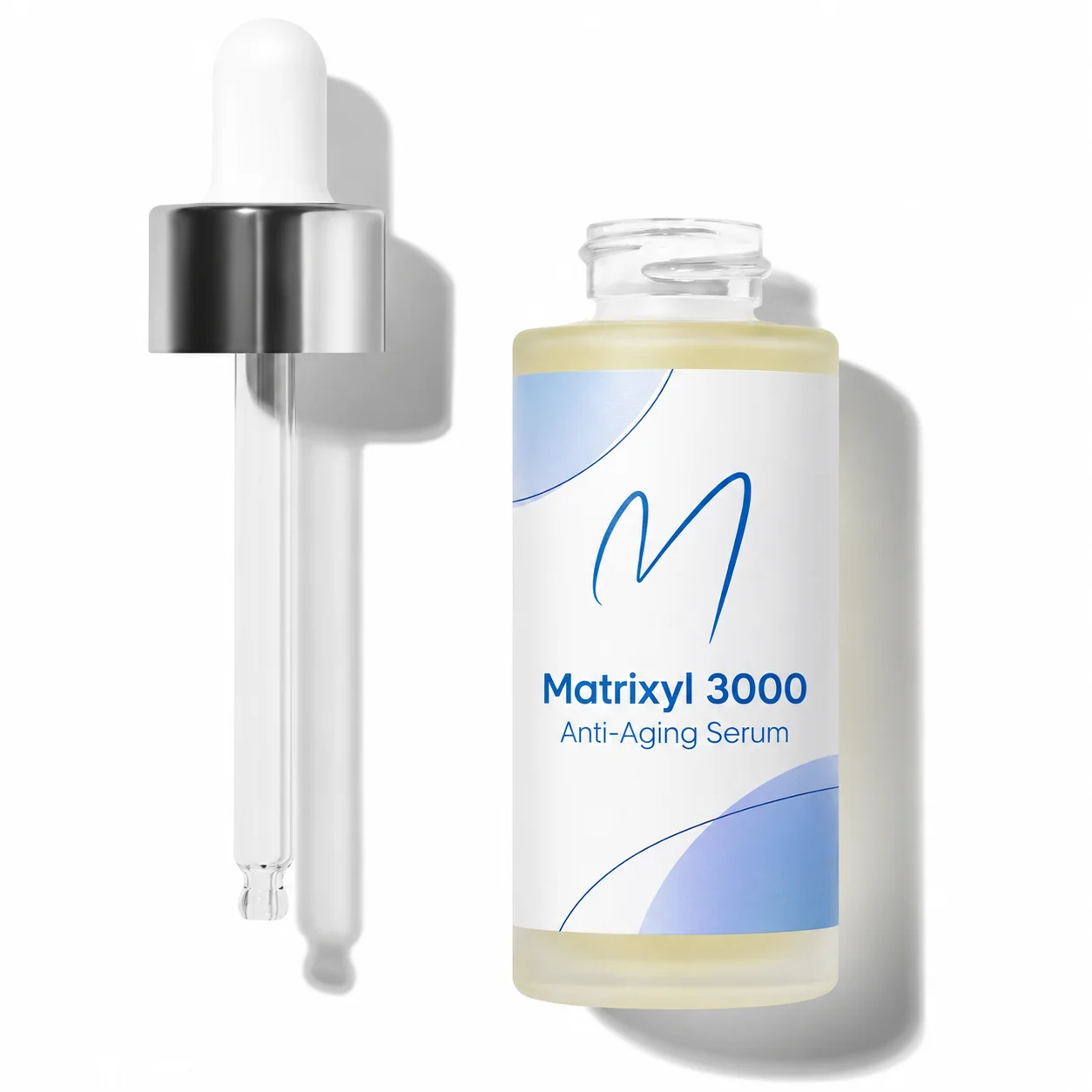
Matrixyl 3000 Anti-Aging Serum
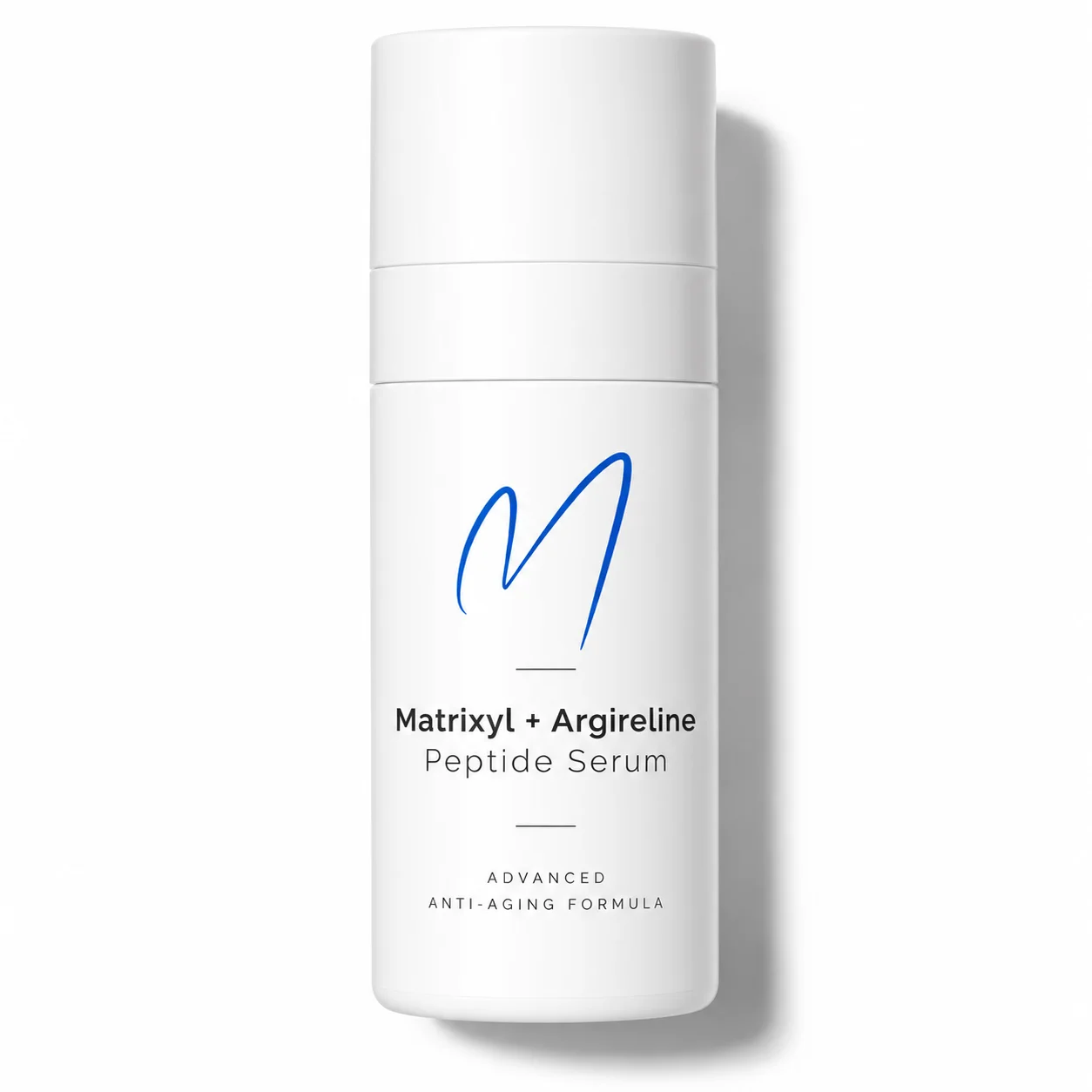
Matrixyl + Argireline Peptide Serum
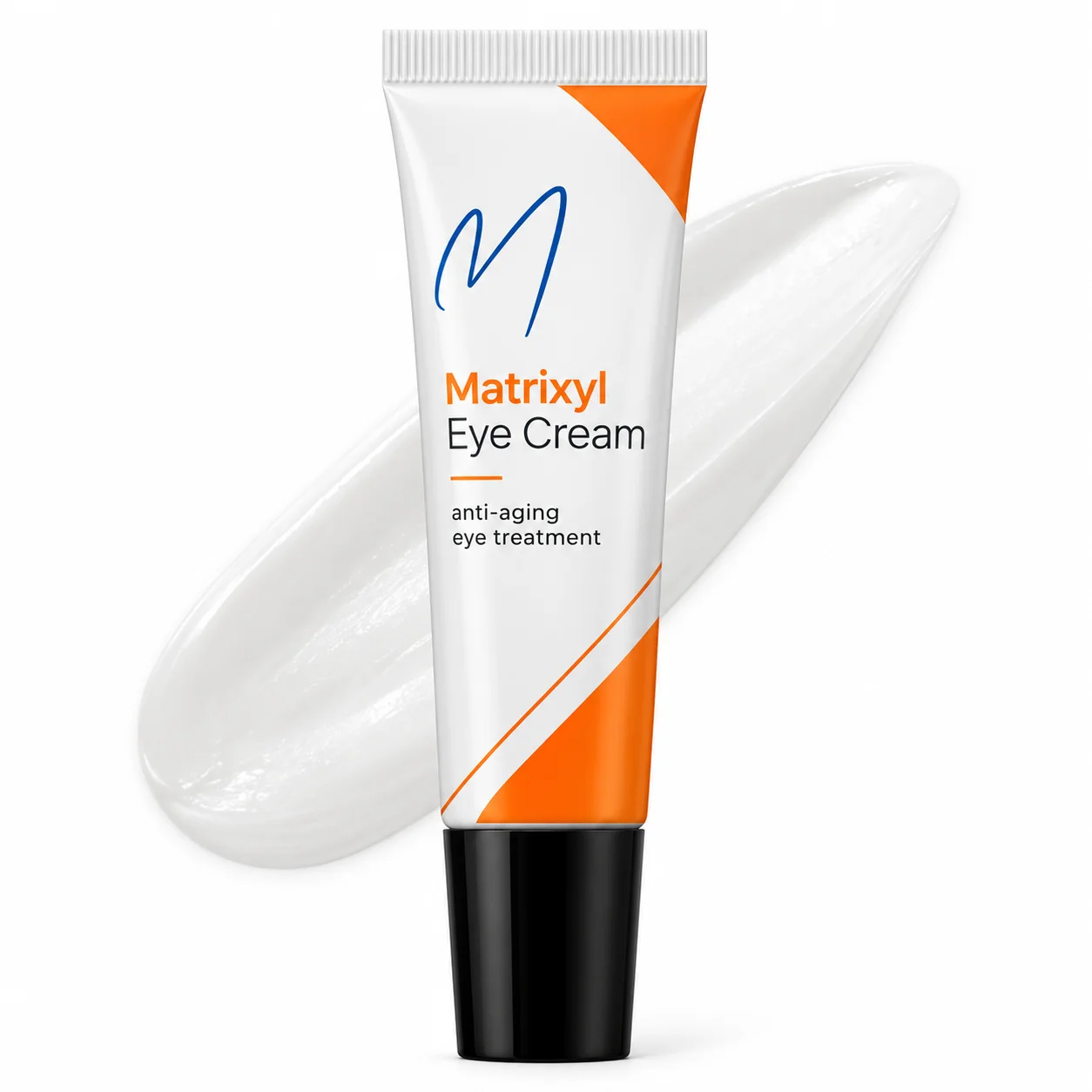
Matrixyl Eye Cream / Eye Gel
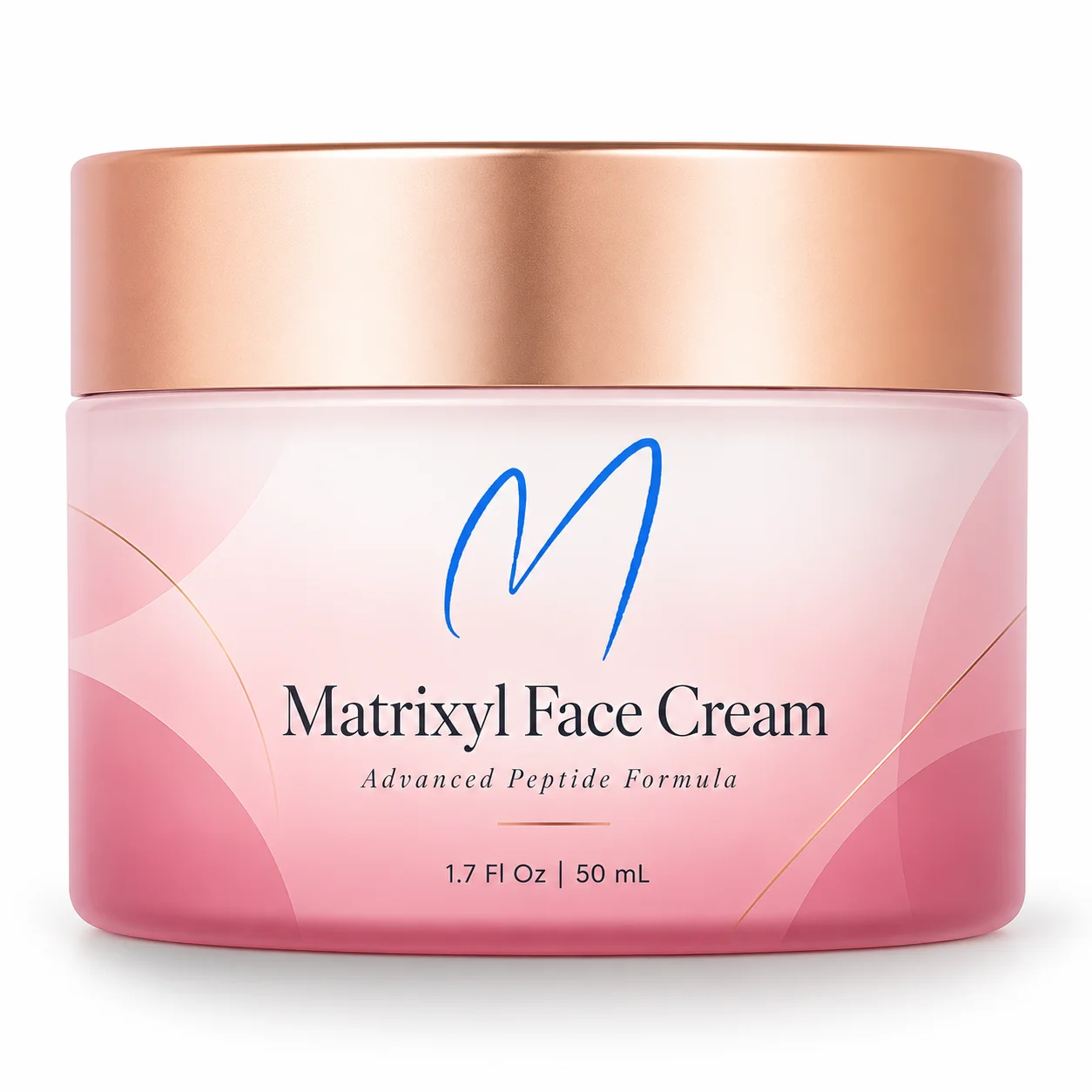
Matrixyl Face Cream / Moisturizer
Build a Private Label Matrixyl Skincare Line That Fits Your Market
If you are looking for a private label Matrixyl skincare manufacturer, you probably already have a clearer product direction than someone who is simply searching for a general anti-aging formula. You may be developing a Matrixyl 3000 serum for Amazon or Shopify, adding a peptide eye product to an existing skincare line, building a more complete anti-aging range, or looking for a mature formula that can move into production without a long development cycle. What matters is not only whether a factory can add Matrixyl to a formula, but whether the peptide system, texture, supporting ingredients, packaging, cost, and positioning all make sense for the way you plan to sell the product.
At Metro Private Label, we usually start by understanding what role the Matrixyl product needs to play in your range. A Matrixyl 3000 Anti-Aging Serum can work well as a straightforward hero SKU, while a Matrixyl + Argireline Peptide Serum gives e-commerce brands more room to build a differentiated multi-peptide story. An Eye Cream can extend an existing anti-aging range into a more targeted product, while a Firming Face Cream can help brands build a complete daily routine around peptides, hydration, and barrier support. Before we recommend a direction, we look at your sales channel, target retail price, existing SKUs, target customer, packaging level, and whether this will be a standalone launch or the beginning of a broader peptide skincare line.
We also look beyond the ingredient name on the front of the packaging. The type of Matrixyl material, addition level, supporting peptide system, pH, viscosity, preservation, stability, skin feel, packaging compatibility, and long-term appearance of the formula can all affect the final product. During sampling, we pay attention to how the formula absorbs, whether the texture matches the intended price point, how the peptide system works with ingredients such as hyaluronic acid, niacinamide, ceramides, panthenol, antioxidants, or other peptides, and whether the formula can be produced consistently when the order moves from a laboratory sample to mass production.
Our Core Private Label Matrixyl Skincare Products
Matrixyl 3000 Anti-Aging Serum: This is one of the most practical starting points for a Matrixyl skincare line. We can develop lightweight, hydrating, or more treatment-focused serum textures around fine-line, firming, elasticity, and anti-aging positioning. Depending on the product brief, Matrixyl can be combined with ingredients such as hyaluronic acid, niacinamide, panthenol, or complementary peptides to create a clearer product concept rather than simply adding more actives to the ingredient list.
Matrixyl + Argireline Peptide Serum: For brands looking for a stronger multi-peptide direction, Matrixyl and Argireline can create a more differentiated anti-wrinkle serum concept. This type of product is particularly suitable for Amazon, Shopify, TikTok Shop, and established skincare brands that need a product story customers can understand quickly. We focus on the balance between peptide positioning, texture, supporting actives, packaging, formula cost, and the retail price the finished SKU needs to support.
Matrixyl Eye Cream: Matrixyl fits naturally into eye-area products positioned around fine lines, dryness, firmness, and mature-skin care. We can develop richer eye creams, lighter gel-cream textures, or airless-packaged formulas depending on the target market. Because eye products are used in a sensitive area, we pay particular attention to texture, spreadability, comfort, fragrance direction, packaging dosage, and the overall user experience rather than treating the product as simply a smaller version of a face cream.
Matrixyl Firming Face Cream: A Matrixyl face cream can help turn a single peptide serum into a more complete anti-aging routine. We can combine Matrixyl with ceramides, squalane, hyaluronic acid, panthenol, niacinamide, or other supporting ingredients to build hydration, barrier support, and firming into the same product concept. Texture can also be adjusted from a lighter daily moisturizer to a richer premium cream depending on climate, skin type, sales channel, and target price point.
Manufacturing Support for Matrixyl Skincare Brands
We know serious buyers are not only comparing ingredient lists. They are also comparing how well a manufacturer understands the commercial side of the project. An e-commerce operator may care most about launch speed, differentiation, packaging, and reliable repeat production. An experienced beauty founder may focus more on peptide selection, skin feel, cost logic, stability, and how the first SKU can expand into a complete range. A distributor may prefer mature formulas, clear pricing, short development cycles, and stable supply, while a clinic may care more about professional positioning, gentle daily use, product consistency, and repeat retail potential.
That is why we help you work through the decisions that normally create problems later: which Matrixyl product makes the most sense, whether a single-peptide or multi-peptide concept better fits the market, which supporting ingredients add real value, what packaging matches the formula and price point, and what technical documentation will be required for the target market.
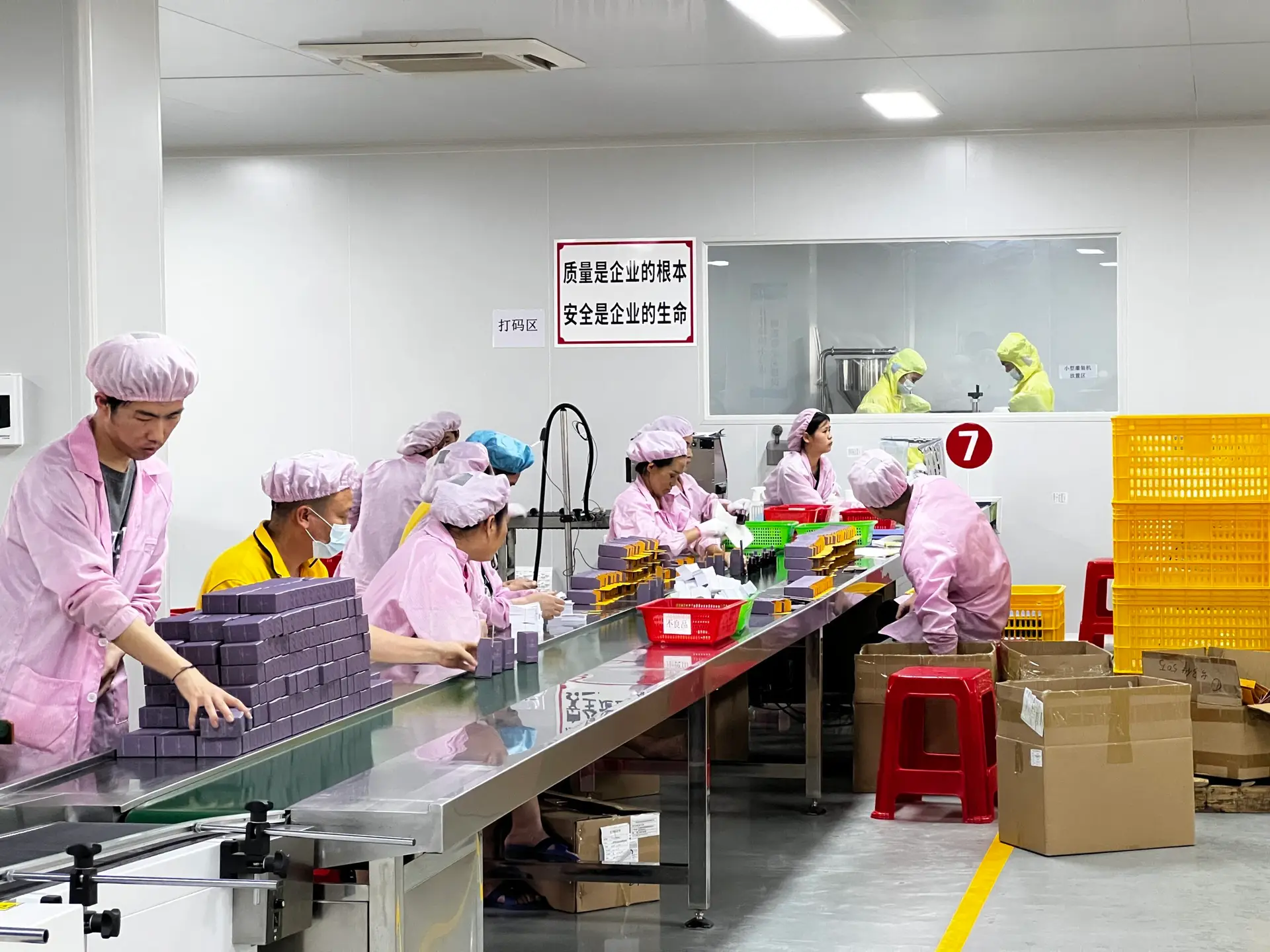
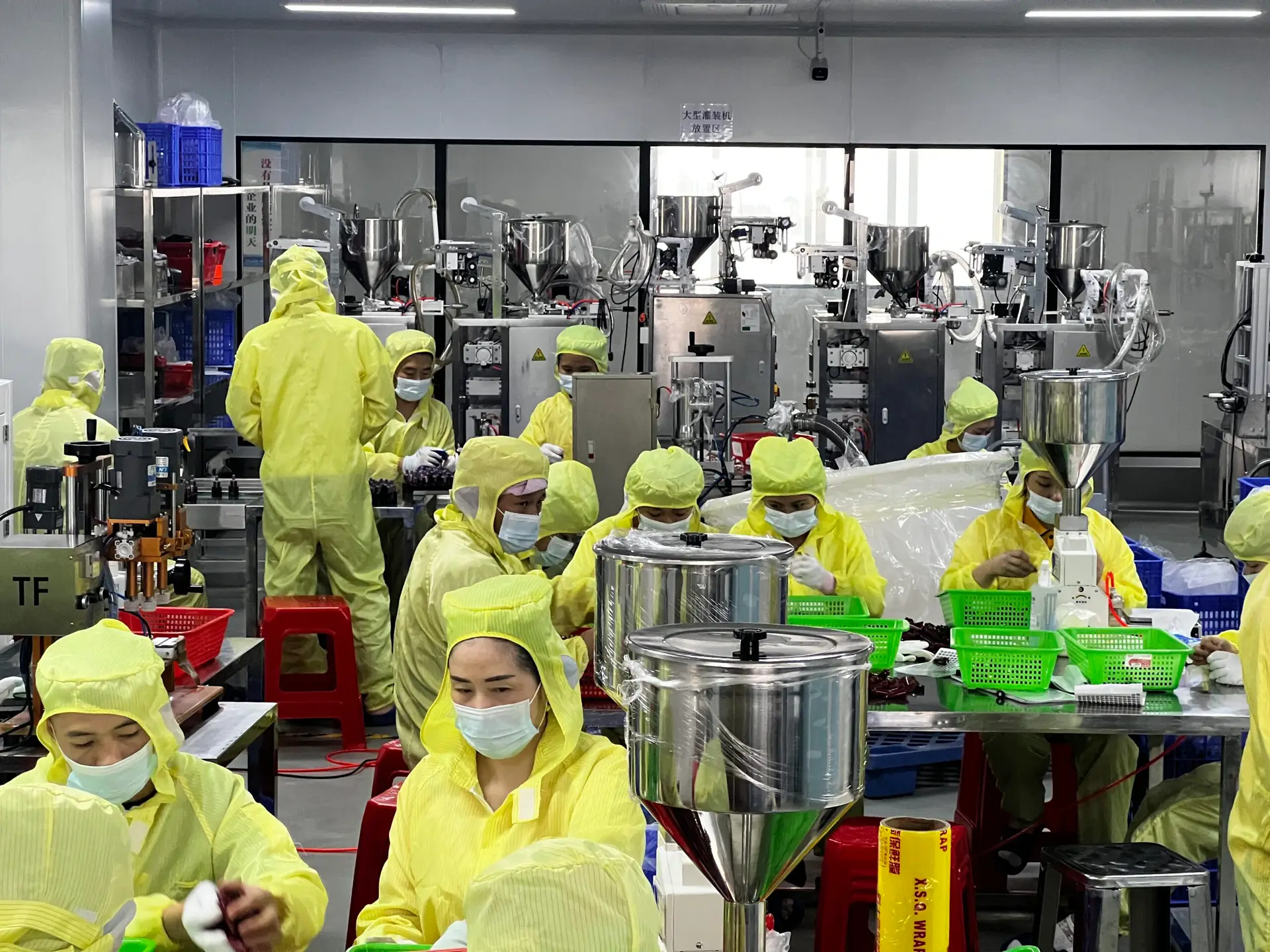
At Metro Private Label, we can support the project from product direction and formula development through sampling, bottle or jar selection, label and carton coordination, production planning, quality control, and technical documentation such as INCI lists, COA, SDS, and product specifications. Our goal is not simply to put Matrixyl into another skincare formula. We want to help you build a product with a clear market position, a formula customers can understand and enjoy using, and a manufacturing setup that is practical to launch, reorder, scale, and expand into future peptide SKUs.

More Than Just a Private Label Matrixyl Skincare Manufacturer
At Metro Private Label, we know your goal is not simply to launch another peptide product. You need a Matrixyl skincare product that fits your customers, sales channel, target retail price, and existing range. Whether you are developing a Matrixyl 3000 serum, a Matrixyl + Argireline peptide serum, an eye cream, or a firming face cream, the product needs a clear commercial reason to exist, a realistic cost structure, and enough differentiation to support repeat sales. Our job is not to push the most complicated formula. It is to help you develop a product that makes sense for the way your business actually sells skincare.

Develop Matrixyl Products Around Real Market Demand
We start with how the product will be sold. An Amazon or Shopify brand may need a Matrixyl 3000 or multi-peptide serum with a clear anti-aging story that customers can understand quickly. An experienced beauty founder may care more about peptide combinations, texture, supporting ingredients, packaging, and how the SKU fits into a longer-term anti-aging range. A distributor may prefer a mature serum or cream formula that can move into production faster, while a clinic may want a professional eye or firming product that fits naturally into an existing skincare program. We use those commercial differences to guide the formula and product direction instead of simply following ingredient trends.
Reduce Development Risks Before Mass Production
Peptide products can look straightforward on paper, but formula performance depends on more than the ingredient list. We look at the Matrixyl material being used, recommended addition level, pH, viscosity, preservation, stability, ingredient compatibility, skin feel, color and odor changes, packaging compatibility, and raw-material documentation during development. We also consider whether the formula can be produced consistently at scale. For us, it is much better to solve these issues during sampling than after bottles, labels, or cartons have already been ordered.
Create Products Customers Can Understand and Repurchase
A long peptide list does not automatically make a strong product. Customers still need to understand what the product is for and why it deserves a place in their routine. We therefore help build Matrixyl products around clear concepts such as fine-line care, firming, elasticity support, hydration, eye-area care, or multi-peptide anti-aging. Supporting ingredients such as Argireline, hyaluronic acid, niacinamide, ceramides, panthenol, or antioxidants are selected to strengthen the product concept rather than simply make the INCI look more complicated. The goal is to create something your team can explain clearly and your customers can understand quickly.
Keep Cost, Positioning, and Formula Logic Aligned
We also know that a technically impressive formula is not useful if the finished cost no longer fits the target retail price. That is why we consider active level, supporting ingredients, packaging, order quantity, and positioning together. A product designed for a premium clinic line may justify a different formula and packaging structure from a fast-moving Amazon SKU or a distributor’s ready-to-label product. We would rather help you allocate the budget where customers can actually feel or recognize the difference than add unnecessary cost that is difficult to communicate in the market.
Build a Private Label Matrixyl Skincare Line Around Your Business Goals
At Metro Private Label, we know that developing Matrixyl skincare is not simply about choosing a well-known peptide, adding it to a formula, and putting your logo on the packaging. If you already sell through Amazon, Shopify, TikTok Shop, retail, distribution, or clinics, you need a product that fits your customers, target retail price, existing range, and launch strategy. Many buyers come to us with a clear idea such as a Matrixyl 3000 Serum, Matrixyl + Argireline Serum, Eye Cream, or Firming Face Cream, but choosing the hero ingredient is only the beginning. We still need to decide how the formula should feel, which supporting ingredients actually strengthen the concept, what packaging fits the positioning, what target cost is realistic, and whether the product can be reproduced consistently when the order scales. Our role is not only to manufacture the brief you send us. We help you make better decisions before those decisions become expensive to change.
Develop Matrixyl Skincare Around Your Business Strategy
We first look at who will buy the product, where it will be sold, your target retail price, and what role the SKU should play in your range. An Amazon or Shopify brand may need a Matrixyl 3000 or Matrixyl + Argireline serum with a clear anti-aging story that customers can understand quickly, while an experienced beauty founder may care more about peptide combinations, skin feel, premium positioning, and how the first SKU can later expand into eye care or face cream. A distributor may prefer a mature formula that can move into private label production faster, while a clinic may want a professional firming or eye product that fits naturally into an existing anti-aging program. This is why we do not treat every Matrixyl product as the same formula in a different bottle. A lightweight serum, multi-peptide treatment, eye cream, and firming moisturizer each have different texture expectations, packaging requirements, cost structures, usage occasions, and commercial roles, so we help connect the product concept with a format that is realistic to manufacture and easier to sell.
Make Better Product Decisions Before Mass Production
Matrixyl formulas can look simple on paper, but the peptide system, base formula, supporting ingredients, packaging, and production process all need to work together. During development, we look at factors such as the Matrixyl material being used, recommended addition level, peptide compatibility, pH, viscosity, preservation, stability, absorption, skin feel, color and odor changes, and packaging compatibility. If the formula also includes Argireline, hyaluronic acid, niacinamide, ceramides, panthenol, antioxidants, or additional peptides, we consider how those ingredients support the overall product instead of simply increasing the length of the INCI list. We also think about what happens after the laboratory sample is approved, because a formula that feels good in a small sample still needs to remain stable during scale-up, filling, storage, shipping, and repeat production. Finding these issues early can reduce repeated sampling, reformulation, packaging changes, production delays, and unexpected cost increases later.
Create Matrixyl Products Customers Want to Use Again
A customer may first notice a product because it says “Matrixyl 3000,” “Multi-Peptide,” or “Firming,” but repeat purchase depends on the complete experience. A serum needs to spread easily, absorb well, and fit naturally into the rest of the routine, while an eye cream needs to feel comfortable around the eye area without becoming too heavy, and a firming cream needs enough richness to support its anti-aging positioning while still feeling pleasant for daily use. We therefore look at the hero ingredient, supporting actives, texture, packaging, application experience, and product story together. We are not trying to build the most complicated peptide formula. We want the finished product to feel coherent, easy for your team to explain, easy for customers to understand, and good enough for them to want to repurchase.
Keep Formula, Cost, and Retail Positioning Connected
One of the areas where we can add the most value is helping keep the technical idea and commercial reality aligned. A premium clinic product can support a different formula, packaging level, and cost structure from an Amazon SKU that needs stronger margin control, while a beauty founder may be willing to invest more in peptide systems and packaging details and a distributor may need a mature formula with a simpler cost structure and faster turnaround. We discuss these differences early because there is little value in developing an impressive formula that becomes too expensive for the target retail price. We would rather help you spend the budget where customers can actually see, feel, or understand the difference, so the finished product remains commercially realistic instead of becoming overdeveloped and difficult to sell.
Build a Product Foundation for Future Growth
We also think beyond the first order. A successful Matrixyl 3000 Serum can later expand into an eye cream or firming moisturizer, while a Matrixyl + Argireline concept can become the foundation of a broader multi-peptide anti-aging range, and a clinic-focused firming product can later connect with hydration, barrier-support, or professional homecare products. Planning this early helps keep the ingredient story, packaging style, price level, and customer experience more consistent as the range grows. From product direction and formulation through sampling, packaging coordination, technical documentation, production planning, quality control, repeat orders, and future SKU expansion, we support the full process. Our goal is simple: to help you create Matrixyl skincare that is not only possible to manufacture, but easier to position, easier to sell, more reliable to reproduce, and ready to support the next stage of your business growth.
FAQs Matrixyl Skincare
For your convenience, we’ve gathered the most commonly asked questions about our Matrixyl Skincare. However, should you have any further queries, please don’t hesitate to reach out to us.
1. What types of Matrixyl skincare products can you manufacture?
We can develop a range of Matrixyl-focused skincare products, with the most common directions including Matrixyl 3000 Anti-Aging Serum, Matrixyl + Argireline Peptide Serum, Matrixyl Eye Cream, and Matrixyl Firming Face Cream. Depending on your market, we can also develop lighter lotions, gel creams, ampoules, or broader multi-peptide formulas. We usually recommend starting with the format that best fits your sales channel, target retail price, and existing product range rather than adding too many SKUs at once.
2. Can you customize a Matrixyl formula for our brand?
Yes. We can adjust the peptide system, texture, skin feel, supporting ingredients, fragrance direction, viscosity, and positioning based on your brief. For example, a Matrixyl serum can be built around hydration, firming, fine-line care, or a broader multi-peptide concept using ingredients such as Argireline, hyaluronic acid, niacinamide, ceramides, panthenol, or antioxidants. We focus on making the formula commercially clear and technically workable rather than simply adding more ingredients for marketing.
3. Do you use genuine Matrixyl ingredients?
We can discuss the exact peptide raw material required for your project and source according to the formulation direction and documentation needs. This is important because “Matrixyl” is a branded peptide family, while some products on the market only use similar peptide INCI ingredients without using the branded raw material itself. If genuine Matrixyl is part of your product positioning, we recommend confirming the specific Matrixyl material, supplier documentation, cost, and intended marketing use before finalizing the formula.
4. What is your minimum order quantity for Matrixyl skincare?
Our standard MOQ for most custom Matrixyl serums, creams, and eye products is usually around 1,000 units per SKU, although the final MOQ depends on the formula, bottle or jar, decoration process, and packaging supplier. In some cases, a mature formula combined with available packaging can offer more flexibility. We normally review the full product setup first because the real MOQ is often determined by packaging or printed materials rather than the formula itself.
5. How long does sampling and mass production take?
For most projects, sampling usually takes around 7–14 days for the first round, depending on how customized the formula is. After the sample is approved, mass production is typically around 20–25 days once the formula, packaging, artwork, and materials are fully confirmed. Custom bottles, special colors, molds, or more complex packaging can extend the timeline, so we prefer to confirm these items early rather than give an unrealistic delivery date at the quotation stage.
6. Do you offer both ready-to-label and custom Matrixyl formulas?
Yes. Some buyers need a faster launch and prefer to start from a mature formula with limited adjustments, while others need a more customized peptide system, texture, ingredient combination, or premium positioning. We support both approaches. For an e-commerce operator or distributor, a ready-to-label direction may reduce development time and cost. For an experienced beauty founder or clinic building a long-term range, deeper formula customization may make more sense.
7. Can you help with bottles, jars, labels, and cartons?
Yes. We can coordinate the primary packaging, label or silk-screen printing, cartons, shrink film, and outer shipping cartons as part of the project. For Matrixyl serums, airless pumps, droppers, and treatment-style bottles are common options, while eye creams and face creams may use airless packaging, tubes, or jars depending on the formula and positioning. We also look at compatibility, filling method, leakage risk, shipping performance, and the overall retail presentation rather than choosing packaging only for appearance.
8. What testing and quality checks do you recommend for Matrixyl products?
We normally evaluate the formula through sampling and stability observation before production, including factors such as pH, viscosity, appearance, odor, texture, ingredient compatibility, and packaging compatibility. Depending on the market and project requirements, additional testing may include microbiological testing, preservative efficacy testing, stability testing, or other third-party assessments. We recommend deciding the testing plan based on the final formula, target market, claims, and regulatory requirements instead of applying the same test package to every product.
9. What technical documents can you provide?
Depending on the final product and raw materials, we can usually support documents such as the INCI list, product specification, COA, SDS/MSDS, and relevant manufacturing or quality documents available for the project. If you are selling in the UK, EU, U.S., Canada, or another regulated market, we recommend confirming the exact documentation required before production because the responsibilities of the manufacturer, brand owner, Responsible Person, importer, or local regulatory partner can be different. We prefer to define these responsibilities clearly at the beginning rather than discover missing documents after the product is finished.
10. Can you help us expand one Matrixyl product into a full anti-aging line?
Yes, and this is something we encourage serious brands to think about early. A Matrixyl 3000 Serum can later expand into an Eye Cream, Firming Face Cream, or broader Multi-Peptide Serum without changing the entire product story. We can help keep the ingredient direction, texture level, packaging style, target pricing, and customer experience consistent across the range. This makes future SKU development more efficient and helps the finished collection feel like one brand system rather than a group of unrelated products.
We came to Metro Private Label with a clear idea for a Matrixyl 3000 serum, but their team helped us improve the product beyond the original brief. They explained how the peptide system, supporting ingredients, texture, packaging, and target price needed to work together. What we appreciated most was that they were willing to point out where our original concept could create unnecessary cost or formulation risk.
Sophie Whitmore, Skincare Brand Founderfrom United Kingdom
Our main priority was to launch a differentiated peptide serum without slowing down our existing e-commerce calendar. Metro Private Label helped us compare a standard Matrixyl 3000 formula with a Matrixyl and Argireline direction, then worked through sampling, packaging, documentation, and production timing step by step. The communication was fast and practical, which made it much easier for our team to make decisions.
Marcus Bennett, E-commerce Product Managerfrom United States
We were looking for mature Matrixyl products that could move into private label production without a long development process. Metro Private Label helped us review serum and cream options, MOQ, packaging, cost structure, and technical documents in a very clear way. We especially valued that they considered repeat orders and supply consistency from the beginning instead of focusing only on the first production run.
Claire Van den Berg, Beauty Distribution Buyerfrom Netherlands
We wanted to add a professional anti-aging product to our clinic retail range, but we did not want something that felt like a generic private label formula. Metro Private Label understood that the product needed to feel gentle, premium, and easy for clients to use at home. Their advice on the Matrixyl formula, texture, airless packaging, and product positioning helped us create a concept that fits naturally with our existing treatment programs.
Giulia Ferraro, Aesthetic Clinic Ownerfrom Italy
What impressed us most was how Metro Private Label connected the technical decisions with the commercial side of the project. We were developing a Matrixyl eye product and a firming face cream, and their team helped us think through peptide combinations, skin feel, packaging compatibility, target cost, and future SKU expansion. The process felt structured, and we always understood what needed to be confirmed before moving to the next stage.
Nathaniel Brooks, Product Development Directorfrom Canada





Metro Private Label in Numbers
Happy Clients
0 +
Million-dollar Buyers
0 +
Formulation
0 +
Professional Staffs
0 +
Your Ultimate Guide to Matrixyl Skincare
If you’re planning to add Matrixyl skincare to your product range—whether it’s your first peptide serum or part of a broader anti-aging line—you’re not simply choosing another trending ingredient. You’re entering a category where customers already understand peptides, compare formulas carefully, and expect more than a long ingredient list. Matrixyl has become a recognizable direction for products positioned around fine lines, firmness, elasticity, and mature-skin care, which is why it appears so often in serums, eye products, and face creams. When the formula, texture, price point, and product story are aligned properly, a Matrixyl product can become a strong repeat-purchase SKU rather than a one-time launch built only around ingredient hype.
Over the past few years, we’ve seen Matrixyl products become more sophisticated as brands move beyond simple “peptide serum” positioning. Buyers now compare Matrixyl 3000 with Matrixyl Synthe’6, look at percentage claims more critically, combine Matrixyl with Argireline, hyaluronic acid, niacinamide, ceramides, or other peptides, and pay much more attention to packaging, stability, documentation, and long-term product performance. At Metro Private Label, we’ve also seen how projects can change between the first brief and the final formula. A concept may begin with several premium peptides and a high active percentage, but during development the real priorities often become texture, stickiness, pilling, viscosity stability, packaging compatibility, target cost, and whether the finished product can be reproduced consistently at scale.
This guide is built around those real development decisions rather than ingredient theory alone. We want to explain how different Matrixyl technologies actually differ, why percentage claims can be misleading, how supporting ingredients should be selected around a clear product objective, what usually changes during a 0-to-1 serum project, and how packaging, testing, documentation, and SKU planning affect the commercial result. Whether you are developing a hero serum for e-commerce, building a premium anti-aging range, creating a clinic homecare product, or selecting mature formulas for distribution, understanding these details early can help you avoid unnecessary reformulation, packaging changes, cost increases, and overlapping SKUs later.
Table of Contents
What Is Matrixyl and Why Is It Used in Anti-Aging Skincare?
Matrixyl is a branded family of cosmetic peptide technologies used mainly in anti-aging skincare, especially in products positioned around fine lines, wrinkles, firmness, elasticity, and mature-skin care. From a product-development perspective, the important point is that Matrixyl should not be treated as another generic word for “peptide.” Different Matrixyl technologies can use different peptide systems, INCI compositions, carrier systems, recommended use levels, and supplier documentation, which means they can also lead to different formulation costs and product positioning. This is why Matrixyl is so commonly seen in serums, eye products, and face creams: these formats give the peptide system a clear role within an anti-aging routine and make it easier for a brand to communicate what the product is supposed to do. For a B2B buyer, however, the more important question is not simply whether a formula contains “Matrixyl,” but which Matrixyl material is being used, how it is incorporated into the finished formula, what documentation supports it, and whether the ingredient choice makes commercial sense for the target product.
Why Matrixyl Is Closely Associated With Anti-Aging Skincare
Matrixyl has become strongly associated with anti-aging skincare because the ingredient family has long been developed and positioned around visible signs of skin aging, particularly wrinkles, fine lines, firmness, smoothness, and overall skin appearance. That positioning naturally makes serums, eye treatments, and face creams the most common product formats because consumers already expect these categories to play a role in an anti-aging routine. A Matrixyl serum can become the hero treatment product in a skincare line, while an eye cream can focus on a more targeted concern such as crow’s feet or dryness around the eye area, and a face cream can combine peptide positioning with hydration, comfort, and barrier support for mature skin. In real product development, the same ingredient should not simply be copied into different bases and sold under different names, because each format has its own texture expectations, packaging requirements, cost structure, usage frequency, and customer experience. The commercial value of Matrixyl therefore comes not only from the peptide technology itself, but from how clearly it is connected to a product format and customer need that already make sense in the market.
Matrixyl Is a Branded Ingredient Family, Not a Generic Name for Peptides
One of the most common misunderstandings in peptide skincare is assuming that Matrixyl and peptide mean the same thing. Peptides are a broad ingredient category, while Matrixyl refers to specific branded peptide technologies developed under the Matrixyl family. A finished formula may contain ingredients such as Palmitoyl Tripeptide-1, Palmitoyl Tetrapeptide-7, or Palmitoyl Tripeptide-38 without necessarily using the branded Matrixyl raw material itself. This distinction is easy to overlook because finished cosmetic labels normally display INCI names rather than the raw-material trade name, so two formulas can appear very similar when someone compares only the ingredient list. From a sourcing and product-development perspective, that creates an important difference: one manufacturer may be purchasing a documented branded Matrixyl material from an authorized supply chain, while another may be using separate peptide ingredients or a different peptide blend that happens to generate a similar INCI profile. If Matrixyl is going to be part of the product story, the buyer should therefore understand what raw material is actually being purchased, who supplied it, what supporting documentation exists, and whether the proposed marketing language accurately reflects what is inside the finished product.
Why the Exact Matrixyl Technology Matters in Product Development
Not every Matrixyl technology should be treated as interchangeable because the peptide systems and supplied raw materials can differ significantly. Matrixyl 3000, for example, is associated with Palmitoyl Tripeptide-1 and Palmitoyl Tetrapeptide-7, while Matrixyl Synthe’6 is associated with Palmitoyl Tripeptide-38. These differences matter because the raw material affects more than the front-of-pack ingredient story; it can influence supplier-recommended use levels, formula design, supporting ingredients, technical documentation, cost, and the overall positioning of the finished product. When comparing two Matrixyl concepts, it is therefore more useful to ask what specific technology is being used and why it was selected than to ask which formula simply contains “more Matrixyl.” A straightforward Matrixyl 3000 serum may suit a brand that wants a recognizable anti-aging concept, while another product may use a different Matrixyl technology or combine several peptides to build a more premium multi-peptide positioning. The right choice depends on the target customer, retail price, claims strategy, and how much complexity the brand actually needs to create meaningful differentiation.
Why Matrixyl Percentage Claims Can Be Misleading
Percentage claims are one of the areas where Matrixyl products can become confusing very quickly. A statement such as “10% Matrixyl” does not usually mean that 10% of the finished formula is pure peptide, because branded peptide materials are typically supplied as complete raw-material systems containing water, solvents, carriers, stabilizers, and very small quantities of the peptide actives themselves. In practice, the percentage shown in marketing may refer to the amount of the supplied Matrixyl solution added to the finished formula rather than the percentage of Palmitoyl Tripeptide-1, Palmitoyl Tetrapeptide-7, or another peptide in isolation. This is why a product advertising a higher Matrixyl percentage should not automatically be assumed to be stronger or technically superior. A more meaningful comparison requires understanding the exact raw material, the supplier’s recommended use range, the amount of that commercial ingredient added to the formula, and what the percentage claim actually represents. For experienced buyers, this distinction is especially important because percentage-based marketing can make two products look directly comparable when the underlying raw-material systems may be very different.
Why Matrixyl Can Affect Formula Cost More Than Buyers Expect
The cost of a Matrixyl formula is influenced by much more than the factory’s manufacturing margin. A formula using a genuine branded Matrixyl raw material at a commercially meaningful addition level may carry a different raw-material cost from a formula that uses individual peptide ingredients, a lower-cost peptide blend, or a smaller amount of a peptide-containing solution. This is why two suppliers can quote very different prices for products that both appear to be “Matrixyl serums.” The finished INCI lists may even look similar enough that the difference is not obvious without reviewing the raw-material strategy behind them. Cost also changes when the product moves from a simple Matrixyl concept to a more complex system involving Argireline, additional peptides, hyaluronic acid, niacinamide, ceramides, antioxidants, or premium packaging. In practice, the question is not whether the most expensive formula is automatically better, but whether the additional raw-material and packaging cost creates value that the end customer can actually understand, feel, or accept at the intended retail price.
Why Supplier Documentation Matters for B2B Buyers
For a professional skincare project, documentation should be considered part of the product-development process rather than something collected only after the formula has been approved. If a brand intends to build its positioning around Matrixyl, the supply chain should be able to trace the exact raw material used and retain the relevant technical information behind it. Depending on the project, this can include technical data sheets, specifications, SDS documents, certificates of analysis, formulation guidance, and purchasing or batch records. These documents are not primarily consumer-facing materials; their value lies in traceability and internal confidence. As a brand grows, it may eventually need to answer questions from distributors, retailers, regulatory consultants, quality teams, or other commercial partners about what material was used and how it is supported. A product that relies heavily on a branded active should therefore have a supply chain that can explain the ingredient with more than a marketing presentation or an INCI list.
Why Matrixyl Should Support the Product Positioning Rather Than Become the Entire Positioning
Matrixyl can give an anti-aging product a more recognizable and specific ingredient story than a generic “peptide serum,” but the ingredient name alone is rarely enough to create a strong product. The finished SKU still needs a clear customer problem, a recognizable role in the routine, and a sensory experience that supports its price point. A Matrixyl 3000 serum may be positioned around fine lines, firmness, and daily anti-aging care, while an eye product can focus on a more targeted area and a firming face cream can combine peptide positioning with richer moisturization and barrier support. The supporting ingredients should also reinforce that direction rather than simply make the INCI list longer. Hyaluronic acid may strengthen a hydration story, Argireline may create a broader peptide-based wrinkle concept, and ceramides or panthenol may support a more comfort- or barrier-focused formula. The strongest Matrixyl products are usually the ones where the ingredient sits inside a coherent product idea rather than being expected to carry the entire marketing story by itself.
Why Ingredient Claims Need to Be Handled Carefully
Another area that deserves attention is the difference between raw-material evidence and finished-product claims. A peptide supplier may provide technical or efficacy data for a specific Matrixyl material under controlled test conditions, but that does not automatically mean every finished product containing the ingredient can repeat the same wording without considering the actual addition level, formula composition, testing, target market, and regulatory environment. In commercial projects, this is where ingredient marketing and compliance can easily drift apart. Supplier data can provide a strong technical foundation and help shape the product story, but the claims used on packaging, websites, Amazon listings, or advertising should still reflect what can reasonably be supported for the finished formula. Building a credible claim structure is often more valuable in the long term than using aggressive anti-aging language that may later create regulatory, retailer, or platform problems.
Why Matrixyl Is Most Commonly Used in Serums, Eye Products, and Face Creams
Serums, eye products, and face creams have become the most natural commercial formats for Matrixyl because they already align with how consumers understand anti-aging skincare. A serum gives the peptide system enough prominence to act as the hero treatment and works particularly well for e-commerce brands that need a clear product story in a listing or advertisement. Eye products allow the same ingredient family to be positioned around more targeted concerns such as visible fine lines and dryness, while face creams create room to combine Matrixyl with moisturization, barrier support, richer textures, and mature-skin comfort. This does not mean Matrixyl cannot be used in other formats, but commercially the ingredient tends to work best where customers already expect concentrated anti-aging benefits. For B2B buyers, this is an important distinction because selecting the right product format can make the ingredient easier to communicate, easier to price, and easier to integrate into a broader skincare range.
What I Look at Before Treating a Product as Genuine Matrixyl Skincare
Before treating a project as genuine Matrixyl skincare, I would want to understand more than the trade name written in the brief. The exact Matrixyl technology, supplier, use level, peptide INCI, supporting formula, technical documentation, target price, packaging, and intended claims all need to make sense together. Two products can both be marketed as Matrixyl serums while having very different raw-material strategies, formulation logic, cost structures, and documentation behind them. One may use a genuine branded Matrixyl material with a relatively simple support system, another may combine Matrixyl with Argireline and several complementary actives, and a third may contain similar peptide INCI ingredients without using the branded material at all. That is why Matrixyl should not be evaluated only by the percentage printed on the front of a bottle or by how many peptide names appear in the ingredient list. The more useful B2B question is whether the peptide technology has been sourced, formulated, documented, and positioned in a way that makes sense for the finished product and the market it is expected to compete in.
Matrixyl 3000, Matrixyl Synthe’6, and Other Matrixyl Peptides: What Is the Difference?
Matrixyl is often discussed as though it were one peptide ingredient, but in practice it is a family of different branded peptide technologies, and that distinction becomes important once a project moves from marketing language into formulation, sourcing, and quotation. Matrixyl 3000, Matrixyl Synthe’6, the original Matrixyl, Matrixyl Morphomics, and the newer Matrixyl Neolide do not use the same peptide system or delivery approach, and they were not developed around exactly the same product story. Matrixyl 3000 combines Palmitoyl Tripeptide-1 and Palmitoyl Tetrapeptide-7, Matrixyl Synthe’6 uses Palmitoyl Tripeptide-38, the original Matrixyl is based on Palmitoyl Pentapeptide-4, Matrixyl Morphomics uses N-Prolyl Palmitoyl Tripeptide-56 Acetate, and Matrixyl Neolide places Palmitoyl Pentapeptide-4 inside a lipid-based delivery system. When I compare Matrixyl projects, I therefore do not ask only which formula contains “Matrixyl.” I look at which technology is actually being proposed, why it fits the product concept, what supplied raw material and documentation sit behind it, and whether the additional complexity creates enough commercial value for the target market.
Matrixyl 3000 Is a Two-Peptide System and One of the Most Recognizable Options
Matrixyl 3000 is probably the Matrixyl technology buyers encounter most often when researching peptide serums, and its familiarity is one reason it works well as a straightforward anti-aging product concept. Croda identifies the standard Matrixyl 3000 raw material as a system containing Palmitoyl Tripeptide-1 and Palmitoyl Tetrapeptide-7 together with its carrier ingredients, and positions it around chronological ageing, photo-ageing, repair, and wrinkle-related skincare. From a B2B perspective, I see Matrixyl 3000 as relatively easy to understand because a brand can build a clear serum, eye-care, or face-care story around an established two-peptide system without immediately needing a very complicated ingredient narrative. However, even “Matrixyl 3000” is not as simple as one universal bottle of raw material. Croda currently lists several grades, including the standard water-soluble version, Matrixyl 3000 free, an oil-soluble Matrixyl 3000 OS grade, and Matrixyl 3000 Glyx with a different formulation profile and higher natural-origin content. That means two manufacturers can both say they are proposing Matrixyl 3000 while actually working with different grades, base systems, formulation requirements, and potentially different costs, so an experienced buyer should ask for the exact grade rather than stopping at the trade name.
Matrixyl Synthe’6 Uses a Different Peptide and Creates a Different Product Story
Matrixyl Synthe’6 should not be treated as a stronger or weaker version of Matrixyl 3000 because it is a different technology built around Palmitoyl Tripeptide-38. Croda describes the supplied material as Glycerin, Water, Hydroxypropyl Cyclodextrin, and Palmitoyl Tripeptide-38, and positions it around six major components associated with the skin matrix and dermal-epidermal junction, with applications including eye contour and face or neck care. In commercial product development, that gives Synthe’6 a somewhat different storytelling opportunity from the familiar dual-peptide Matrixyl 3000 concept. A brand may choose it when it wants a more focused premium peptide narrative, particularly for forehead, crow’s-feet, eye-care, or wrinkle-focused products, while another brand may prefer Matrixyl 3000 because consumers already recognize the name more readily from existing serum products. I would not choose between them by asking which one sounds more advanced; I would look at whether the ingredient story matches the product format, customer education level, competitive set, and price the finished product needs to support.
The Original Matrixyl Is Based on Palmitoyl Pentapeptide-4
Before Matrixyl 3000 and Synthe’6 became widely discussed, the original Matrixyl technology established the name around Palmitoyl Pentapeptide-4. Croda currently lists the original Matrixyl INCI system as Glycerin, Water, Butylene Glycol, Carbomer, Polysorbate 20, and Palmitoyl Pentapeptide-4 and positions it for anti-ageing, repair, smoothing, eye contour care, and face or neck skincare. This is useful context because buyers sometimes see the Matrixyl name on one quotation and Palmitoyl Pentapeptide-4 on another and assume the manufacturer has substituted an unrelated ingredient. In reality, Palmitoyl Pentapeptide-4 is the peptide associated with the original branded Matrixyl technology. The broader lesson is that the trade name and the finished INCI are two different layers of information, and comparing only the consumer-facing ingredient name can easily create confusion when evaluating supplier proposals.
Matrixyl Morphomics Targets a More Specific Wrinkle Concept
Matrixyl Morphomics represents another branch of the family and is based on N-Prolyl Palmitoyl Tripeptide-56 Acetate rather than the peptide systems used in Matrixyl 3000, Synthe’6, or the original Matrixyl. Croda positions Morphomics specifically around vertical facial lines and describes it as a lipopeptide approach designed around dermal morphology and skin connections. From a product-development perspective, this is where I begin to see a stronger distinction between a general anti-aging hero ingredient and a more targeted product concept. A broad daily peptide serum may be easier to build around Matrixyl 3000, whereas a product focused on visible vertical lines, targeted wrinkle areas, or a more specialized treatment story could make Morphomics more relevant. That does not mean every brand needs the more specialized technology. In fact, a very specific active can create additional education work if the sales channel depends on simple, fast product communication. The ingredient should solve a positioning problem, not create a new one.
Matrixyl Neolide Adds Delivery Technology to the Peptide Story
Matrixyl Neolide is particularly interesting because the main difference is not simply a new peptide name. Croda describes it as an advanced delivery system that encapsulates Palmitoyl Pentapeptide-4, the peptide associated with the original Matrixyl, within submicron lipid capsules designed to protect the peptide and control its release. Its INCI therefore looks substantially more complex than the original Matrixyl because the supplied material includes lipid and delivery-system components in addition to Palmitoyl Pentapeptide-4. This illustrates an important direction in modern active development: two ingredients can ultimately deliver the same named peptide but use very different raw-material technologies. For a premium skincare project, an encapsulation or controlled-delivery story may justify a more sophisticated product concept, but it can also introduce different formulation, sourcing, documentation, and cost considerations. I would therefore evaluate Neolide as a complete delivery technology rather than treating it as simply “another Matrixyl percentage” to compare with Matrixyl 3000.
These Technologies Are Not Interchangeable Even When the Finished Products Look Similar
From the outside, several Matrixyl products may all appear to be clear or milky 30 mL anti-aging serums, yet their underlying formulation strategies can be very different. One may use Matrixyl 3000 as the central two-peptide system, another may use Synthe’6 and Palmitoyl Tripeptide-38, another may use original Matrixyl with Palmitoyl Pentapeptide-4, and a more specialized formula may use Morphomics or an encapsulated delivery technology such as Neolide. Their INCI profiles, carrier systems, supplier guidance, claims support, and documentation therefore differ even before supporting ingredients such as hyaluronic acid, niacinamide, Argireline, ceramides, or antioxidants are added. This is why I am cautious when a quotation simply says “Matrixyl serum” without identifying the exact raw material. At the quotation stage, that wording may look sufficient, but once the buyer begins comparing cost, claims, documentation, or competitor products, the missing detail becomes increasingly important.
Why Two Matrixyl Quotations Can Have Very Different Costs
When experienced founders compare manufacturer quotations, one of the most confusing situations is seeing two apparently similar Matrixyl serums priced very differently. The reason is not necessarily that one factory is simply charging more. The exact Matrixyl technology, grade, use level, supplier route, supporting actives, base formula, packaging, and required documentation can all influence the finished cost. Matrixyl 3000 itself is available in multiple grades with different formulation attributes, while Synthe’6, Morphomics, original Matrixyl, and Neolide are different commercial raw materials altogether. A quotation built around a documented branded ingredient and a defined addition level may therefore not be directly comparable with a quotation where the manufacturer has simply matched some of the peptide INCI names through another supplier. Before deciding which price is “better,” I would first normalize the comparison by confirming the exact branded raw material, grade, addition level, supporting actives, packaging specification, and testing scope. Otherwise, the buyer may be comparing two products that only look equivalent on the quotation title.
The Supporting Documents Can Also Be Different
The Matrixyl variant chosen can change the documentation package behind the project because each branded raw material has its own technical information, composition, formulation guidance, safety documentation, and supplier resources. Croda maintains individual product pages and technical-library resources for Matrixyl 3000, Synthe’6, Morphomics, Neolide, and the wider Matrixyl portfolio rather than treating them as one interchangeable peptide ingredient. For a small first order, this difference may appear academic, but it becomes much more relevant when a product moves into larger distribution, retailer review, regulatory assessment, or a more formal internal quality system. If the commercial value of the product depends heavily on the Matrixyl name, I want the supply chain to be able to identify the exact material and support it with the correct documentation rather than relying only on the finished INCI list.
Which Matrixyl Technology Fits Which Product Concept?
There is no single Matrixyl technology that every brand should choose. Matrixyl 3000 can make sense when the goal is a recognizable, broadly understandable peptide serum or anti-aging cream; Matrixyl Synthe’6 can support a more focused wrinkle and premium peptide story; the original Matrixyl remains relevant where Palmitoyl Pentapeptide-4 is the desired technology; Morphomics fits a more targeted vertical-line concept; and Neolide introduces a delivery-system story that may be useful for more advanced or premium positioning. The right choice depends on the customer, retail price, competitive environment, formula format, supporting ingredients, documentation expectations, and how much technical complexity the brand can realistically communicate. I would rather see a brand use one Matrixyl technology with a clear reason than combine several expensive actives simply to make the ingredient list look impressive.
What I Compare Before Approving a Matrixyl Raw Material
When reviewing a Matrixyl proposal, I compare the exact trade material, peptide INCI, carrier system, grade, supplier-recommended formulation conditions, intended use level, available documentation, compatibility with the planned formula, and the commercial story the brand is trying to build. I also compare the ingredient decision against the target retail price, because a technically interesting peptide system is only useful if the product can still support the required margin and market position. This is where two products carrying the same Matrixyl name can end up being fundamentally different: the difference may sit in the peptide itself, the delivery system, the grade selected, the concentration of the supplied raw material, or the way the ingredient is combined with the rest of the formula. For B2B buyers comparing manufacturers, understanding those layers provides a much more reliable basis for decision-making than comparing only the words “Matrixyl 3000,” “Synthe’6,” or a headline percentage on a quotation.
Matrixyl 3000 Serum vs Multi-Peptide Serum: Which Product Strategy Makes More Sense?
When a brand begins developing a peptide serum, one of the first strategic decisions is whether to build the product around a single recognizable system such as Matrixyl 3000 or create a broader multi-peptide formula using ingredients such as Argireline, GHK-Cu, additional signal peptides, or supporting actives such as hyaluronic acid. Both directions can work, but they solve different commercial problems. A Matrixyl 3000 serum is often easier to explain, benchmark against competitors, price, and launch, while a multi-peptide serum can create stronger differentiation and a more premium product story. The trade-off is that every additional peptide can increase formulation complexity, raw-material cost, stability considerations, documentation requirements, and the amount of education required to make the product understandable. In practice, I do not see “more peptides” as a product strategy by itself. The better question is whether the formula has a clear reason to exist, whether each ingredient contributes to that reason, and whether the finished product still makes sense for the customer, sales channel, target retail price, and margin structure.
Why Matrixyl 3000 Works Well as a Clear Hero-Ingredient Strategy
A Matrixyl 3000 serum can be commercially strong because the product story is relatively easy to understand. The formula can be positioned around a recognizable peptide system with a clear anti-aging direction, and buyers can easily benchmark it against other Matrixyl serums already in the market. This can be especially useful for Amazon, Shopify, retail, or distributor channels where customers need to understand the product quickly from a title, image, or short description. From a development perspective, a more focused hero-ingredient strategy also makes it easier to control the formula, cost, texture, testing plan, and supporting documentation because the product is not trying to communicate five different active stories at the same time. I often find that a simpler concept gives the brand more room to make the product experience stronger through better texture, packaging, and supporting ingredients rather than spending the entire formula budget on headline actives.
Why Multi-Peptide Serums Can Create Stronger Differentiation
A multi-peptide serum becomes more attractive when the market already contains many similar Matrixyl products and the brand needs a stronger point of difference. Combining Matrixyl with Argireline, GHK-Cu, other peptide systems, or complementary ingredients can create a broader anti-aging narrative and make the product feel more sophisticated, especially in premium e-commerce, clinic, or founder-led skincare ranges. The commercial advantage is not simply that the ingredient list becomes longer; it is that different peptide systems can support different parts of the same positioning. A Matrixyl and Argireline serum, for example, can create a more focused wrinkle-oriented concept, while a Matrixyl and GHK-Cu direction may support a more premium peptide-repair story. The challenge is that the product now needs a clearer hierarchy, because if every peptide is presented as equally important, the finished formula can become difficult for customers to understand and equally difficult for the sales team to explain.
More Peptides Do Not Automatically Mean a Better Formula
One of the most common mistakes I see in peptide product development is assuming that adding more actives automatically creates a stronger product. In reality, a formula with five peptide systems can be commercially weaker than a well-designed formula built around one or two ingredients if the final product becomes sticky, unstable, expensive, or impossible to communicate clearly. Every additional peptide brings its own carrier system, recommended use level, supplier guidance, and potential interaction with the rest of the base formula. The combination may also affect viscosity, pH, appearance, preservative strategy, or skin feel. This is why I prefer to ask what each peptide is contributing to the finished product rather than how many peptide names can be placed on the packaging. A multi-peptide formula should feel intentional, not like a collection of trending ingredients added to justify a higher price.
Matrixyl 3000 Is Easier to Benchmark Against the Existing Market
From a commercial planning perspective, a Matrixyl 3000 serum gives a brand a relatively clear competitive reference point. Existing products already establish expectations around serum size, texture, price range, packaging style, ingredient combinations, and anti-aging positioning, which makes it easier to compare the proposed product against what customers already understand. This can be helpful for an e-commerce operator evaluating market entry because the brand can see where a new formula sits relative to established Matrixyl products and decide whether to compete on price, texture, packaging, supporting ingredients, or premium positioning. A multi-peptide serum is harder to benchmark because every competitor may use a different combination of peptides, concentrations, base systems, and marketing claims. That additional flexibility can create differentiation, but it also makes pricing and competitive analysis less straightforward.
Multi-Peptide Formulas Usually Require More Careful Cost Control
The raw-material cost of a peptide serum can increase quickly when several branded or premium active systems are combined. Matrixyl, Argireline, GHK-Cu, encapsulated peptides, specialty humectants, antioxidants, and premium supporting actives can each look reasonable when reviewed individually, but the finished cost can become much higher once they are placed into the same formula. This is where product strategy becomes more important than ingredient enthusiasm. If the intended retail price is modest, a very complex peptide system may create pressure on gross margin or force the brand into packaging compromises that reduce the overall perceived value. I usually think it is better to concentrate the budget on the ingredients that define the product and use the rest of the formula to support texture, stability, and customer experience rather than allowing the active list to consume the entire cost structure.
Formula Complexity Can Increase Stability and Compatibility Work
A single Matrixyl 3000 serum is not automatically simple, but a multi-peptide formula generally introduces more variables that need to be controlled. Different peptide raw materials may arrive in different carrier systems and may have their own preferred pH ranges, temperature limitations, solubility characteristics, or formulation instructions. Once these materials are combined with hyaluronic acid, niacinamide, botanical extracts, preservatives, thickeners, and other common serum ingredients, the formulation team has to consider how the entire system behaves rather than evaluating each active in isolation. Problems such as viscosity drift, color changes, precipitation, tackiness, or reduced sensory quality may only become visible after stability observation. For this reason, I see multi-peptide formulas as projects that require more development discipline, not simply more ingredient purchasing.
GHK-Cu Can Change the Formula and Packaging Strategy More Than Expected
GHK-Cu is a good example of why a multi-peptide concept may require different development logic. Copper peptide materials can introduce a visible blue color and may affect the visual identity of the finished product, which means packaging, formula appearance, and customer expectations need to be considered together. If the formula also contains Matrixyl, Argireline, hyaluronic acid, or other actives, the development process has to ensure that the finished serum still feels coherent rather than looking like several independent ingredient concepts forced into one bottle. This is where the commercial brief matters. A premium blue peptide serum can be highly distinctive when the color, packaging, ingredient story, and positioning all support each other, but adding GHK-Cu simply because it is a popular peptide can create additional cost and technical complexity without necessarily improving the commercial concept.
Argireline Often Makes More Sense When the Positioning Is Narrower
Argireline is another ingredient frequently paired with Matrixyl because the combination can support a more focused wrinkle and expression-line product concept. From a commercial perspective, this can make sense when the product needs to communicate a specific anti-aging benefit rather than a broad “multi-peptide” message. The challenge is that the formula still needs to remain pleasant enough for daily use, and the brand needs to decide whether Argireline is a supporting ingredient or a second hero active. If both Matrixyl and Argireline are presented equally, the packaging and product page need enough space to explain why the combination matters. I tend to prefer a clear hierarchy where one system leads the product story and the second ingredient strengthens it, because customers usually respond better to a simple concept than to a list of competing technical claims.
Hyaluronic Acid Can Add More Commercial Value Than Another Peptide
In many cases, a supporting ingredient such as hyaluronic acid can contribute more to customer satisfaction than adding another premium peptide. The reason is practical: hydration, slip, spreadability, and immediate skin feel are things customers experience from the first application, while peptide benefits are generally positioned around longer-term use. A Matrixyl serum with a well-designed hydrating base may therefore feel more complete and generate better repeat-use potential than a formula overloaded with active peptides but lacking a satisfying sensory profile. This is an important B2B lesson because the best ingredient strategy is not always the one with the highest active count. I would rather see a product combine a clear peptide story with strong hydration, elegant texture, and reliable stability than sacrifice the user experience in order to claim one more peptide on the front panel.
Marketing Burden Increases as the Formula Becomes More Complicated
A simple Matrixyl 3000 serum gives the marketing team a relatively straightforward story to communicate, but a multi-peptide formula creates more questions. Which peptide is the hero ingredient? Which benefit should appear first? How should the brand explain the difference between Matrixyl, Argireline, and GHK-Cu without overwhelming the customer? Which claims are supported by raw-material data, which require finished-product testing, and which should not be made at all? These questions become especially important for Amazon listings, paid advertising, clinic retail, and distributor presentations where attention is limited. A sophisticated formula can be commercially valuable, but only if the brand has enough space and education capability to explain why the complexity matters. Otherwise, the added ingredients may increase cost without increasing conversion.
The Right Strategy Depends on the Sales Channel and Product Role
I do not think there is one correct answer to the Matrixyl 3000 versus multi-peptide question because the right strategy depends heavily on where the product will be sold and what role it plays in the range. An Amazon seller launching into a crowded peptide category may benefit from a recognizable Matrixyl 3000 product with one clear supporting ingredient and competitive pricing. A premium Shopify brand may need a more differentiated multi-peptide system to justify a higher retail price and create stronger content. A clinic may prefer a professional formula where texture, tolerance, and repeat-use experience matter more than having the longest ingredient list, while a distributor may value a mature formula that is easy to explain across several retail accounts. The product strategy should therefore begin with the business model rather than with the active-ingredient catalogue.
When a Matrixyl 3000 Serum Makes More Commercial Sense
A focused Matrixyl 3000 serum usually makes more sense when the brand needs clarity, faster development, easier benchmarking, tighter cost control, and a product concept that customers can understand quickly. It is also a useful direction when the first peptide product needs to serve as a hero SKU before the brand decides whether to expand into a broader anti-aging range. A well-developed Matrixyl 3000 serum can still be differentiated through texture, packaging, supporting ingredients, skin feel, fragrance-free positioning, or target-market strategy without requiring five different peptide systems. In these cases, simplicity is not a weakness. It can actually make the product easier to manufacture, easier to explain, easier to price, and easier to reorder.
When a Multi-Peptide Serum Makes More Commercial Sense
A multi-peptide serum becomes more logical when the brand already understands its customer, has a clear premium position, and needs stronger differentiation than a single-hero-active product can provide. It can also make sense when the product is expected to become the flagship treatment in a broader anti-aging line and the brand has enough margin to support more expensive raw materials, testing, and packaging. The key is that the combination should be intentional. Matrixyl, Argireline, GHK-Cu, and other peptides should not simply be stacked together because each one is recognizable in search results. The product needs one coherent reason to exist, with every supporting ingredient strengthening that reason rather than competing for attention.
What I Compare Before Choosing Between the Two Strategies
When evaluating a Matrixyl 3000 serum against a multi-peptide alternative, I compare the target customer, competitive landscape, target retail price, required gross margin, formula cost, product story, testing requirements, packaging, expected launch speed, and the ability of the sales channel to explain the product. I also look at what the brand plans to develop next because the first serum often becomes the foundation for future eye care, face cream, or treatment products. A focused Matrixyl 3000 serum may create a cleaner starting point, while a carefully designed multi-peptide system may establish a stronger premium identity. The decision should not be based on which formula contains the most impressive ingredient list. It should be based on which product can be manufactured reliably, communicated clearly, priced realistically, and understood well enough by customers to earn a place in their routine.
How Much Matrixyl Should Be Used in a Skincare Formula?
“How much Matrixyl should I use?” sounds like a simple formulation question, but it is one of the easiest areas for buyers to misunderstand. The percentage printed on a product page or quotation does not necessarily represent the amount of pure peptide in the finished formula. It may refer to the percentage of a supplied Matrixyl raw-material blend, and that blend itself can contain water, glycerin, glycols, carriers, stabilizers, and very small amounts of the actual peptide components. This is why I do not judge a Matrixyl formula simply by comparing “3%,” “5%,” or “10%” claims. A useful comparison starts with the exact commercial raw material, the supplier’s recommended use level, the concentration and composition of that material, how it fits into the formula, and what the brand expects to claim from the finished product.
The First Question Is: 3% of What?
Whenever I see a percentage claim for Matrixyl, the first thing I want clarified is what that percentage actually refers to. Matrixyl 3000, for example, is not supplied as a bottle of 100% Palmitoyl Tripeptide-1 and Palmitoyl Tetrapeptide-7. The standard commercial material contains those peptides within a larger system that includes ingredients such as glycerin, water, butylene glycol, carbomer, and Polysorbate 20. Sederma’s product information for the standard Matrixyl 3000 material lists a recommended use level of 3%, and Croda formulation examples also show the commercial Matrixyl 3000 ingredient being incorporated at 3% of the finished formula. That means a formula containing 3% Matrixyl 3000 is using 3% of the supplied commercial ingredient, not 3% of each pure peptide. This distinction may sound technical, but it completely changes how percentage claims should be interpreted.
Supplier-Recommended Use Levels Are a Better Starting Point Than Marketing Percentages
For branded peptide systems, I generally consider the supplier’s recommended use level a much more useful starting point than a percentage copied from a competitor’s product page. Historical Sederma documentation specifies a recommended use level of 3% for Matrixyl 3000, while the supplier documentation for Matrixyl Synthe’6 specifies 2% for the commercial ingredient containing Palmitoyl Tripeptide-38. These numbers are not interchangeable because the two products are different raw-material systems with different peptide compositions and formulation designs. A 2% Synthe’6 formula should therefore not automatically be considered weaker than a 3% Matrixyl 3000 formula. The percentages describe how much of two different supplied materials is being used, not a universal scale of peptide strength.
A “10% Matrixyl Serum” Does Not Necessarily Contain 10% Peptide
This is probably the most important point for brands comparing finished products. When a serum is marketed as “10% Matrixyl,” that number may refer to the amount of a Matrixyl-containing raw-material solution, a proprietary interpretation of the active complex, or even a broader marketing calculation depending on how the product has been formulated and presented. It should not automatically be read as “10% pure Palmitoyl Tripeptide-1 and Palmitoyl Tetrapeptide-7.” The standard Matrixyl 3000 raw material itself contains multiple carrier ingredients and peptide components at much lower concentrations within that supplied system. Earlier Sederma technical documentation, for example, described the peptide components of the standard raw material in the parts-per-million range while still recommending the commercial ingredient at 3% in the finished formula. For a B2B buyer, that is why asking what a headline percentage actually represents is far more useful than assuming the biggest number is the best product.
More Matrixyl Is Not Automatically Better
There is a natural tendency in skincare marketing to assume that if 3% is good, then 5%, 10%, or 20% must be better. Formulation does not work that way. A supplier-recommended use level is developed around the commercial raw material, its technical characteristics, supporting studies, and intended application. Increasing the addition level far beyond that recommendation may increase cost without creating a proportional increase in useful product performance, and it can also change the sensory or physical behavior of the formula because more of the raw material’s carrier system is being added at the same time. When I review a high-percentage peptide concept, I therefore want to understand why the higher level is being used. If the answer is simply that the number will look stronger on Amazon or on the front of the box, that is a marketing decision rather than a formulation justification.
The Exact Matrixyl Grade Can Change the Meaning of the Percentage
Another reason percentage comparisons become difficult is that Matrixyl 3000 itself exists in different commercial grades. Croda has listed variations such as the standard water-soluble Matrixyl 3000, alternative grades with different solubilizing systems, oil-compatible versions, and more naturally positioned variants. Although these products share the Matrixyl 3000 peptide concept, the carrier systems and formulation characteristics are not identical. This matters because “3% Matrixyl 3000” only becomes meaningful when the exact grade is identified. If two manufacturers are using different grades, the formula architecture, raw-material cost, processing method, and compatibility with the finished product may also differ. In practice, I would rather see the exact trade material and technical specification on a formulation brief than a large Matrixyl percentage with no explanation behind it.
Formula Compatibility Matters as Much as the Headline Use Level
A correct use level does not guarantee a good finished product if the surrounding formula has not been designed properly. Peptide materials need to sit inside a base that supports their solubility, stability, sensory profile, and intended processing conditions. The pH of the formula, the thickening system, solvents, preservatives, other actives, processing temperature, and order of addition can all influence whether the product remains stable and pleasant to use. A 3% Matrixyl 3000 serum that pills, becomes sticky, changes viscosity, or develops stability problems is not commercially better simply because it follows a recommended active level. This is why the percentage decision should be made together with the full formulation rather than treated as an isolated number chosen before the base has even been developed.
Supporting Actives Can Change What Makes Sense for Matrixyl
The appropriate Matrixyl level also depends on what else the formula is trying to do. A relatively focused Matrixyl 3000 and hyaluronic acid serum may have a very different cost and formulation structure from a product that also contains Argireline, GHK-Cu, niacinamide, ceramides, multiple molecular weights of hyaluronic acid, antioxidants, and botanical extracts. Once several premium actives are added together, the formulation budget, stability workload, documentation requirements, and sensory burden all increase. In those projects, I would not automatically increase Matrixyl simply to maintain it as the largest number on the marketing page. Sometimes the stronger commercial decision is to use each active at an appropriate, supportable level and create a balanced formula rather than allowing one percentage claim to dominate the technical design.
Cost Should Be Evaluated Per Formula, Not Per Headline Percentage
Matrixyl is a premium branded ingredient system, so use level directly affects formula cost. That cost matters more in a 1,000-unit launch than many buyers expect because the raw-material decision is multiplied across every unit and then sits alongside bottle, pump, label, carton, filling, testing, freight, and margin requirements. A brand selling a premium clinic serum may have enough retail margin to support a more expensive active strategy, while an Amazon product competing at a lower price point may need tighter control. I usually evaluate the active cost against the target retail price and product role rather than trying to maximize the percentage at any cost. A technically credible formula that maintains healthy commercial margins is more sustainable than an ingredient-heavy product that looks impressive in the development brief but becomes difficult to price or reorder.
The Intended Claim Should Influence the Use-Level Decision
The reason for using Matrixyl should also be clear before deciding how much to add. If the brand simply wants Matrixyl to appear as one supporting peptide in a broader anti-aging formula, the development strategy may be different from a product where Matrixyl is the central hero ingredient and the marketing is built around that technology. In the second case, I would expect the use level, supplier documentation, formula brief, and claims strategy to align more closely with the branded ingredient supplier’s guidance and supporting data. This is also where I would be cautious about taking efficacy data generated on a supplier’s recommended concentration and assuming the same story automatically applies to a finished product using a very different amount. The percentage should support the intended product story, but the claim should still reflect the actual finished formula and the evidence available for it.
Two Different Matrixyl Percentages Cannot Always Be Compared Directly
Consider two quotations where one manufacturer offers “3% Matrixyl 3000” and another offers a “10% Matrixyl peptide serum.” At first glance, the 10% product appears stronger. In reality, those two statements tell us very little unless we know the exact commercial raw materials behind them. The first quotation may be using genuine standard Matrixyl 3000 at the supplier-recommended 3% level, while the second could be referring to a different peptide solution, a diluted blend, a custom complex, or a marketing calculation that does not correspond directly to the standard branded material. This is why experienced buyers should normalize the comparison before deciding which quotation offers more value. The raw-material trade name, supplier, INCI, grade, recommended use level, actual addition level, and available documentation all need to be understood first.
Why the Finished INCI Still Does Not Tell the Whole Story
The INCI list is useful, but it does not normally reveal the percentage of Matrixyl or prove which branded commercial ingredient was used. If a finished product lists Glycerin, Water, Butylene Glycol, Palmitoyl Tripeptide-1, and Palmitoyl Tetrapeptide-7, that can be consistent with a Matrixyl 3000 system, but those ingredient names alone do not prove that the branded Matrixyl 3000 raw material was purchased. Another supplier could theoretically formulate with peptide materials that generate similar INCI names. For this reason, when the Matrixyl brand itself is commercially important, I look beyond the finished ingredient list and into the raw-material documentation and purchasing chain. This becomes particularly relevant when a brand is comparing manufacturers or wants to build a premium product story around genuine branded technology.
What I Would Ask Before Approving a Matrixyl Percentage
Before approving the percentage in a Matrixyl formula, I would want to understand exactly which Matrixyl technology and grade is being used, what the supplier recommends, what percentage of the commercial material is being added, what that supplied material contains, how it interacts with the rest of the formula, and what product claim the brand wants to make. I would also compare the active cost against the target retail price and look at whether the finished texture, stability, packaging, and user experience remain strong. That process may lead to a 3% Matrixyl 3000 formula, a 2% Matrixyl Synthe’6 concept, or another technically justified approach depending on the project. The important point is that the percentage should be the result of formulation logic and supplier guidance, not a number chosen because it looks impressive in a product title.
The Best Matrixyl Level Is the One You Can Explain and Support
For B2B buyers, the most useful way to think about Matrixyl concentration is not “What is the highest percentage I can claim?” but “What exactly am I using, why am I using it at this level, and can I document that decision?” A credible Matrixyl product connects the commercial raw material, supplier guidance, finished formula, cost structure, claims, and customer experience into one consistent story. A large percentage without that context can easily become misleading, while a lower number based on the correct branded material and an appropriate formulation may be technically and commercially much stronger. In my experience, that distinction becomes increasingly important as a product moves from the first sample into retailer review, regulatory work, larger distribution, and repeat production.
What Ingredients Work Well With Matrixyl in Commercial Skincare Formulas?
When I evaluate a Matrixyl formula, I do not start by asking how many fashionable ingredients can be added around the peptide system. I start with the product objective. A hydration-led serum, a wrinkle-focused treatment, a barrier-support cream, and a daily anti-aging moisturizer may all contain Matrixyl, but they should not be built with the same supporting ingredients. The role of the additional actives is to strengthen the main product story, improve the user experience, and fit the intended price point rather than simply make the INCI list look more impressive. This is especially important in commercial skincare because every additional active affects more than marketing. It can change raw-material cost, texture, color, viscosity, stability work, packaging choice, documentation, and the way the finished product needs to be explained to customers. In practice, I find that the strongest Matrixyl formulas usually have a clear hierarchy: one primary product objective, one recognizable peptide direction, and a smaller number of supporting ingredients that make the concept more complete.
Matrixyl and Hyaluronic Acid Work Well When Hydration Is Part of the Core Product Story
Hyaluronic acid is one of the most practical ingredients to pair with Matrixyl because it can support a product experience that customers notice immediately. Peptide products are often positioned around longer-term concerns such as fine lines, firmness, and visible aging, while a well-designed humectant system can give the formula a more immediate sense of hydration, slip, and comfort. This makes the combination especially suitable for anti-aging serums and lightweight daily treatments where the product needs to feel useful from the first application. The important formulation point is that “hyaluronic acid” is not one fixed ingredient experience. Different molecular weights, sodium hyaluronate grades, crosspolymers, and total humectant systems can create very different levels of tackiness, viscosity, and after-feel. I would therefore choose the hydration system according to the desired texture rather than simply adding multiple forms of hyaluronic acid because that looks stronger in marketing. A Matrixyl serum that hydrates well, layers easily, and does not pill under moisturizer or sunscreen is often commercially stronger than a formula with a more impressive ingredient list but a sticky finish.
Matrixyl and Argireline Make Sense for a More Focused Wrinkle-Oriented Concept
Argireline is frequently considered alongside Matrixyl because the two ingredients can support a broader peptide-based anti-wrinkle story, but the combination works best when the product positioning is clear. Matrixyl can provide the foundation for a general anti-aging and firmness concept, while Argireline can help create a more targeted narrative around visible expression lines and wrinkle-focused care. For e-commerce or premium treatment products, this gives the formula a more differentiated identity than a basic peptide serum. The risk is that both ingredients can become competing hero actives if the product page tries to explain them with equal weight. I prefer a clear hierarchy where one peptide system leads the story and the other supports it. This makes the product easier to name, easier to explain, and easier to compare against competitors. It also allows the formulation team to control raw-material cost and avoid the common mistake of adding several premium peptides at high levels simply because each one has good marketing recognition.
Matrixyl and Ceramides Work Better When Barrier Support Is Central to the Positioning
Ceramides can make sense with Matrixyl when the product is intended for mature, dry, compromised, or barrier-focused skin rather than being positioned purely as a wrinkle serum. The commercial logic is strong because visible aging and skin barrier concerns often overlap in the same customer group, particularly in richer moisturizers and recovery-focused products. However, a ceramide formula requires more than adding Ceramide NP to the ingredient list. The surrounding lipid system, cholesterol, fatty acids, emulsifiers, and overall cream structure can influence whether the finished product actually delivers the texture and barrier-support experience the brand is trying to create. I see this combination as especially useful for Matrixyl face creams, night creams, and richer treatment products where the customer expects comfort and moisturization alongside peptide positioning. In those formats, the barrier system can contribute as much to repeat purchase as the headline peptide because customers notice dryness reduction, softness, and texture much sooner than they can evaluate a long-term anti-aging claim.
Panthenol Is Useful When Comfort and Daily Tolerance Matter
Panthenol is less fashionable than some premium actives, but I often see more practical value in it than ingredients added only for marketing impact. In Matrixyl formulas intended for daily use, panthenol can support a more comfortable, soothing, and hydrating product experience without forcing the formula into an overly complicated active strategy. This is particularly relevant for eye products, sensitive-skin formulas, clinic-oriented skincare, or anti-aging products designed for customers who may already be using retinoids, exfoliating acids, or other potentially irritating products in the same routine. A Matrixyl and panthenol combination does not create the most dramatic front-of-pack ingredient story, but it can help the finished formula feel more balanced and easier to use consistently. From a commercial perspective, that matters because repeat purchase depends on how the product fits into real routines, not only on how exciting the ingredient list appears during launch.
Niacinamide Can Make Matrixyl More Versatile, but the Formula Needs a Clear Direction
Niacinamide is attractive because it can support multiple product stories around skin tone, barrier function, oil balance, and general skin appearance, which makes it easy to pair with Matrixyl in daily anti-aging products. The advantage is versatility: a Matrixyl and niacinamide serum can appeal to a broader audience than a very narrow wrinkle treatment, particularly in e-commerce channels where one SKU often needs to address several common concerns. The disadvantage is that the concept can become too broad if the formula is expected to be anti-aging, brightening, barrier-supporting, pore-focused, and hydrating all at once. I usually prefer to decide which of those benefits is primary and allow niacinamide to support that position rather than carry four different marketing messages. The use level also affects texture, skin feel, cost, and the overall character of the formula, so the decision should be made around the target product rather than copied from a competitor simply because “10% niacinamide” has become a familiar market phrase.
GHK-Cu Can Create a Premium Peptide Story but Adds More Formulation Considerations
GHK-Cu can give a Matrixyl formula a more advanced multi-peptide identity, particularly when the brand wants a premium repair or skin-renewal concept, but it also changes the technical and visual profile of the product. Copper peptide materials can contribute a blue tone, and that color can become part of the product identity or create a packaging challenge depending on the concept. The combination also increases raw-material cost and gives the marketing team another ingredient system that needs to be explained properly. I would not add GHK-Cu simply because copper peptides are currently recognizable in the market. The combination makes more sense when the finished product is intended to sit at a higher price point, the brand can support a more technical peptide story, and the formula, packaging, and visual direction are designed around that decision from the beginning. A clear blue peptide serum with a premium positioning can feel coherent; a generic Matrixyl serum with copper peptide added late in development can feel like two separate ideas competing inside the same product.
Antioxidants Can Support a Broader Anti-Aging Formula Without Competing With Matrixyl
Antioxidants can fit well into Matrixyl skincare when the goal is to create a broader daily anti-aging product rather than a peptide-only treatment. Ingredients such as tocopherol, certain vitamin C derivatives, or other antioxidant systems can help reinforce the idea of protecting and maintaining the appearance of aging skin. The challenge is that antioxidant ingredients vary greatly in stability, solubility, color, pH requirements, and packaging needs. A stable oil-soluble antioxidant in a cream creates a very different development problem from an unstable or low-pH vitamin C system in a serum. For this reason, I would never select an antioxidant simply because it is commercially attractive. It has to fit the Matrixyl system, the base formula, and the intended packaging. When the combination works, the product can feel more complete; when it does not, the formula may become harder to stabilize and harder to manufacture consistently.
Peptide Combinations Should Be Designed Around Roles, Not Ingredient Count
When several peptides are used together, I find it helpful to think of them by role rather than by quantity. One peptide system may lead the anti-aging story, another may support a more specific wrinkle-focused angle, and a third may add differentiation for a premium product. This is a much stronger formulation strategy than simply asking how many peptides can fit into one serum. A formula containing Matrixyl, Argireline, GHK-Cu, and additional signal peptides may sound impressive, but if the target retail price cannot support the raw-material cost or the marketing team cannot explain why each one matters, the commercial advantage disappears. The formula can also become more difficult to control because each raw material brings its own carrier system, pH preference, documentation, and potential influence on texture or appearance. More peptides can be useful, but only when the product architecture is clear enough to justify them.
The Base Formula Often Matters More Than One Additional Active
One of the most important lessons in peptide skincare is that the base formula determines much of the customer experience. A Matrixyl serum can contain excellent active ingredients and still fail commercially if it feels sticky, balls up under sunscreen, dries too slowly, leaves residue, or changes viscosity over time. Humectants, rheology modifiers, solvents, emollients, emulsifiers, and the preservation system may not appear prominently on the front of the packaging, but they determine how the product spreads, absorbs, layers, and survives storage. I often see brands spend a large part of the formula budget on headline actives and then treat the base system as secondary, when the opposite approach can produce a better finished product. A well-designed base allows Matrixyl and the supporting actives to sit inside a formula customers actually want to use every day.
Supporting Ingredients Should Match the Product Format
The same ingredient combination should not automatically be used across serum, eye cream, and face cream formats. A serum can carry a higher humectant load and a lighter peptide-focused story, while an eye cream needs more attention to spreadability, comfort, dosage, and the feel around a sensitive area. A face cream can support ceramides, squalane, richer emollients, or a more complete lipid system because the customer expects moisturization alongside anti-aging benefits. This is why I see product format as part of ingredient strategy. When the supporting ingredients match the format, the formula feels intentional. When a brand simply copies the same hero-ingredient list into every SKU, the range can look coherent on paper but feel repetitive in actual use.
Target Price Should Influence Which Supporting Ingredients Are Included
Every ingredient decision eventually becomes a cost decision, and this is especially important when Matrixyl is already one of the premium components in the formula. A brand targeting a mass-market or Amazon price point may be better served by a focused Matrixyl serum with hyaluronic acid, niacinamide, or panthenol than by combining several premium peptides that make the unit economics difficult. A higher-priced clinic or premium DTC product may have more room for GHK-Cu, additional branded peptides, ceramide systems, or sophisticated packaging. I see no advantage in developing a technically impressive formula if the finished product cannot support the intended retail price and margin. The goal should be to create a product whose ingredient strategy and commercial model reinforce each other rather than compete with each other.
Stability Should Be Considered Before Marketing Decides the Final Ingredient List
Supporting ingredients should never be selected purely from a marketing wish list because every additional material has to coexist in the same physical formula. Changes in pH, ionic strength, solvent system, viscosity, color, preservation, and temperature sensitivity can affect how the finished product behaves over time. This becomes particularly important when a Matrixyl formula combines multiple peptides, niacinamide, botanical extracts, acids, antioxidants, or mineral-containing actives. A combination that looks excellent on a concept sheet may need to be simplified after stability work reveals discoloration, viscosity drift, precipitation, or poor sensory performance. I would rather adjust the ingredient list during development than protect a marketing concept that creates an unstable product. For B2B buyers, this is one of the clearest differences between ingredient selection and actual formulation.
The Best Combination Is the One That Makes the Product Easier to Understand
A strong Matrixyl formula should have a simple answer to the question, “What is this product for?” If the answer takes several paragraphs because the serum is simultaneously about wrinkles, pigmentation, pores, barrier repair, acne, hydration, and antioxidant protection, the concept is probably too broad. Matrixyl with hyaluronic acid can create a clear hydrating anti-aging serum. Matrixyl with Argireline can support a more focused wrinkle concept. Matrixyl with ceramides and panthenol can fit a barrier-supporting anti-aging cream. Matrixyl with niacinamide can create a versatile daily-use formula. These combinations work because the supporting ingredients reinforce a recognizable product role. In my experience, that clarity is far more useful commercially than having the longest active-ingredient list in the category.
How I Evaluate Ingredients Around a Matrixyl Formula
When evaluating supporting ingredients for a Matrixyl product, I look at the product objective first, then the target customer, product format, retail price, texture, packaging, stability requirements, and the level of education the sales channel can realistically support. Only after those points are clear does it make sense to decide whether the formula needs hyaluronic acid, Argireline, ceramides, panthenol, niacinamide, GHK-Cu, antioxidants, or additional peptides. The strongest formula is not the one containing the largest number of recognizable ingredients. It is the one where the hero peptide, supporting actives, base system, sensory experience, cost, and product positioning all point in the same direction. For B2B buyers, that is the difference between creating an impressive concept sheet and creating a product that can actually be manufactured, sold, reordered, and expanded into a coherent skincare range.
Why a Good Matrixyl Formula Is More Than the Peptide Percentage
A Matrixyl formula can look excellent on paper and still perform poorly once it reaches the sampling stage. The peptide percentage may attract attention, but the customer does not experience a percentage—they experience how the serum spreads, whether it feels sticky, whether it pills under sunscreen, how quickly it absorbs, whether the pump dispenses correctly, and whether the texture remains stable after weeks or months of storage. In practice, I find that the base formula often determines whether a peptide product feels premium enough to justify its price and pleasant enough to become part of a daily routine. Matrixyl may be the headline active, but humectants, thickeners, solvents, emulsifiers, preservatives, pH control, packaging, and long-term stability all work together to determine whether the finished product is commercially strong. This is why I do not evaluate a Matrixyl product only by asking how much peptide it contains; I want to know whether the entire formula has been designed around a good user experience and reliable repeat production.
The Peptide Gets the Attention, but the Base Formula Creates the Experience
The base system is what customers actually feel every time they use the product. A serum built around Matrixyl can contain the correct peptide raw material at an appropriate use level and still feel cheap if the base is too watery, too tacky, too heavy, or too slow to absorb. The same problem appears in creams when the emulsion feels waxy, drags across the skin, or leaves a residue that does not match the intended premium positioning. In formulation work, the less glamorous ingredients often carry most of the sensory responsibility. Humectants determine hydration and tack, thickeners influence flow and cushion, emollients affect slip and after-feel, and solvents can change how quickly the formula disappears into the skin. I therefore treat the base as part of the product strategy rather than as a neutral vehicle that simply carries the peptide.
Humectants Can Make a Matrixyl Serum Feel Hydrating or Uncomfortably Sticky
Humectants such as glycerin, butylene glycol, propanediol, hyaluronic acid, and related materials are essential in many peptide serums, but the balance matters. Too little hydration can make the product feel thin and forgettable, while too much of a heavy humectant system can leave a persistent sticky film. This becomes particularly important when Matrixyl is already supplied in a glycerin- or glycol-containing raw-material system, because the formula may accumulate more humectant content than expected once supporting actives are added. A serum that feels smooth when tested alone may become tacky when layered with moisturizer or sunscreen, which is exactly how customers will use it in real life. I usually see better commercial results when the hydration system is designed around the intended routine rather than optimized only for how the sample feels during a single application.
Thickener Selection Affects More Than Viscosity
Thickeners are often treated as a technical detail, but they strongly influence how a Matrixyl serum looks and behaves. A formula that is too thin may feel cheap or dispense poorly from a pump, while one that is too thick can drag across the skin, trap air bubbles, or fail to flow correctly through the selected packaging. Different rheology modifiers can also respond differently to salts, peptides, niacinamide, botanical extracts, and changes in pH, which means a serum can look stable immediately after batching and then lose viscosity later. The texture profile also matters commercially because customers associate different viscosities with different product positions. A lightweight daily serum, a concentrated treatment, and a gel-like eye product should not all feel the same. For that reason, I see viscosity as both a formulation parameter and a branding decision.
Pilling Is Often a Base-Formula Problem Rather Than a Peptide Problem
Pilling is one of the most frustrating issues because a formula can look perfectly stable in the bottle and still fail during use. The problem often appears when polymers, gums, hyaluronic acid systems, silicone-like film formers, or high levels of humectants interact with products applied before or after the serum. A Matrixyl product may therefore receive complaints even though the peptide itself is not causing the issue. This is why I believe layering tests are important during sampling. A serum should be evaluated not only on bare skin but also with common products such as moisturizer, sunscreen, foundation, and other serums. If the product balls up under normal use conditions, the customer will judge the entire formula negatively regardless of how sophisticated the active system looks on the ingredient list.
pH Needs to Support the Whole Formula, Not Just One Ingredient
pH is another area where a formula can become unstable or uncomfortable if the product is designed around one active while ignoring the rest of the system. Matrixyl raw materials, preservatives, thickeners, niacinamide, acids, botanical extracts, and other peptides can each have their own preferred formulation conditions. The final pH therefore needs to support the complete ingredient system while remaining appropriate for the skin and the desired product format. A formula that sits outside the preferred range of a thickener may lose viscosity, while a preservative system may become less effective if the pH moves in the wrong direction. In a multi-active product, the target pH should be selected as part of the overall formulation architecture rather than adjusted at the end simply to satisfy one ingredient specification.
Preservation Still Matters in a Premium Peptide Formula
Peptide positioning does not reduce the need for a robust preservation system. Water-based Matrixyl serums and creams still need to remain microbiologically safe during manufacturing, storage, consumer use, and repeated opening or dispensing. The preservative system also needs to work with the formula’s pH, humectant level, botanical extracts, emulsifiers, packaging, and intended shelf life. This is where some “clean beauty” briefs become challenging because removing common preservatives without building a properly validated alternative can increase risk. From a commercial perspective, an elegant peptide formula that develops microbial problems is a much larger failure than a formula with a less fashionable preservative system that performs reliably. I would always prioritize safety and validated preservation over a marketing claim that makes the formula harder to protect.
Skin Feel Can Decide Whether Customers Repurchase
Anti-aging products are often judged over weeks or months, which makes daily sensory experience especially important. A Matrixyl serum may need time before customers evaluate its long-term benefits, but they decide whether they enjoy the texture within seconds. If the product leaves the skin sticky, tight, greasy, or coated, many users will simply stop using it before the anti-aging concept has a chance to matter. This is why texture design should match the sales channel and customer expectation. An Amazon customer may prefer fast absorption and easy layering, while a premium clinic product may support a slightly richer treatment feel. A mature-skin cream may need more cushion and comfort than a serum aimed at combination skin. Good sensory design is not decorative; it directly affects compliance, repeat use, reviews, and ultimately repeat purchase.
Packaging Compatibility Can Make a Good Formula Fail
A formula and its packaging need to be developed as one system. A serum with the right viscosity may still perform badly if the pump cannot prime consistently, the dropper delivers an awkward dose, or the airless bottle leaves too much product behind. Some formulas can also change their behavior when stored in different plastics, elastomers, or coated components, and leakage can appear only after shipping or temperature changes. This is why I do not consider packaging selection complete once the bottle looks attractive. The formula needs to be filled, stored, dispensed, and handled in the actual component to confirm that the system works in practice. A premium peptide product that leaks in transit or dispenses inconsistently will lose credibility much faster than one with simpler packaging that functions reliably.
A Formula Can Change After the First Good Sample
One of the most misleading moments in product development is when the first sample looks perfect. A fresh laboratory batch can have the right viscosity, color, odor, and texture while still developing problems later. Viscosity may drift, the formula may darken, air bubbles may remain trapped, separation can appear, or the packaging may begin to interact with the product. These changes are why stability observation matters. A formula should be evaluated over time and under different storage conditions rather than approved solely because the first sample feels good on the day it is made. I have found that many expensive redevelopment problems come from treating initial appearance as proof of long-term stability.
Scale-Up Can Change How the Formula Behaves
A 100-gram laboratory sample and a 300-kilogram production batch are not identical manufacturing environments. Mixing speed, shear, temperature control, cooling rate, order of addition, and the time required to process the batch can all affect viscosity, air incorporation, hydration of thickeners, and overall texture. A peptide formula that works well in the laboratory therefore needs a manufacturing process that can reproduce the same result at scale. This is especially important for products with delicate rheology systems or multiple active raw materials. I consider scale-up part of product development rather than a simple enlargement of the laboratory recipe because repeatability is what ultimately determines whether the second and third production runs feel like the first.
Long-Term Stability Is a Commercial Issue, Not Only a Technical Issue
Stability problems affect much more than laboratory data. If a Matrixyl serum becomes thinner over time, changes color, develops sediment, or begins to smell different, the brand may face complaints, returns, distributor questions, or inconsistent reviews. A formula can therefore meet its ingredient brief and still become commercially risky if it does not remain visually and physically consistent throughout its intended shelf life. The same applies to packaging: a pump that works during filling but fails after six months creates a customer problem, not just a packaging problem. For B2B buyers, I think stability should be viewed as part of brand protection because every unstable batch has the potential to damage trust far beyond the cost of the product itself.
Sensory Quality and Stability Need to Be Balanced
There is sometimes a tension between creating an elegant texture and creating a formula that is easy to manufacture and keep stable. Very light serums may feel beautiful but have less tolerance for changes in viscosity, while richer textures may be more forgiving but less suitable for certain markets. High levels of humectants can improve hydration but increase tackiness, and aggressive attempts to reduce stickiness may compromise body or stability. The development process is therefore a series of trade-offs rather than a search for one perfect technical number. In my experience, the best formulas usually come from finding a stable middle ground where texture, performance, manufacturing, packaging, and target price all remain acceptable rather than maximizing one characteristic at the expense of the others.
The Best Matrixyl Formula Is the One Customers Want to Keep Using
A good Matrixyl product should still feel like a good skincare product even if the ingredient name is removed from the front of the bottle. That is the standard I find most useful when evaluating a formula. The peptide system should provide the technical and marketing foundation, but the base needs to make the product pleasant to apply, easy to layer, stable in storage, compatible with its packaging, and consistent from one production batch to the next. If those elements are weak, a high Matrixyl percentage will not rescue the customer experience. If they are strong, the peptide becomes part of a complete product rather than the only reason the formula exists. For B2B buyers, this is the practical difference between developing an impressive specification sheet and developing a serum customers are willing to finish, repurchase, and recommend.
A Real 0-to-1 Matrixyl Serum Project: What Usually Changes Between the First Brief and the Final Formula?
The biggest difference between a Matrixyl concept on paper and a product that is actually ready for production usually appears during development, not during the first quotation. To show how that process works without exposing a customer’s confidential formula, I am using an anonymized composite case based on problems that repeatedly appear in real peptide-serum projects. The starting brief looked commercially attractive: a high-percentage Matrixyl serum combined with several trending peptides, hyaluronic acid, niacinamide, a premium texture, and high-end packaging. On paper, the concept looked stronger every time another active was added. Once the project moved into costing, sampling, stability observation, and packaging trials, however, the priorities changed. The final product became simpler than the original brief, but also more stable, easier to manufacture, more pleasant to use, and better aligned with the intended retail price. That is the part of product development buyers rarely see from a quotation alone.
The First Brief Was Built Around an Impressive Ingredient List
The original concept was typical of many premium peptide projects: the buyer wanted Matrixyl to be the hero ingredient, but also asked for Argireline, another peptide complex, hyaluronic acid, niacinamide, panthenol, antioxidants, and several supporting extracts. The intention was understandable. The buyer wanted the product to look clearly superior when compared with competing peptide serums online, and a long active list appeared to be an easy way to create differentiation. The problem was that the formula did not yet have a clear hierarchy. Matrixyl was supposed to be the hero, but Argireline also needed prominent positioning, the additional peptide system needed its own explanation, niacinamide introduced another recognizable claim direction, and hyaluronic acid was expected to carry the hydration story. At that stage, the brief described many good ingredients but did not yet describe one clear product.
The First Costing Changed the Conversation
The first major adjustment came when the active system was translated into actual raw-material cost. Each premium peptide looked manageable when reviewed individually, but the total became much less comfortable once several branded actives were combined at meaningful use levels. The problem was not that the formula was technically impossible; it was that the finished cost no longer matched the retail price the buyer had planned. Packaging, filling, testing, printed cartons, freight, distributor margin, advertising spend, and future promotional discounts still had to be added after the formula cost. This is where I often see the first difference between an ingredient wishlist and a commercially viable product. Instead of asking which ingredient should be added next, the better question became which ingredients were essential to the product story and which ones were simply increasing cost without creating enough additional value for the customer.
The First Sample Had the Right Story but the Wrong Skin Feel
The first laboratory sample proved another common point: a technically attractive peptide formula can still feel disappointing on the skin. The combination of peptide raw materials, humectants, hyaluronic acid, and the original thickening system produced a serum that felt smooth during the first few seconds but became noticeably tacky as it dried. When tested alone, the issue was acceptable; when layered under moisturizer and sunscreen, the tackiness became much more obvious and some users noticed slight pilling. Nothing was “wrong” with the hero peptide itself. The problem came from the complete base system. The sample showed why sensory testing matters so much in anti-aging skincare. Customers may buy the product because of Matrixyl, but they decide whether to keep using it based on what happens every morning and evening after the bottle is opened.
Reducing Ingredients Actually Made the Formula Stronger
The second development round did not add more actives. It removed some of them. The peptide strategy was narrowed so that Matrixyl remained the central story, while only the supporting ingredients that clearly improved the product concept were retained. Hyaluronic acid stayed because hydration contributed directly to the user experience, while panthenol supported comfort without competing with the peptide positioning. One of the additional trend-driven actives was removed because it increased cost and formulation complexity without materially improving the product story. Niacinamide was reconsidered at a level that supported daily-use positioning rather than becoming a second hero ingredient. The INCI became slightly less impressive at first glance, but the formula itself became easier to explain, easier to stabilize, and more commercially coherent.
Texture Adjustment Required More Than Simply Reducing Hyaluronic Acid
The first instinct with a sticky serum is often to reduce hyaluronic acid, but the issue was broader than one ingredient. The total humectant load, peptide carrier systems, thickener selection, and target viscosity all contributed to the final feel. The revised formula therefore adjusted the hydration system and rheology together rather than changing one raw material in isolation. The goal was to keep enough body that the serum still felt like a premium treatment while improving spreadability, reducing tack, and making the finish easier to layer with other products. This is a good example of why formulation cannot be managed by ingredient percentages alone. A serum can become less sticky without becoming watery, but that usually requires rebalancing the whole base rather than simply removing the ingredient most visible on the marketing page.
Stability Work Revealed Issues the Fresh Sample Did Not Show
The fresh second sample looked significantly better, but stability observation introduced another round of decisions. Over time, the viscosity shifted slightly and the color became less consistent under certain conditions. The changes were not dramatic enough to make the formula unusable, but they were enough to question whether the same appearance could be reproduced consistently across production batches and long-term storage. This is exactly why I do not consider a successful first sample to be the end of development. Peptide serums may contain multiple aqueous raw materials, humectants, polymers, preservatives, and active systems, and the formula needs time to show whether those components remain compatible. The project therefore moved through further adjustments to the base system and processing conditions before the formula was treated as production-ready.
The Original Bottle Created a Dispensing Problem
Packaging was another area where the initial choice looked better in a design presentation than it performed with the actual serum. The selected bottle had a premium appearance, but the dispensing system was not well matched to the revised viscosity. The dose was inconsistent, and after repeated use the pump did not deliver the same amount every time. This would have created a poor customer experience even though the formula itself had improved. The packaging was therefore changed to a component that handled the viscosity more reliably and gave a more controlled dose. The visual difference between the two bottles was relatively small, but operationally the change was significant. It reduced the risk of complaints, made filling more predictable, and improved the chance that the product would behave the same way when reordered months later.
The Final Formula Was Less Complicated but More Commercially Complete
By the final development stage, the product no longer looked exactly like the original brief. The active system had been simplified, the supporting ingredients had clearer roles, the texture was lighter and less tacky, the viscosity was better matched to the dispensing system, and the packaging had been selected around actual formula behavior rather than appearance alone. On paper, someone comparing only the number of peptides might have assumed the first concept was more advanced. In practice, the final version was a stronger commercial product because the formula, cost, sensory experience, packaging, and manufacturing process were finally aligned. This is one of the reasons I am cautious when brands judge early development only by how many headline ingredients survive from the first brief.
The Target Cost Became a Design Constraint Rather Than a Limitation
Cost control is often treated as a compromise, but in this project it actually helped sharpen the product. Once the target unit cost was treated as a fixed design parameter, ingredient decisions became easier to evaluate. An expensive active had to justify its place either through a clearer product story, meaningful technical value, or a customer experience the brand could communicate. Packaging upgrades were judged the same way. Instead of trying to create the most expensive formula the budget could tolerate, the project focused on where the customer would actually notice the difference. This produced a better balance between the formula and the commercial model and made future reorders much more realistic.
The Production Process Also Needed to Be Reproducible
A final laboratory sample is still not the same as a stable manufacturing process. Once the formula direction was fixed, attention shifted to how the batch would be reproduced at production scale. Mixing sequence, thickener hydration, temperature control, addition timing for peptide materials, cooling, and final viscosity checks all needed to be considered. A formula that relies on very narrow processing conditions may work perfectly in a small laboratory batch but become difficult to repeat consistently at several hundred kilograms. For a B2B buyer, this part of development is easy to overlook because it rarely appears on the front of a product specification. In reality, manufacturing repeatability is what determines whether the second production run feels the same as the first.
The Product Story Became Clearer After the Formula Was Simplified
One unexpected benefit of simplifying the formula was that the marketing became easier. The final product no longer needed a long explanation covering five different peptide technologies and several unrelated benefits. Matrixyl remained the central anti-aging story, while the supporting ingredients reinforced hydration, comfort, and daily usability. The product could be described clearly in a product listing, on packaging, or during a distributor presentation without requiring the customer to understand a complex peptide map. That clarity matters commercially because a technically sophisticated formula has limited value if the sales channel cannot explain it in a few sentences. The development process therefore improved not only the formula but also the way the product could be positioned.
What This Project Revealed About 0-to-1 Matrixyl Development
The most important lesson from this type of project is that successful development rarely means protecting the original brief from change. The first brief defines the commercial ambition, but sampling reveals the texture, stability, packaging, cost, and manufacturing realities that the brief cannot predict. In this case, the product improved because some ingredients were removed, the base system was rebuilt, the viscosity was adjusted, the packaging changed, and the cost structure was brought back into alignment with the intended market position. None of those changes weakened the concept. They turned an attractive ingredient list into a product that could actually be manufactured and sold with confidence.
Why the Final Formula Is Usually a Series of Trade-Offs
When I look at a finished Matrixyl serum, I do not expect every original request to survive unchanged. Product development is a series of trade-offs between ingredient ambition, texture, cost, stability, packaging, processability, claims, and customer experience. Increasing one area can create pressure somewhere else. More humectants may improve hydration but increase tackiness; more peptides may strengthen the marketing story but raise cost and formulation complexity; a thicker texture may feel more premium but create dispensing problems; a luxurious package may look impressive but perform poorly in shipping. The real skill is not eliminating trade-offs but managing them deliberately so that the final product remains coherent.
The Best Final Formula Is Not Always the Most Impressive First Brief
For B2B buyers, this is the part of Matrixyl development I think is most important to understand. A strong first brief is useful because it establishes the target customer, price point, product concept, and ingredient direction, but it should not be treated as a fixed recipe. The value of development comes from testing those assumptions against real formulation behavior. A successful Matrixyl serum should have a clear peptide story, a texture customers enjoy using, a cost structure the business can sustain, packaging that functions reliably, and a manufacturing process that can be reproduced on repeat orders. If reaching that point means the final formula contains fewer ingredients than the first version, that is not necessarily a compromise. In many cases, it is evidence that the product has moved from an attractive idea to a commercially viable skincare formula.
What Packaging Is Best for Matrixyl Serums, Eye Products, and Face Creams?
Packaging is often discussed as if it were mainly a branding decision, but for Matrixyl skincare it is equally a formulation, logistics, and commercial decision. A package has to match the viscosity of the formula, deliver a consistent dose, protect the product during storage and transport, work with the filling process, and still make sense at the target retail price. I have seen technically strong formulas become difficult to use simply because the pump was too weak, the dropper could not handle the viscosity, or the jar created more exposure and mess than the brand expected. The opposite can also happen: a premium airless bottle may perform beautifully but push the finished cost too high for an Amazon or distributor-led product. The best packaging is therefore not the most expensive or visually impressive option. It is the one that supports the formula, customer experience, sales channel, shipping conditions, and margin structure at the same time.
Droppers Work Best When the Serum Is Fluid Enough to Dispense Cleanly
Droppers remain one of the most recognizable formats for peptide and anti-aging serums because they communicate a treatment-style product and make it easy for customers to see the formula through the bottle. They work best with relatively fluid serums that can move easily through the pipette without trapping too much air or leaving product behind. The main advantage is familiarity: customers already understand how to use them, and the packaging can support a premium visual presentation with glass, frosted finishes, or custom decoration. The limitation is that droppers are less ideal for thicker gel-serums, and the open-close use pattern introduces more air exposure and handling than a closed pump system. For e-commerce brands, I also pay attention to leakage risk because a dropper bottle that performs well on a bathroom shelf may behave differently after air freight, temperature changes, or repeated movement during fulfillment.
Airless Pumps Are Strong When Formula Protection and Controlled Dosing Matter
Airless packaging is often one of the most practical options for Matrixyl serums, eye products, and face creams when the goal is to reduce repeated air exposure and improve dose consistency. The package uses an internal piston or vacuum-style mechanism rather than a conventional dip tube, which allows the product to move upward as it is dispensed. This can work particularly well for medium-viscosity serums, gel-creams, and creams where the customer expects a cleaner and more controlled application. From a commercial perspective, airless packaging can also support a more premium positioning because it feels more technical and hygienic. The trade-off is cost and compatibility. Different airless systems have different pump strengths, fill requirements, residual product levels, and component structures, so I never assume that any airless bottle will automatically work with any formula. The formula needs to be tested in the actual pack before the packaging is finalized.
Treatment Pumps Are Often a Good Middle Ground for E-commerce Serums
Treatment pumps can be a very effective compromise between droppers and full airless systems. They can give a serum a cleaner, more controlled dosing experience while keeping packaging cost and structure relatively simple. This is especially useful for Amazon, Shopify, and DTC products where the customer expects fast, convenient application and the brand needs packaging that can survive fulfillment and shipping. A treatment pump can also reduce the mess and variability associated with droppers, particularly for slightly thicker formulas. The main concern is matching pump output and spring strength to the viscosity of the product. If the serum is too thick, the pump may not prime or recover properly; if it is too thin, the dose can feel too large or splash during use. I see this format as commercially strong when the formula is designed around it from the beginning rather than selected after the serum has already been finalized.
Tubes Can Be More Practical Than Bottles for Eye Products and Creams
Tubes are often underestimated because they may appear less luxurious than glass bottles or jars, but they can be extremely practical for eye creams, gel-creams, and face creams. They provide good control over dispensing, are relatively lightweight for shipping, and can reduce breakage risk compared with glass. They also work well for e-commerce and clinic products where hygiene, portability, and ease of use matter more than decorative weight. For eye products, a narrow nozzle can help control the amount dispensed and make the product feel more precise. The limitation is that tubes do not suit every viscosity or positioning, and the material structure needs to be compatible with the formula. Decoration options, barrier properties, and minimum order quantities also vary widely. In many cases, a well-designed tube creates a better customer experience than a more expensive jar, especially when the product is used in small amounts and needs to remain clean during repeated use.
Jars Offer a Premium Experience but Need More Careful Evaluation
Jars remain common for richer face creams because they support a substantial, premium appearance and allow customers to access thicker formulas easily. They are also flexible from a filling perspective because they can handle viscosities that may be difficult for pumps. However, jars come with trade-offs that should be evaluated honestly. The product is exposed to more air each time the lid is opened, and customers may introduce contamination through repeated finger contact unless a spatula or other dispensing approach is used. Jars are also heavier and more vulnerable to breakage when glass is used, which can increase shipping cost and e-commerce damage risk. I would not reject jars automatically, but I usually reserve them for formulas and markets where the sensory and visual value of the format clearly outweighs the operational disadvantages.
Formula Viscosity Should Be Decided Together With the Dispensing System
One of the most common packaging mistakes is choosing the bottle first and then forcing the formula to fit it. A pump, dropper, tube, or jar each has a workable viscosity range, and small changes in the formula can change dispensing performance significantly. A serum that feels perfect during laboratory evaluation may become difficult to pump once the viscosity increases slightly during stability, while a very fluid serum may leak through a closure that was originally designed for a thicker product. This is why I prefer to treat viscosity and packaging as one development decision. The ideal texture is not only the one that feels good on skin; it is also the one that fills reliably, dispenses consistently, and behaves predictably during storage and transport.
Dispensing Accuracy Affects Both Customer Experience and Product Economics
The amount of product delivered with each use can influence how customers judge the formula and how long the product lasts. A pump that releases too much serum may make a 30 mL bottle feel wasteful, while a dropper that delivers inconsistent doses can create frustration. Eye products are particularly sensitive to this because the required amount per application is small, and over-dispensing can make the product feel heavy or inefficient. Dispensing accuracy also affects commercial value because customers mentally compare how many uses they get from the package against the retail price. I therefore see pump output and dosage as part of the product economics, not just packaging engineering. A well-calibrated package can make the formula feel more premium and improve perceived value without changing the ingredient system at all.
Oxygen Exposure Matters, but It Should Not Be Oversimplified
It is easy to say that airless packaging is always better because it reduces exposure to air, but the decision should still depend on the full formula. Some Matrixyl products may benefit from a more closed dispensing system, particularly when the formula also contains oxidation-sensitive supporting ingredients or when the brand wants to reduce repeated air contact during use. However, packaging cannot compensate for poor formula stability. A serum that is unstable because of pH, raw-material compatibility, or preservative design will not become stable simply because it is placed in an airless bottle. I see packaging protection as one layer of risk control, not a substitute for a well-designed formula. The right approach is to understand what the formula needs and then choose the package that provides an appropriate level of protection.
Leakage Risk Becomes More Important for E-commerce and International Shipping
A package that looks excellent in the office may still fail when it is exposed to courier networks, air pressure changes, vibration, heat, or repeated drops during shipping. This is particularly relevant for Amazon FBA and DTC brands because one leaking bottle can affect not only product cost but also customer reviews, returns, and marketplace performance. I pay close attention to closure fit, pump locking systems, dropper seals, cap torque, inner plugs, shrink bands, and outer carton structure depending on the format. International shipments can also introduce temperature and pressure conditions that are very different from normal shelf storage. For B2B buyers, packaging performance therefore needs to be judged under realistic logistics conditions rather than only by how attractive the sample looks on a table.
Decoration Should Support the Price Point Rather Than Overload the Packaging Cost
Frosted glass, electroplating, custom colors, silk-screen printing, hot stamping, metallic pumps, and specialty coatings can all help a Matrixyl product feel more premium, but decoration should be connected to the commercial position. A high-end clinic serum may justify a more expensive bottle and finishing process, while a fast-moving Amazon product may achieve better economics with a stock airless bottle, clean label design, and strong carton presentation. I often see packaging budgets become inflated because every available decoration is added at once. The problem is that customers may not value each additional process enough to support the higher retail price. The strongest packaging usually uses a few details well rather than trying to communicate premium positioning through complexity alone.
Packaging MOQ Can Become the Real MOQ of the Project
In many private label projects, the formula MOQ is not the factor that limits the order quantity. The bottle, pump, custom color, printing process, or carton can create a higher minimum than the actual manufacturing batch. A brand may be technically able to produce 1,000 units of a Matrixyl serum while the selected custom-colored bottle requires 5,000 pieces, which immediately changes the working capital and inventory plan. This is why I think packaging should be evaluated early in development, especially for first launches. Stock components can offer more flexibility, while custom molds, sprayed colors, or special decoration may make more sense after the product has proven demand. The goal is not to avoid premium packaging but to choose a packaging strategy that matches the stage of the business.
E-commerce Handling Should Influence Material and Structure Choices
E-commerce packaging has a different job from packaging designed mainly for a physical retail shelf. It needs to survive warehouse handling, fulfillment, repeated movement, and last-mile delivery while still arriving in a condition that supports positive reviews. Heavy glass may create a premium impression but also increases breakage risk and shipping weight. A complex pump may look impressive but can become a liability if it unlocks during transit. Oversized cartons can increase dimensional freight cost, while minimal packaging may provide insufficient protection. I therefore evaluate the bottle, closure, carton, internal support, and shipping case as one system when the product will be sold online. Packaging is not finished when the filled bottle looks good; it is finished when the customer receives it intact.
Eye Products Need More Precise Packaging Than Standard Face Products
Eye creams and eye serums deserve their own packaging logic because the dose is smaller and the application area is more specific. Narrow-nozzle tubes, small airless pumps, or precision treatment pumps can work better than large jars or conventional serum droppers. The packaging should make it easy to dispense a small amount without forcing the customer to touch the opening or waste product. Texture also matters because a thick eye cream may require more pump force while a fluid eye serum may need a tighter dispensing system to avoid over-delivery. I see packaging precision as especially important in eye care because the customer often associates controlled dosing and clean application with a more professional, premium product experience.
Face Cream Packaging Should Match Both Texture and Brand Position
Face creams offer more packaging flexibility because they can be filled into jars, airless bottles, pumps, or tubes depending on viscosity and positioning. A richer anti-aging cream may benefit from a substantial jar if the brand wants a classic luxury experience, while a barrier-support or clinic-oriented cream may work better in an airless pump or tube that feels more functional and hygienic. The decision should also reflect climate and usage. A rich cream sold in a warm market may need a different dispensing experience from the same concept sold in a colder region. For B2B buyers, I think the important point is that face cream packaging should communicate the product role before the customer even opens it. The format becomes part of the positioning.
The Most Beautiful Package Can Still Be the Wrong Commercial Choice
Packaging decisions become dangerous when appearance is allowed to override formula performance and unit economics. A heavy custom glass bottle may photograph beautifully but increase breakage, freight cost, lead time, and minimum order quantity. A premium airless system may protect the formula well but make the final unit cost impossible for the intended retail price. A visually distinctive dropper may fit the brand identity but fail with a thicker serum. I have found that the best packaging decisions usually come from accepting these trade-offs early instead of solving them after the artwork is approved. The package should earn its cost by improving performance, perceived value, or customer experience.
How I Choose Packaging for a Matrixyl Product
When I evaluate packaging for a Matrixyl serum, eye product, or face cream, I start with the formula rather than the bottle catalogue. I look at viscosity, sensitivity to air, expected dose, filling method, product weight, shipping conditions, sales channel, retail price, target margin, and the kind of visual experience the brand wants to create. Only then does it make sense to compare droppers, treatment pumps, airless systems, tubes, and jars. The best result is usually a package that customers barely have to think about because it dispenses correctly, feels appropriate for the price, survives shipping, and supports the formula without creating unnecessary cost or risk. In B2B skincare development, that quiet reliability is often more valuable than packaging that looks impressive in the first presentation but creates problems after launch.
What Testing and Documentation Should Be Considered Before Launching Matrixyl Skincare?
Testing and documentation are often treated as the final administrative stage of a skincare project, but in practice they should influence the formula, packaging, claims, and launch plan from the beginning. A Matrixyl serum can look good in a laboratory sample and still create problems later if the viscosity drifts, the preservative system is not robust enough, the packaging interacts with the formula, or the documentation does not match the requirements of the target market. I usually separate this work into two levels: development checks that help confirm whether the formula behaves consistently, and formal documents or regulatory files that support manufacturing, quality control, safety assessment, and market access. These two areas are connected but they are not the same. A stable-looking sample is not a substitute for market documentation, and a complete document pack does not compensate for a formula that has not been properly evaluated.
Formula Development Checks Come Before Formal Market Documentation
The first layer of evaluation is usually about whether the formula itself behaves as expected. During development, parameters such as pH, viscosity, appearance, color, odor, texture, spreadability, and packaging compatibility help identify problems before the product moves into mass production. These checks are practical because they establish a reference point for what the approved product should look and feel like. If a Matrixyl serum is supposed to be a clear, lightweight treatment with a defined viscosity range, that specification should be understood before production rather than written after the first batch has already been filled. I see development checks as the bridge between the product concept and the production specification because they turn subjective feedback such as “this sample feels good” into measurable standards that can be reproduced later.
pH Matters Because It Affects More Than Skin Feel
pH is one of the simplest measurements in formulation, but it influences several parts of the system at the same time. The peptide raw material, preservative system, thickener, niacinamide, botanical extracts, supporting acids, and other actives may all have preferred formulation ranges, so the final pH has to work for the complete formula rather than one ingredient in isolation. A shift in pH can affect viscosity, preservative performance, ingredient stability, and even color. For a Matrixyl product, I would therefore want the target pH and acceptable production range defined clearly before mass production begins. This is especially important for repeat orders because small batch-to-batch differences can become more noticeable once the brand is producing at larger scale.
Viscosity and Texture Should Be Treated as Quality-Control Parameters
Viscosity is not only a sensory characteristic; it also affects filling, dispensing, packaging performance, and perceived product quality. A Matrixyl serum that becomes thinner over time may leak more easily, dispense too quickly, or feel inconsistent compared with the approved sample, while a cream that becomes too thick may not work properly in an airless pump. This is why I prefer to define an acceptable viscosity range rather than rely only on visual inspection. Texture should also be reviewed together with spreadability, tackiness, absorption, and layering because those characteristics influence customer experience even if the formula remains technically stable. In B2B projects, these details are especially important because the approved sample often becomes the benchmark for future batches.
Appearance, Color, and Odor Can Reveal Stability Problems Early
Visual and sensory changes are often the first signs that a formula is not behaving consistently. A Matrixyl serum may gradually darken, become hazy, develop sediment, or change odor even when the peptide itself is not the direct cause. Supporting ingredients, botanical extracts, antioxidants, preservatives, packaging materials, and exposure to heat or light can all contribute to these changes. I do not assume that every small change means the product has failed, but any noticeable shift should be understood before the product is released. This is particularly important for e-commerce products because customers compare what they receive with product photography and previous purchases, and even harmless visual variation can generate complaints if it is not expected or controlled.
Stability Testing Helps Show Whether the Formula Can Survive Real Storage Conditions
Stability evaluation looks beyond the fresh laboratory sample and asks whether the product is likely to remain physically and chemically consistent over time. Depending on the project, samples may be observed under different temperatures, light conditions, or storage environments to monitor changes in viscosity, appearance, odor, pH, separation, precipitation, or packaging behavior. The exact program should reflect the product type, target shelf life, packaging, and market requirements rather than follow one identical template for every formula. I consider stability work particularly important for peptide products because premium actives create high expectations, and the customer does not care that the original sample was excellent if the finished product changes after six months in storage.
Packaging Compatibility Should Be Tested With the Actual Formula
A formula can be stable in a laboratory container and still fail once it is filled into the final bottle, pump, tube, or jar. Packaging compatibility work helps identify problems such as leakage, swelling, cracking, discoloration, poor pump performance, product residue, excessive evaporation, or interaction with closures and gaskets. For Matrixyl serums and eye products, dispensing performance is especially important because small differences in viscosity can affect pump output or dropper behavior. I prefer to evaluate the actual production packaging rather than rely only on the packaging supplier’s general compatibility claims. A component may work perfectly with one serum and poorly with another, so the final package should be tested as part of the product system.
Microbiological Quality Is Different From Preservative Efficacy
Microbiological testing and preservative efficacy testing are related but answer different questions. A microbiological test checks whether the product meets acceptable microbial quality limits at the time of testing, while a preservative efficacy or challenge test evaluates how well the preservative system controls microorganisms introduced under defined test conditions. A product can pass routine microbial testing and still have a weak preservative system because the first test only shows that contamination was not present at that moment. For water-based Matrixyl serums, creams, and eye products, I see this distinction as particularly important because repeated consumer use creates ongoing opportunities for contamination. The appropriate test plan should therefore reflect the formula, preservative system, packaging type, target market, and intended shelf life.
The INCI List Is a Labeling Document, Not Proof of Raw-Material Identity
The INCI list is one of the most important documents for finished cosmetic products because it identifies the ingredients that need to be declared according to the relevant labeling rules. However, it does not automatically prove which branded Matrixyl material was used. A finished INCI may show Palmitoyl Tripeptide-1, Palmitoyl Tetrapeptide-7, glycerin, glycols, and other components associated with a Matrixyl raw material, but the same or similar ingredient names could theoretically come from another supply source. For B2B buyers using Matrixyl as a branded product story, I would therefore treat the INCI list and the raw-material documentation as two separate layers of evidence. The INCI supports finished-product labeling, while the supplier documentation helps establish what commercial raw material was actually purchased.
A COA and Product Specification Serve Different Purposes
A Certificate of Analysis and a finished-product specification are often discussed together, but they serve different roles. The product specification defines the expected quality standards for the product, such as appearance, odor, pH, viscosity, microbiological limits, and other relevant parameters, while the COA records the actual test results for a specific production batch against those standards. I think of the specification as the agreed target and the COA as evidence that a particular batch met that target. This distinction becomes more important as a brand begins placing repeat orders because consistent specifications provide a clearer basis for determining whether one batch is acceptably similar to the next.
SDS Documents Are About Safety Information, Not Product Performance
An SDS, sometimes still referred to as an MSDS, is often requested by buyers because it is a familiar document, but it should not be confused with a product specification, COA, or efficacy report. Its primary role is to communicate safety and handling information relevant to the material or finished product, particularly in storage, transport, workplace, or regulatory contexts. For a finished cosmetic, the exact need and format can vary depending on the product and market. I usually explain this because buyers sometimes expect an SDS to confirm ingredient concentration, product performance, or consumer claims, which is not its main purpose. Each document should be understood according to what it is designed to prove.
Raw-Material Documents Become More Important When the Hero Ingredient Is Branded
If Matrixyl is central to the commercial positioning, raw-material documentation becomes more important than it would be for a generic base ingredient. Depending on the supplier and project, this may include technical data sheets, specifications, safety documents, certificates of analysis, recommended use levels, formulation guidance, or other supporting information. These documents help connect the finished formula back to the ingredient source and can be useful during internal quality review, retailer onboarding, regulatory work, or distributor due diligence. I do not think every buyer needs every raw-material document at the quotation stage, but the supply chain should be able to identify and support the material being used, especially when the branded ingredient name is part of the final product story.
Market-Specific Safety and Regulatory Files Need to Be Planned Early
The documentation required for a finished Matrixyl product depends heavily on where it will be sold. A product intended for the UK or EU may require a safety assessment, Product Information File, notification, Responsible Person arrangements, and labeling review, while other markets may place different responsibilities on the manufacturer, brand owner, importer, or local responsible entity. I do not treat these requirements as something to solve after production because the target market can influence formula restrictions, ingredient documentation, claims, language, label layout, and even packaging decisions. The earlier the destination market is known, the easier it is to build the development and documentation plan around those requirements instead of modifying a finished product later.
Claims Should Be Connected to Evidence, Not Just Ingredient Marketing
Matrixyl and other peptide suppliers may provide technical or efficacy data for their raw materials, but finished-product claims should still be considered separately. A supplier study can help explain why an ingredient is interesting, yet the finished formula may use a different concentration, contain additional actives, or make a broader claim than the raw-material data actually supports. If a brand wants to use strong statements about wrinkle reduction, firmness, hydration, or other measurable outcomes, the claims strategy should be planned together with the testing strategy. I see this as especially important for e-commerce listings and paid advertising, where marketing language can easily become more aggressive than the supporting evidence. It is much safer to decide what the product needs to claim first and then determine what evidence is appropriate than to write the claims after the packaging artwork is already complete.
Testing Requirements Should Match the Formula and Packaging Risk
Not every Matrixyl product needs the same test package. A simple water-based serum in a standard airless bottle, a multi-peptide eye product with several botanical extracts, and a rich face cream in a jar present different formulation and consumer-use risks. The preservative system, packaging exposure, active complexity, intended shelf life, target market, and claims should all influence what testing is appropriate. I find that a risk-based approach is more useful than treating testing as a fixed checklist because it keeps the development process focused on the actual product. The goal is not to produce the largest possible stack of reports; it is to have enough evidence to support product quality, safety, consistency, and the commercial claims being made.
Documentation Should Be Defined Before Artwork Is Finalized
One of the most expensive timing mistakes is leaving documentation and label review until after the carton, bottle, or label artwork has already been approved. The final INCI, warnings, directions, responsible-party information, country-specific requirements, claims, and other mandatory text can all affect the packaging layout. If those elements change late, the brand may need to revise artwork, reprint materials, or delay production. I therefore prefer the formula, regulatory direction, and documentation responsibilities to be reasonably clear before artwork is locked. This does not mean every file has to be completed before design begins, but the team should know what information will ultimately need to appear and who is responsible for providing it.
A Complete Document Pack Does Not Replace Good Production Control
Documentation is valuable only when it reflects the product that is actually being manufactured. A specification, COA, INCI list, or stability report has limited value if the production process is not controlled consistently or if the final formula changes without the records being updated. This is why I see documentation and manufacturing quality as two sides of the same system. Batch records, raw-material traceability, in-process checks, finished-product inspection, and retained samples all help connect the paperwork to the physical product. For repeat orders, that connection becomes increasingly important because buyers need confidence that the formula described in the documents is the same formula being produced every time.
How I Plan Testing and Documentation for a Matrixyl Product
When reviewing a Matrixyl project, I start with the target market, product format, formula complexity, packaging, claims, intended shelf life, and commercial role of the product. From there, it becomes possible to define which development checks are needed, what stability and microbiological work makes sense, whether preservative efficacy or compatibility testing should be included, and which documents will be required for manufacturing, quality control, labeling, regulatory work, or customer due diligence. I do not see testing and documentation as paperwork added after the formula is finished. They are part of the development strategy because they help determine whether the product can move from a promising sample into a repeatable, supportable, and market-ready skincare product.
How Should a Brand Build a Matrixyl Product Line Without Launching Too Many SKUs?
One of the most common mistakes I see in ingredient-led skincare development is launching too many products simply because they share the same hero active. A brand chooses Matrixyl, then immediately develops a serum, eye cream, face cream, toner, ampoule, mask, and sometimes even a cleanser around the same story. On paper, the range looks complete. Commercially, however, the products can end up competing with each other for the same customer need, tying up cash in packaging and inventory before the brand knows which format actually sells. A more realistic approach is to treat Matrixyl as the foundation of a product architecture rather than a reason to fill every category. In many cases, one strong hero serum can establish demand first, then eye care or a firming moisturizer can be added once the brand understands conversion, repeat purchase, customer feedback, and which problems buyers still want the range to solve.
Start With the Customer Problem, Not the Number of SKUs
Before deciding how many Matrixyl products to launch, I would first define the customer problem the range is meant to solve. If the main opportunity is fine lines and early signs of aging, one well-positioned Matrixyl serum may already cover the core need. Adding an eye cream, face cream, toner, mask, and ampoule at the same time does not automatically create six different reasons to buy. If all of them use similar peptide language and promise similar anti-aging benefits, customers may struggle to understand why they need more than one. A strong product line should give each SKU a distinct job within the routine. The serum may be the concentrated treatment, the eye product may address a specific area, and the moisturizer may add hydration and barrier support. When every SKU solves the same problem in a slightly different texture, the range becomes larger without becoming more useful.
A Matrixyl Serum Usually Makes the Best Hero SKU
For many brands, a Matrixyl serum is the most practical first product because it places the peptide system at the center of the product story and is easy to understand across e-commerce, retail, clinic, and distributor channels. Serums also give the brand more flexibility in texture, packaging, supporting ingredients, and price positioning than some other formats. A focused Matrixyl 3000 serum can establish whether customers respond to the ingredient story before the brand invests in a full anti-aging collection. I see this as commercially useful because the first SKU generates real information: which claims customers react to, whether the retail price feels acceptable, whether the product earns repeat orders, and what questions appear in reviews or customer service. Those signals are far more valuable than guessing in advance that the market needs six Matrixyl products.
The Second SKU Should Solve a Different Need, Not Copy the Hero Product
Once the hero serum has shown demand, the second SKU should expand the routine rather than reproduce the same function. An eye cream can make sense if customers are asking for a more targeted product around crow’s feet, dryness, or visible lines around the eyes. A firming face cream can make sense if buyers want a richer daily product that combines Matrixyl with moisturization or barrier support. What I would avoid is launching a serum and an ampoule that have almost identical actives, claims, and textures simply because both formats are popular in the market. Every new SKU should make the range easier to understand, not harder. If the customer cannot explain in one sentence why the second product exists, the product architecture probably needs more work.
Customer Response Should Decide Which Product Comes Next
The most useful expansion decisions often come from what happens after the first product reaches the market. If customers like the Matrixyl serum but repeatedly ask for something richer for dry skin, that is evidence for a moisturizer. If they use the serum mainly around the eye area or ask for a more targeted wrinkle product, an eye SKU may make sense. If customers are satisfied with the serum but the repeat purchase cycle is slower than expected, launching more products immediately may not solve the underlying issue. I prefer to treat sales data, reviews, repurchase behavior, and customer questions as product-development inputs. A range built from real demand usually becomes more coherent than one designed entirely from an ingredient catalogue before the first SKU has generated any market feedback.
E-commerce Brands Need Clear Product Roles More Than Large Assortments
For Amazon, Shopify, and TikTok-driven brands, too many overlapping Matrixyl products can create unnecessary complexity in advertising, inventory, and customer acquisition. Each SKU needs product photography, listings, paid media, reviews, inventory forecasting, and working capital, so launching six products at once can spread attention and budget too thinly. A focused hero serum with a strong product page and clear differentiation may perform better than a large collection where no single SKU receives enough support. Once the hero product has established traction, a second product can be introduced as an obvious routine extension. In my experience, e-commerce ranges work best when every new product increases average order value or solves a new customer need rather than simply increasing the number of items in the store.
Distributors Usually Benefit From Fewer, More Mature Formulas
Distributors and retail buyers often approach product architecture differently because they care heavily about sell-through, margin, replenishment, and operational simplicity. A smaller Matrixyl range built around mature formulas can be easier to introduce across multiple retail accounts than a broad collection with subtle differences between products. A serum and face cream, for example, may be enough to test whether the ingredient concept resonates with the distributor’s market before adding eye care or other formats. The buyer can then evaluate sales velocity, reorder frequency, and margin before expanding the assortment. I generally see more value in two products that move consistently than six products that require discounting to clear inventory.
Clinics Should Build Around a Treatment and Homecare Logic
Clinics and aesthetic businesses often have a different opportunity because the products can support an existing service rather than compete only on retail shelves. In this case, the product line should connect naturally with treatment protocols and homecare routines. A Matrixyl serum may serve as the central home-use treatment, while a richer moisturizer or eye product can be added if it supports a specific client need after procedures or within an anti-aging program. The range does not need to be large to feel professional. In fact, a tightly edited routine can be easier for staff to recommend because each product has a clear role and there is less confusion about which SKU should be used when. For clinic channels, I would prioritize product logic and staff education over assortment size.
Too Many SKUs Increase More Than Just Inventory
The cost of expanding a product line goes far beyond producing more formula. Every SKU can require its own bottle or jar, label, carton, artwork, barcode, testing plan, product specification, stability work, regulatory review, photography, inventory management, and marketing materials. Packaging suppliers may also impose separate minimum order quantities for each component or decoration, which can make a six-SKU launch much more capital-intensive than the formula quotations suggest. This is one reason I prefer staged expansion. A brand can learn from the first product, reuse what works in packaging and documentation, and then invest more confidently in the next SKU instead of committing cash across an unproven range.
A Coherent Matrixyl Range Should Have a Clear Product Hierarchy
As a Matrixyl range grows, the products should not all compete for hero status. I find it more effective to create a hierarchy where one product leads the ingredient story and the others support different steps in the routine. The hero serum may carry the strongest Matrixyl positioning, while the eye cream focuses on targeted application and the face cream combines the peptide concept with moisturization and barrier support. This makes merchandising easier because customers can quickly understand where to start and what to add next. It also prevents the marketing team from trying to explain the same peptide story six times with slightly different wording.
Supporting Ingredients Can Help Differentiate SKUs Within the Same Range
A coherent product architecture does not require every Matrixyl product to use exactly the same supporting ingredients. In fact, carefully chosen differences can help each SKU earn its place. The hero serum may pair Matrixyl with hyaluronic acid for hydration or Argireline for a more wrinkle-focused concept, while the face cream may combine Matrixyl with ceramides, panthenol, or richer emollients to support barrier care and comfort. An eye product may use a lighter texture and supporting ingredients appropriate for targeted daily use. The important point is that the ingredient differences should follow the product role rather than exist only for marketing variety. This allows the range to feel connected without making every formula repetitive.
Packaging Should Create Family Recognition Without Making Every SKU Identical
Product-line architecture also extends into packaging. A Matrixyl range should look like one family, but each product still needs a format that suits the formula and use case. A serum may work best in an airless or treatment pump, while an eye cream may need a smaller precision package and a face cream may use a tube, jar, or larger airless system. I would normally keep shared visual elements such as color, typography, decoration, or structural language while allowing the packaging mechanics to change where the formula requires it. This creates brand consistency without forcing every product into the same bottle simply for aesthetic uniformity.
Launch Sequence Should Follow Commercial Risk
Not every product deserves the same position in the launch sequence. I usually think of product development in terms of risk and evidence. The first SKU should have the clearest customer demand and strongest commercial logic. The second should extend the first product in a way that is easy for existing customers to understand. More specialized products can come later once the brand has sales data and a clearer view of who is buying. This staged approach reduces the risk of overproducing slow-moving inventory and also gives the brand time to improve packaging, pricing, and messaging before applying the same system across the rest of the range.
Reorder Behavior Is Often More Valuable Than First-Launch Excitement
A successful launch can be misleading if it is driven mainly by advertising, influencer activity, or novelty. What matters more for product-line expansion is whether customers come back. If the first Matrixyl serum earns consistent repurchase and the brand can see that customers are integrating it into their routine, that creates a much stronger foundation for eye care or moisturizer expansion. If repeat purchase is weak, launching more Matrixyl SKUs may simply multiply the same problem. I would rather understand why customers do or do not repurchase the hero product before using the ingredient theme to create a larger range.
Product Architecture Should Leave Room for Future Categories
A focused launch does not mean thinking small. It means leaving room to expand intelligently. A Matrixyl hero serum can later lead into eye care, moisturizer, neck care, or a broader multi-peptide category if the brand proves demand. Planning this architecture early helps prevent problems such as using the best product name on the first SKU, choosing packaging that cannot extend into a family, or building a pricing structure that leaves no room for premium products later. I prefer to think several steps ahead while still launching selectively. The future range should be visible in the strategy, even if only one or two products are produced initially.
A Smaller Range Can Often Create a Stronger Brand Story
A large collection can make a brand look established, but it can also make the product message less focused. A smaller range built around a clear Matrixyl strategy can be easier for customers, distributors, clinic staff, and sales teams to understand. The hero serum explains the peptide story, the second product extends the routine, and the third fills a clearly identified need. Each new SKU strengthens the same commercial idea rather than creating another competing message. In my experience, that kind of clarity is more valuable than launching a large catalogue simply to appear complete.
How I Would Build a Matrixyl Range From the First SKU
When thinking through a Matrixyl product line, I would start with the SKU that has the clearest demand, usually a serum, and use that product to validate the ingredient story, target price, packaging, texture, and customer response. I would then study repeat purchase behavior and customer feedback before deciding whether eye care, a firming moisturizer, or another format should come next. Distributor projects may stay intentionally small with a few mature formulas, while clinics may build around a focused professional homecare routine and e-commerce brands may expand according to conversion and cross-sell data. The goal is not to create the largest possible Matrixyl range. It is to create a product architecture where every SKU has a distinct commercial role, supports the products around it, and gives the business a clear reason to invest in the next launch.
Ready to Launch Your Skincare Line?
*Metro Private Label takes your privacy very seriously. All information is only used for technical and commercial communication and will not be disclosed to third parties.